Arc Springs
Global leader in arc spring
We work with the necessary know-how and always provide the perfect arc spring for your project
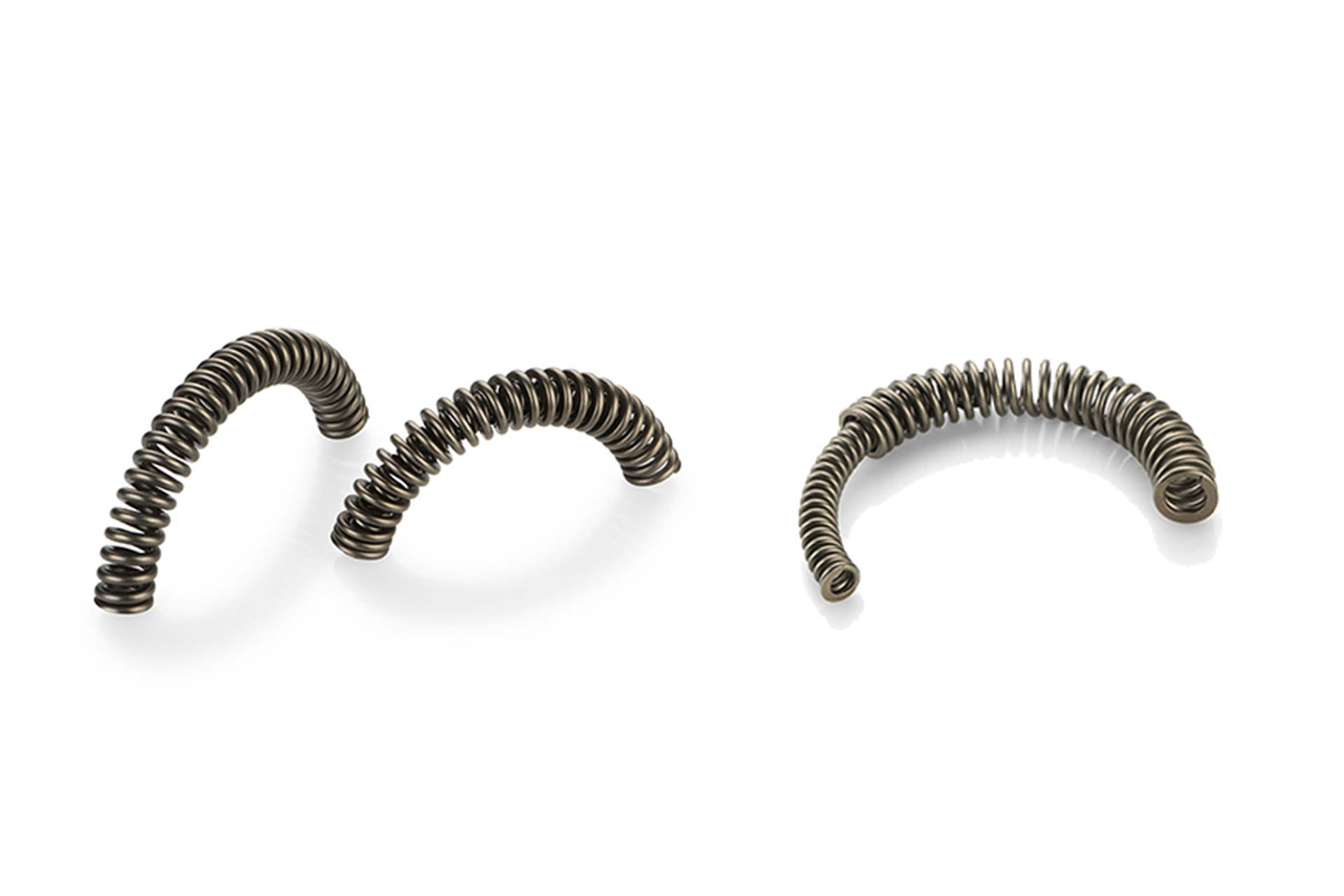
RPK Group manufactures arc springs, curved compression springs that follow a circular path to damp torsional vibration, most notably in dual-mass flywheels and powertrain systems. Their pre-curved geometry lets them work inside rotating assemblies where a straight spring cannot. We produce them in high-fatigue alloy steels under IATF 16949 with fatigue validation for automotive and e-mobility drivetrains.
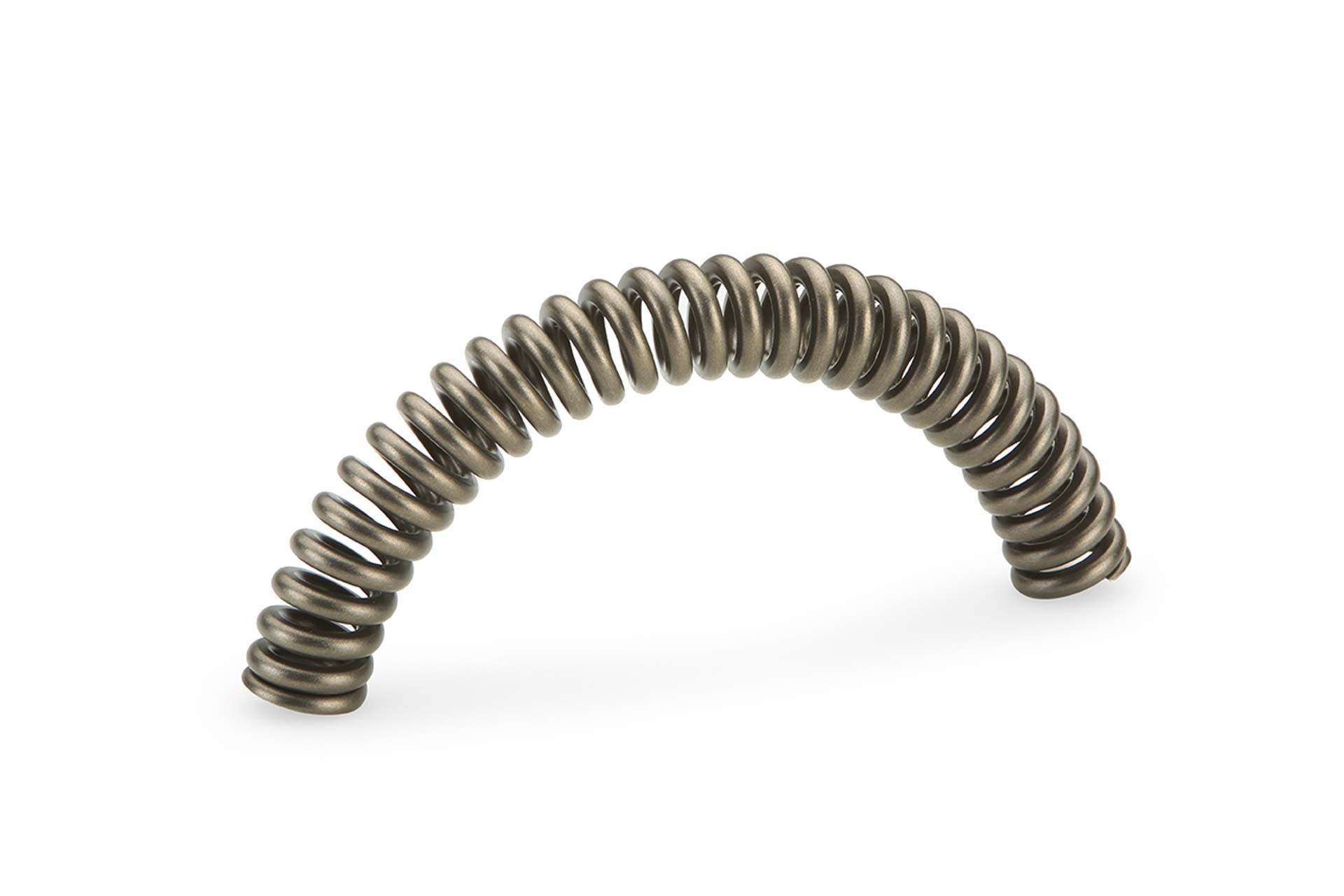
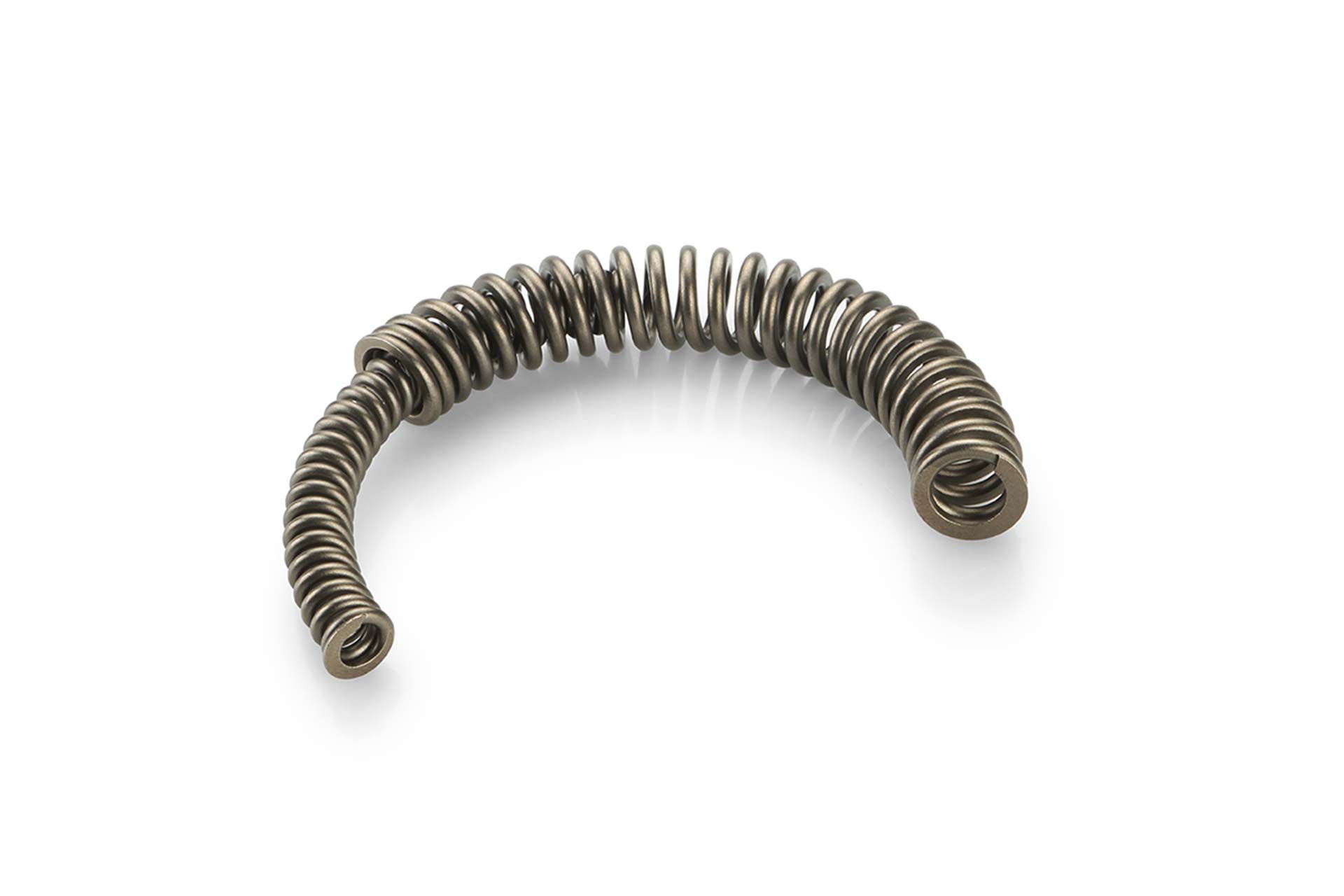
Regarding the material, we use eddy current tested qualities of torsion and valve spring wires. Depending on your application, stresses, and space we can make them with round and profiled wire cross-sections. At RPK Group, we deliver these arc springs as single springs with a linear torque characteristic or as a spring set variant for multistage torque characteristics. Our springs are manufactured in wire diameters from 2.00 mm to 5.00 mm, so they are ideal for various applications.
Advantages and benefits of arc springs
- 01Linear or multistage torque: single springs or spring-set variants tuned to your torque characteristic
- 02FEA-optimized design. Finite Element Analysis ensures a safe, optimized geometry under high load
- 03Application-matched wire, round or profiled cross-sections in eddy-current-tested spring qualities
Types of arc springs
Measures
- Wire diameter: 2-5 mm (0.08-0.2 in)
- Other dimensions as required
Materials
The choice of the right material, surface treatment and coating are critical for the final quality and safety of the product. From stainless steels to the most specific materials bought in from the best suppliers.
- Carbon steel
- Stainless steel
- Inconel
- Elgiloy
- Hastelloy
- Chrome silicon
- Other materials according to your special requirements
Industries / Applications


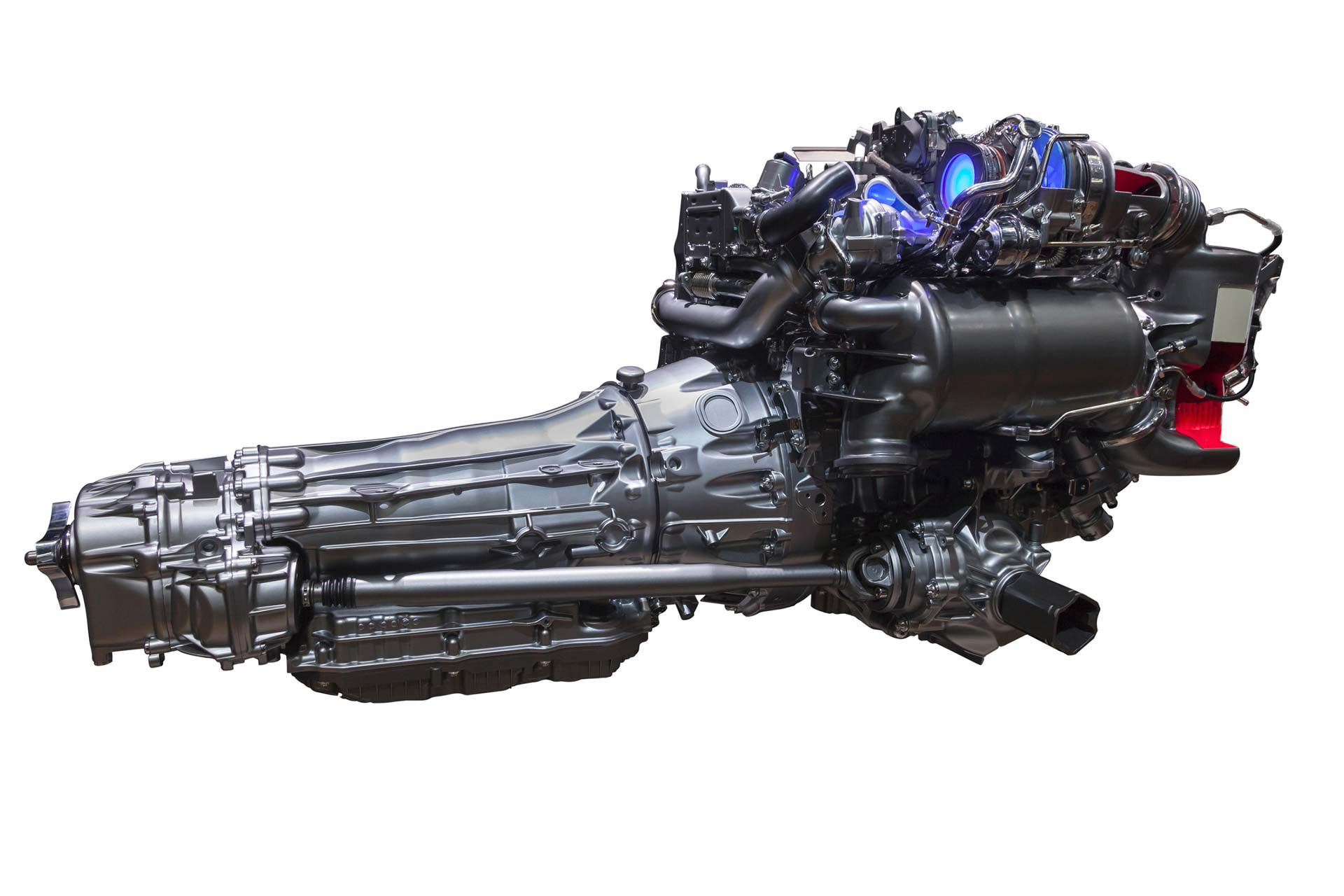
Automotive
Industrial
Get the most out of our expertise
Our engineers work alongside our customers to find the best solution for them, applying scientific methods and knowledge accumulated over almost 50 years.
Frequently Asked Questions
What is an arc spring, and where is it used?
An arc spring (also called a bow spring) is a curved coil spring designed to operate along a circular arc rather than axially. Arc springs are the primary energy-storage element in dual-mass flywheels (DMFs), torsional vibration dampers, and clutch disc assemblies in automotive powertrain systems. Their curved geometry allows them to absorb and release torsional energy as the flywheel halves rotate relative to each other, which isolates the transmission from engine torsional vibration.
Why are arc springs difficult to manufacture?
Arc springs require precise control of the pre-curvature radius, wire diameter, coil pitch, and end geometry simultaneously. The spring must maintain its curvature throughout millions of fatigue cycles under high torsional load, often at elevated temperatures inside a lubricated clutch housing. This demands careful material selection, shot peening, presetting, and rigorous fatigue testing, capabilities that are not available from general-purpose spring manufacturers.
What wire diameters does RPK Group offer for arc springs?
RPK Group manufactures arc springs in wire diameters from 2 mm to 5 mm. This range covers the primary passenger car dual-mass flywheel market. For applications outside this range, contact our engineering team.
What materials are used for automotive arc springs?
Automotive arc springs are predominantly manufactured in chrome silicon steel (51CrV4 or 54SiCr6) for its combination of high fatigue strength, good relaxation resistance, and elevated temperature performance. Surface treatments include shot peening and phosphating.
Can arc springs be used in hybrid vehicle powertrains?
Yes. Hybrid vehicles that retain a friction clutch or a torque converter lockup damper use arc springs in their torsional isolation systems. As hybrid architectures increase NVH sensitivity (reducing the masking of combustion noise), torsional damping performance becomes more critical, thereby increasing the precision requirements for arc springs.
How do you ensure the fatigue life of arc springs in a DMF application?
RPK Group applies shot peening to arc springs to introduce compressive residual stresses that resist crack initiation under cyclic bending. Presetting is used to stabilize the spring geometry. Fatigue testing to OEM-specified load cycles and deflection amplitudes validates each design before production release.
Related news
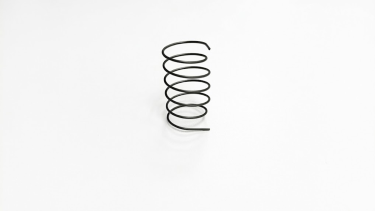
Inconel Springs: Custom precision manufacturing for extreme environments
RPK Group engineers Inconel springs that perform where standard materials fail, across automotive, medical, e-mobility, oil & gas, and industrial applications worldwide.
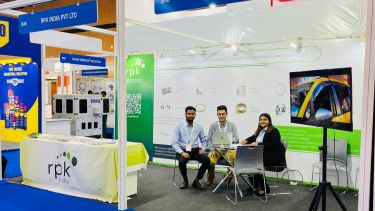
RPK Group Showcases High-Value Automotive Solutions at Auto Components Show 2025 India
Visit us at Booth #B48 in Chennai to explore advanced springs and metal-formed components for powertrain, brakes, chassis, eMobility, and more