Wave Springs
The same power in less space
Wave springs have the advantage of saving space and weight when used to replace compression springs
Wave springs deliver the same load as a compression spring in up to 50% less axial space, which makes them ideal for tight assemblies where height and weight matter. At RPK Group, our engineers design custom wave springs with your engineers, matching spring rate, work height, and load to your application. We produce single-turn, multi-turn, wave washers and nested designs in carbon steel, stainless steel, Inconel, Elgiloy, Hastelloy, and CuBe. Backed by an in-house rolling line and 100% control, we run cost-down programs that replace compression springs with wave springs to reduce weight and costs without sacrificing performance.
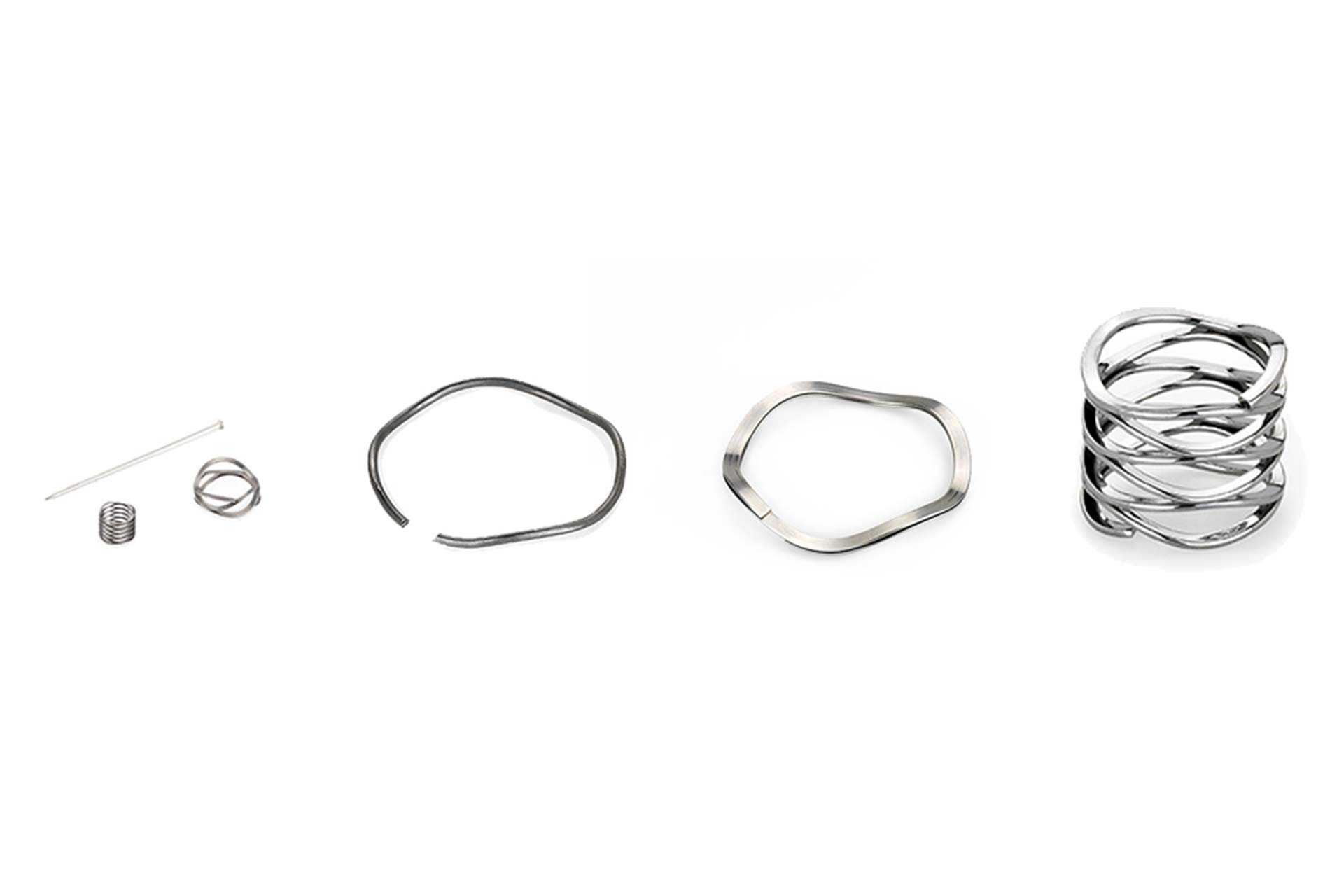
Advantages and benefits of wave springs
- 01Up to 50% axial space and weight savings versus a comparable compression spring
- 02Reduced non-axial side loads with stable dynamic performance, supported by in-house R&D in materials and processes
- 03Right- and left-hand winding: the only manufacturer able to produce both, supported by an in-house rolling line for fast response
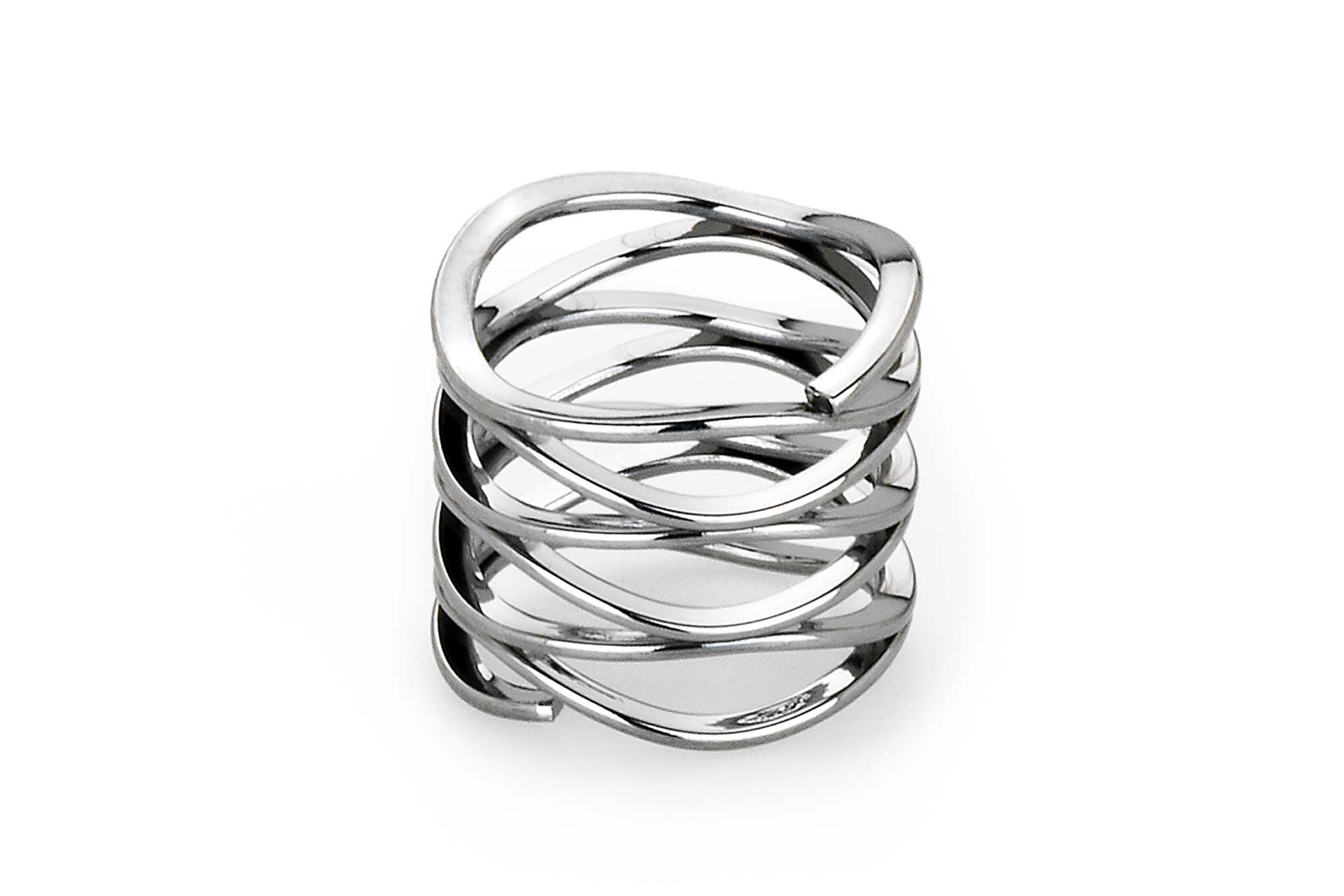
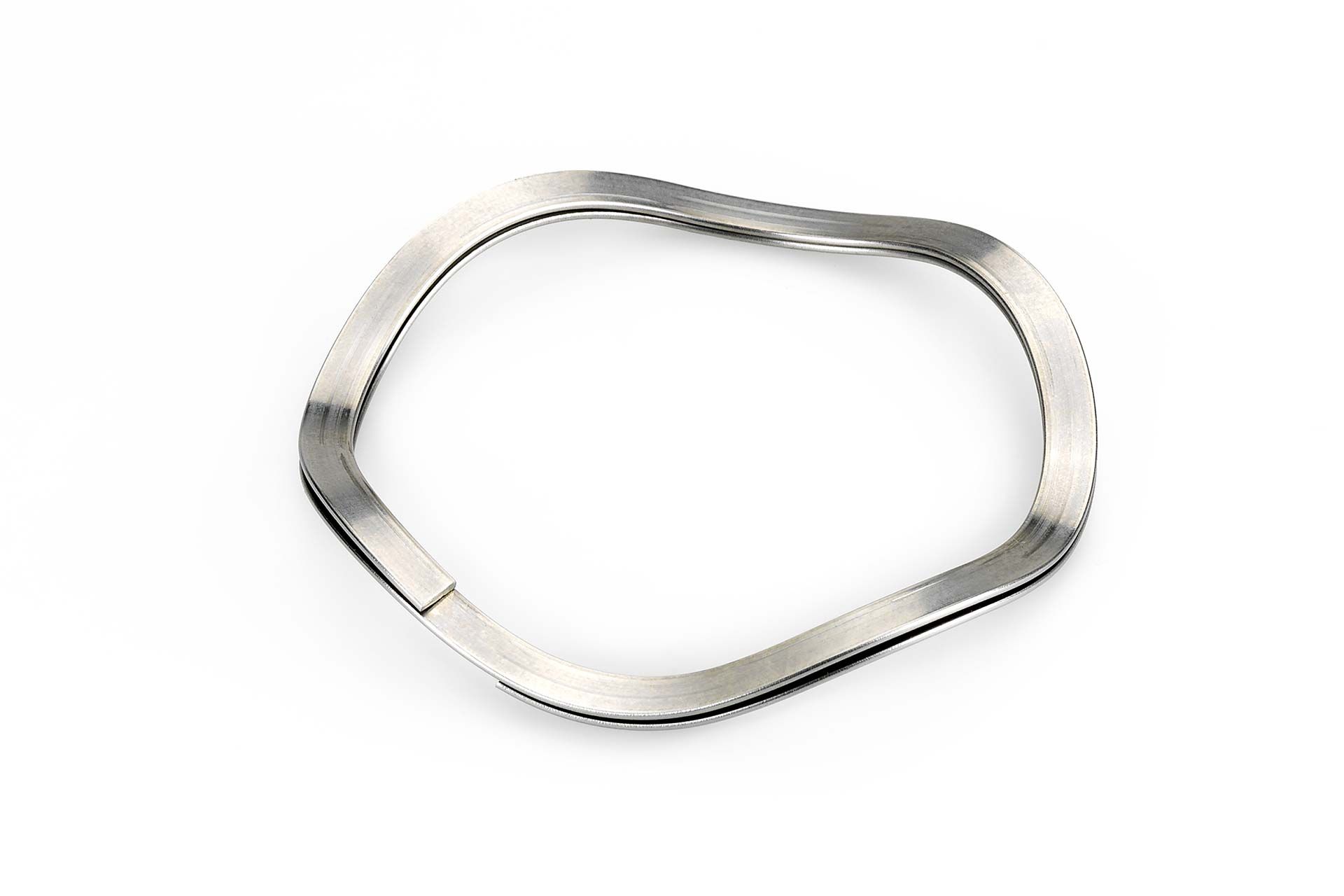
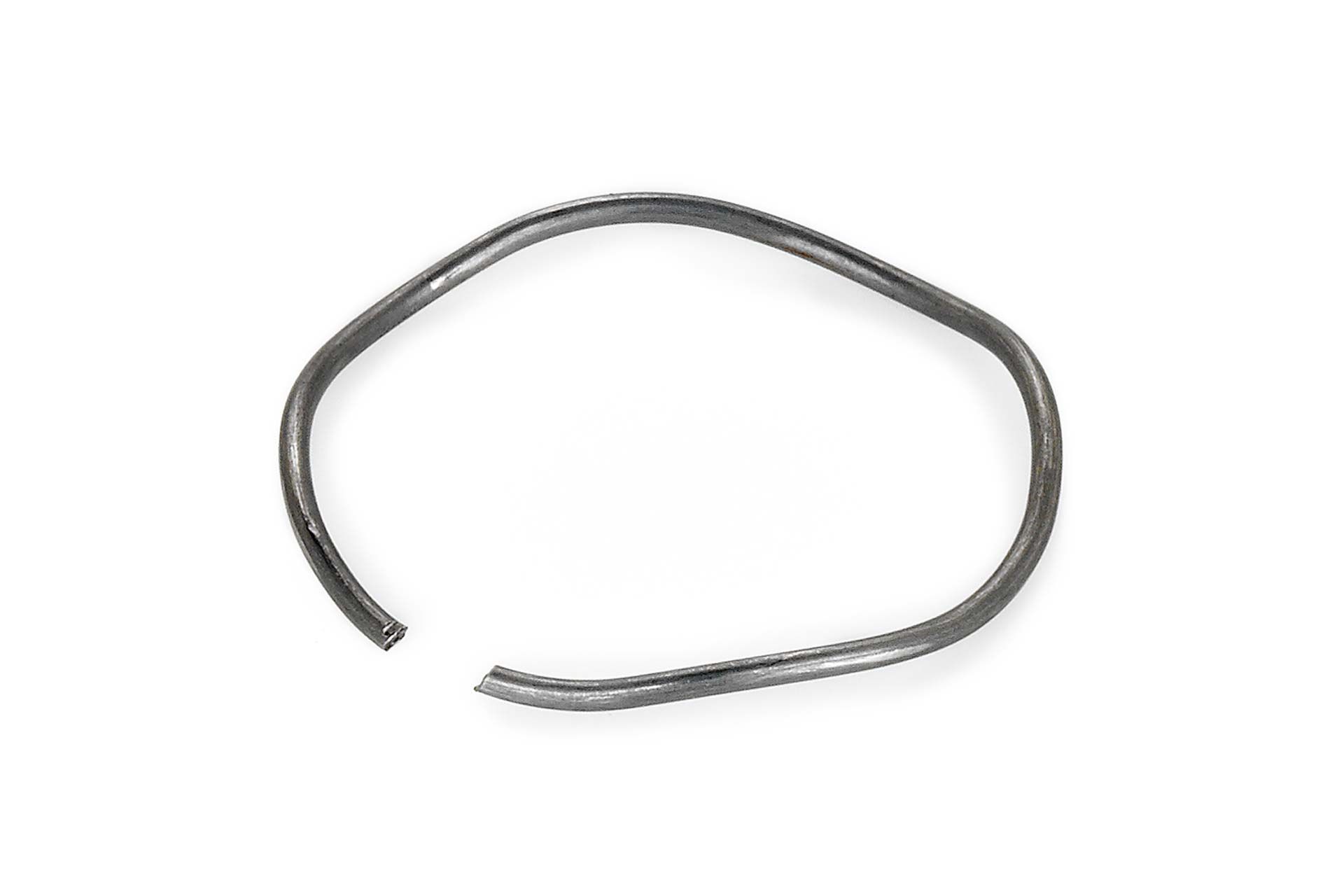
Types of wave springs
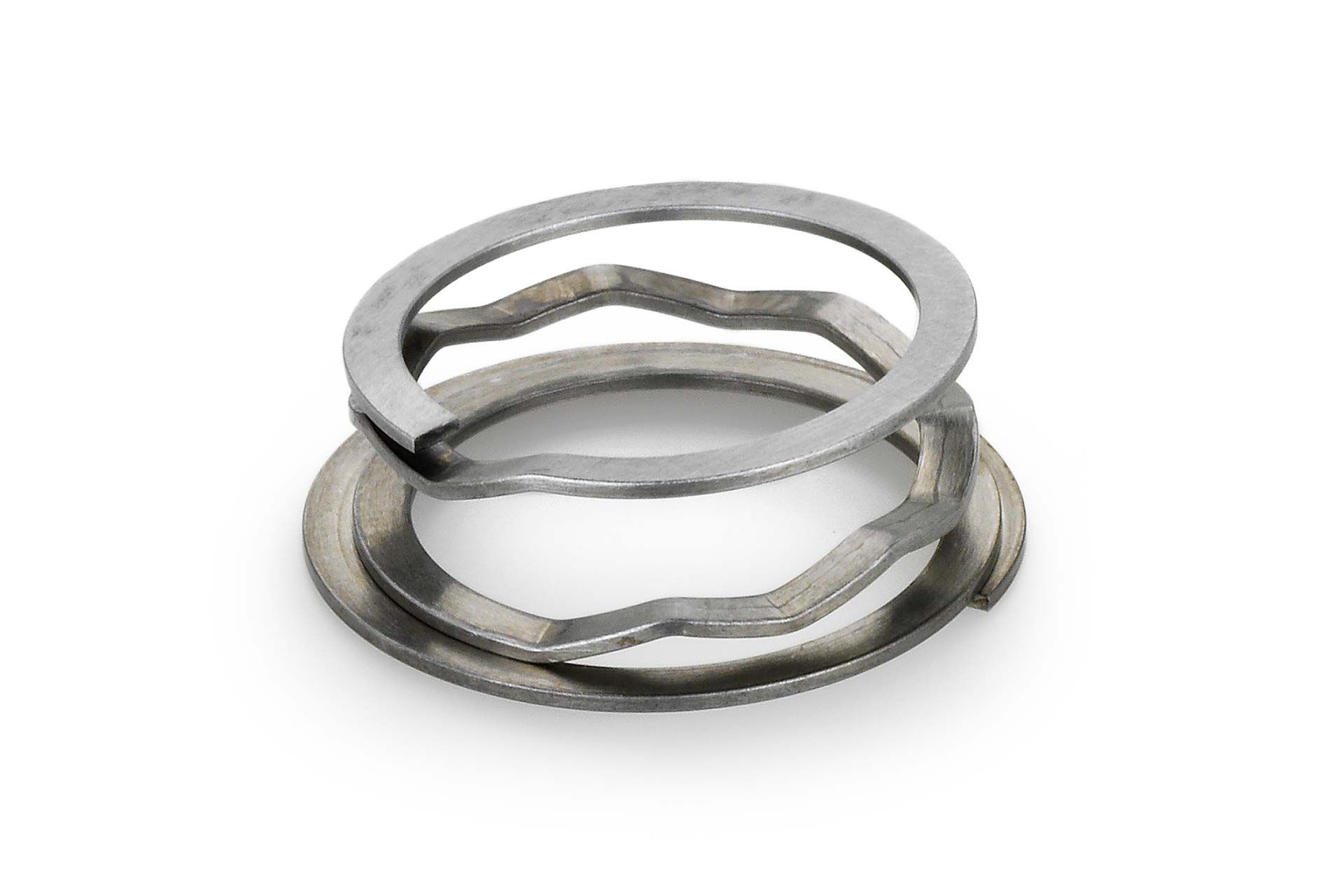
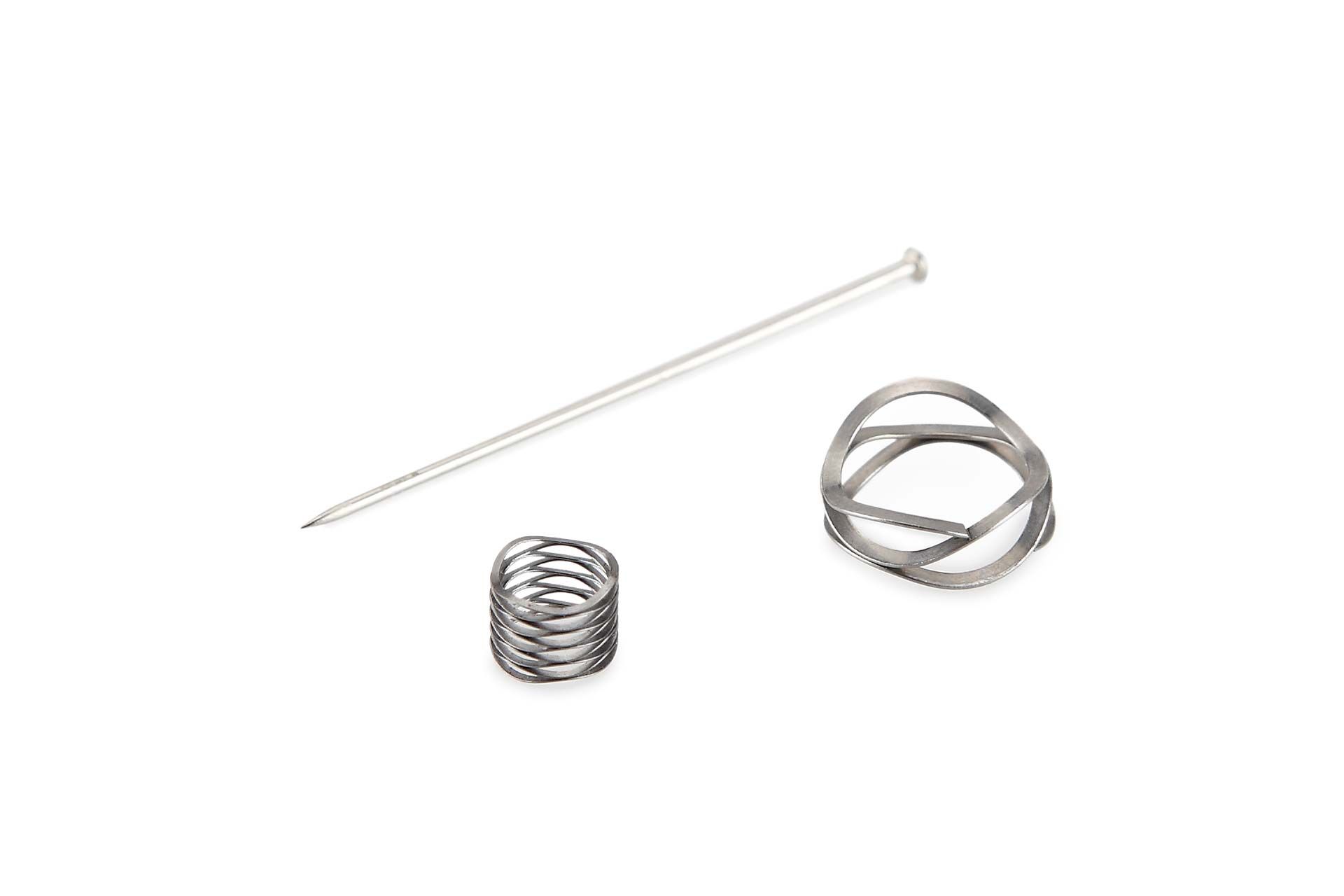
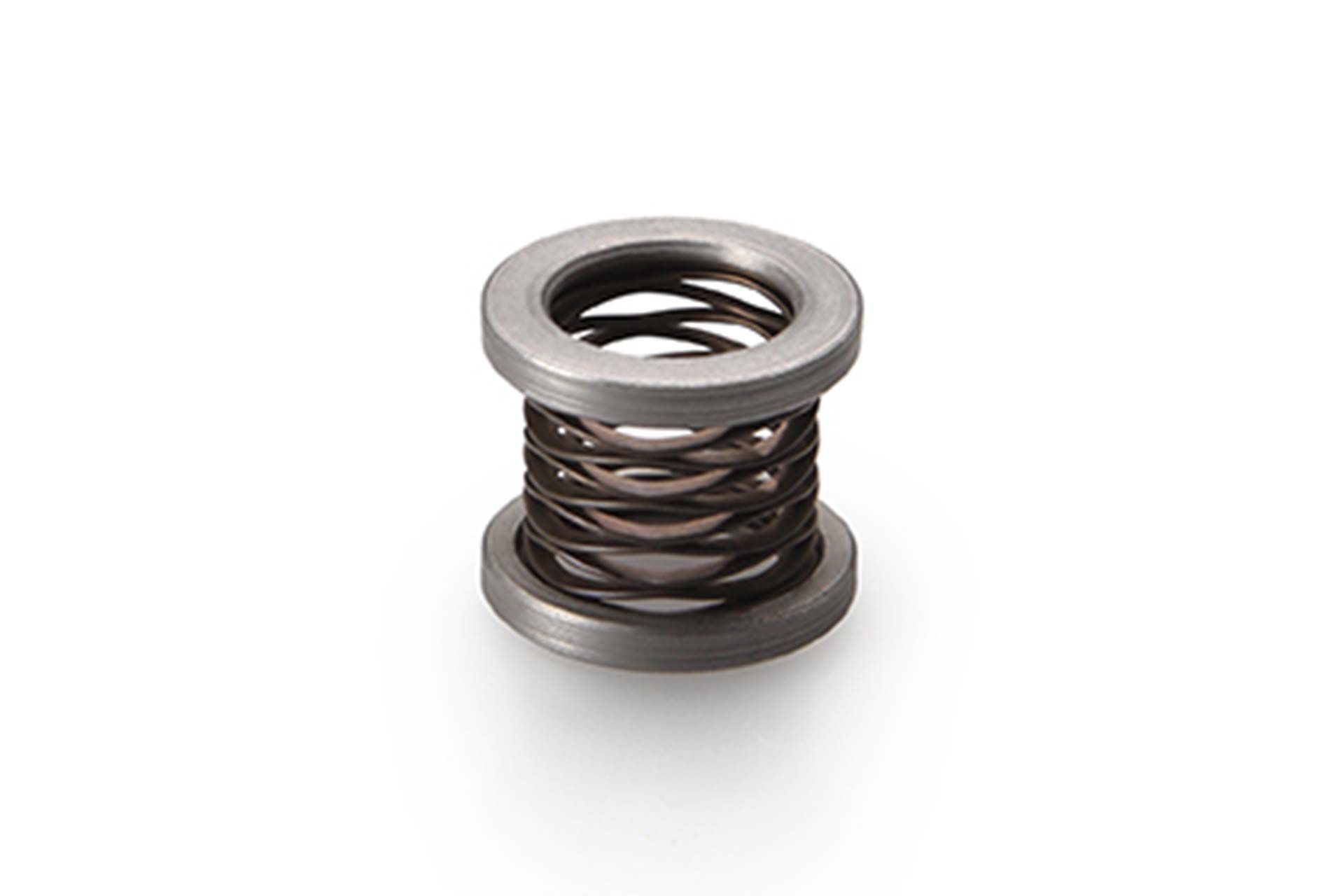
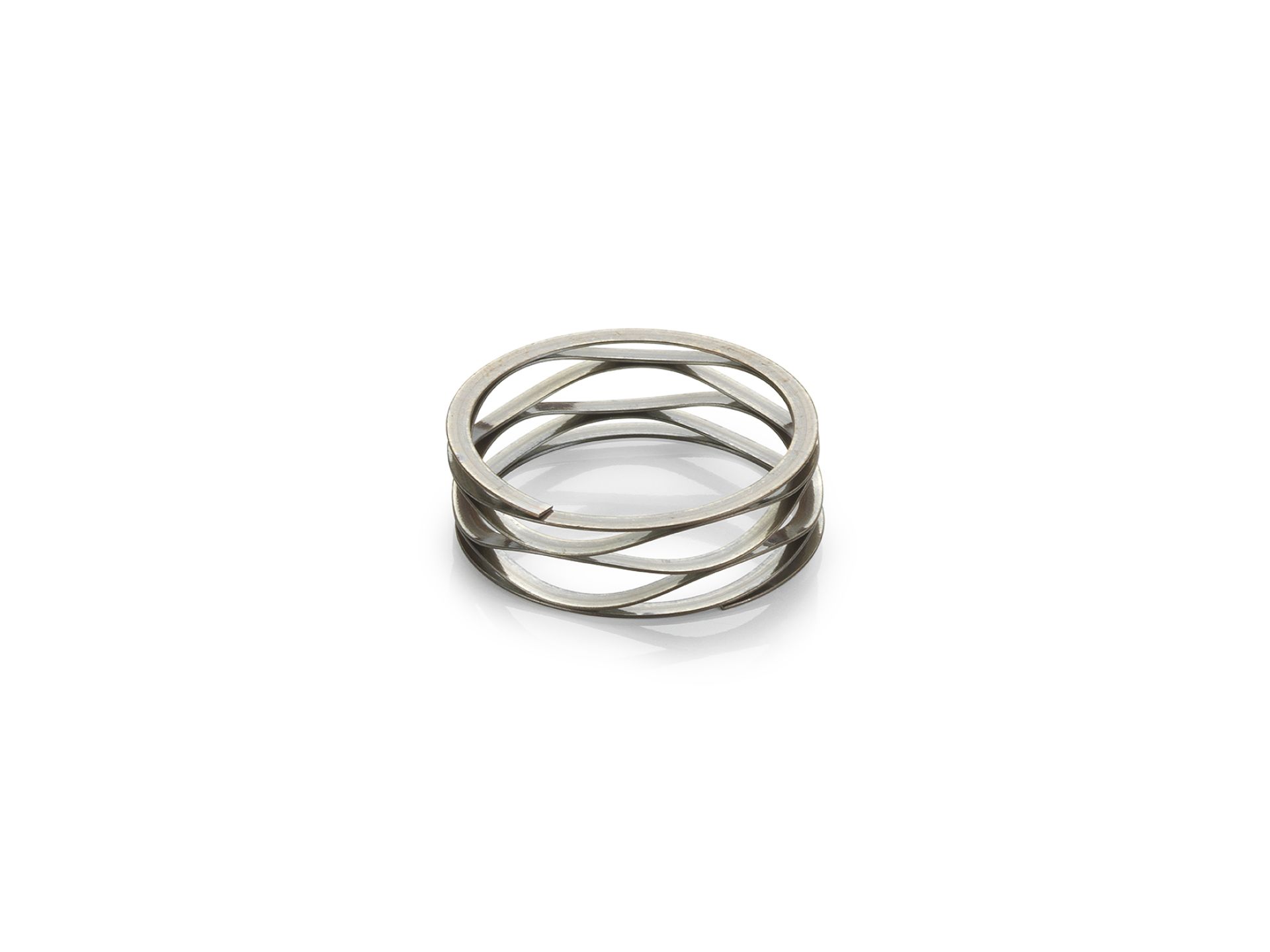
Measures
- Starting at 0.10 x 0.4 mm (0.004 x 0.016 in)
- Min. thickness: 0.10 mm (0.004 in)
- Max. thickness: 2.5 mm (1 in)
- Other dimensions as required
Materials
The right material, surface treatment, and coating are critical to final quality and safety. We match alloy to your service conditions: carbon steel for general use, stainless for high-stress and fatigue applications, Inconel and Hastelloy for high temperature and corrosion, Elgiloy for fatigue and corrosion resistance, chrome silicon for high loads, and CuBe where electrical conductivity is also required.
- Carbon steel, almost for every application
- Stainless steel, ideal for high stress and fatigue applications
- CuBe
- Inconel
- Elgiloy
- Hastelloy
- Chrome silicon
- Other materials according to your special requirements









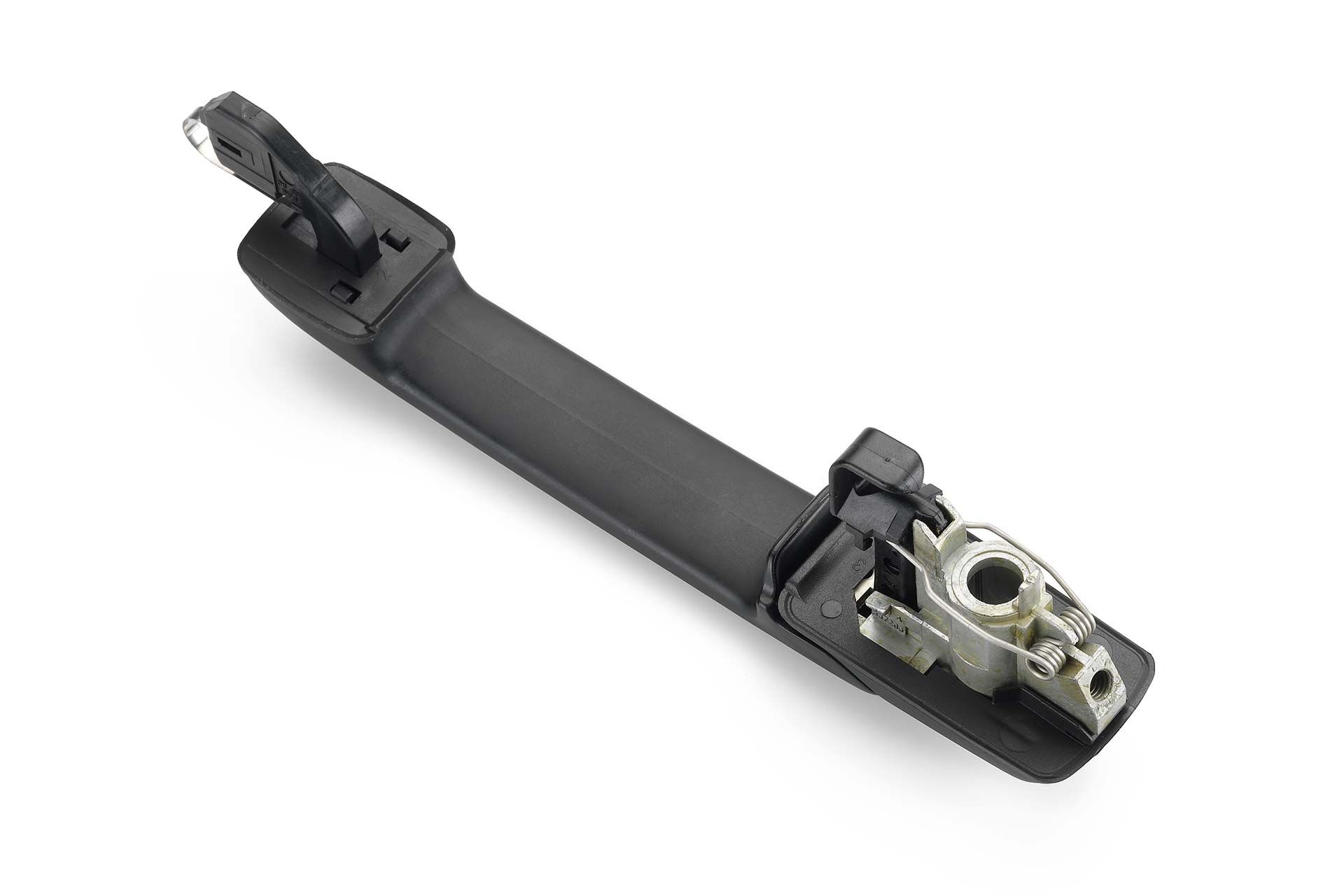
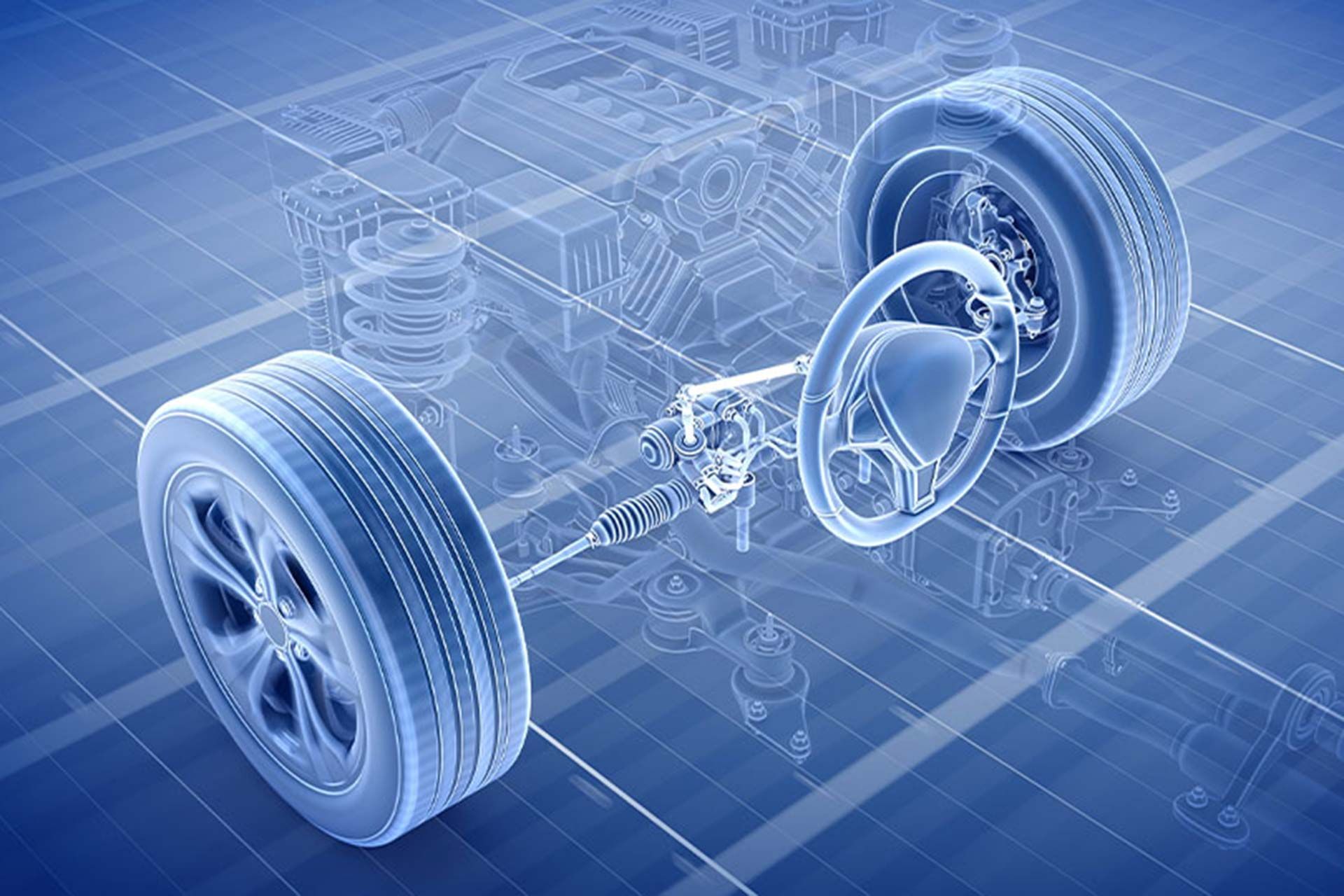
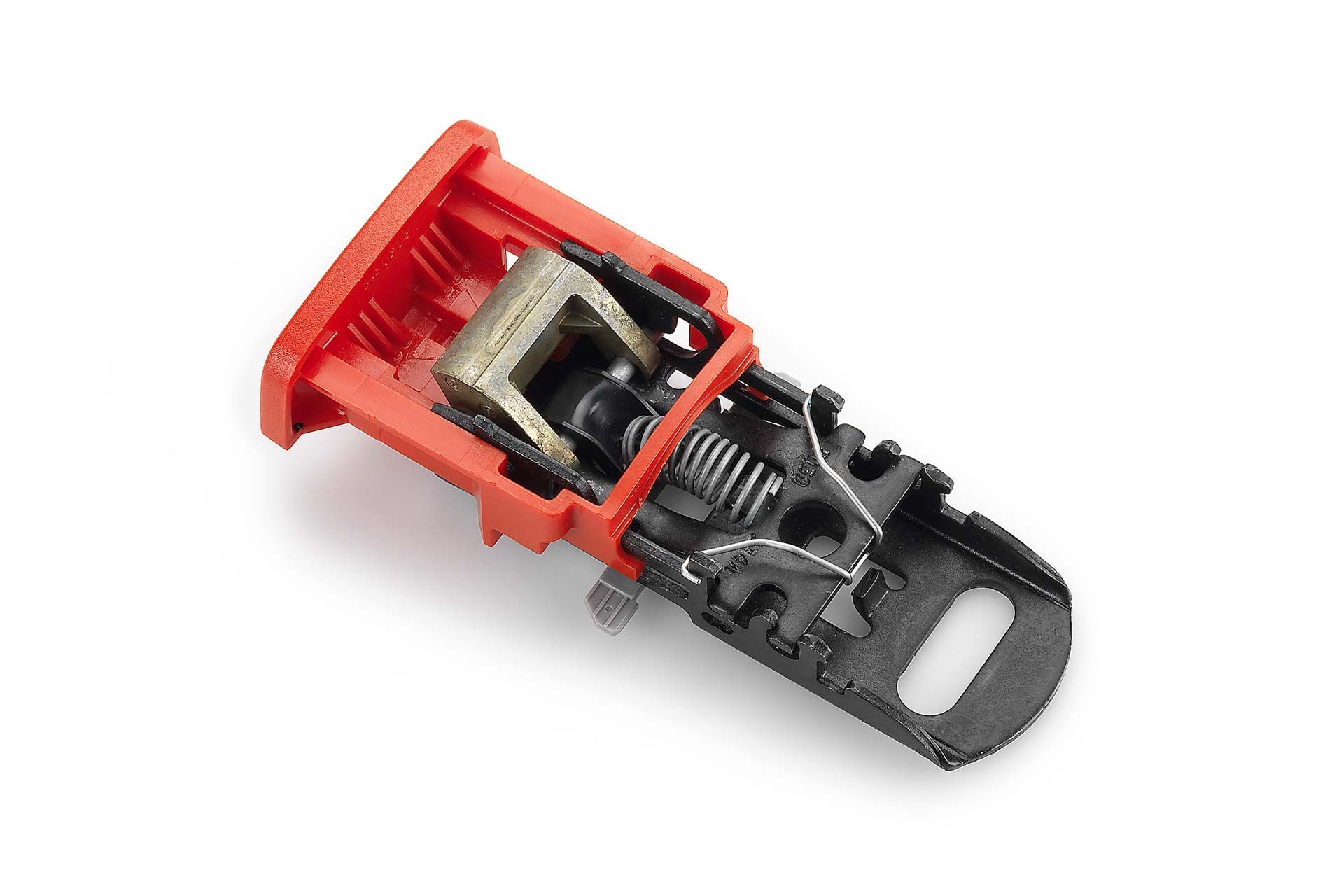
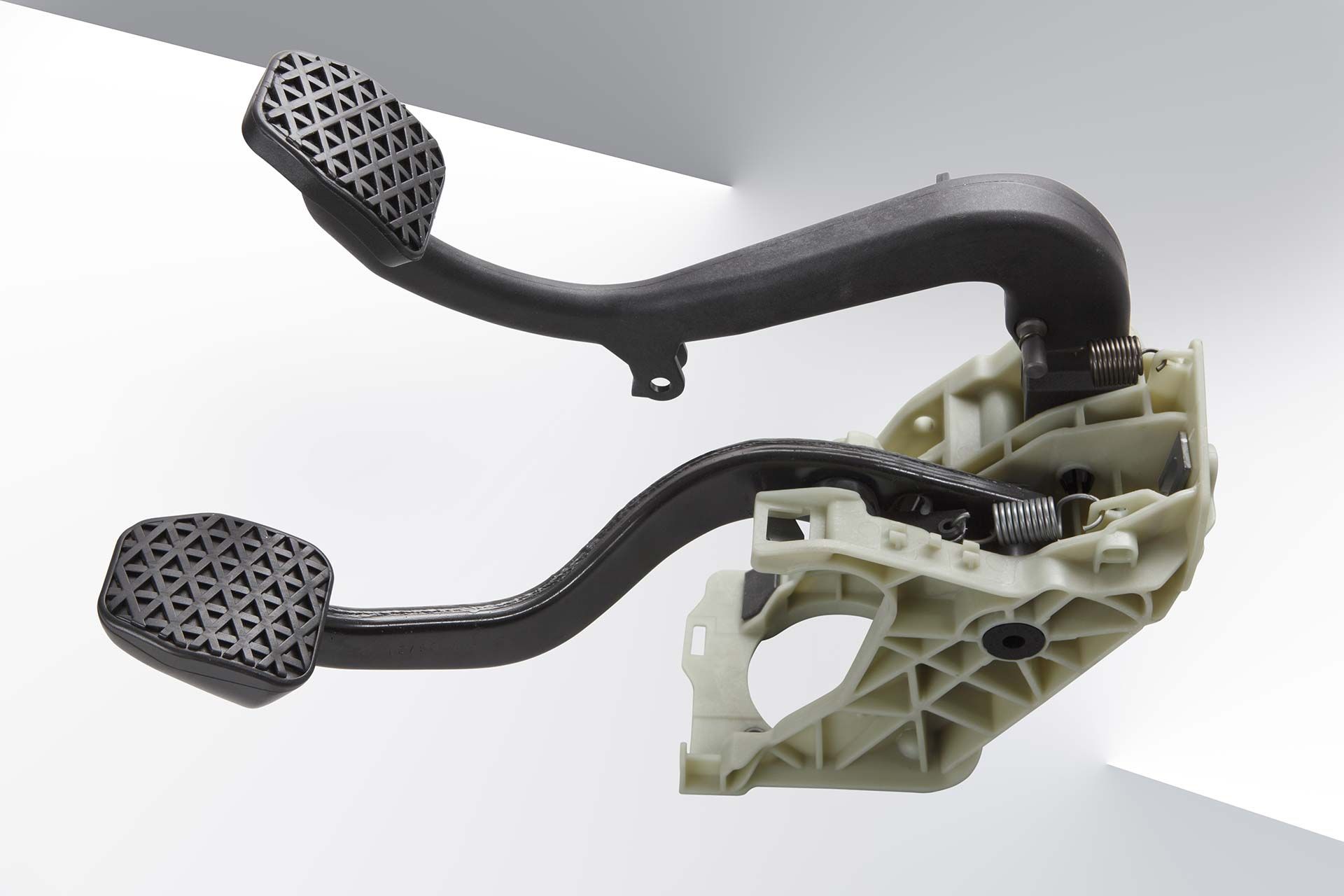
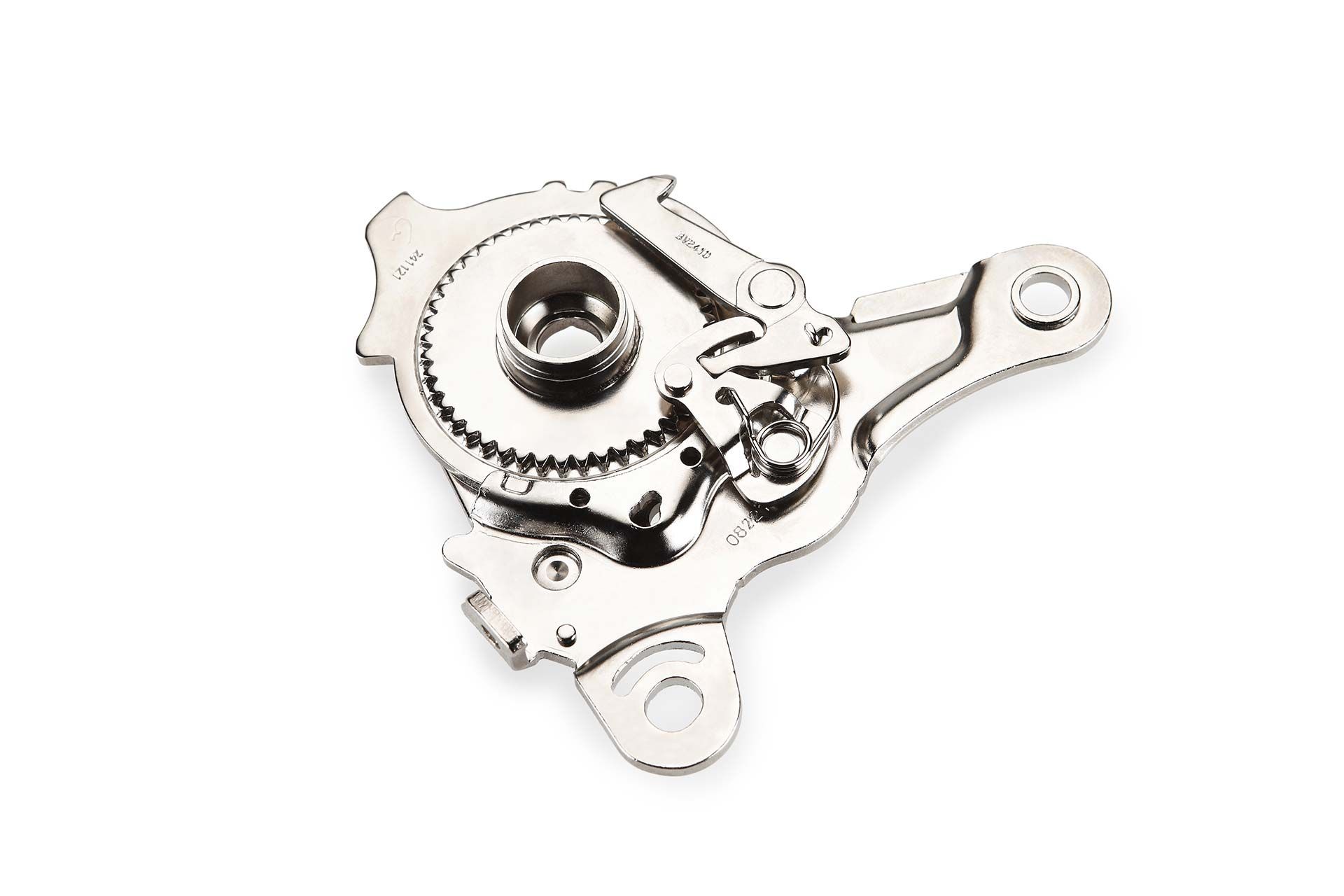
Automotive

Medical



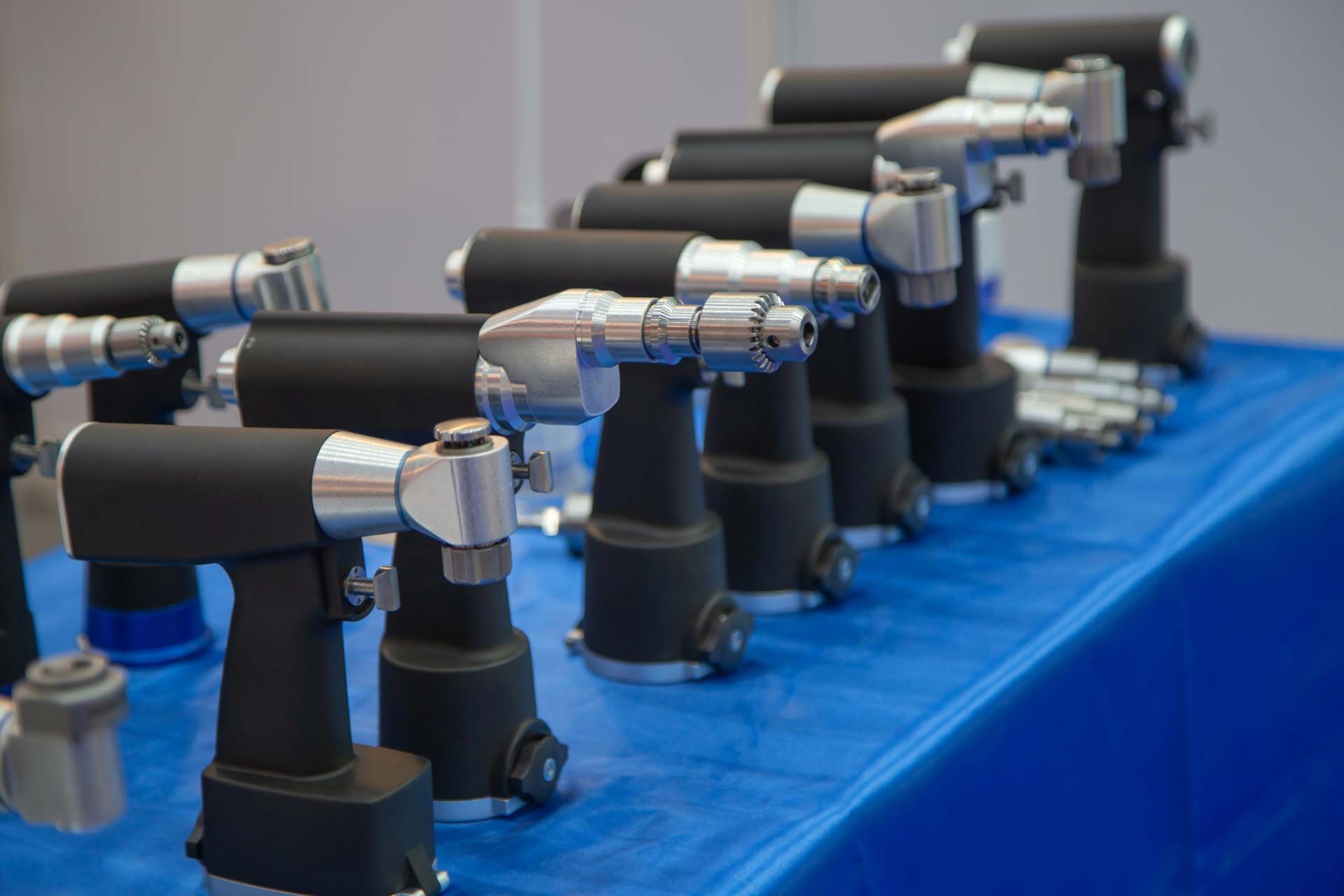


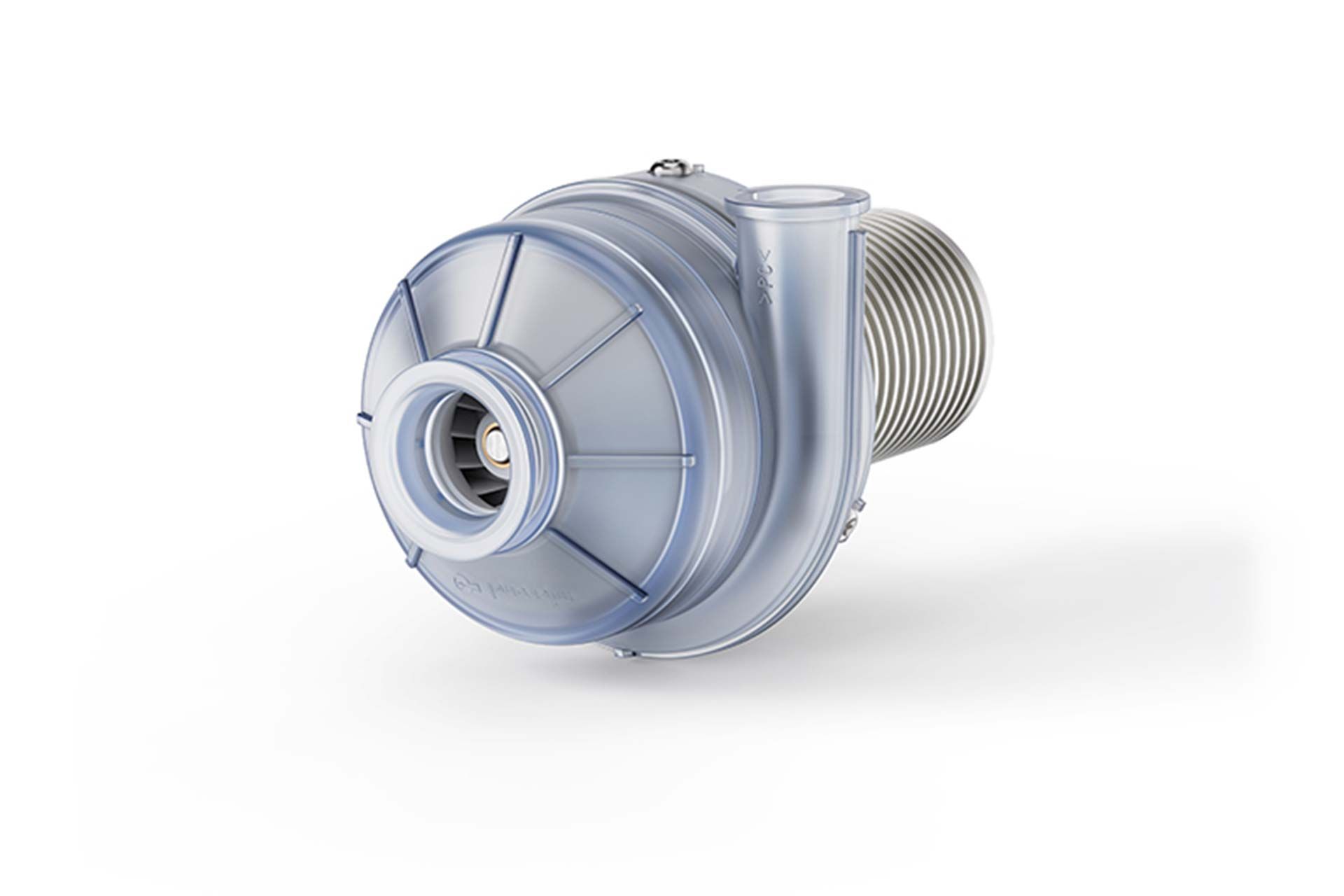
Electric
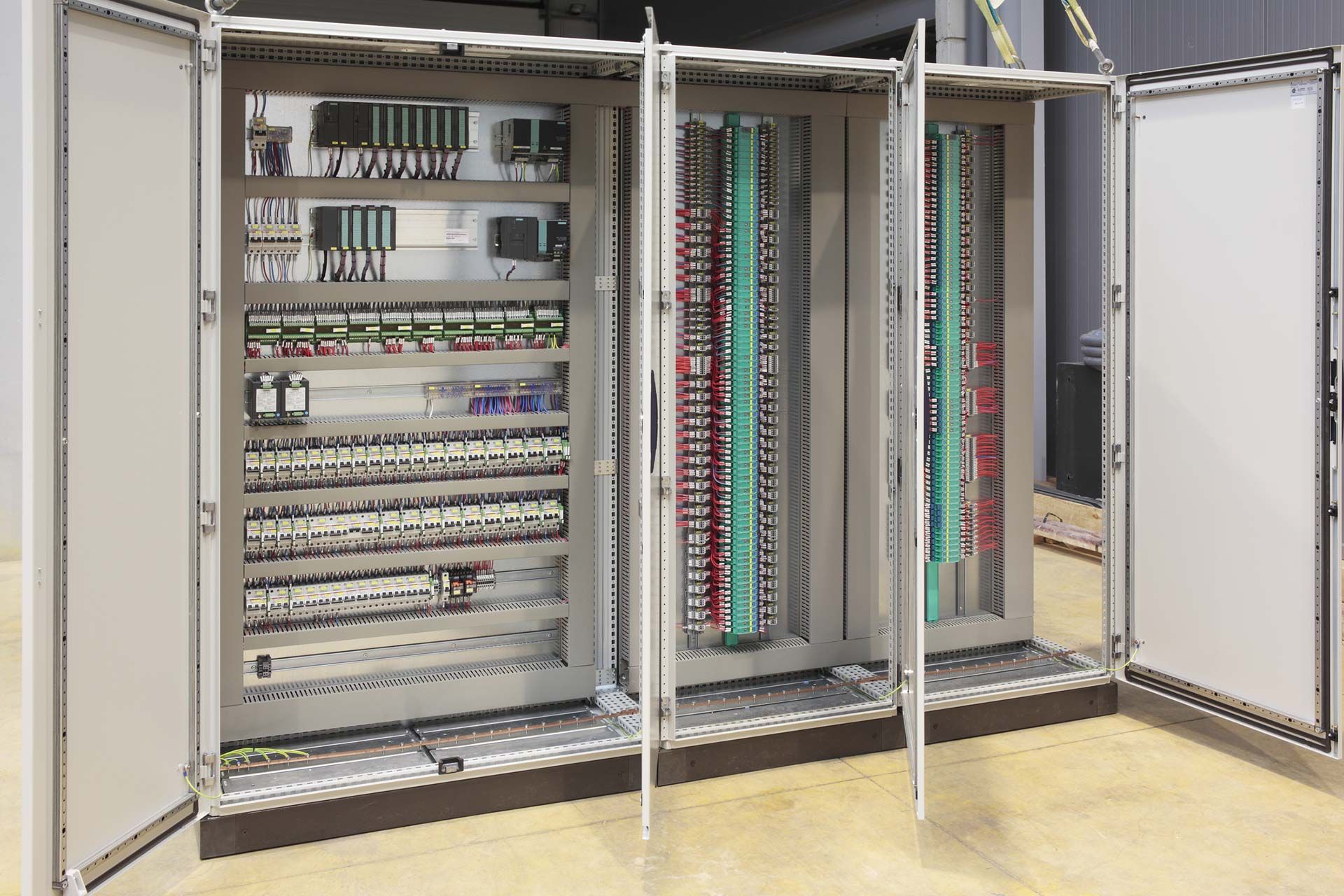
Industrial
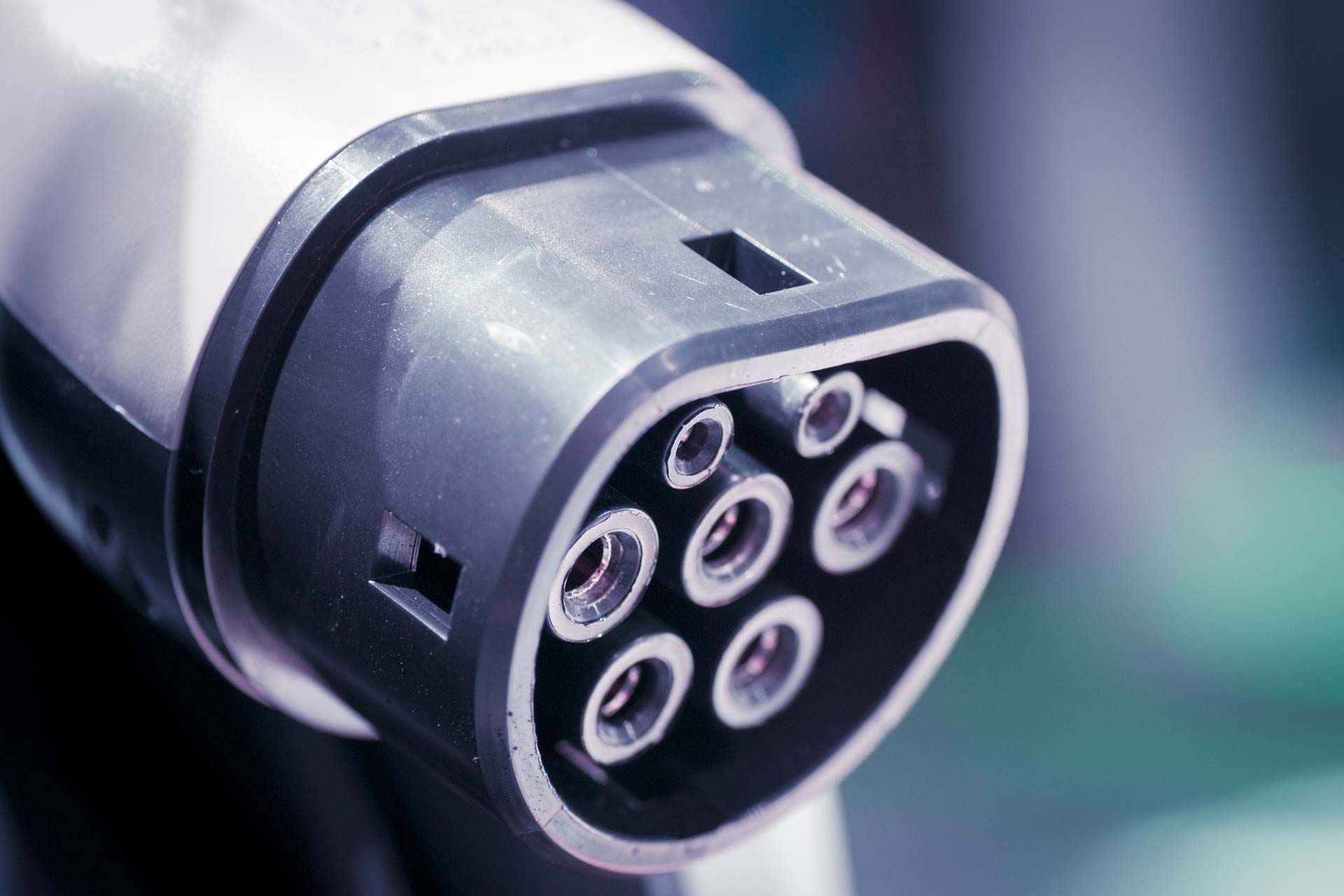
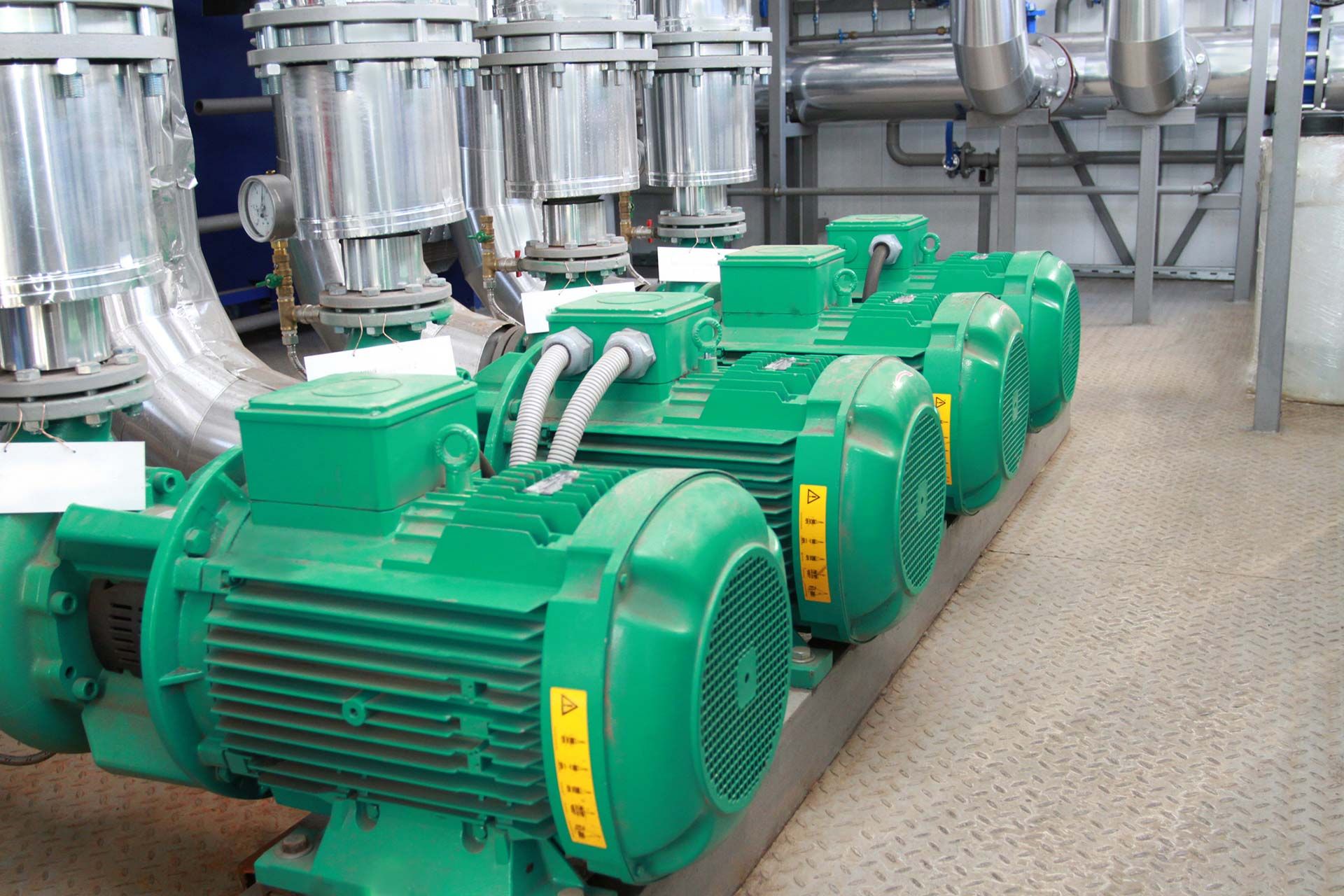

E-Mobility
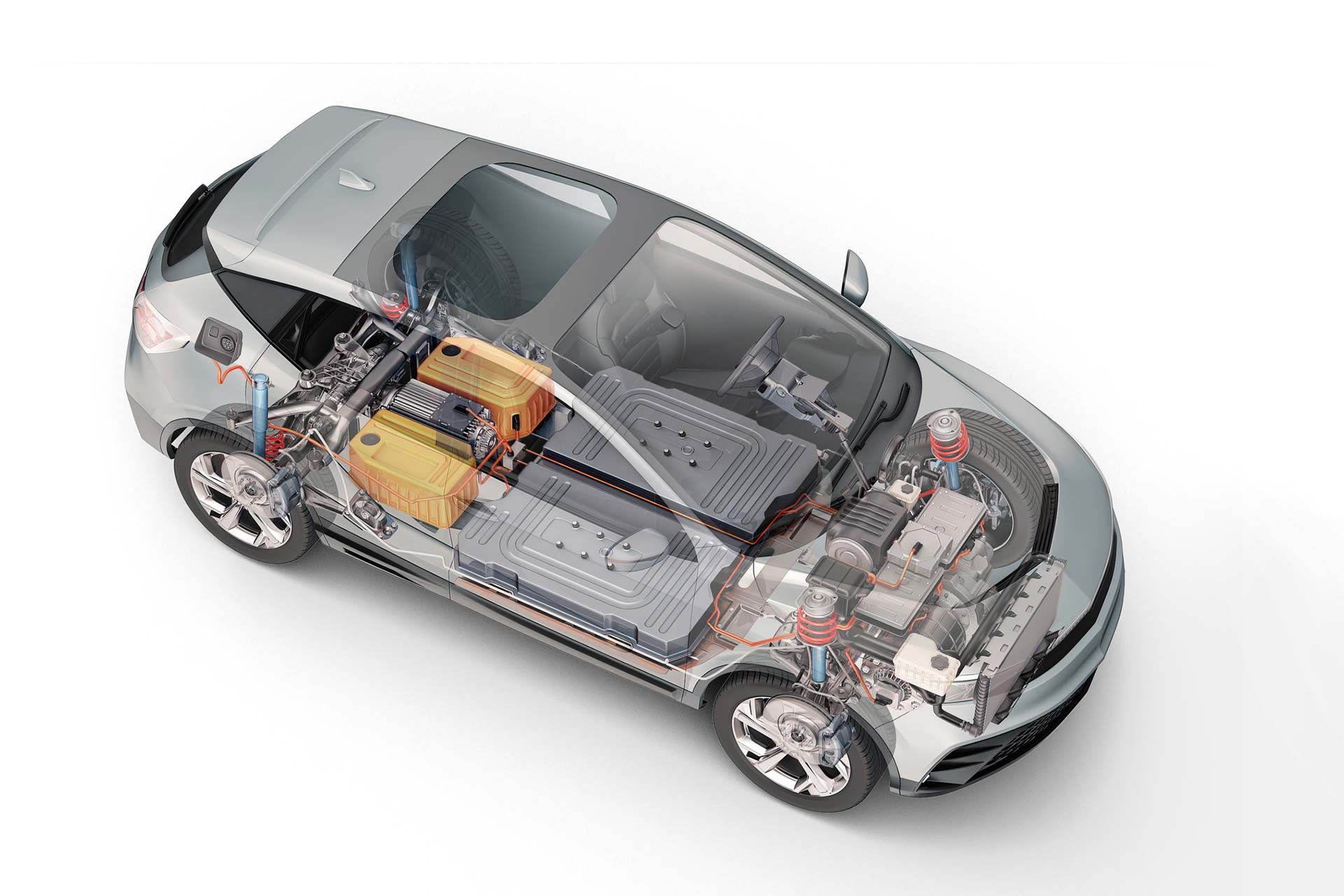


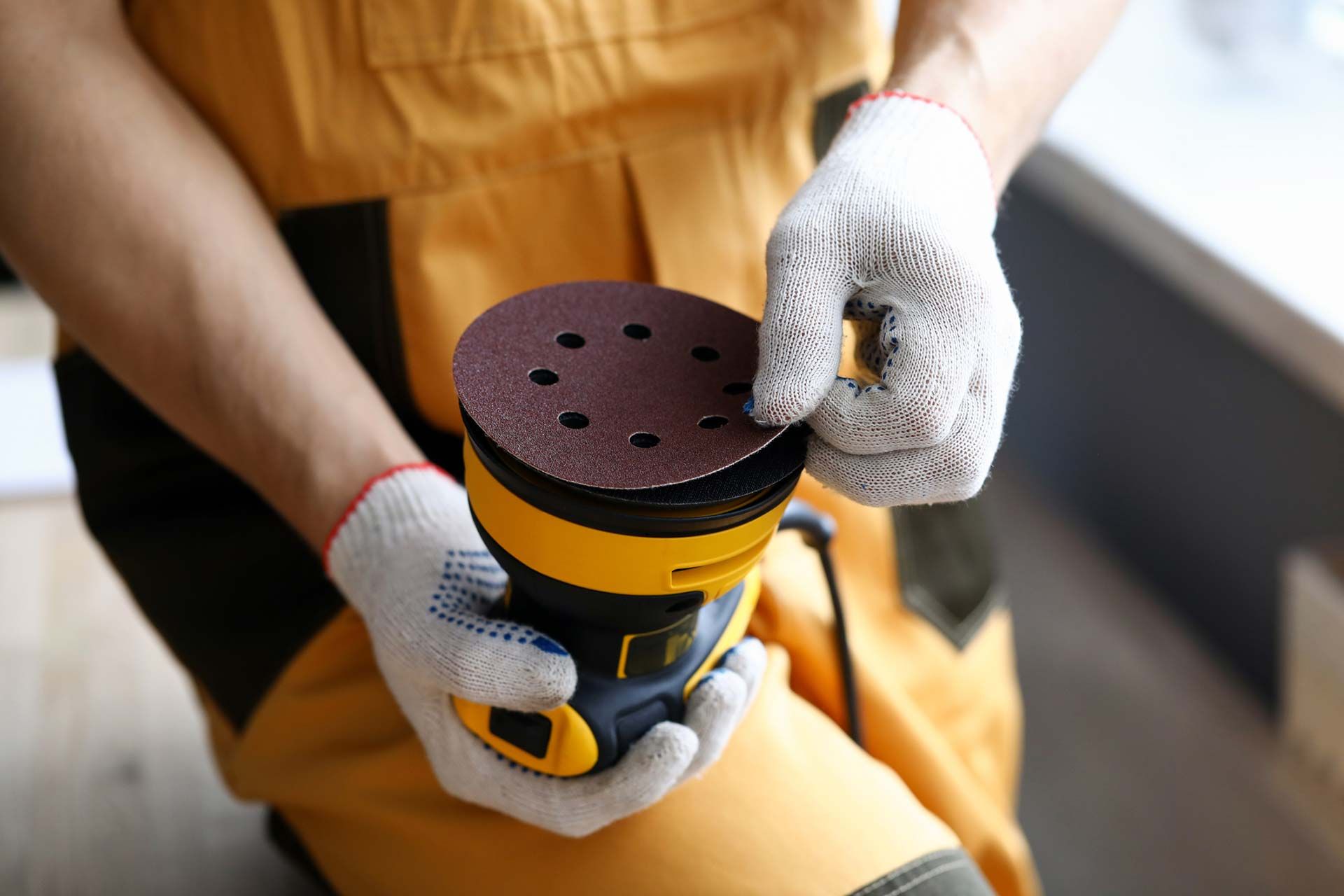
Power tools
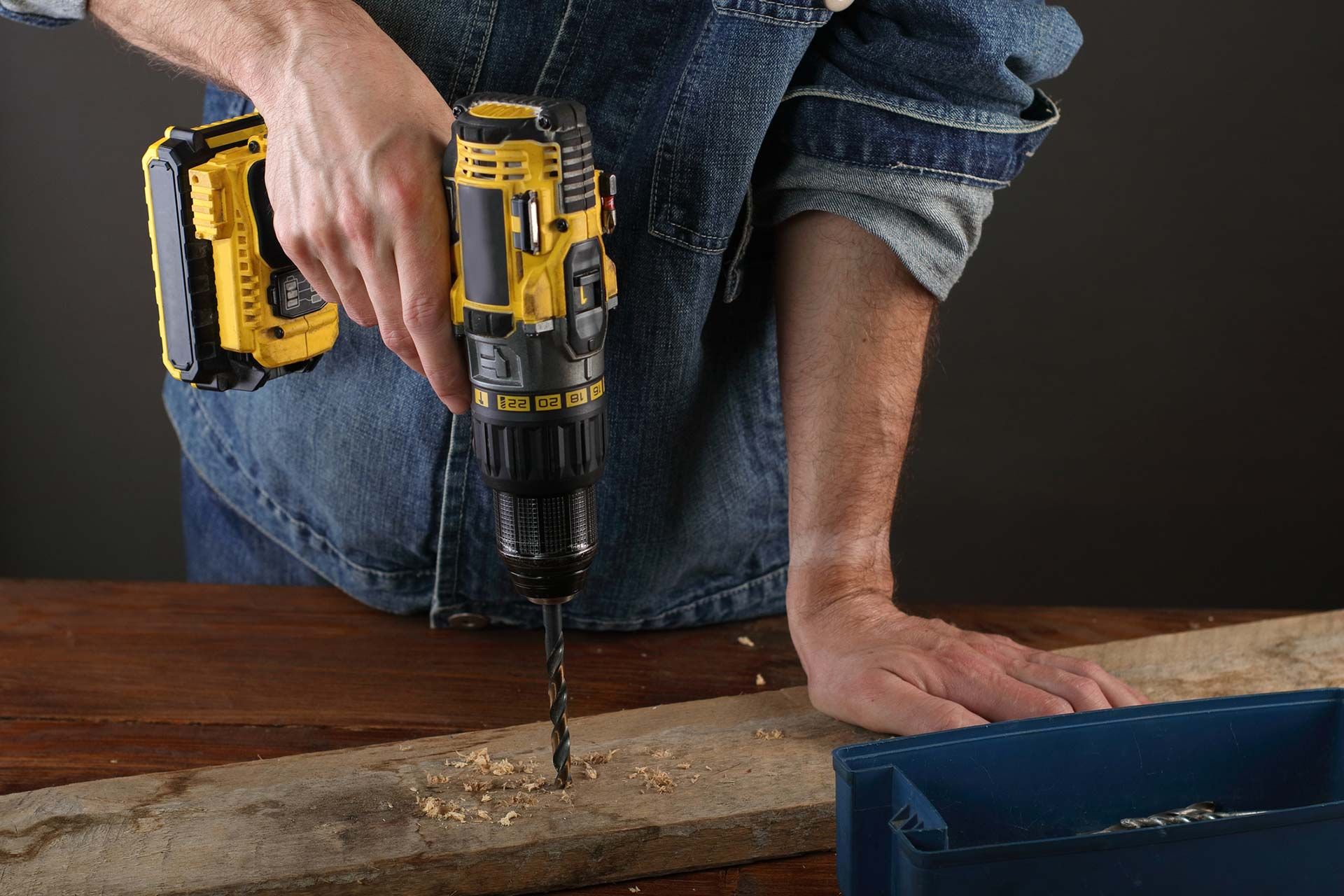


Consumer Goods



Other industries




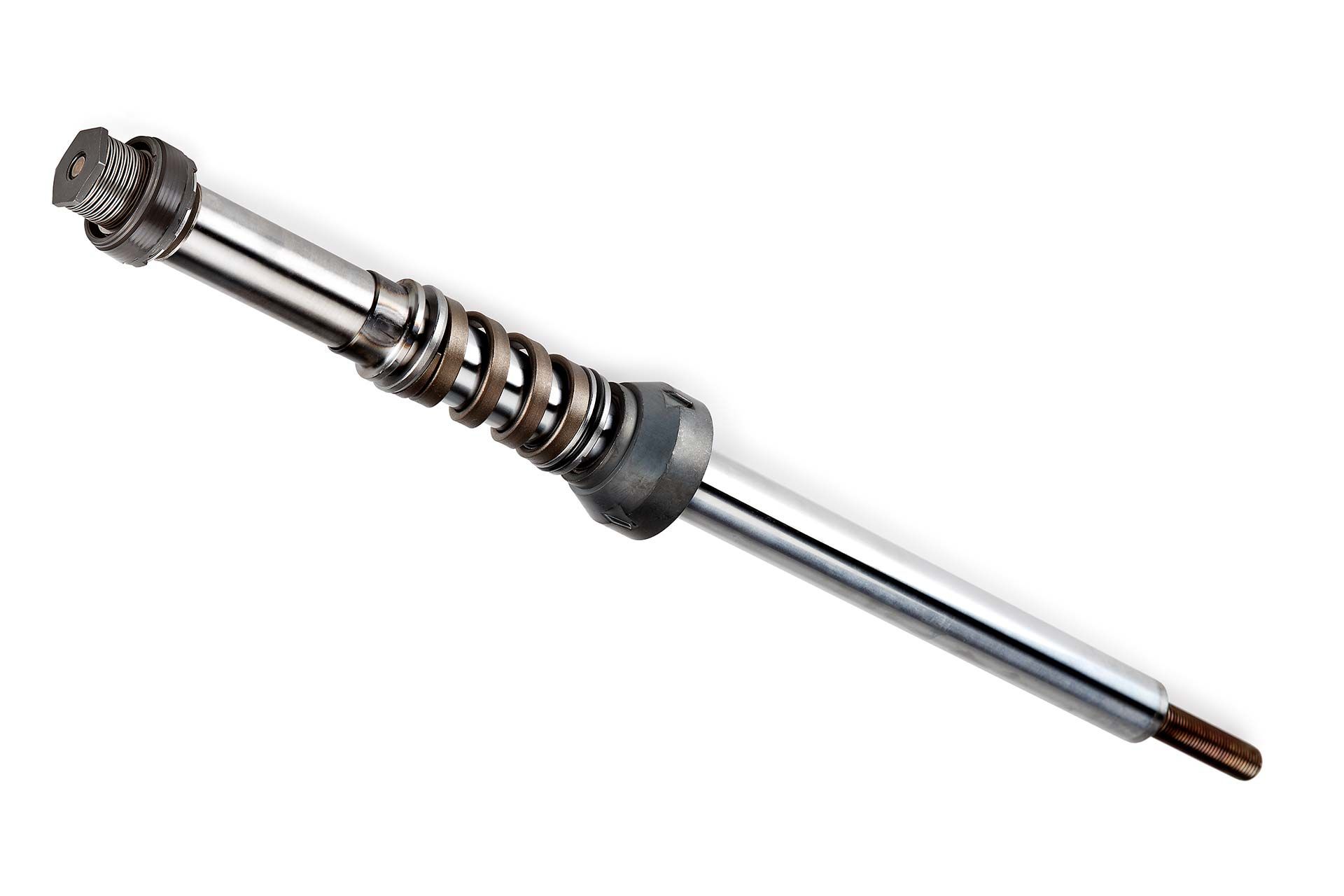
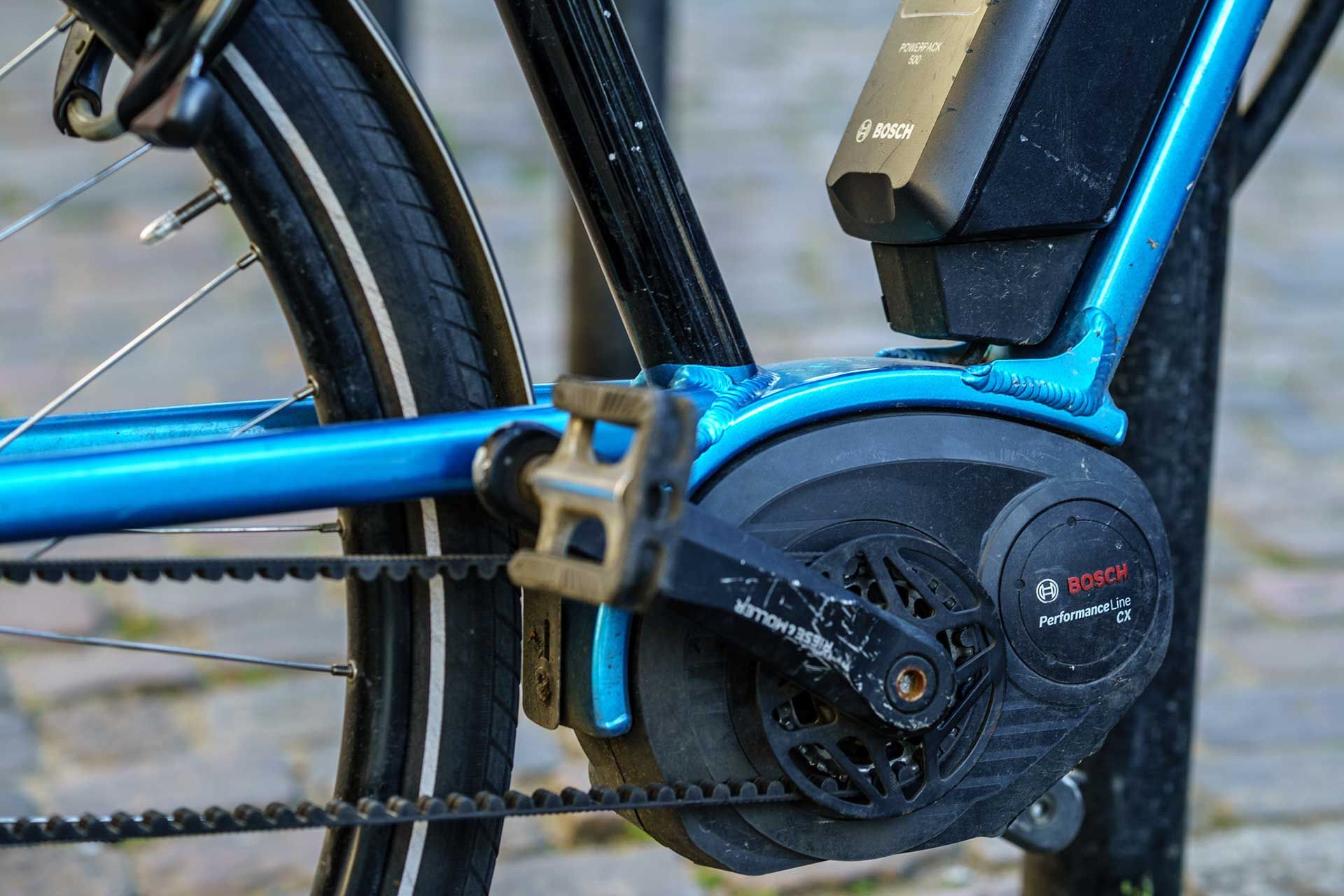
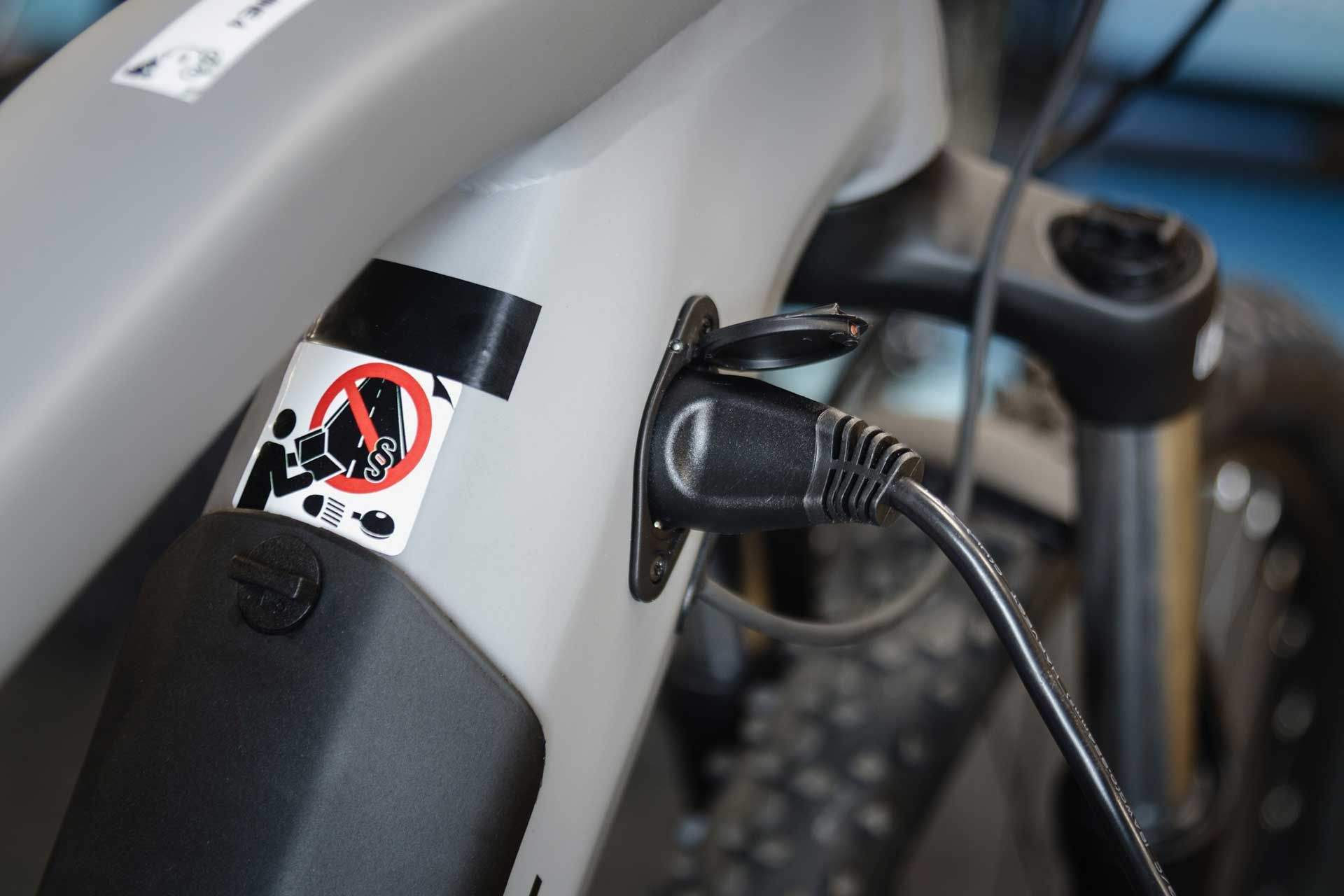
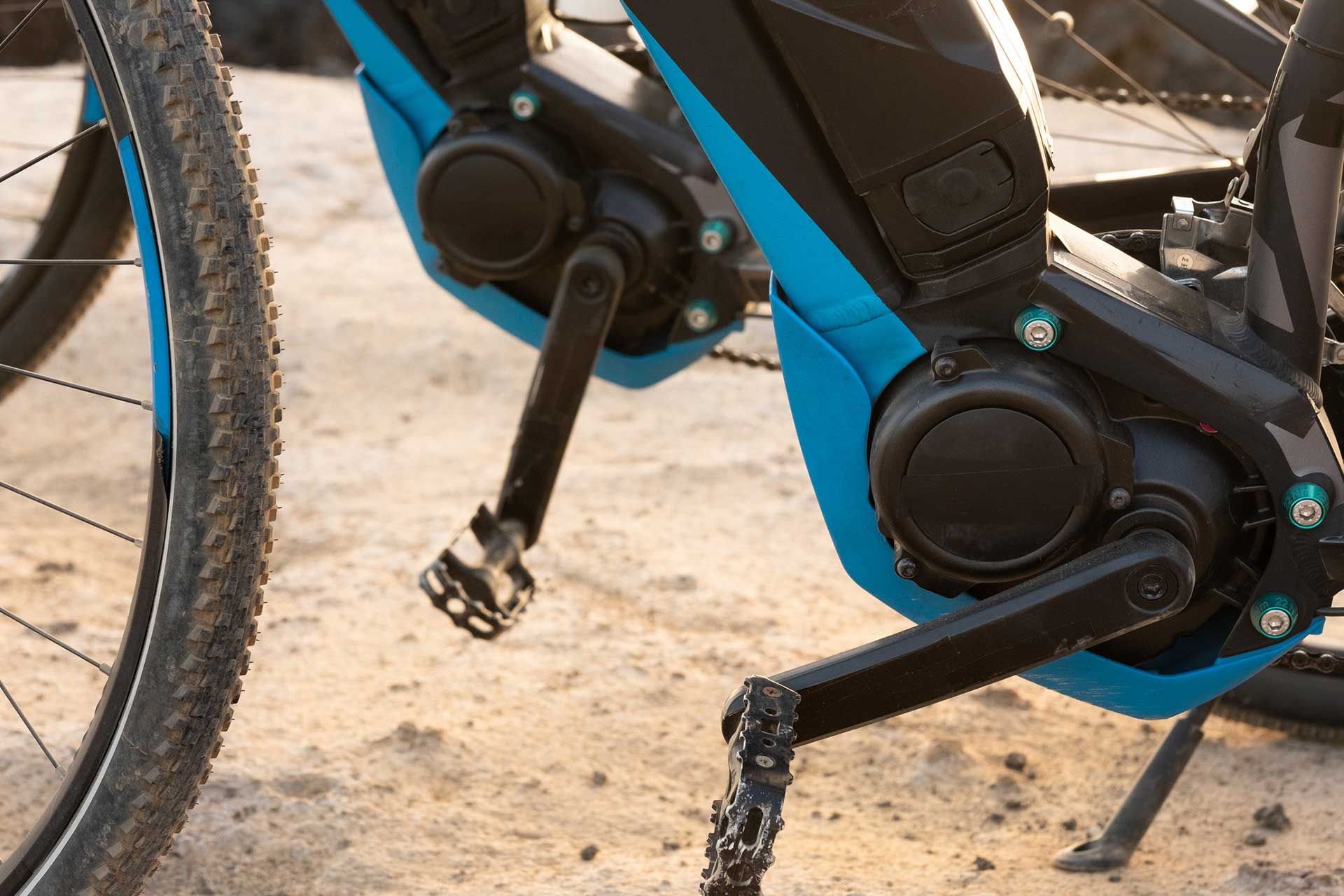
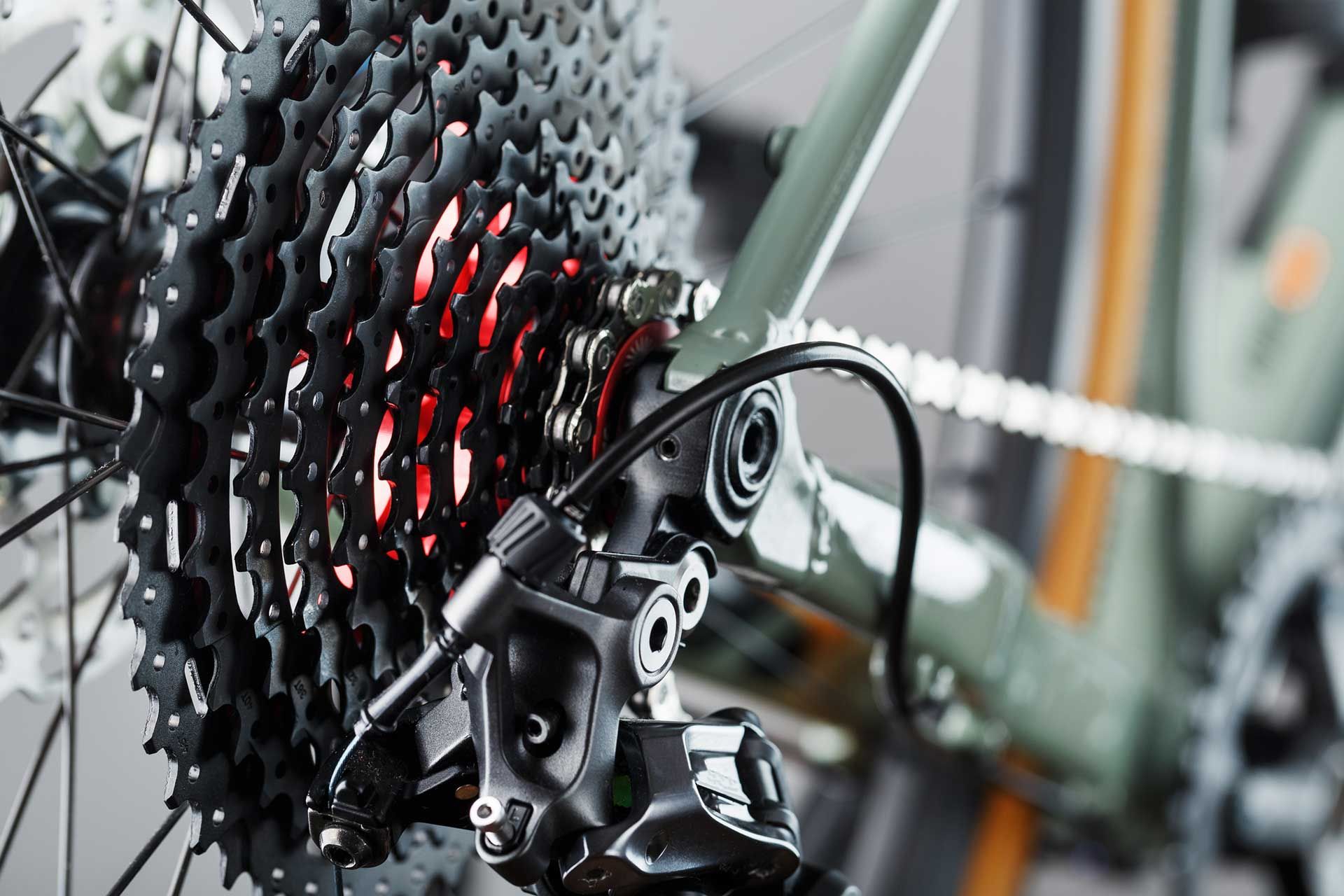
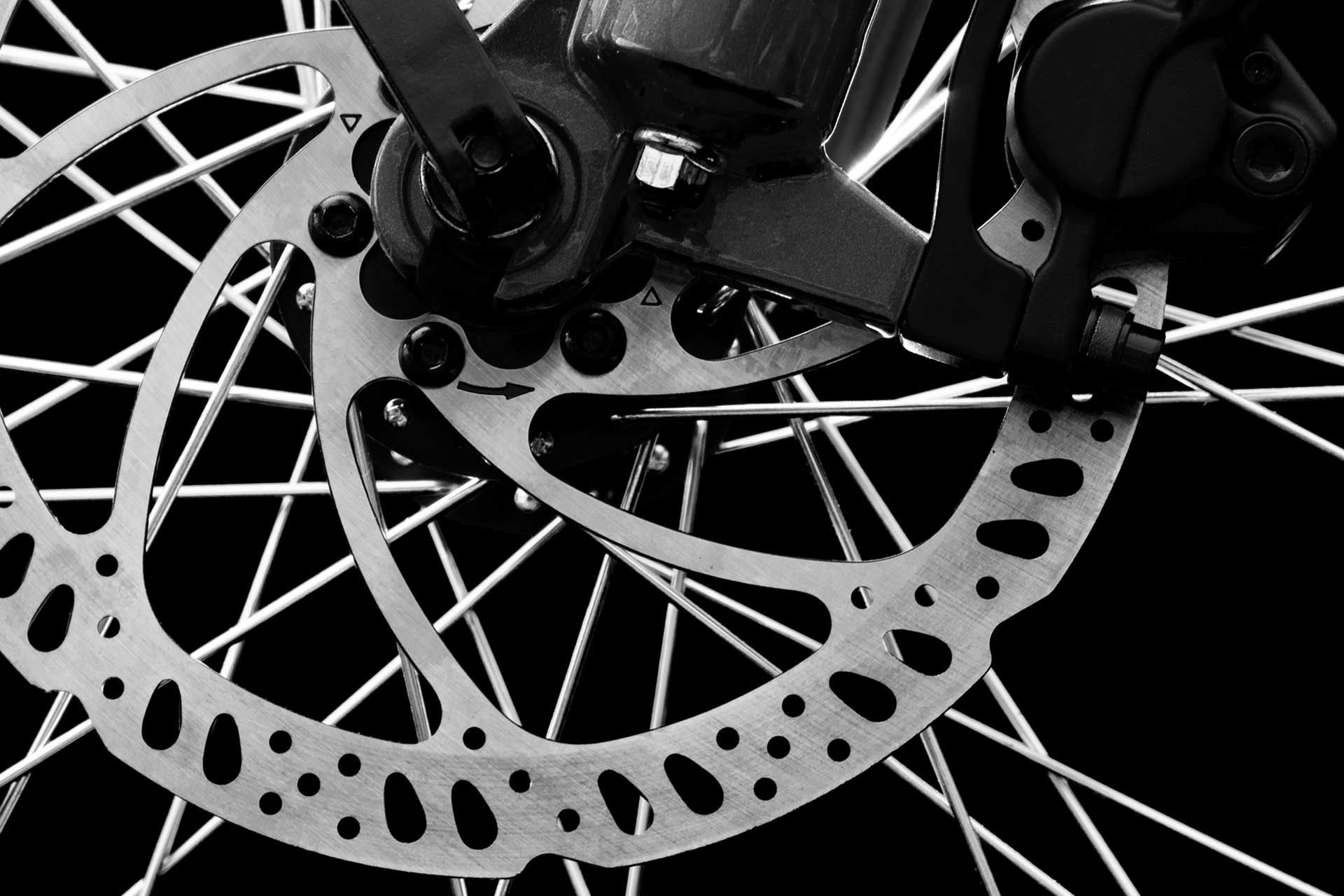
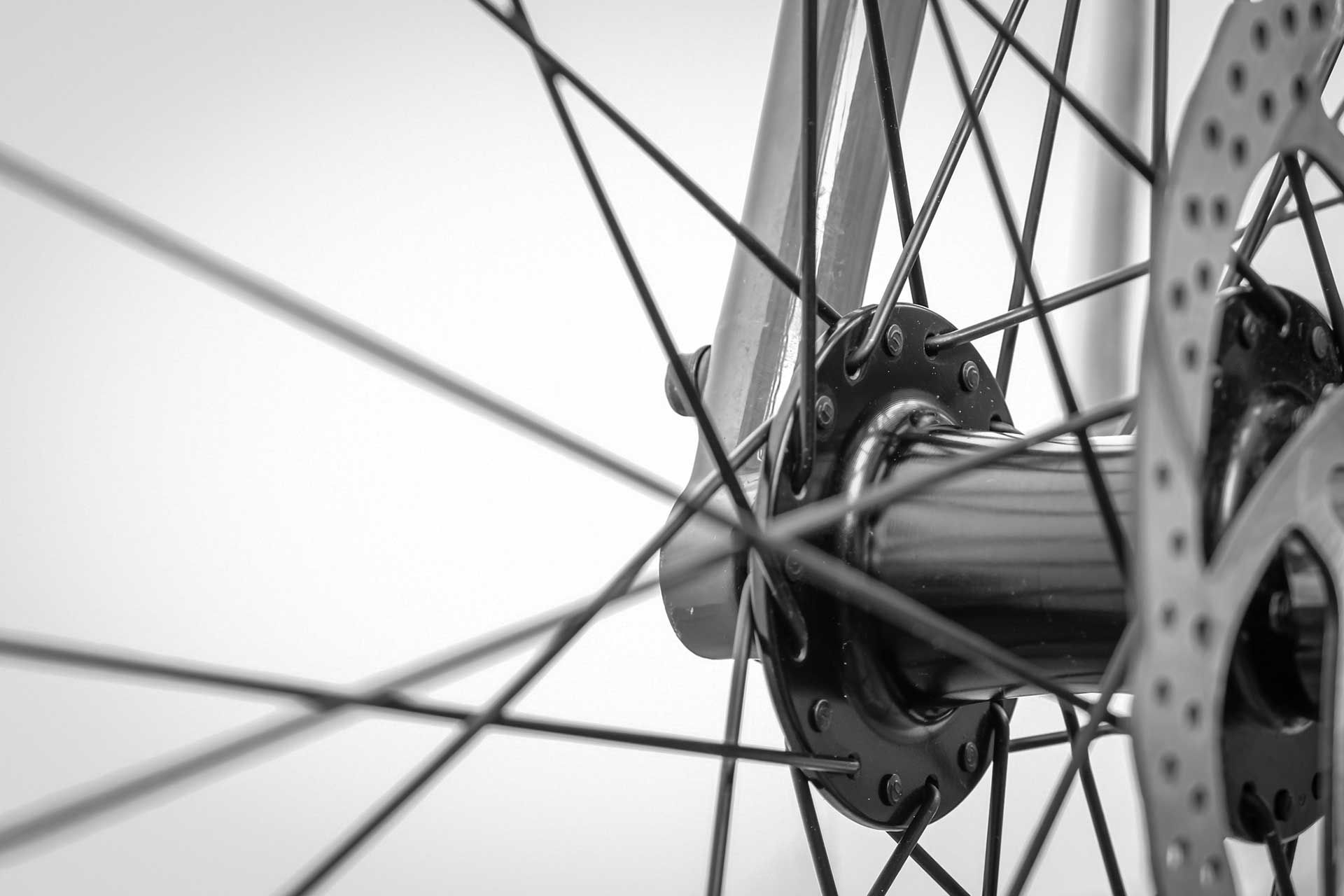
Applications for Bike and eBike


Get the most out of our expertise
Our engineers work alongside our customers to find the best solution for them, applying scientific methods and knowledge accumulated over almost 50 years.
Frequently Asked Questions
Can a wave spring replace a compression spring?
Yes. In most assemblies a wave spring delivers the same load as a compression spring in up to 50% less axial height, which frees space and reduces weight. Our engineers confirm spring rate, work height, and load before recommending the swap, and we run cost-down programs built specifically around this replacement.
What is the main advantage of a wave spring over a compression spring?
A wave spring delivers the same spring force in roughly half the installation height of a comparable compression spring. This makes wave springs the first choice when axial space is limited, common in compact transmissions, brake calipers, motor assemblies, and EV battery cell retention systems.
What is the difference between single-turn, multi-turn, and nested wave springs?
Single-turn springs suit low-profile, lower-load needs. Multi-turn springs give a more linear rate over greater deflection. Nested springs stack layers to carry higher loads in the same diameter. We recommend the design that matches your load, deflection, and space.
Can RPK Group manufacture both right-hand and left-hand wound wave springs?
Yes. RPK Group is the only manufacturer in the world capable of producing both right- and left-hand-wound wave springs. This is essential for contra-wound assemblies used in high-precision actuators or gearboxes.
What materials are available for wave springs?
RPK Group manufactures wave springs in carbon steel, stainless steel, Inconel, Elgiloy, Hastelloy, chrome silicon, and copper beryllium (CuBe). CuBe wave springs combine spring force with electrical conductivity, making them suitable for battery-contact applications, grounding systems, and sensitive electronic assemblies. We select the alloy to match temperature, corrosion, fatigue, and conductivity requirements.
What is the smallest wave spring RPK Group can manufacture?
RPK Group produces microwave springs starting at 0.10 mm wire thickness and 0.4 mm strip width. These micro-scale components serve medical devices, drug delivery systems, wearable technology, and miniaturized electronic connectors.
Are your wave springs suitable for automotive powertrain applications?
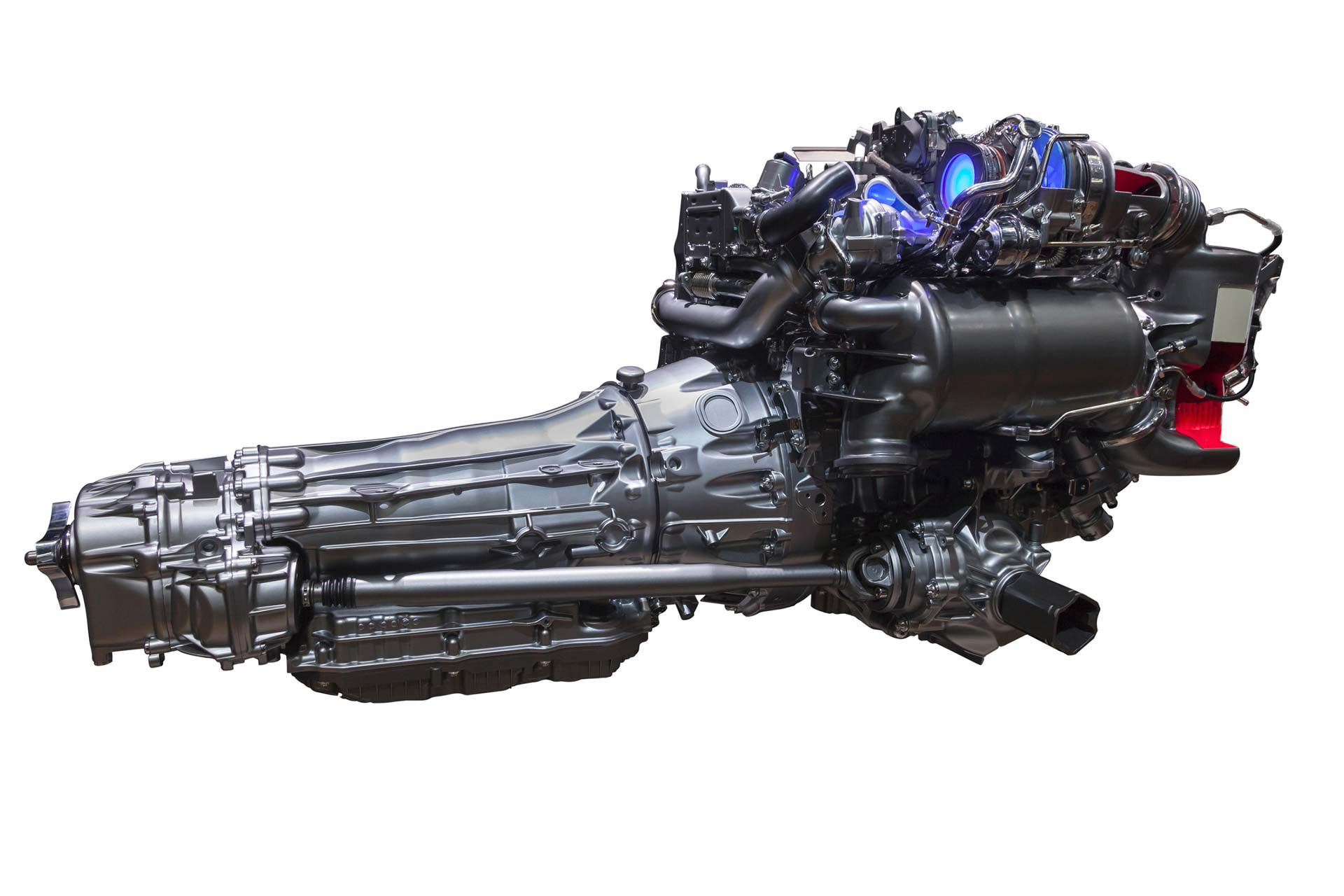
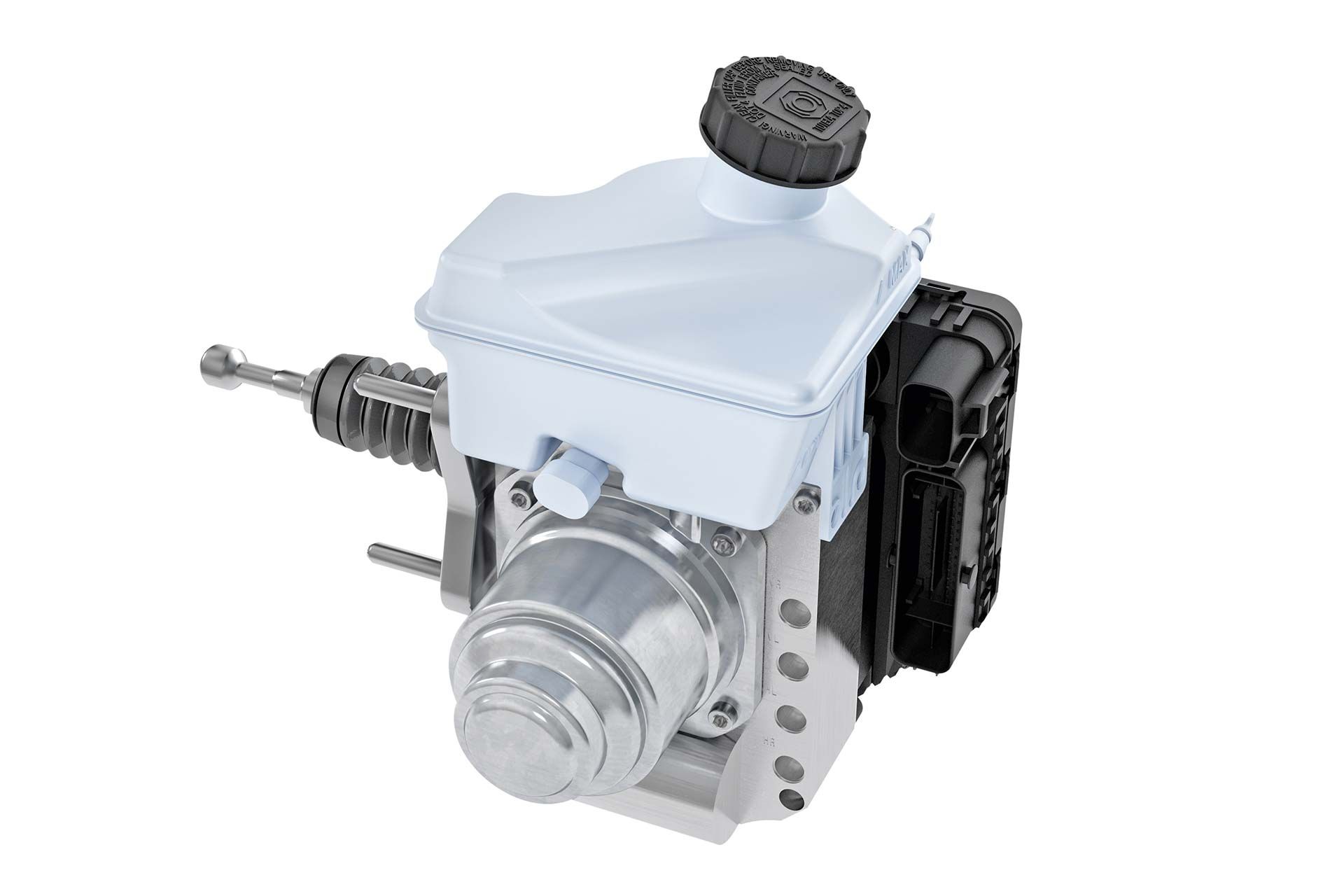
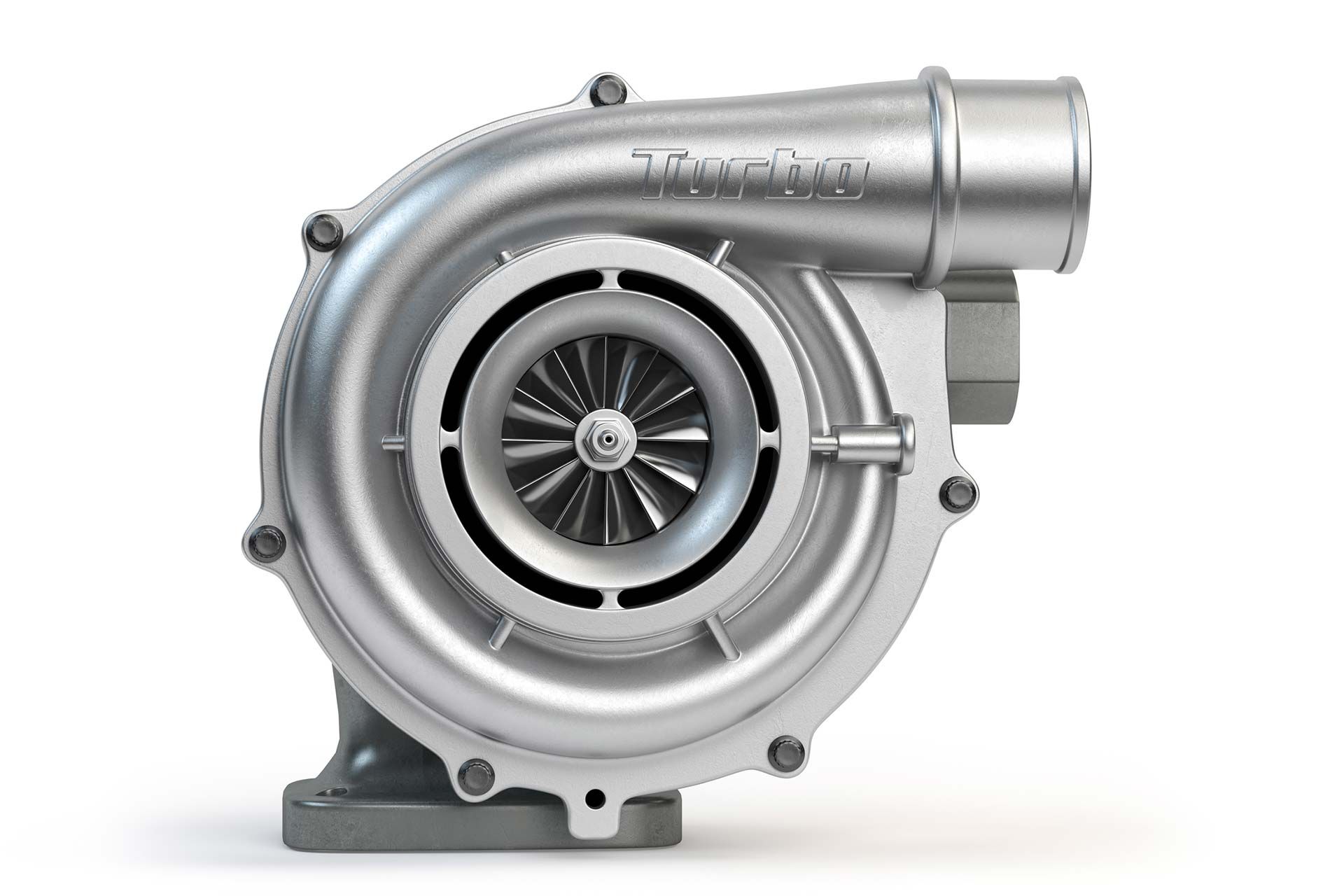
Yes. RPK Group supplies wave springs for powertrain components, including turbochargers, automatic transmissions, brake systems, and steering assemblies. All automotive components are manufactured in accordance with IATF 16949 quality management requirements.
Can wave springs replace compression springs in EV battery packs?
Wave springs are used in EV battery retention systems, thermal management assemblies, and power connector preloading. Their compact profile reduces pack height, and materials like stainless steel and Inconel handle the thermal cycling and vibration profile of EV battery environments.
Do you offer wave springs for medical devices?
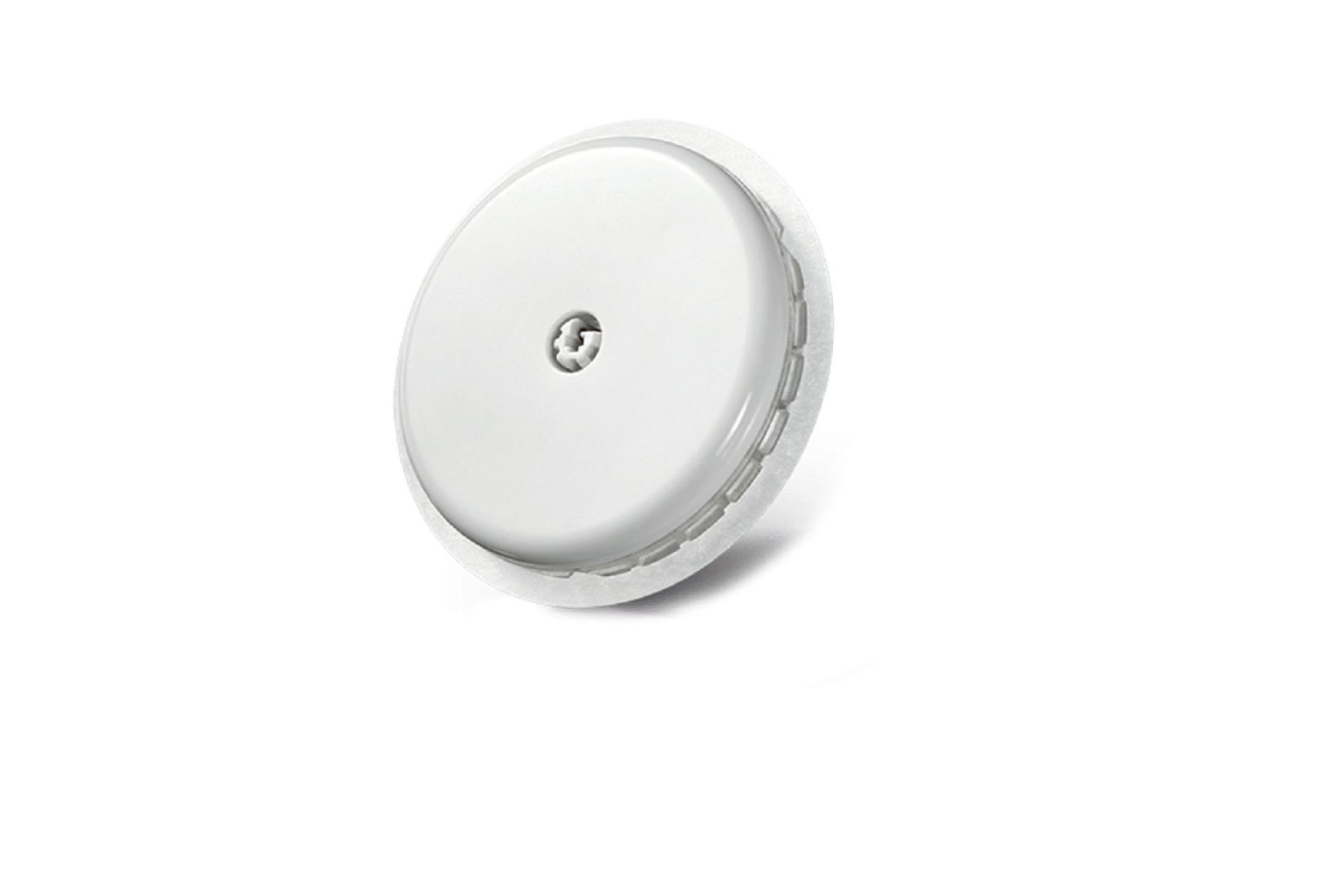
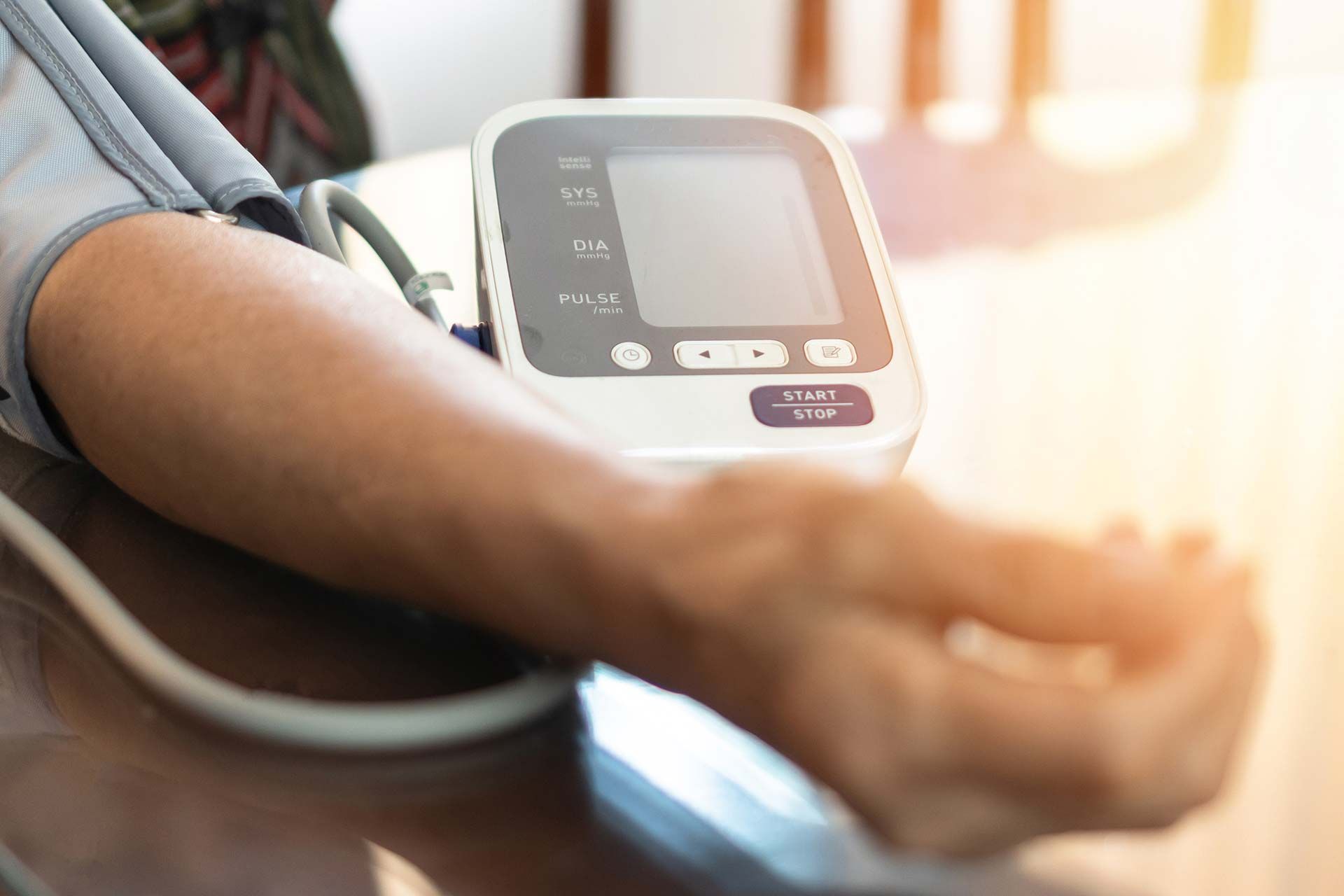
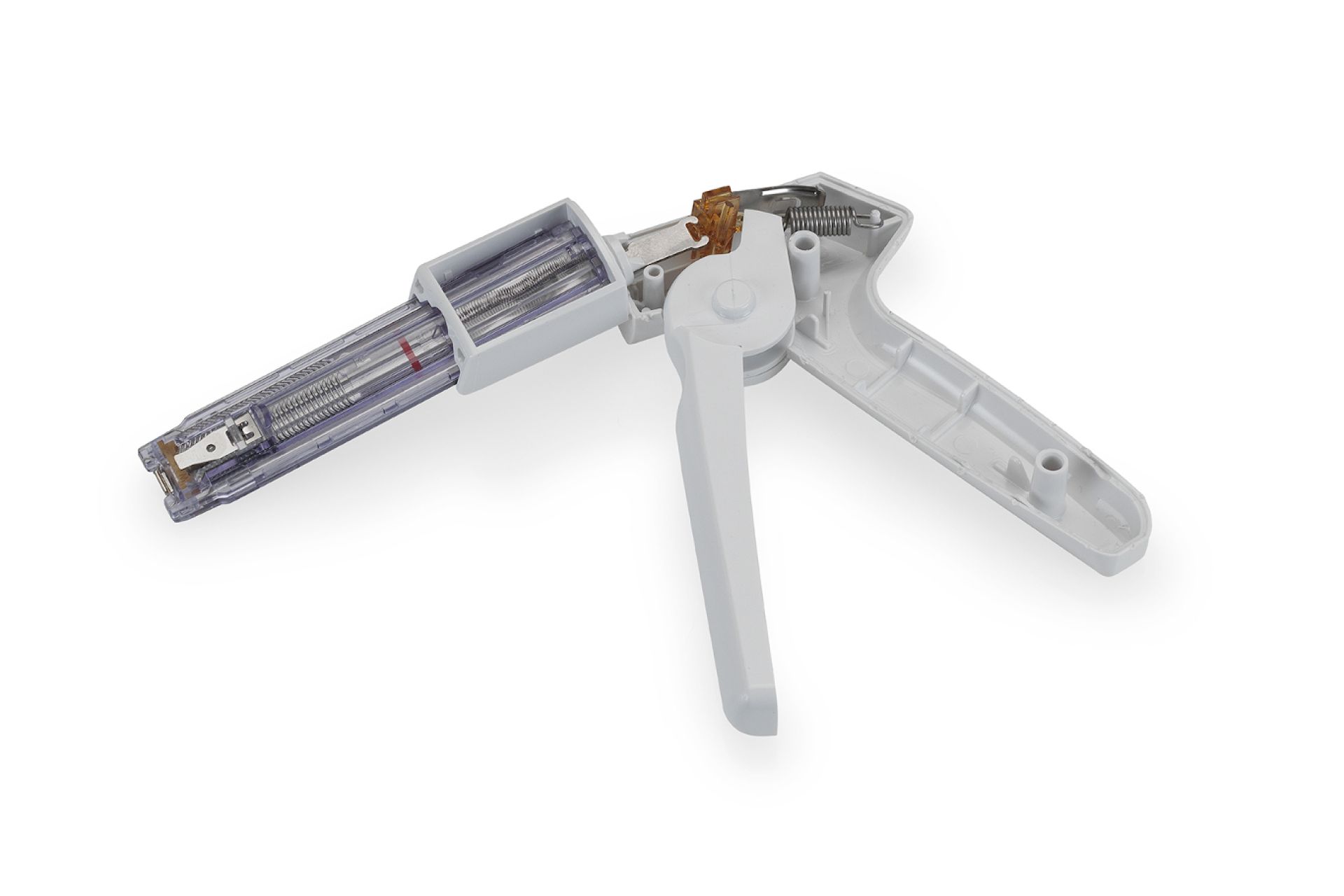
RPK Group manufactures wave springs for drug delivery devices, surgical instruments, and diagnostic equipment. Medical wave springs are produced in clean room conditions and comply with ISO 13485 quality requirements. Materials include stainless steel, Elgiloy, and other biocompatible alloys.
What quality processes apply to wave spring manufacturing?
RPK Group applies 100% unitary inspection to critical components, shot peening for fatigue life improvement, and passivation for corrosion resistance. The manufacturing process includes hot and cold presetting to ensure dimensional stability throughout the spring's full service life.
What is the lead time for a custom wave spring?
Lead time depends on complexity, material, and volume. Contact our engineering team for a project-specific timeline. RPK Group supports rapid prototyping through its Technological Center and can scale from prototype to full production volume from any of its global manufacturing locations.
Can wave springs be used in oil & gas or high-temperature environments?
Yes. Wave springs manufactured in Inconel 718 or Inconel X-750 maintain their mechanical properties at sustained temperatures above 600°C and resist the corrosive media encountered in downhole and subsea equipment. Hastelloy provides additional resistance to chloride-rich and acid environments.
Related news
Load more news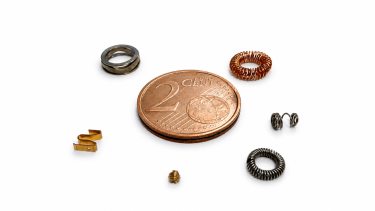
Micro Springs: Precision force in the age of miniaturization
RPK Group designs and manufactures custom micro springs engineered around your device to deliver reliable force in the smallest spaces, not pulled from a catalog.
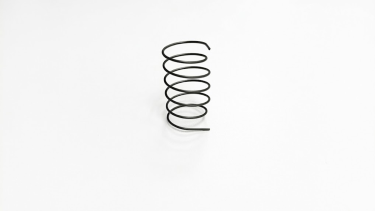
Inconel Springs: Custom precision manufacturing for extreme environments
RPK Group engineers Inconel springs that perform where standard materials fail, across automotive, medical, e-mobility, oil & gas, and industrial applications worldwide.
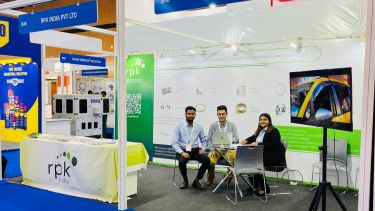
RPK Group Showcases High-Value Automotive Solutions at Auto Components Show 2025 India
Visit us at Booth #B48 in Chennai to explore advanced springs and metal-formed components for powertrain, brakes, chassis, eMobility, and more