Bus bar
High-performance power distribution
Busbars and flexible/laminated busbars for eMobility systems, electric contacts and robotics
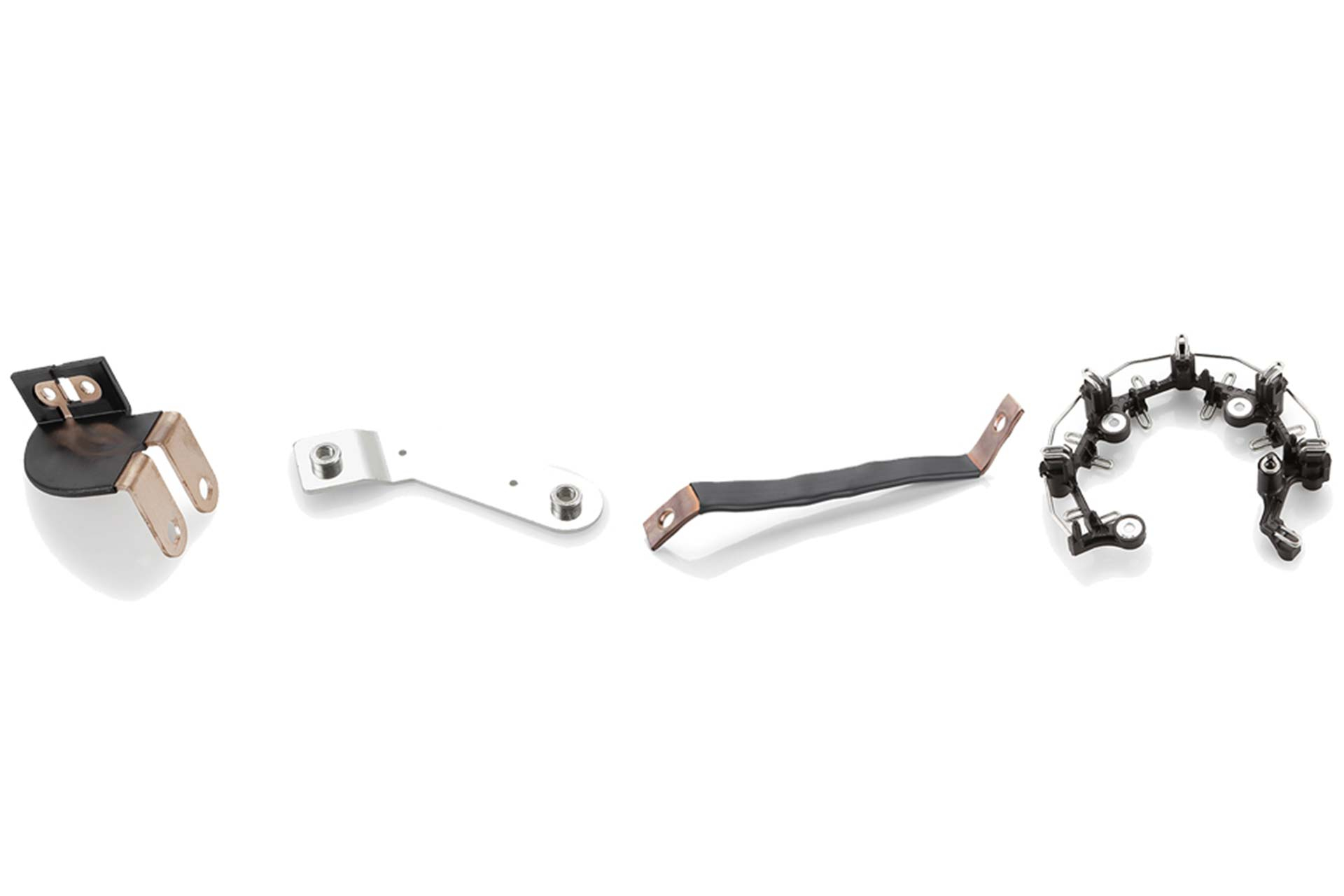
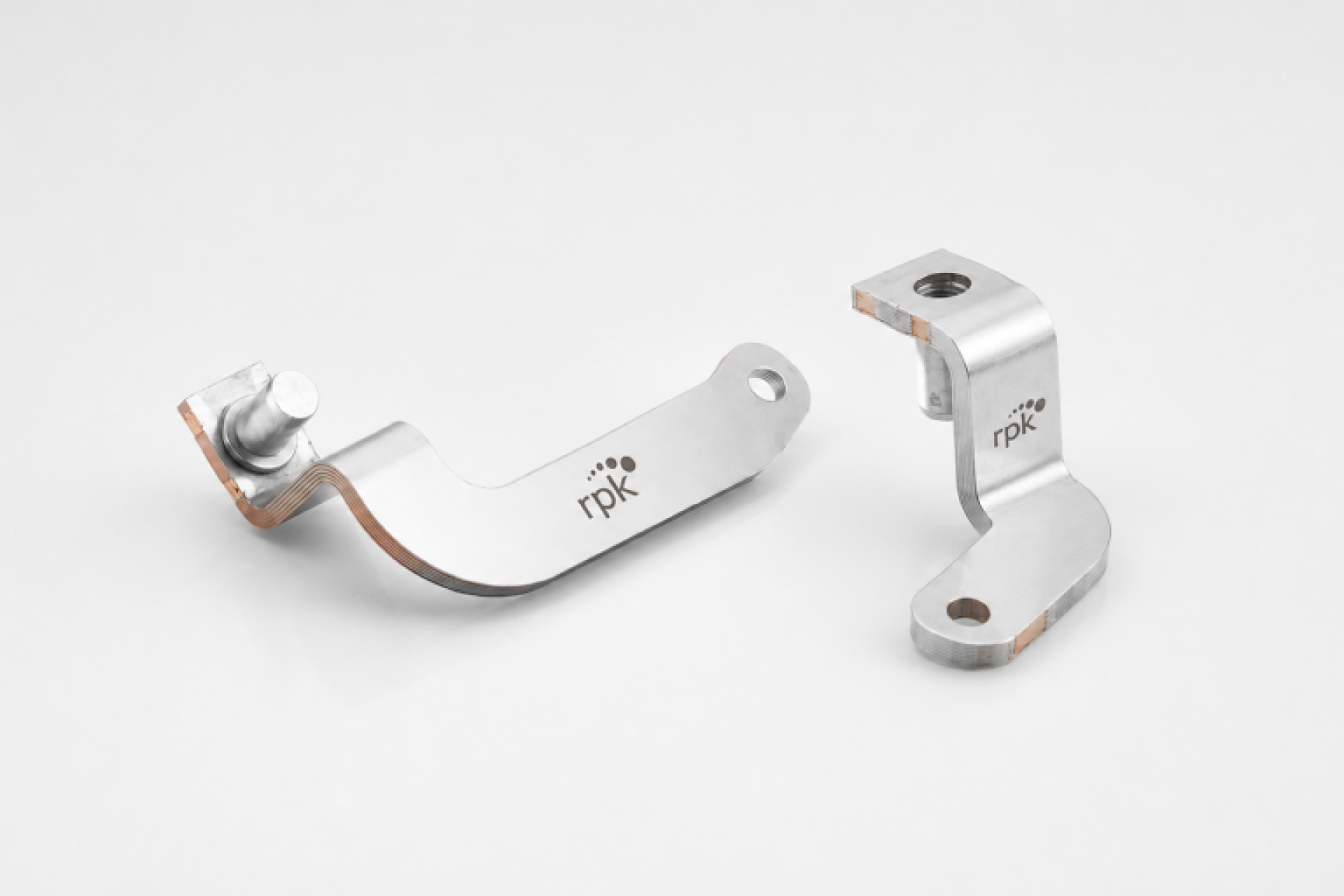
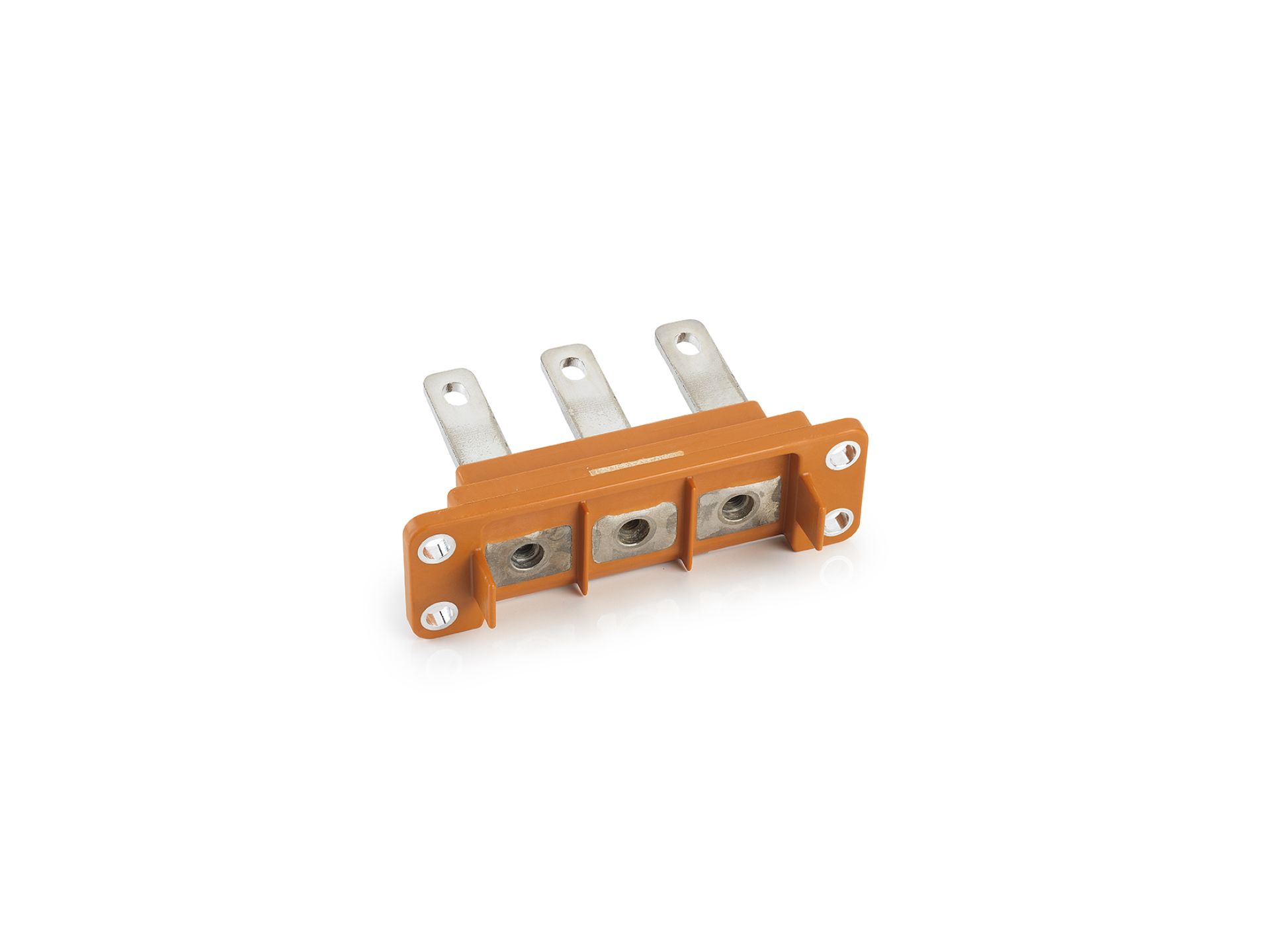
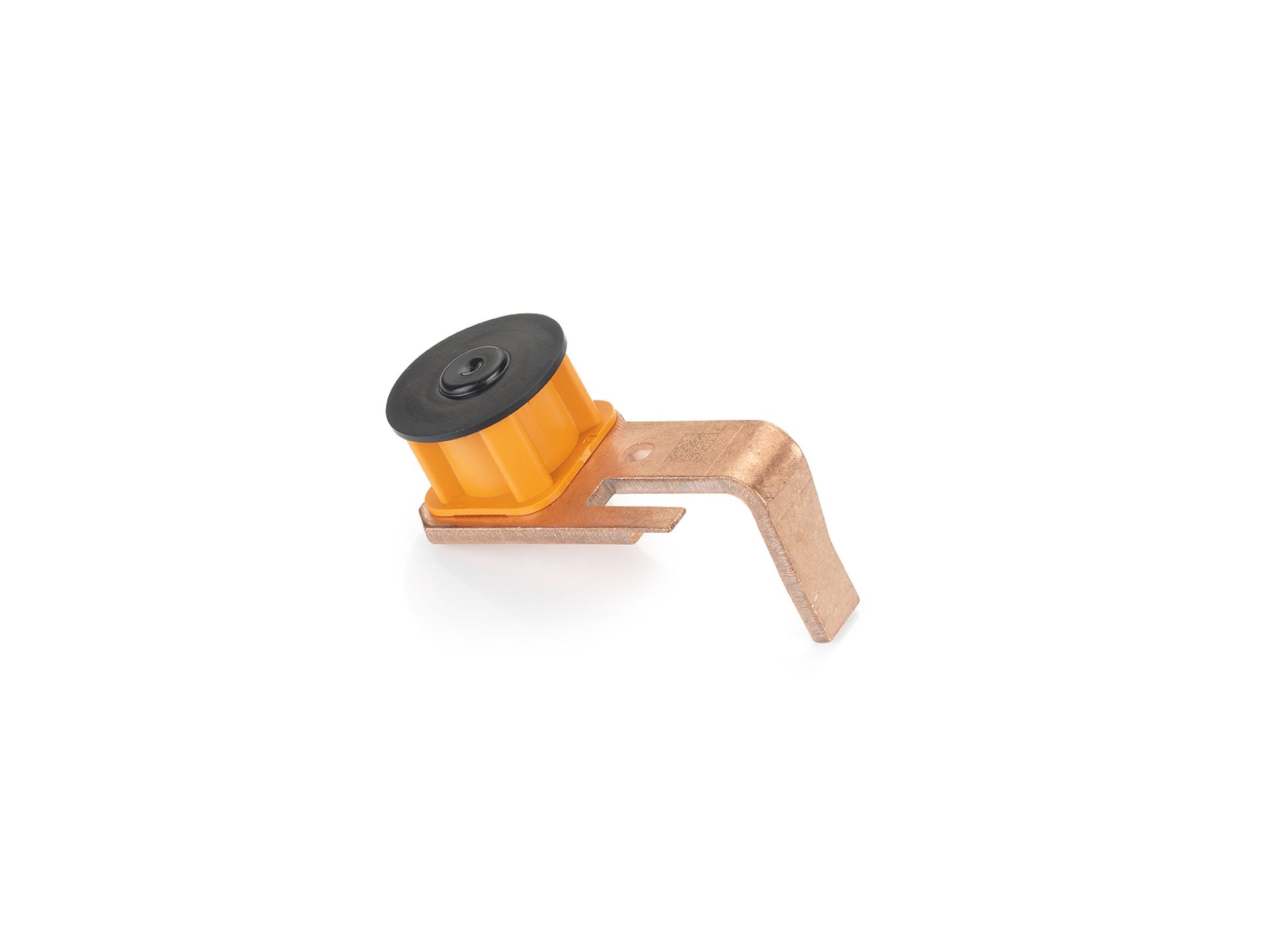
RPK Group designs custom busbars using precision stamping, multi-axis bending, and CNC multi-slide forming to fit the continuous power connections required in today’s tight, high-performance systems. We build rigid and flexible/laminated busbars in copper and aluminum, with tin, silver, or nickel plating selected for your joint and environment. Material thickness, surface cleanliness, and plating thickness all drive performance, and we control each one to hold low connection resistance and reliable conductivity, even under vibration, a frequent failure point for cable harnesses in e-mobility and battery systems.
Advantages and benefits of bus bars
- 01Different manufacturing technologies to meet your requirements: precision stamping, bending or CNC Multi-Slide forming
- 02Reliable under vibration, controlled material thickness, surface, welding and plating for consistent power connections
- 03Our RPK Technological Center is equipped with the latest control equipment to test the requirements
Types of Bus bar
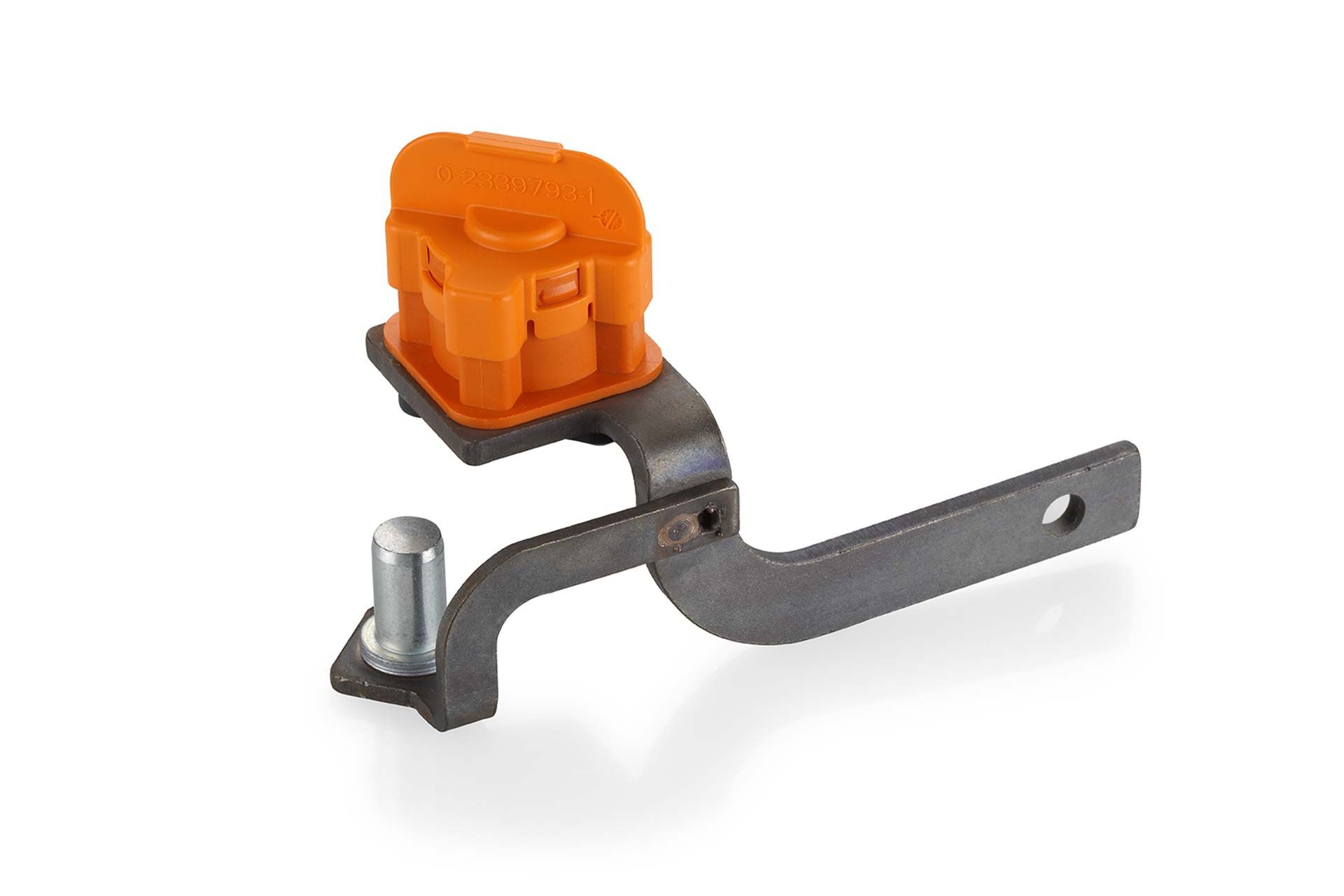
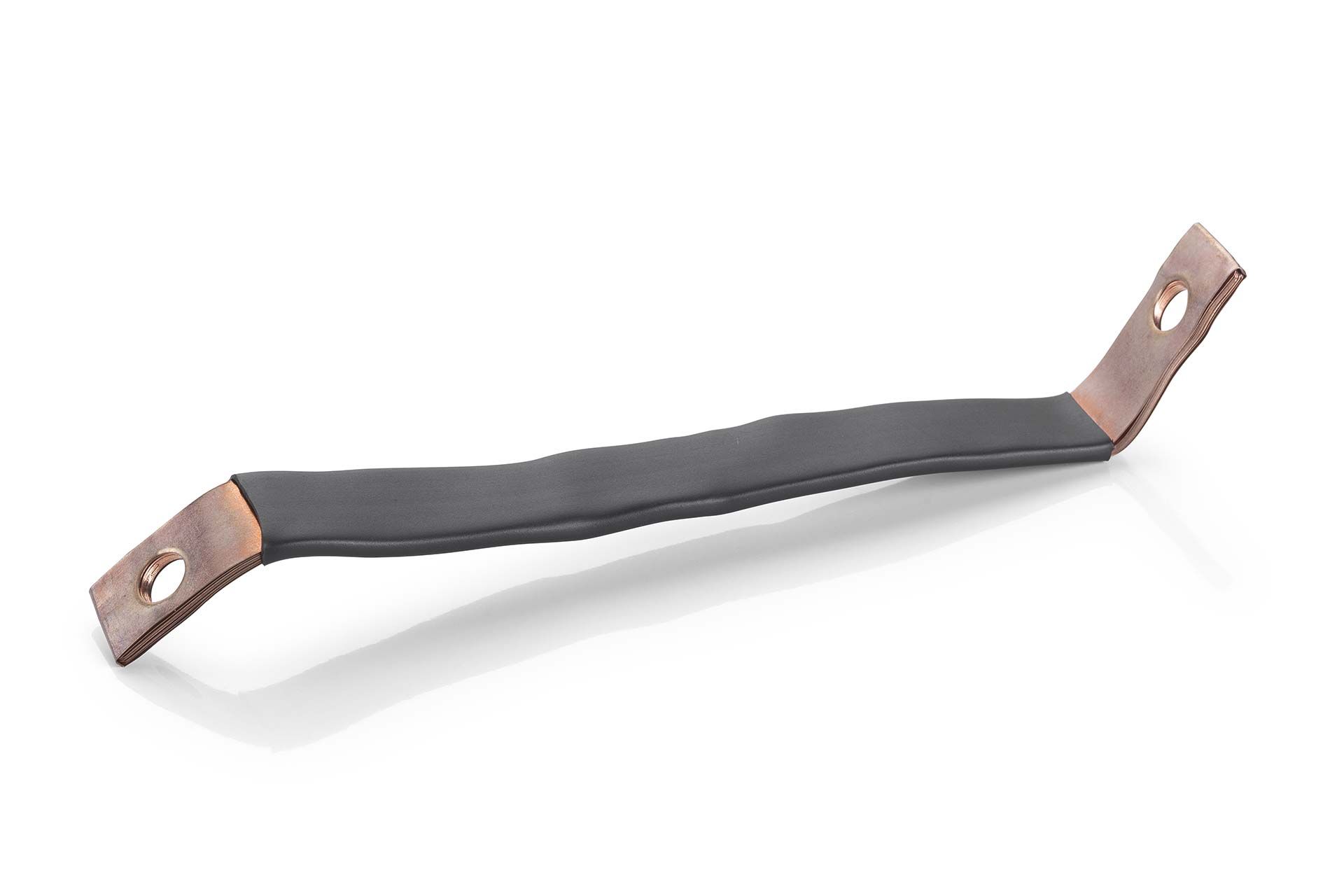
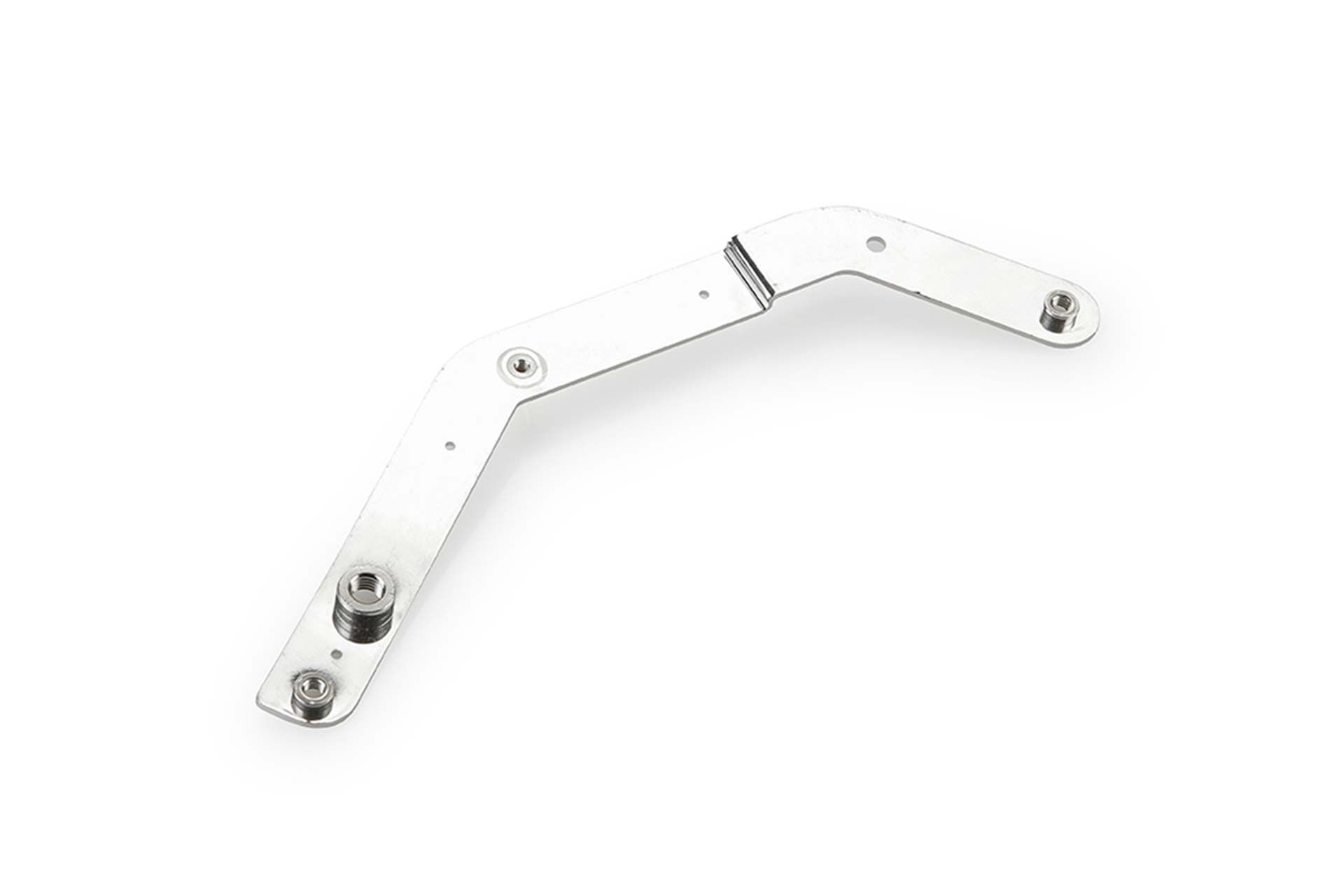
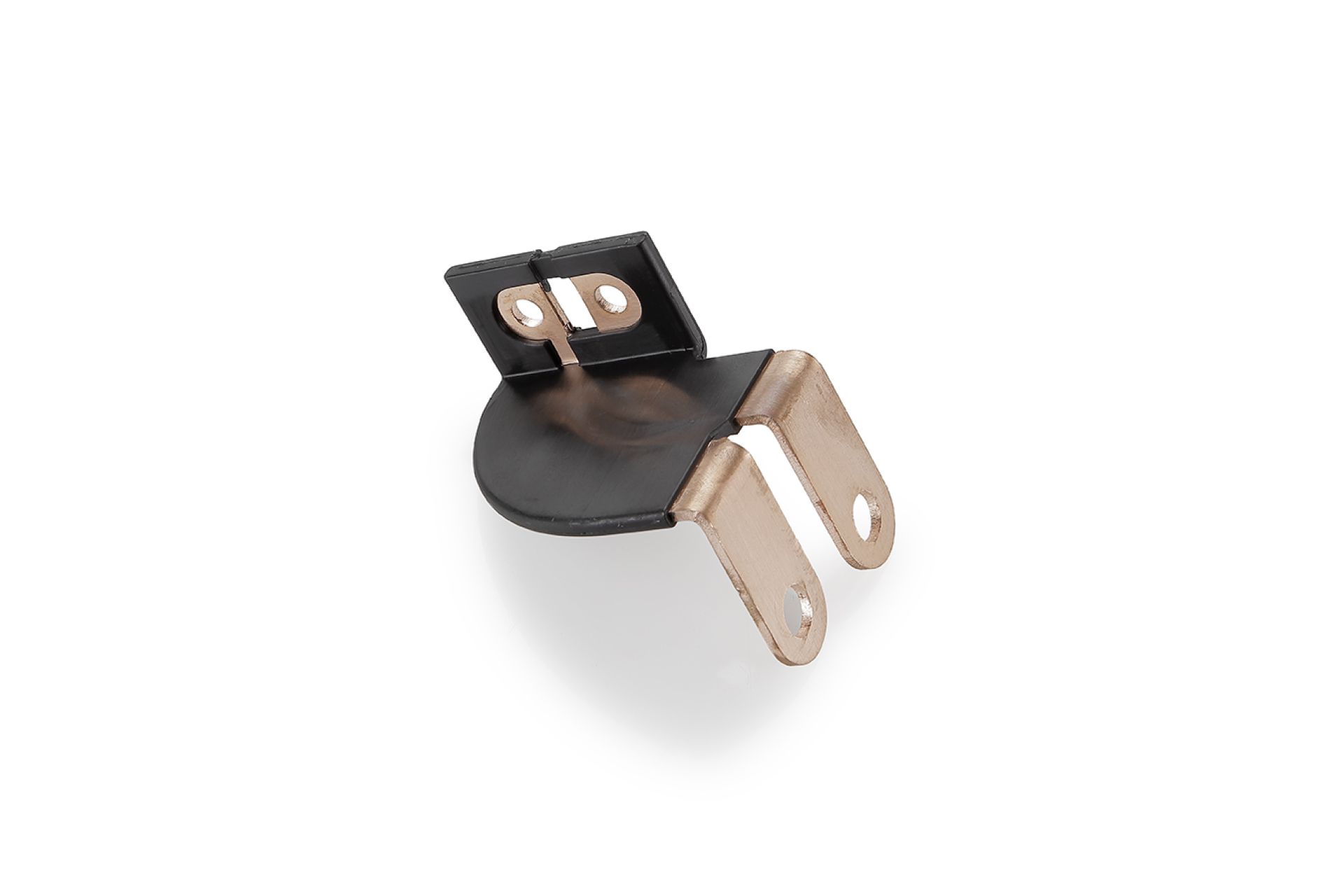
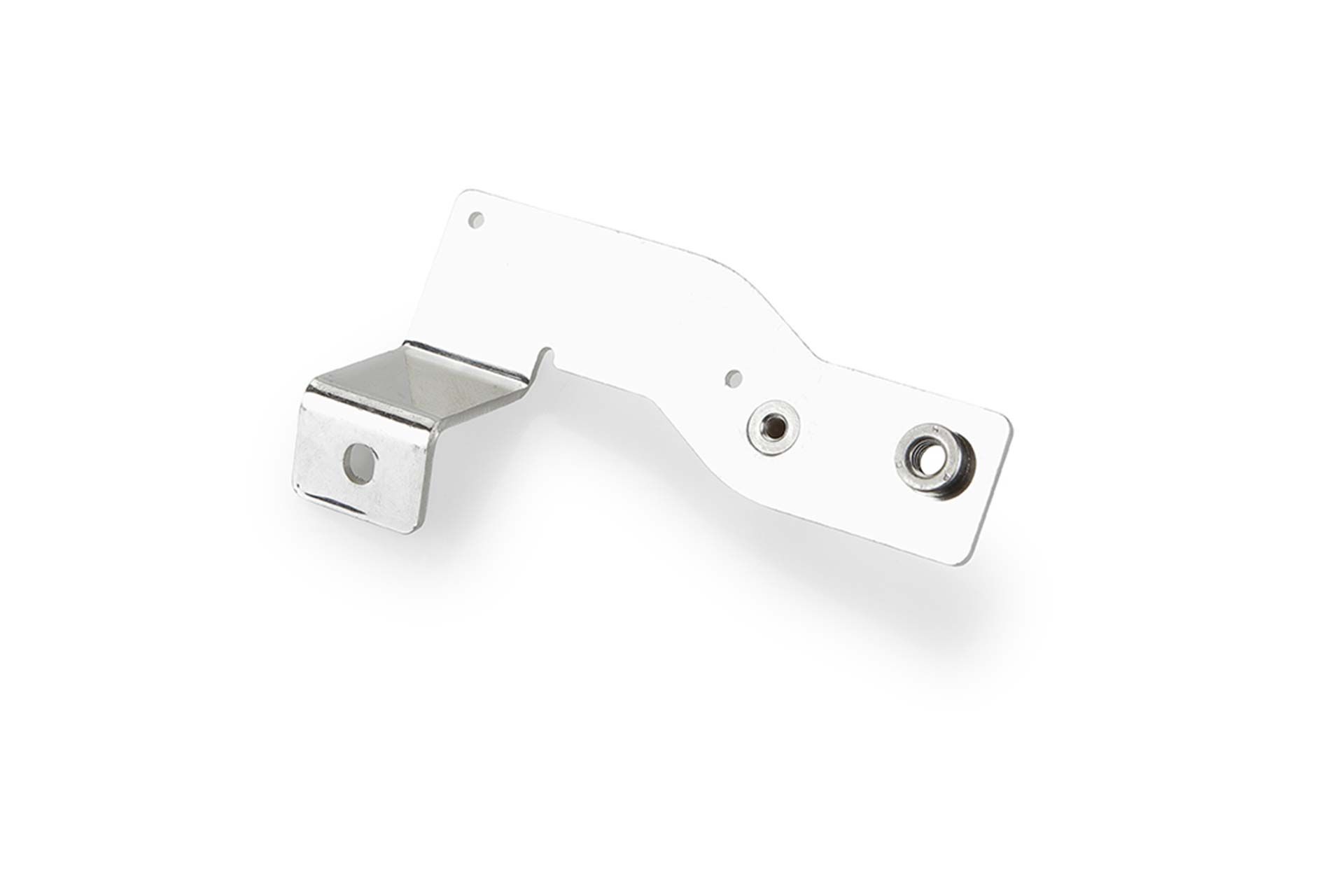
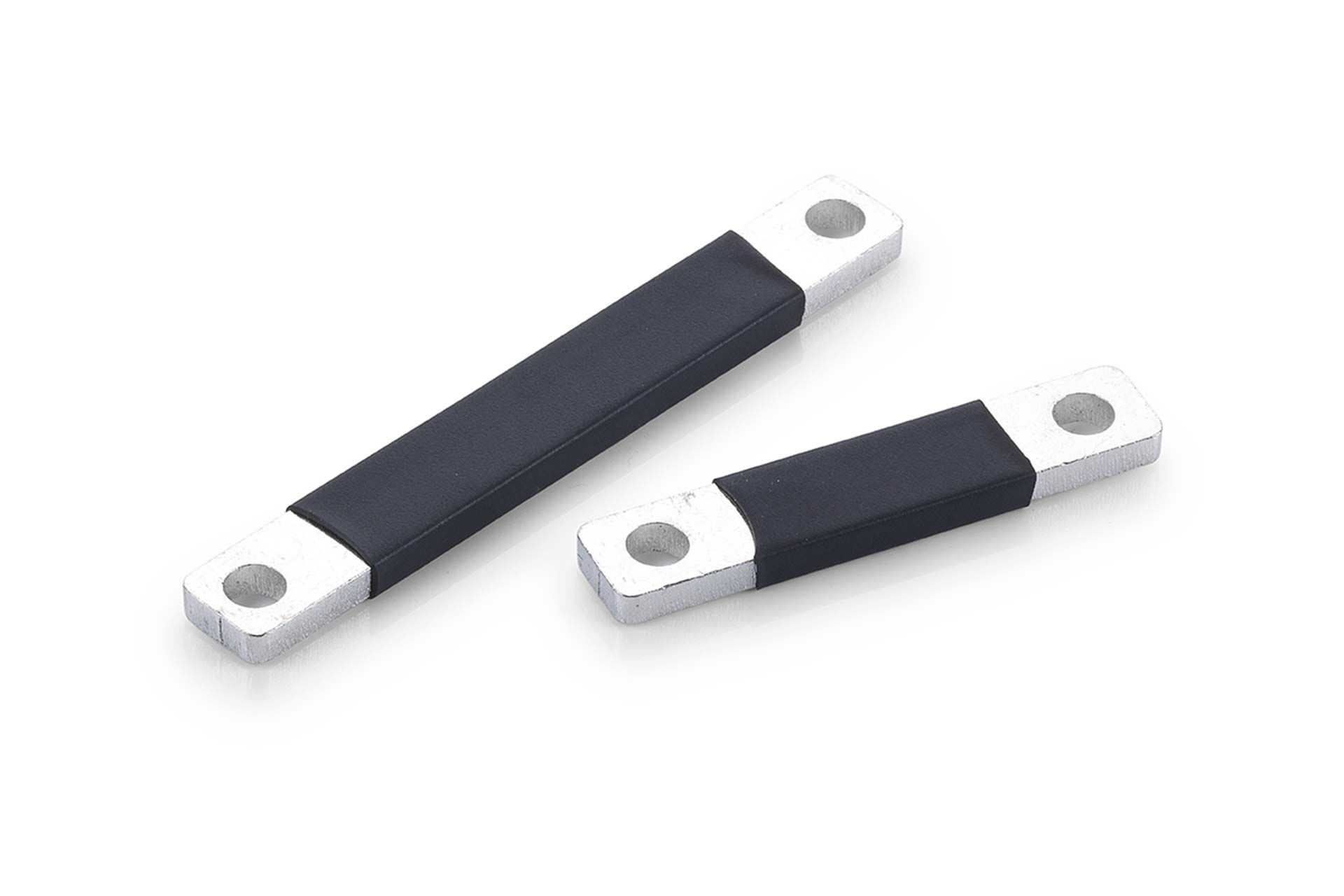
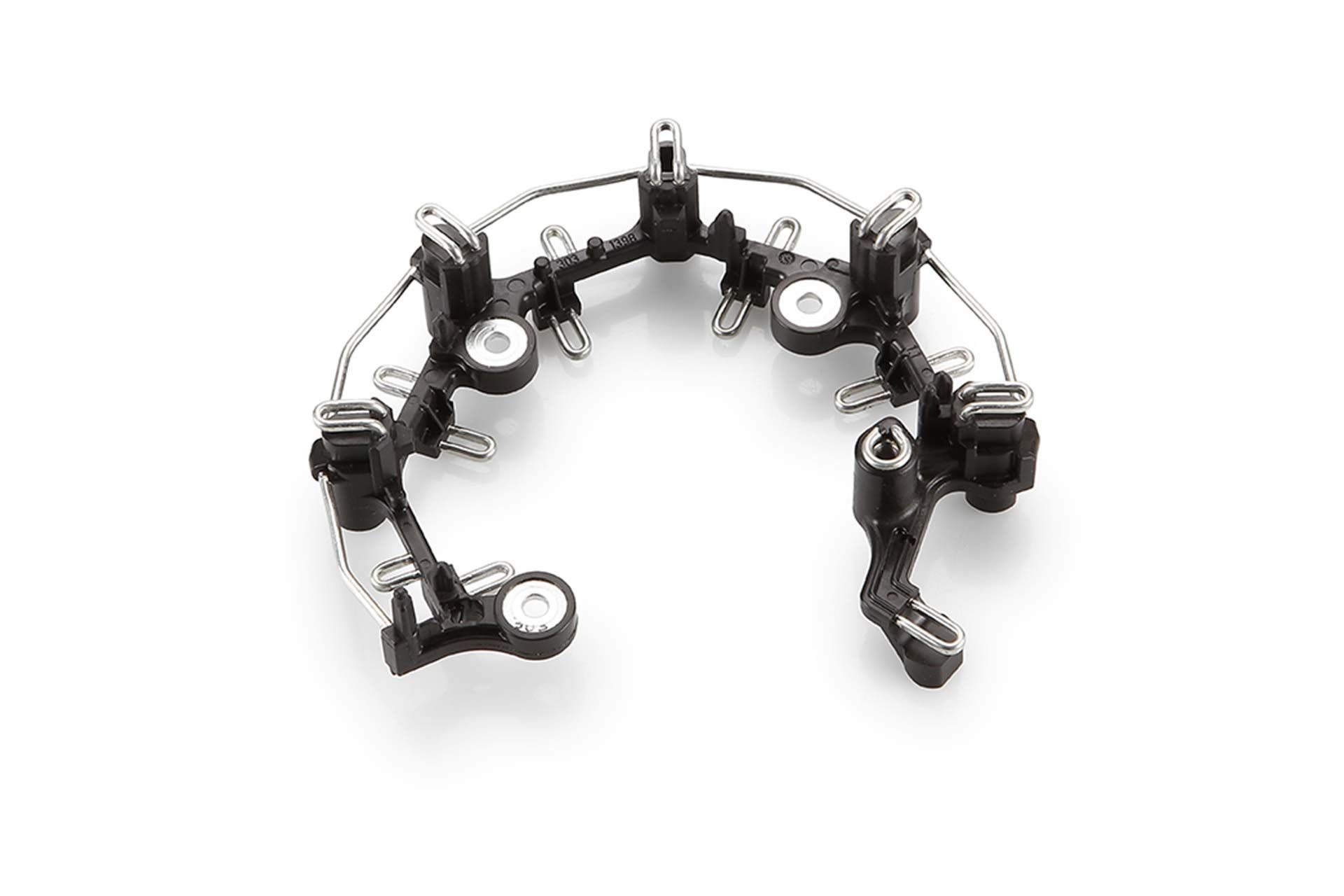
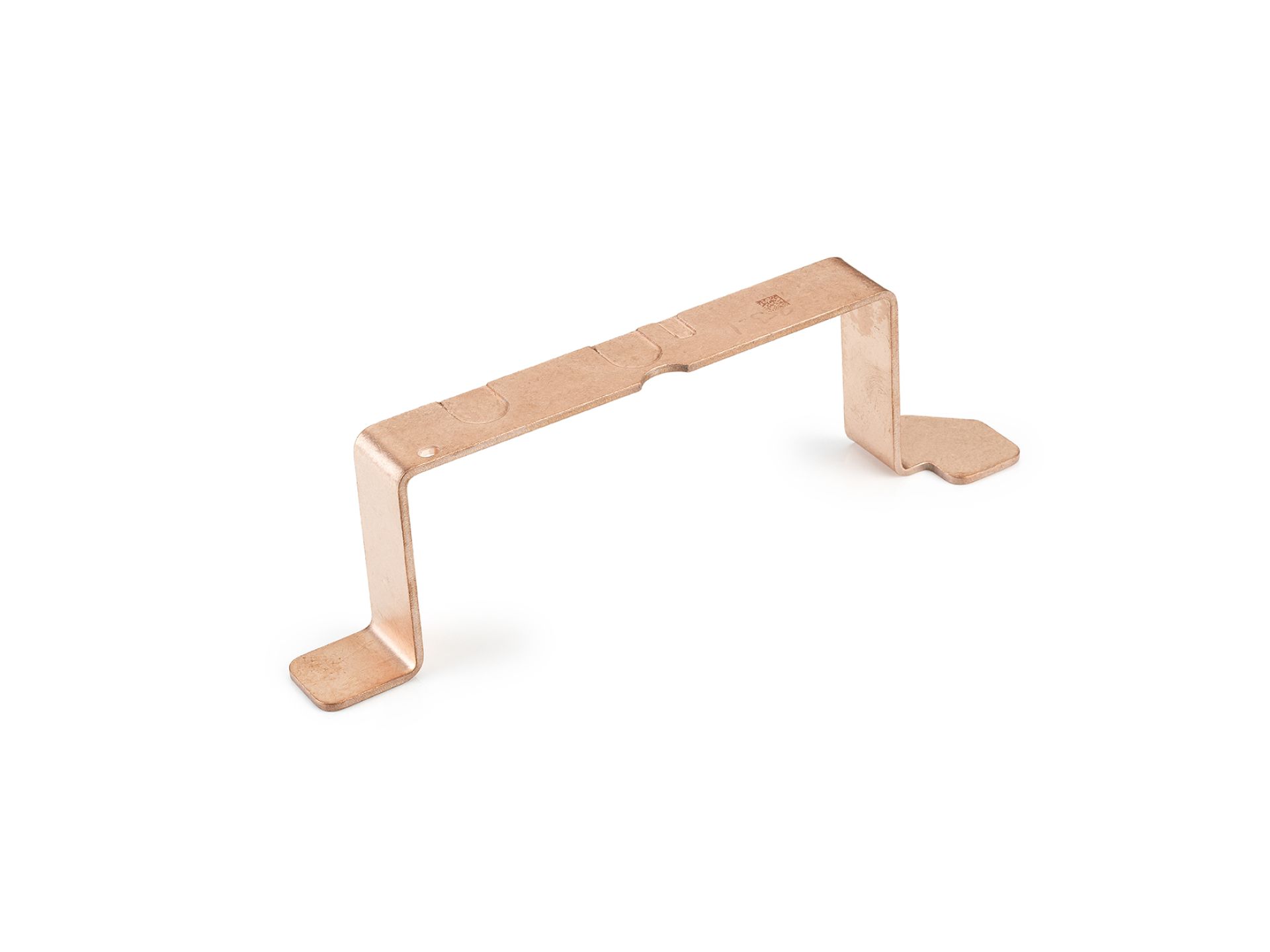
Materials
The choice of the right material, surface treatment and coating are critical for the final quality and safety of the product. From stainless steels to the most specific materials bought in from the best suppliers.
- Carbon steel
- Stainless steel
- Inconel
- Elgiloy
- Hastelloy
- Chrome silicon
- Aluminum
- Copper
- Bronze
- Other materials according to your special requirements
Industries / Applications



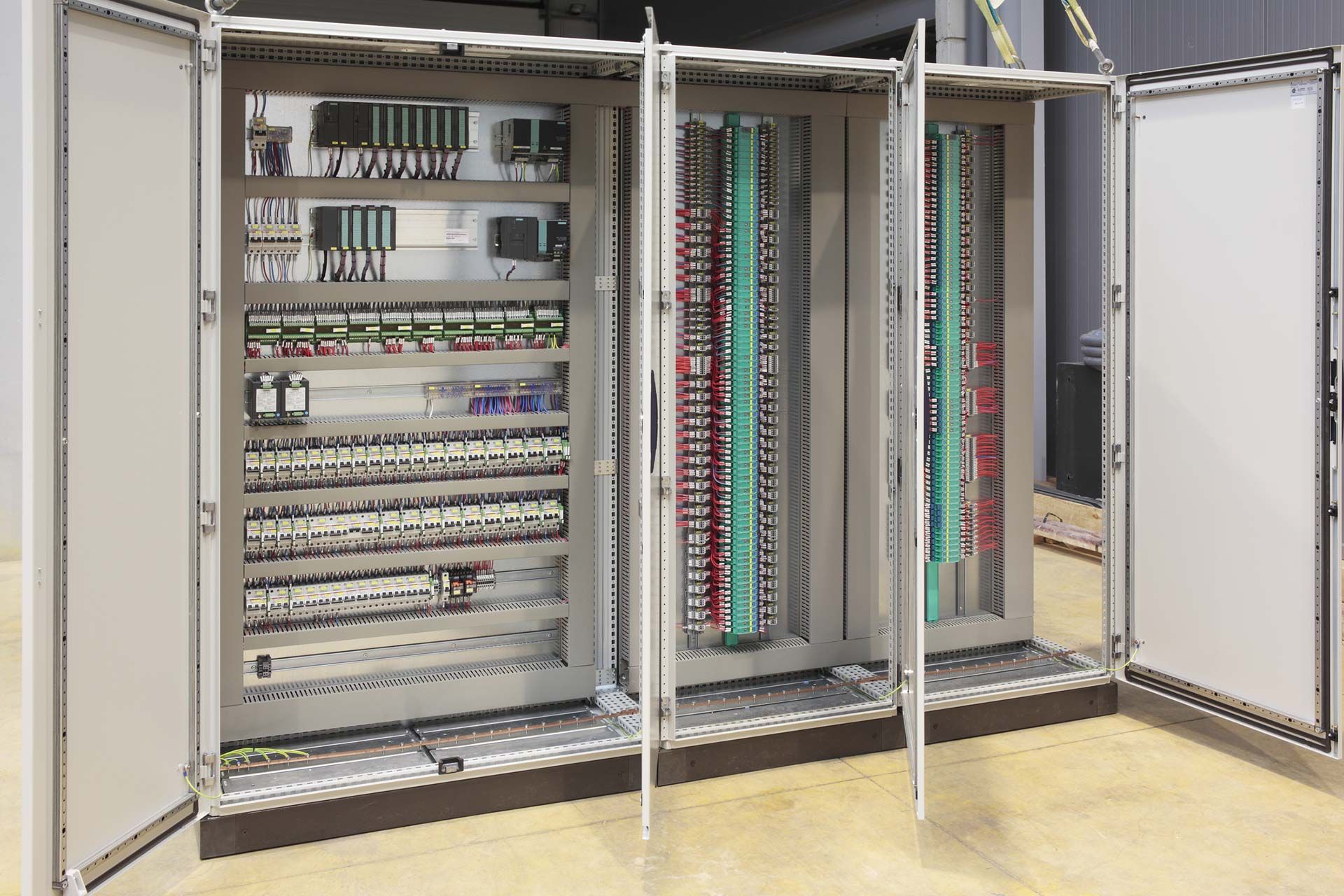
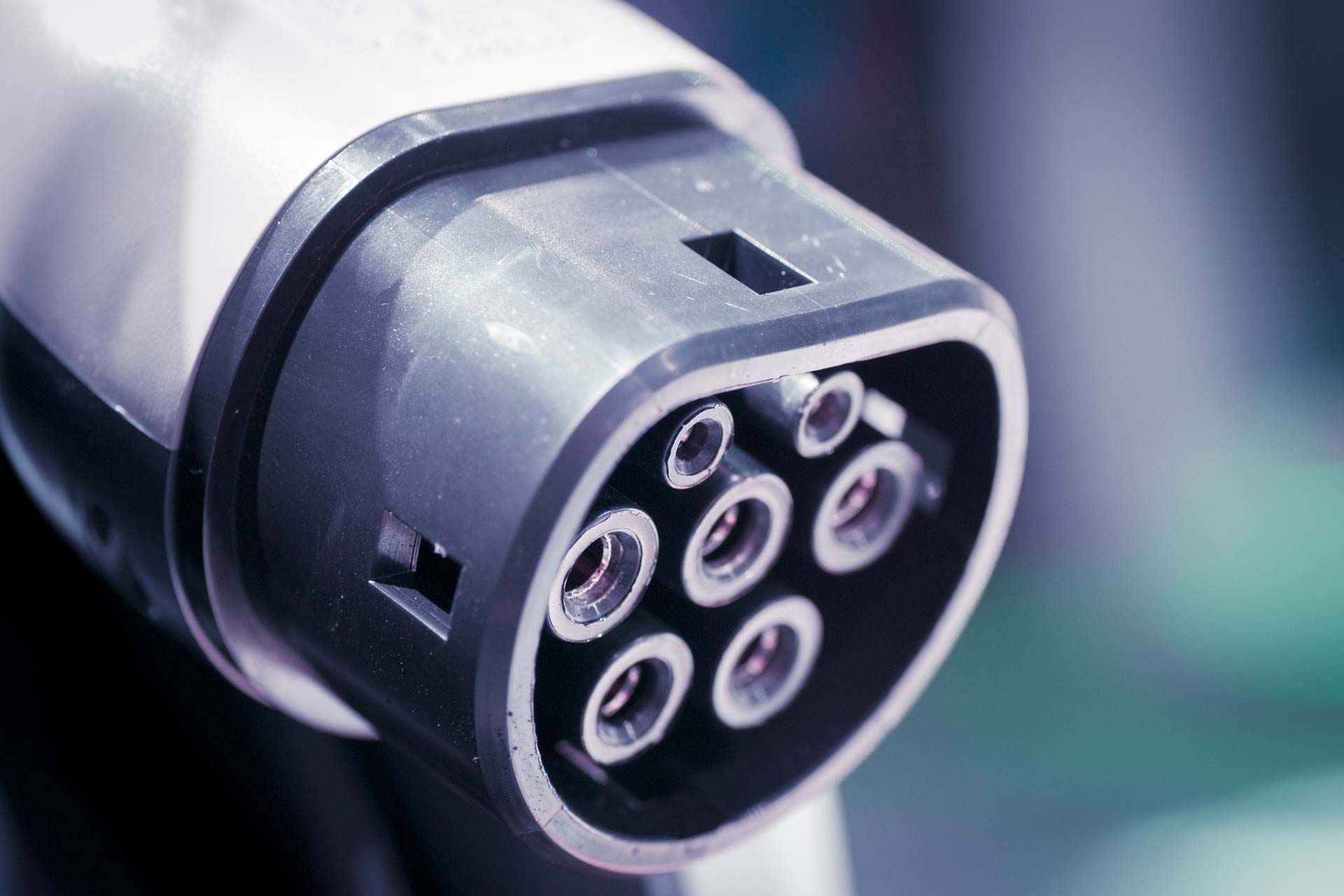
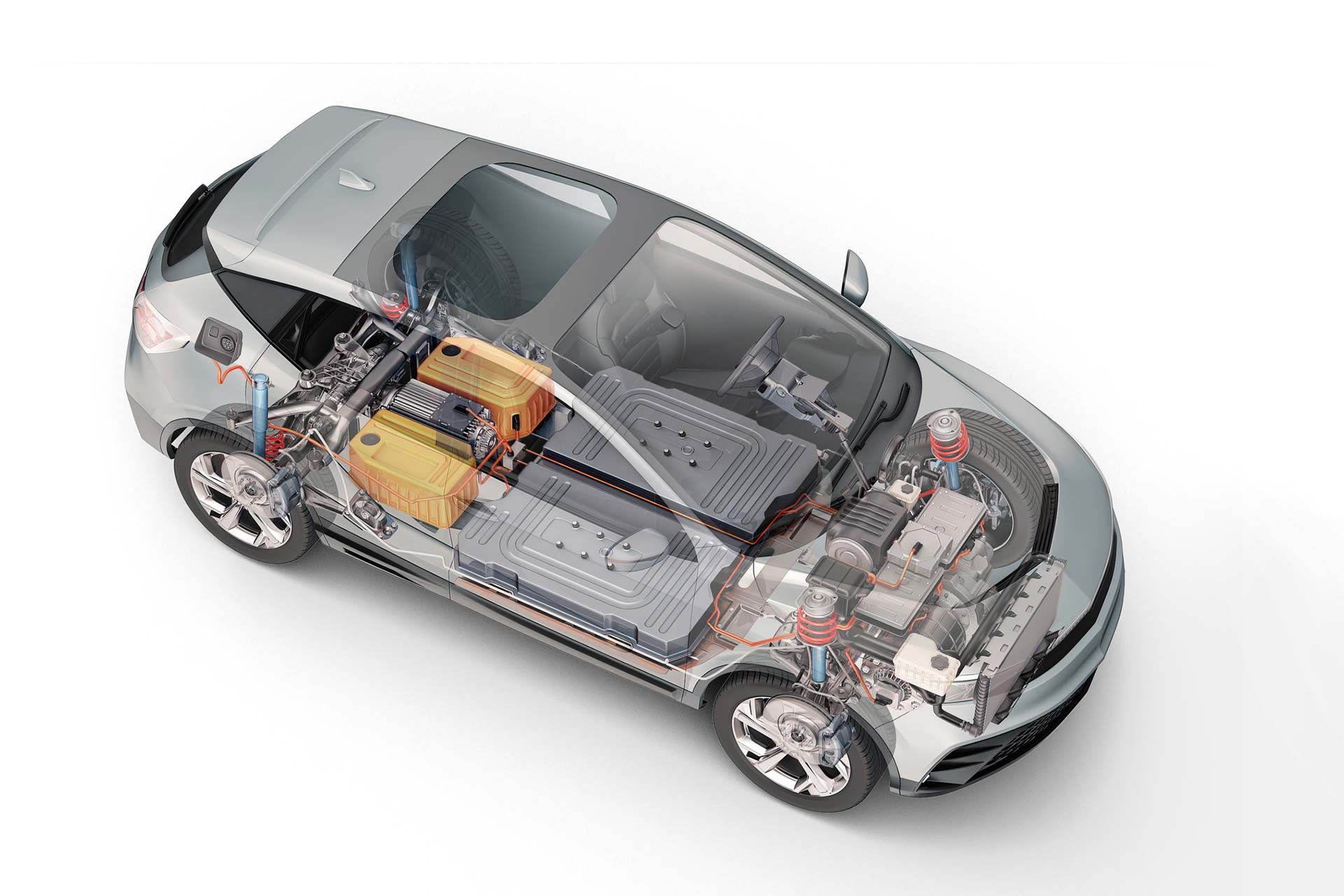
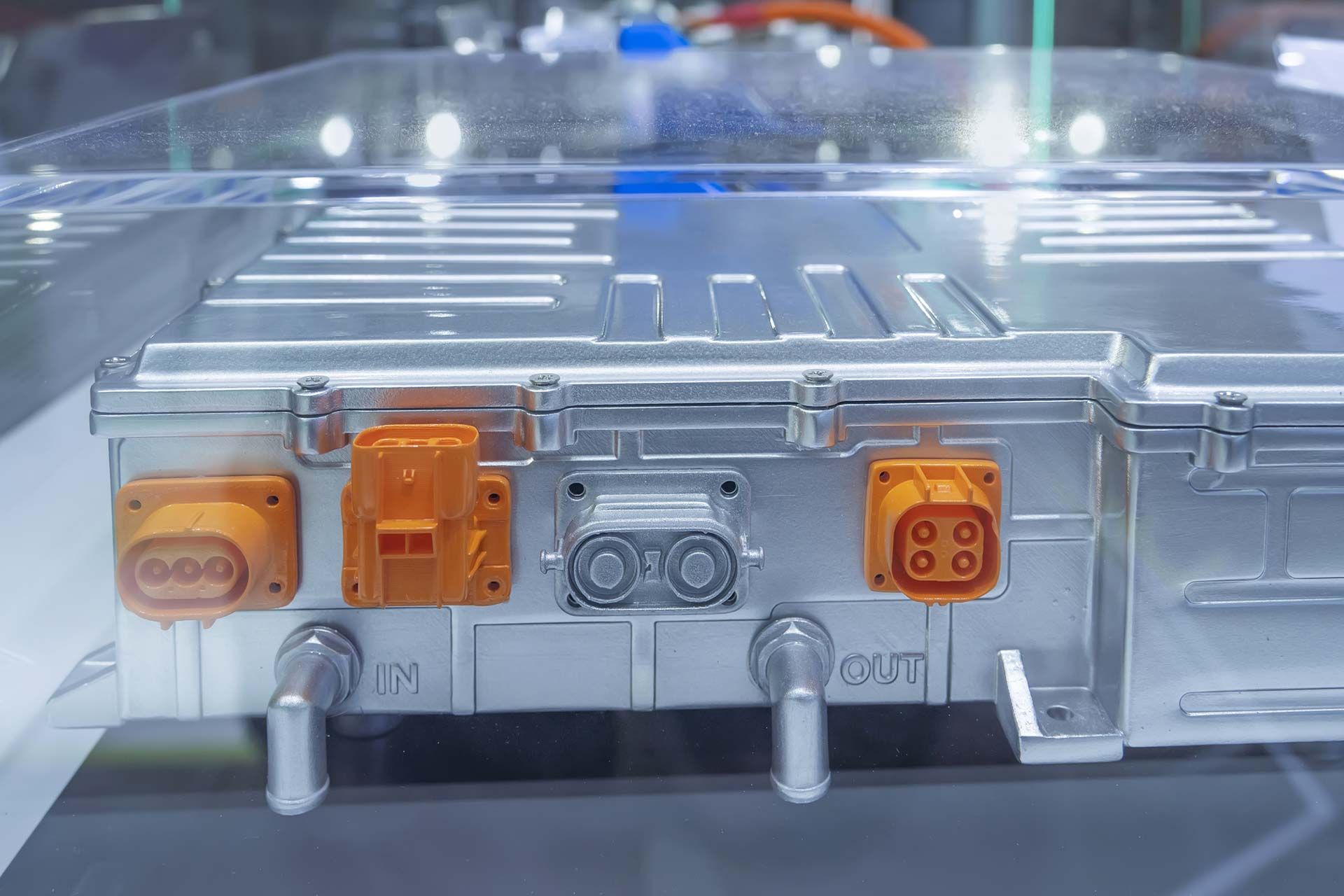
Get the most out of our expertise
Our engineers work alongside our customers to find the best solution for them, applying scientific methods and knowledge accumulated over almost 50 years.
Frequently Asked Questions
What types of bus bars does RPK Group manufacture?
RPK Group manufactures rigid copper bus bars, rigid aluminum bus bars, flexible laminated copper bus bars, insulated bus bars, and overmolded bus bar assemblies with plastic housings. We also produce bus bar connectors for EV battery modules, wire forms for alternators, and multi-axis bent profiles for high-density power distribution systems.
What is the difference between rigid and flexible bus bars?
Rigid bus bars are machined or stamped from solid copper or aluminum bar stock and provide high current capacity in fixed geometries. Flexible laminated bus bars use multiple thin copper foil layers to allow movement, absorb vibration, and compensate for misalignment. They are standard in EV battery packs, inverters, and charging infrastructure, where thermal expansion or mechanical vibration must be accommodated.
Copper or aluminum busbar, which should I choose?
Copper offers higher conductivity and current capacity in a smaller cross-section; aluminum is lighter and lower cost but needs surface treatment for reliable joints. We help you choose based on current rating, weight, and budget.
What materials do you use for electrical bus bars?
Electrical bus bars are produced in electrolytic tough pitch (ETP) copper, oxygen-free copper (OFC), and aluminum alloys (typically 1100 or 6101 series). Surface finishes include tin, silver, and nickel plating to control contact resistance, corrosion resistance, and solderability.
Can your bus bars meet automotive electrical standards?
RPK Group manufactures bus bars in facilities certified to IATF 16949. Contact our engineering team to discuss compliance requirements for specific standards such as LV214, USCAR, or IPC for your application.
Are your bus bars suitable for 800V EV architectures?
RPK Group designs and manufactures bus bars for high-voltage EV applications, including 400V and 800V battery architectures. Material selection, plating, insulation, and clearance distances are engineered to the voltage and current requirements of each specific application.
How does RPK keep connection resistance low?
We control material thickness, surface cleanliness, and plating thickness, and offer tin, silver, or nickel plating chosen for the joint and environment. This holds low, stable contact resistance over the part’s life.
Do you supply bus bars for industrial power distribution?
Yes. RPK Group supplies bus bars for switchgear, electrical panels, UPS systems, motor drives, and renewable energy equipment. Industrial bus bars require different current ratings, plating standards, and form factors than automotive bus bars; our engineering team designs each solution to the application.
Can you manufacture bus bars for medical or laboratory equipment?
RPK Group manufactures precision copper components for medical imaging equipment, laboratory instruments, and powered surgical tools. Contact our team to discuss specific requirements for conductivity, plating, cleanliness, and dimensions.
Related news
Load more news
RPK Group heads to EuroBLECH 2026 in Hannover
Visit us at Booth 27H161 to meet the engineers behind our precision components and see how we turn strip and sheet metal into them.
Flexible Bus Bars: custom-engineered power connections for E-Mobility
Stressed system connections, vibration in the e-motor, tolerance problems, or oversized standard parts? RPK Group engineers flexible bus bars to meet your resistance, vibration, and thermal targets and builds them on dedicated automated lines.
Automotive Metal Stamped Parts | RPK Group
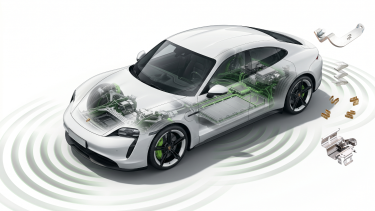
RPK Group engineers and manufactures precision stamped and bent metal parts for the world's leading automotive OEMs and Tier 1 suppliers; from safety-critical radar and braking systems to e-mobility platforms. IATF 16949 certified. Scalable from prototype to mass production.