Compression Springs
The most common coil spring
Specialists in complex compression springs with fatigue cleaning or relaxation requirements
RPK Group designs and manufactures custom compression springs for applications where fatigue life and relaxation are critical, and failure is not an option. We control the full chain that determines spring durability — alloy selection, shot peening, hot and cold presetting, and 100% inspection — so your spring holds its force over millions of cycles. We produce helical and conical compression springs in carbon steel, stainless steel, chrome silicon, and special alloys, and supply Tier 1 and OEM customers worldwide in accordance with IATF 16949.
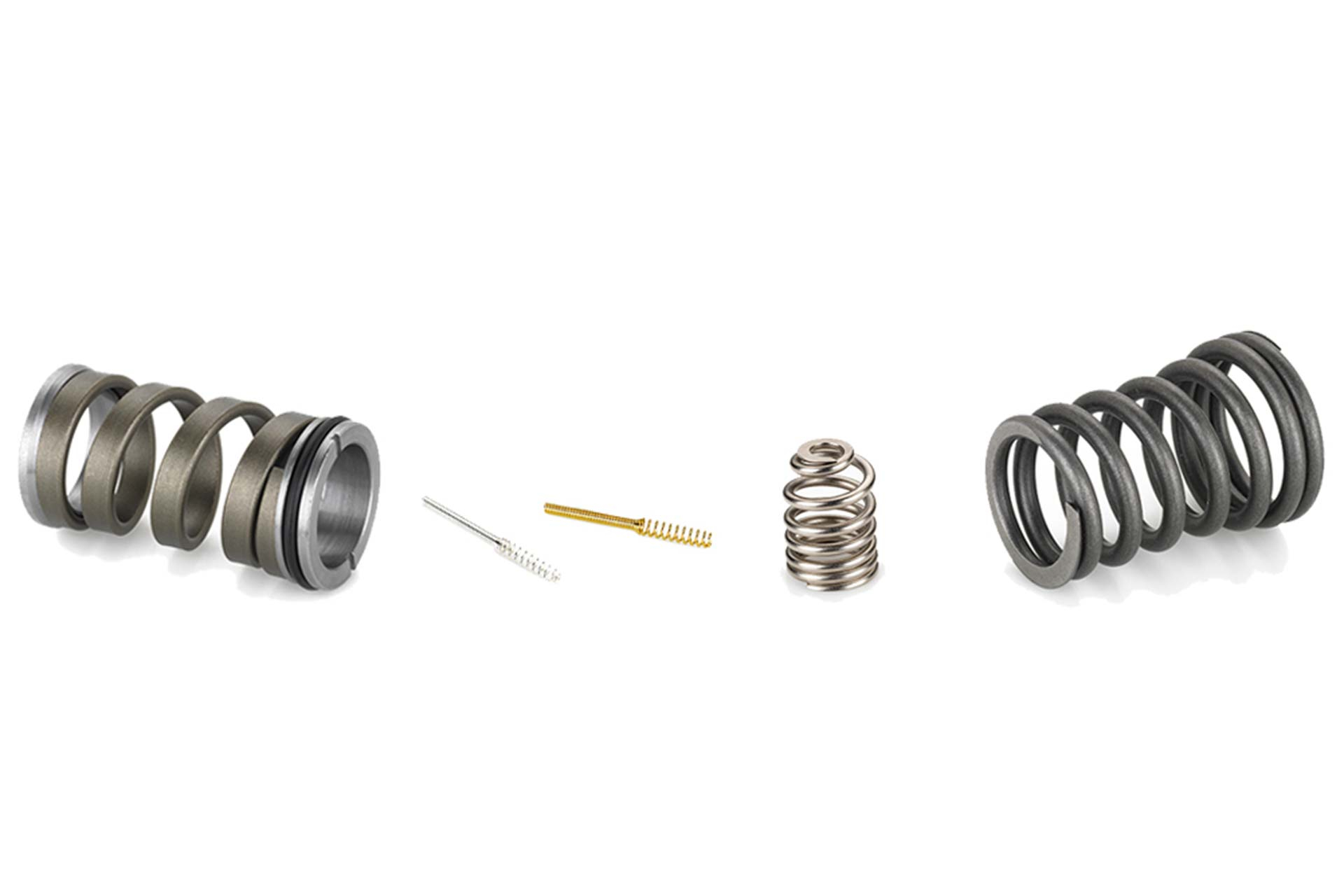
Advantages and benefits of compression springs
- High energy efficiency: among the most efficient designs for storing and returning load in a compact coil
- Built for fatigue and relaxation: engineered for clearance, high-cycle, and relaxation-critical applications
- Can be designed to withstand extreme requirements and conditions
Types of Compression Springs
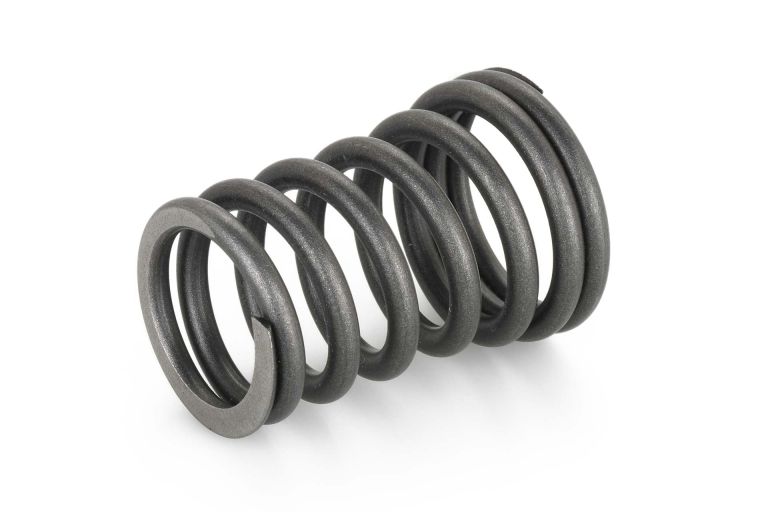
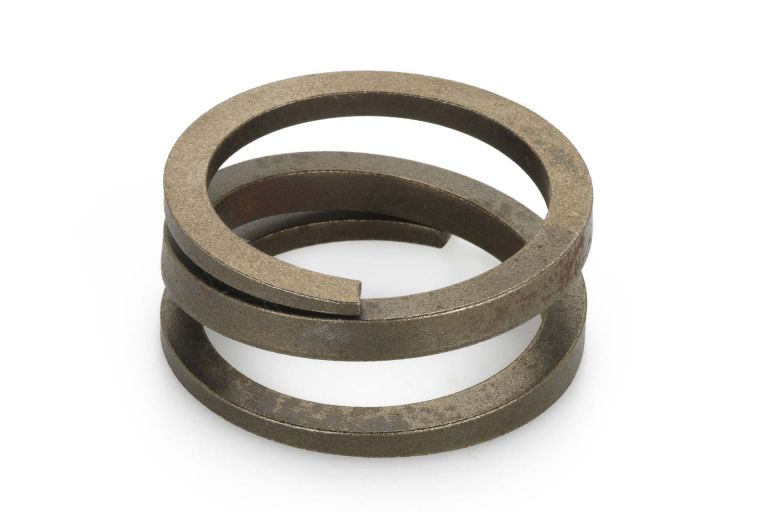
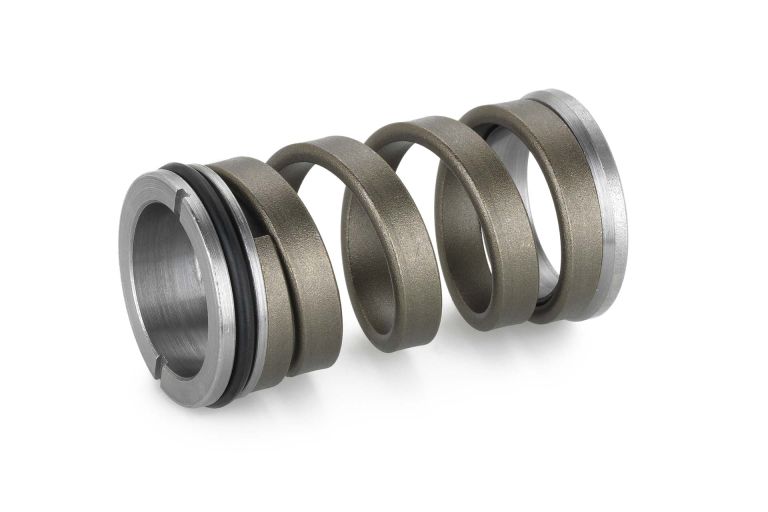
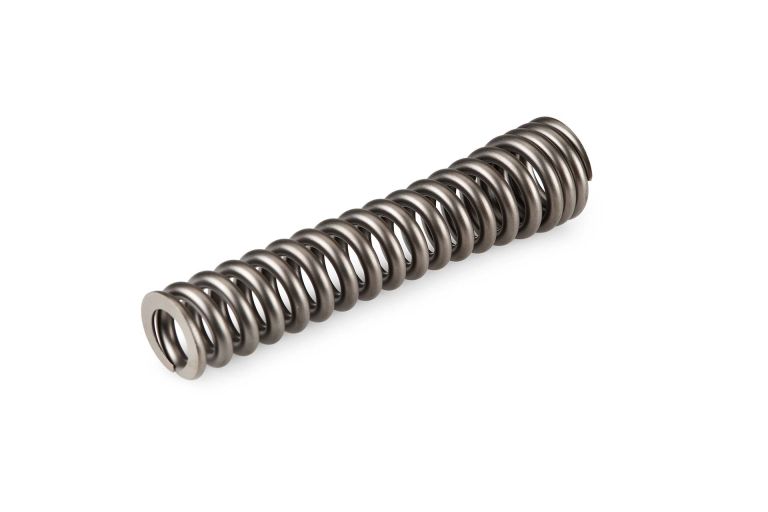
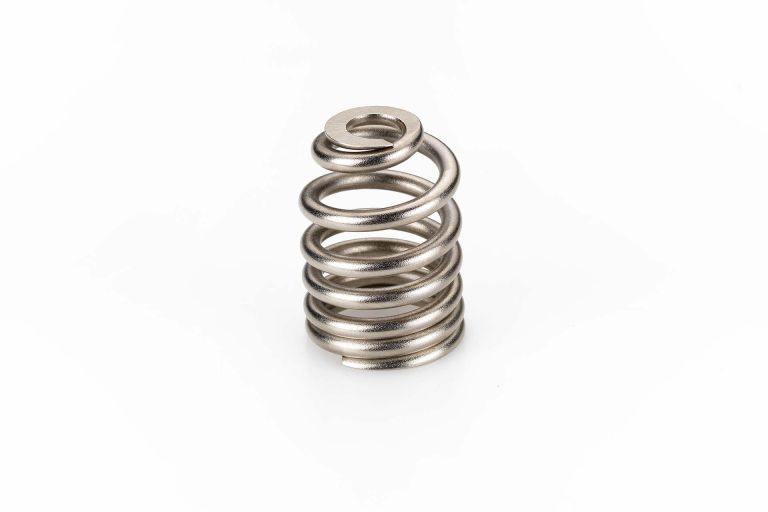
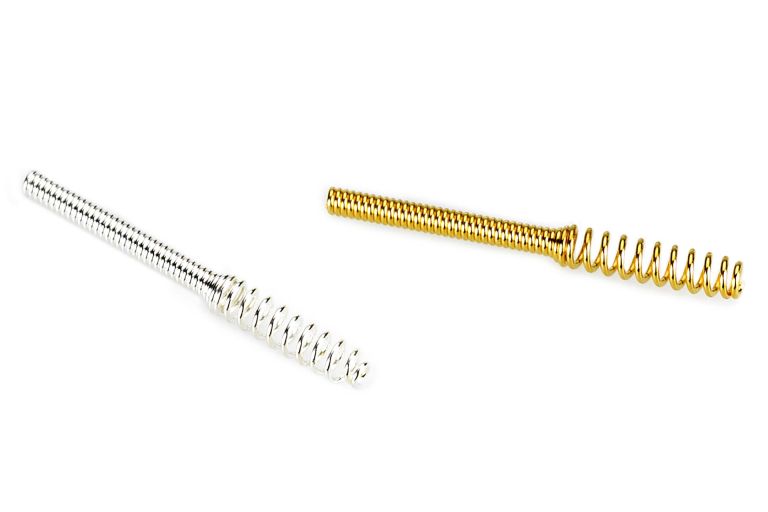
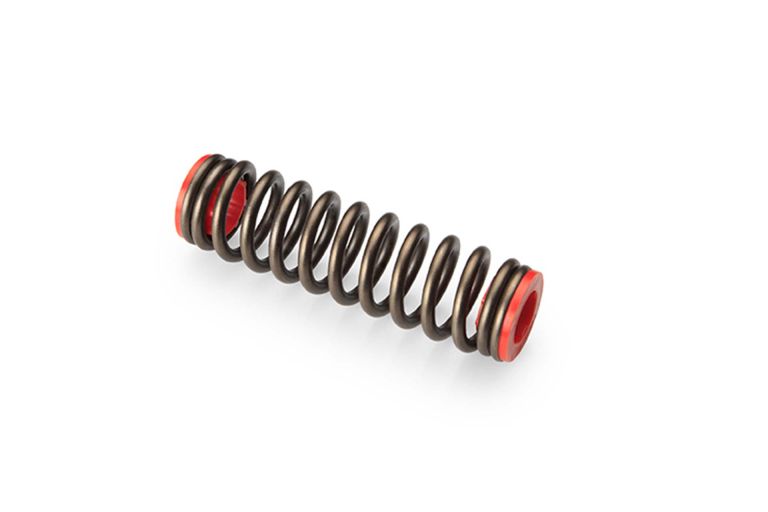
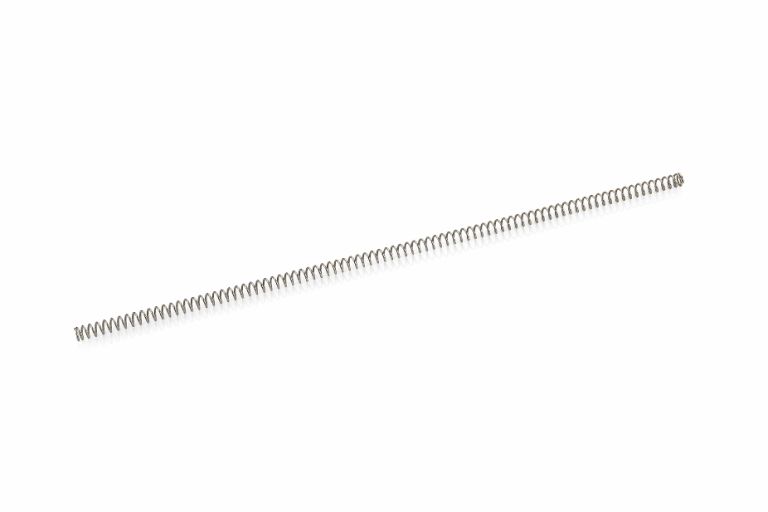
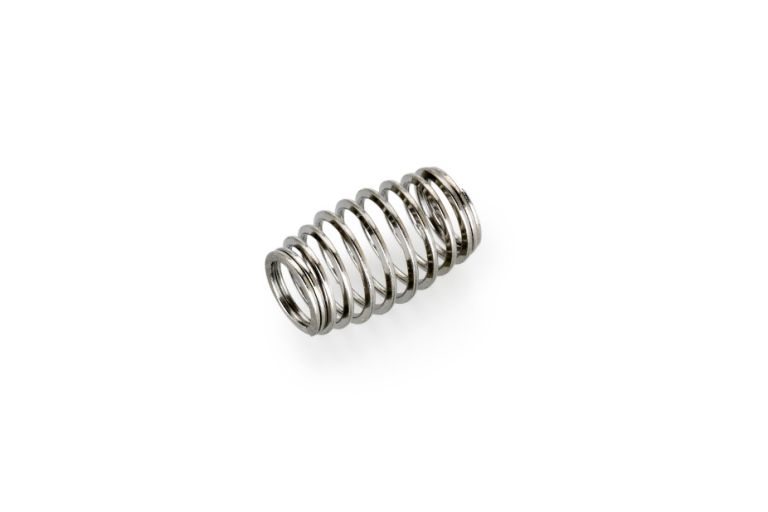
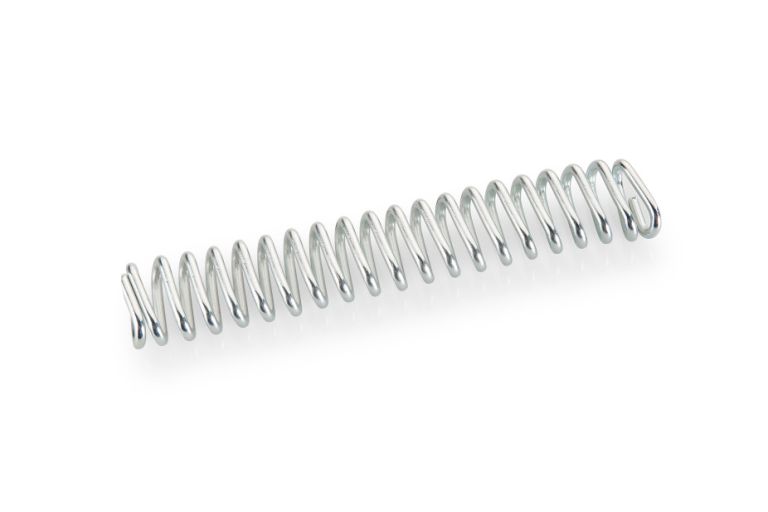
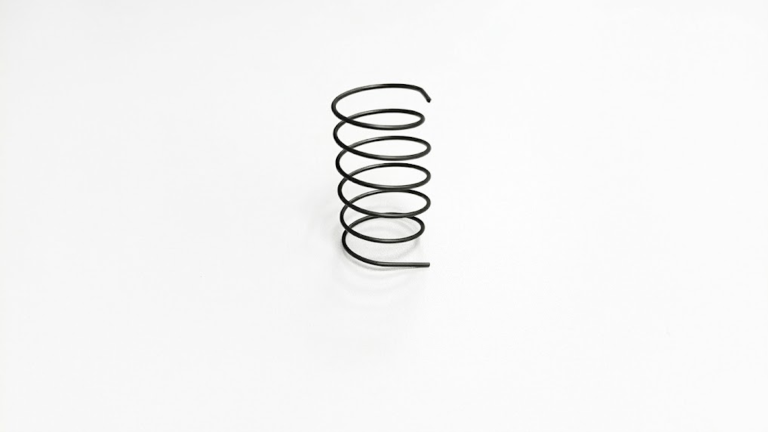
Measures
- Wire diameter: 0.10-8 mm (0.004-0.3 in) round and rectangular wire
- Other dimensions as required
Materials
The choice of the right material, surface treatment and coating are critical for the final quality and safety of the product. From stainless steels to the most specific materials bought in from the best suppliers.
- Carbon steel, almost for every application
- Stainless steel, ideal for high stress and fatigue applications
- Nitinol
- Inconel
- Elgiloy
- Hastelloy
- Chrome silicon
- Other materials according to your special requirements
Industries / Applications









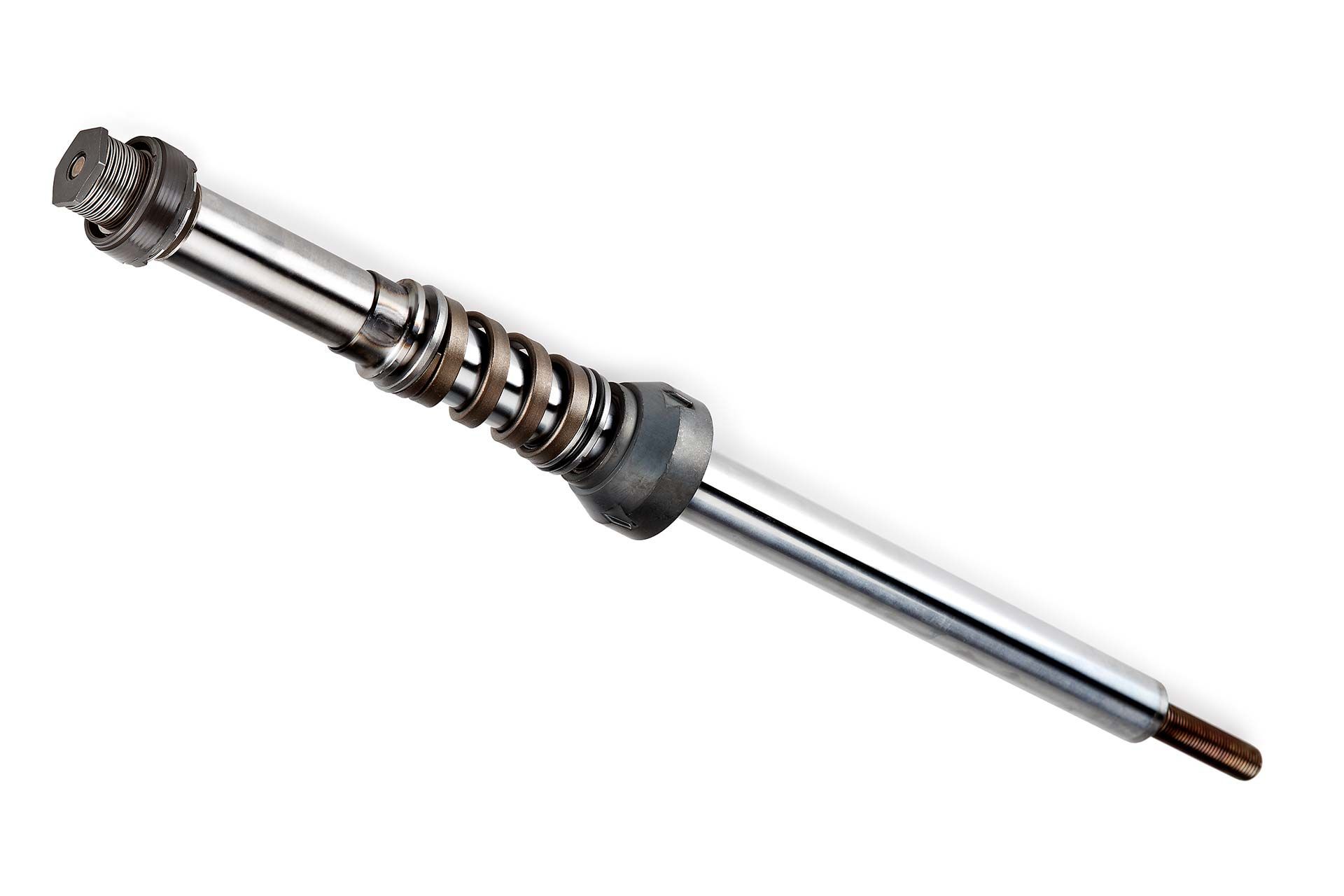
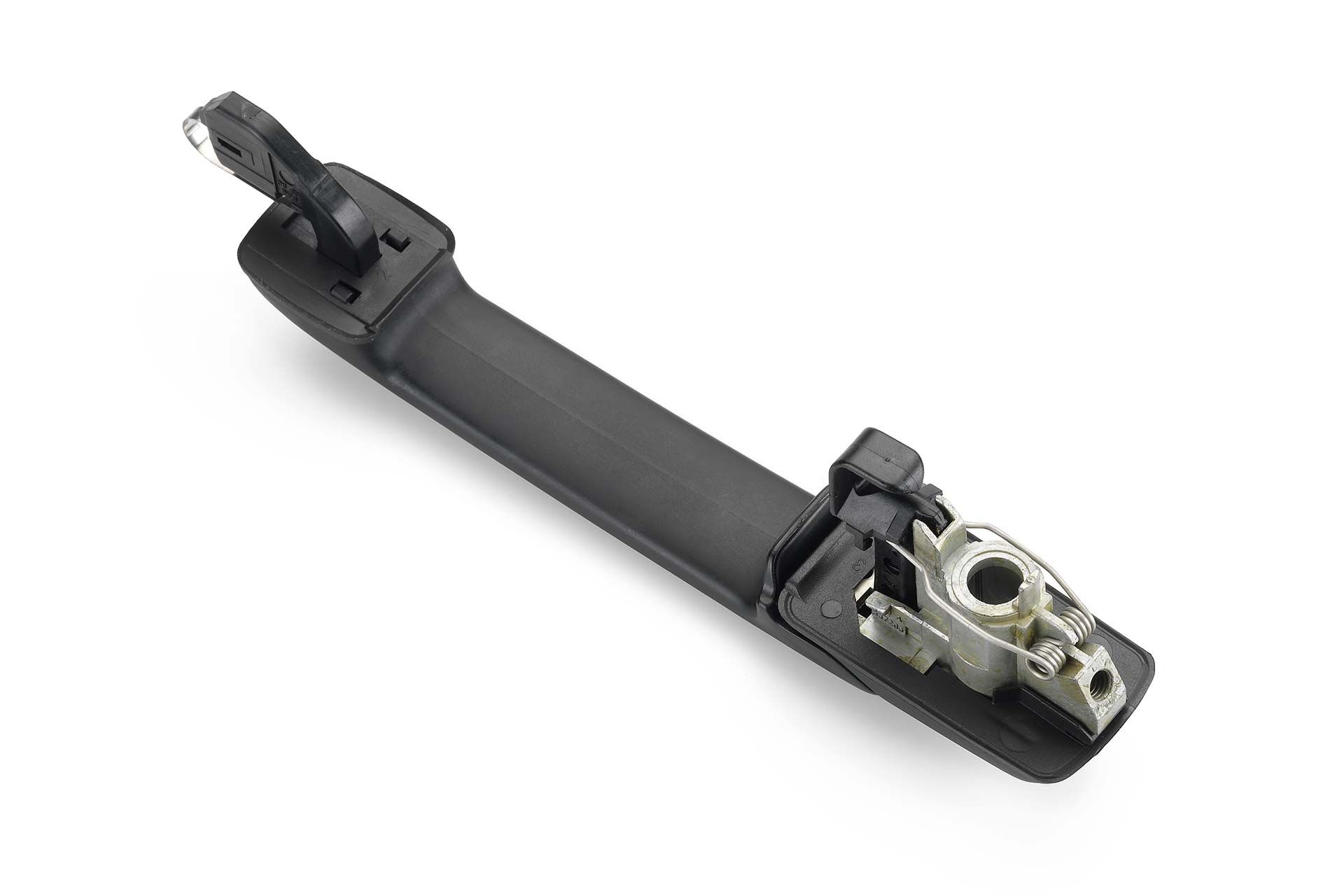
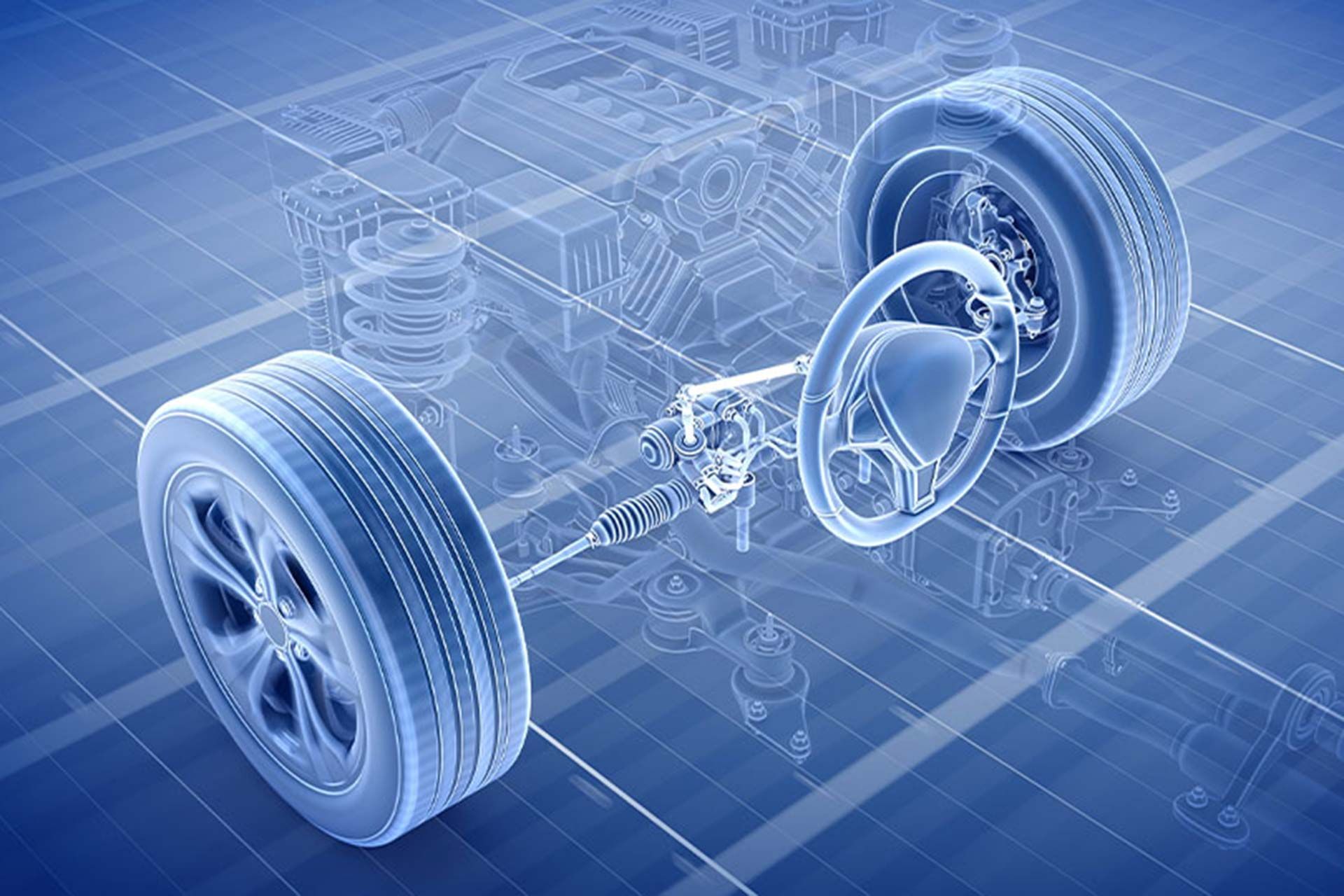
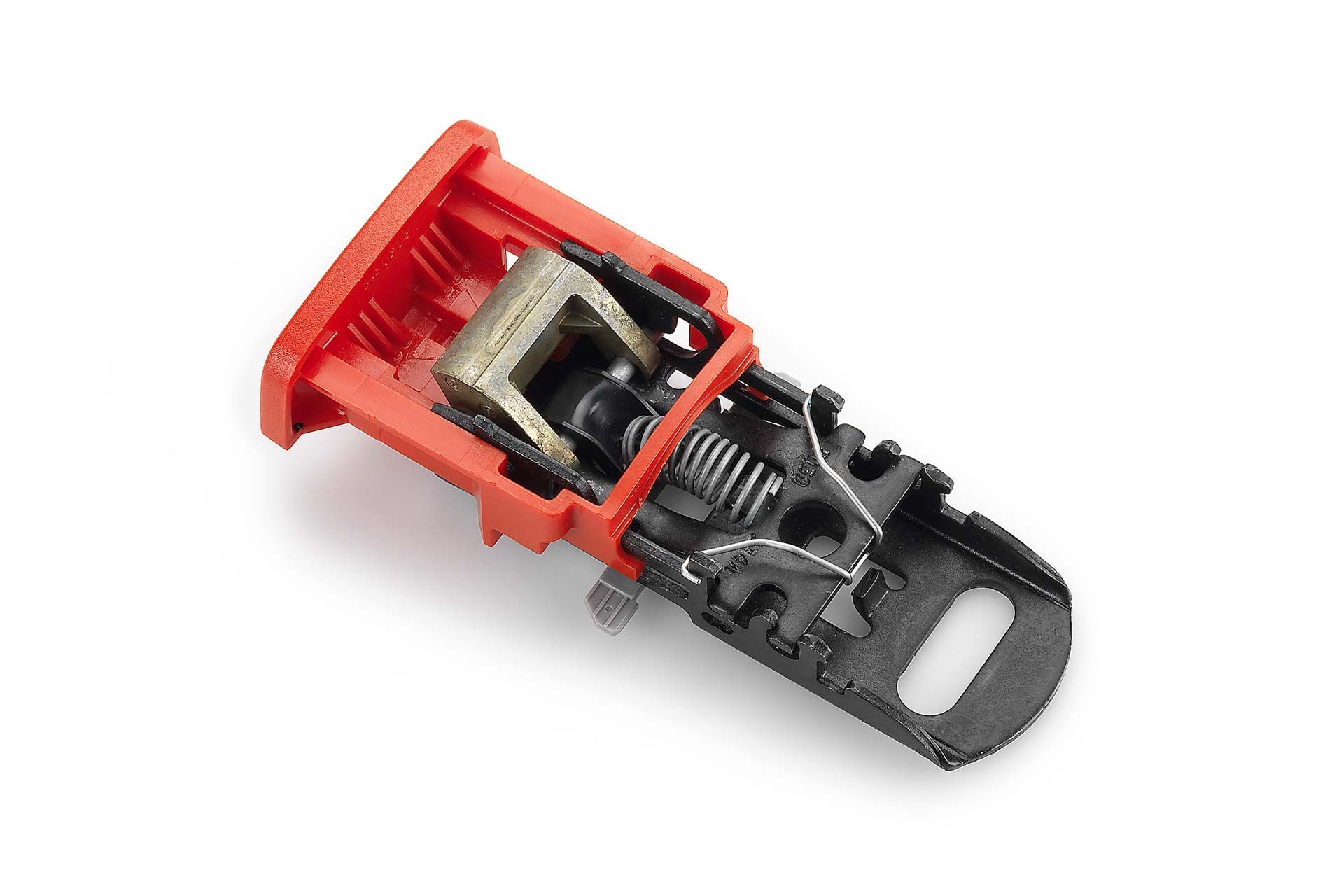
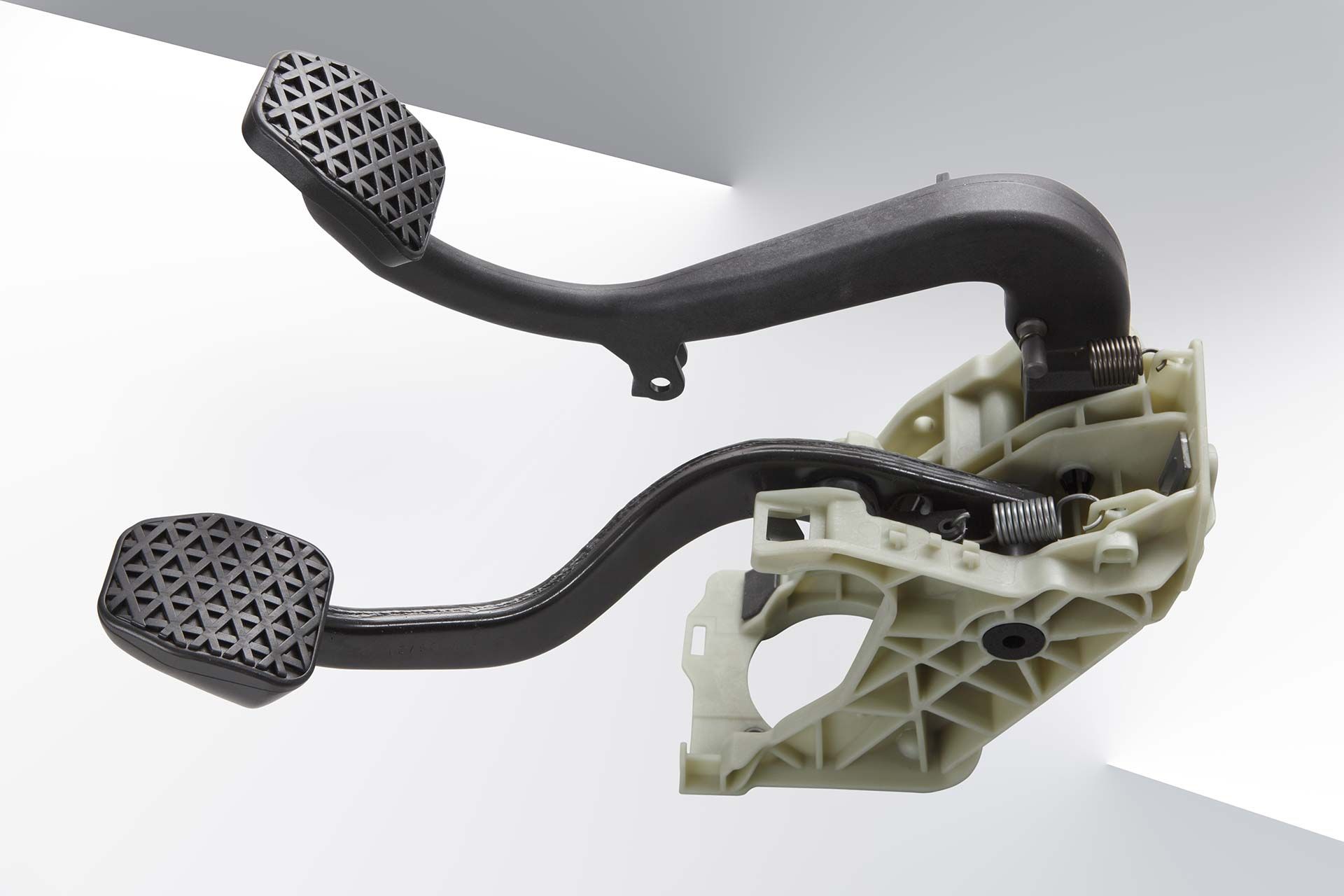
Automotive

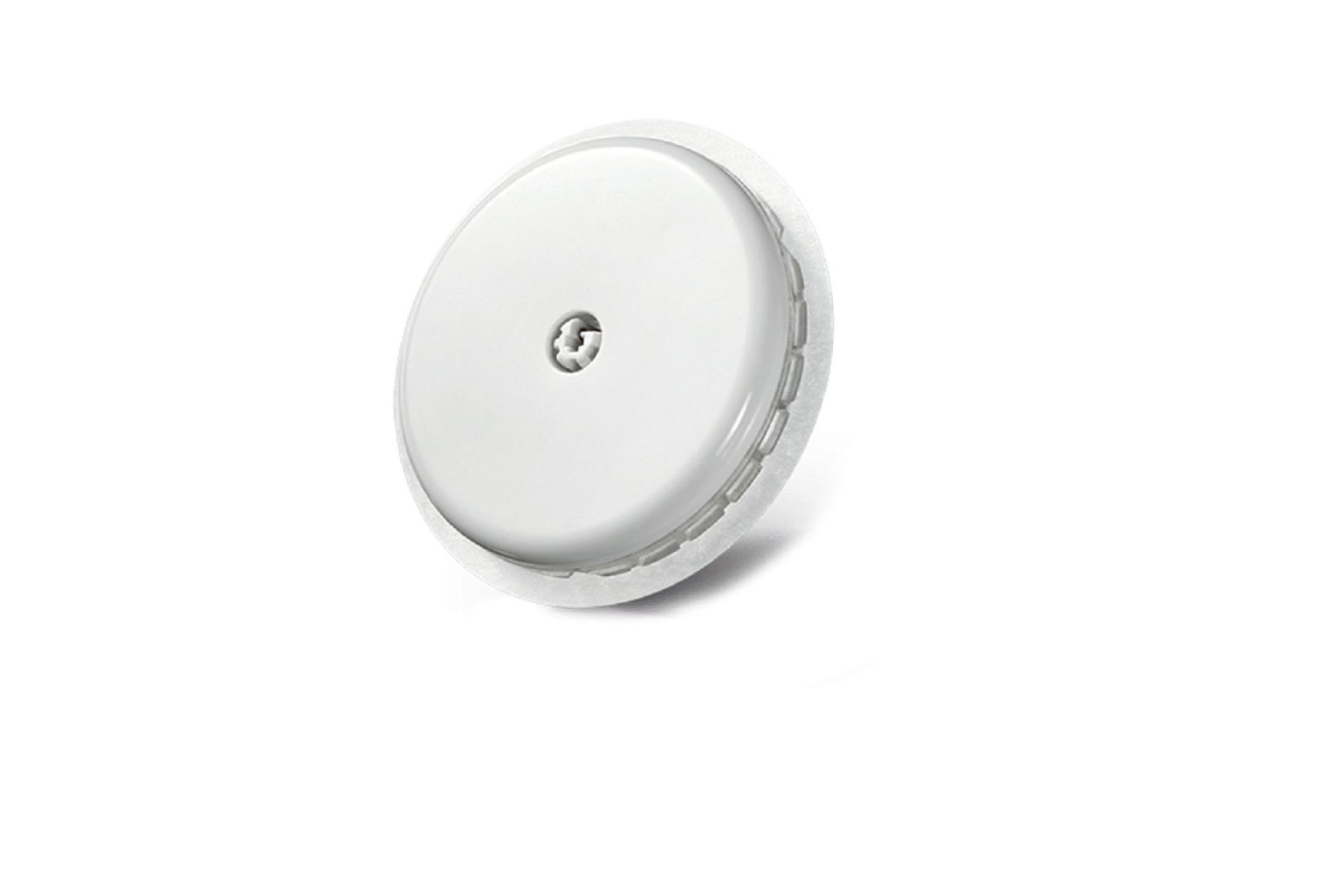
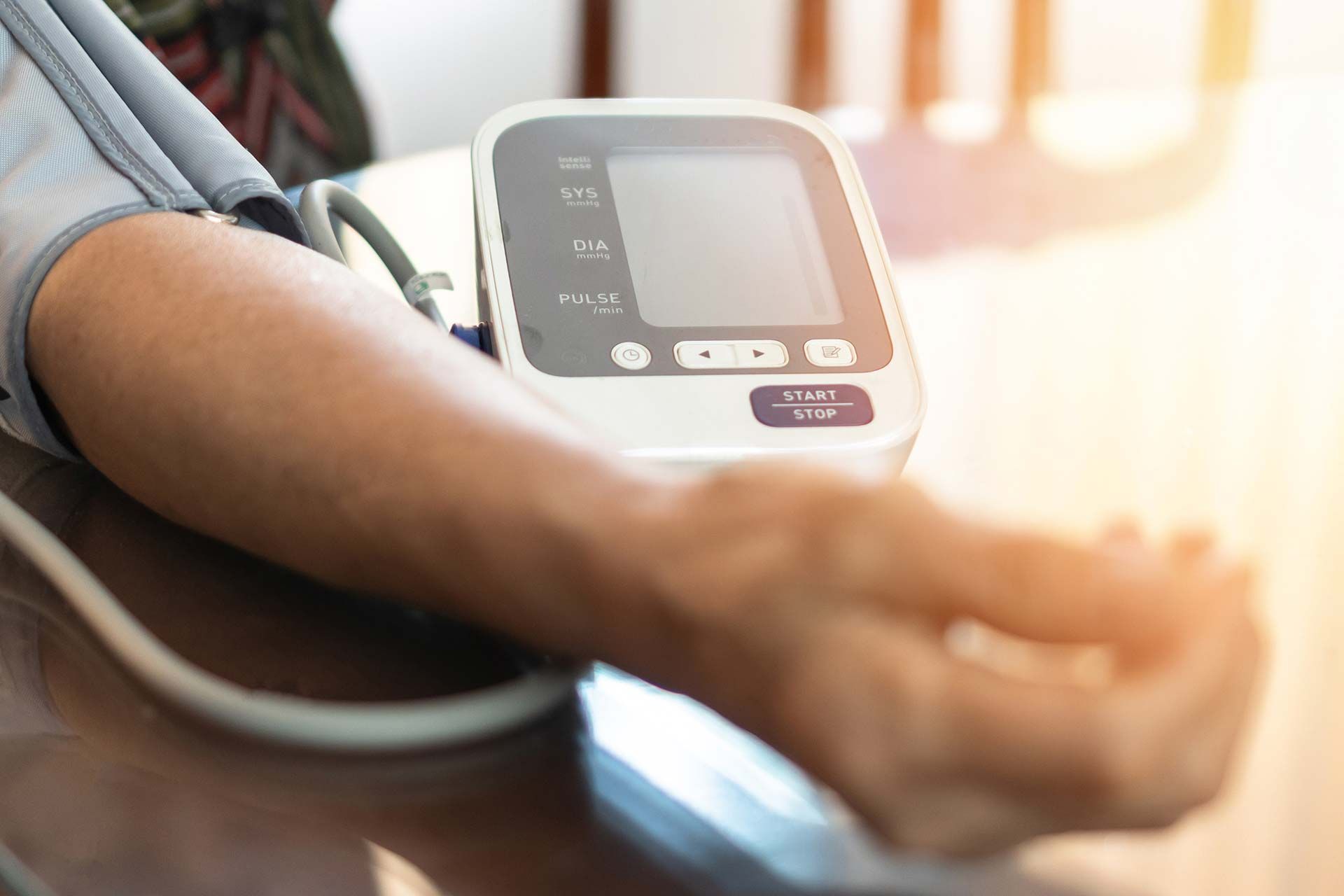
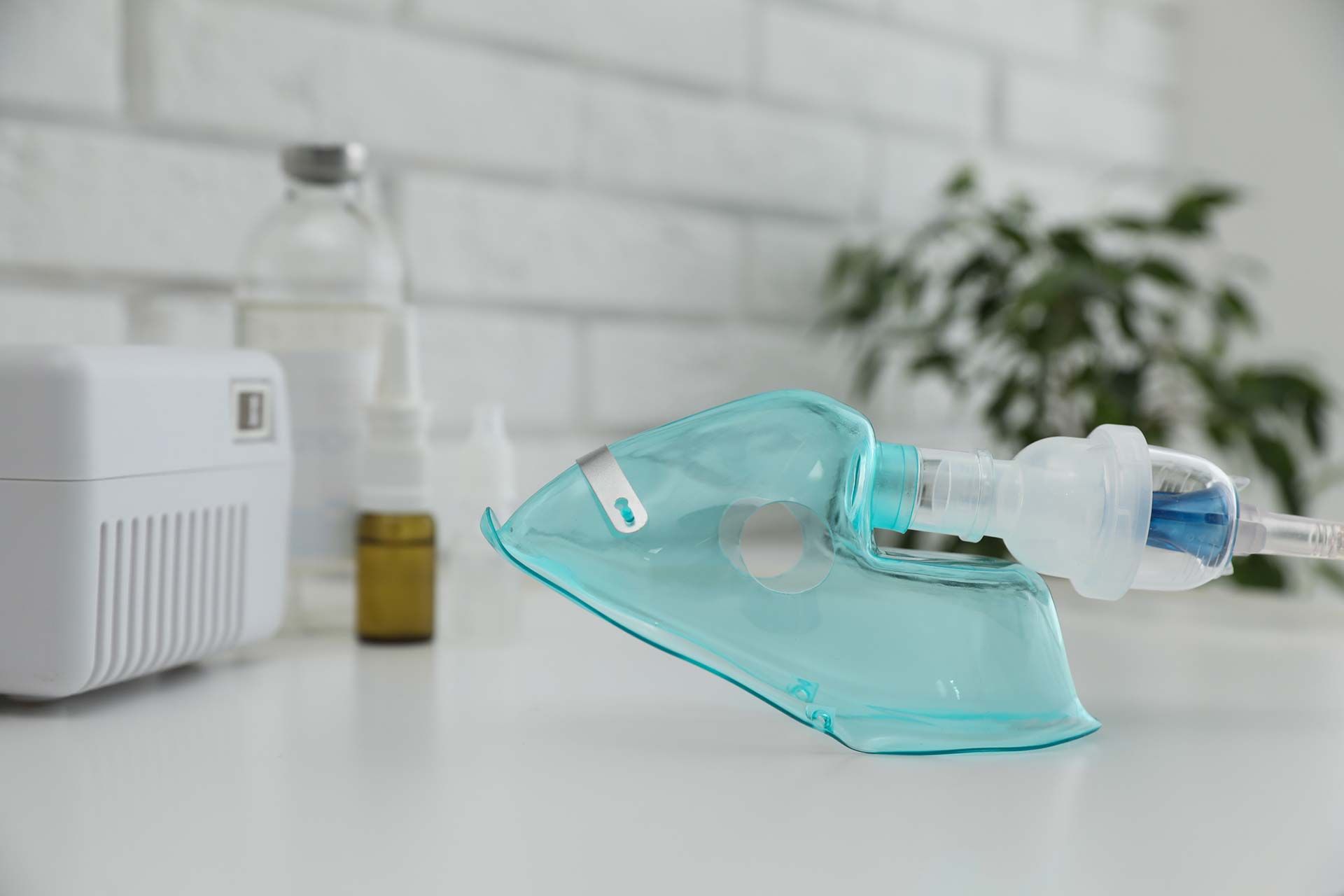
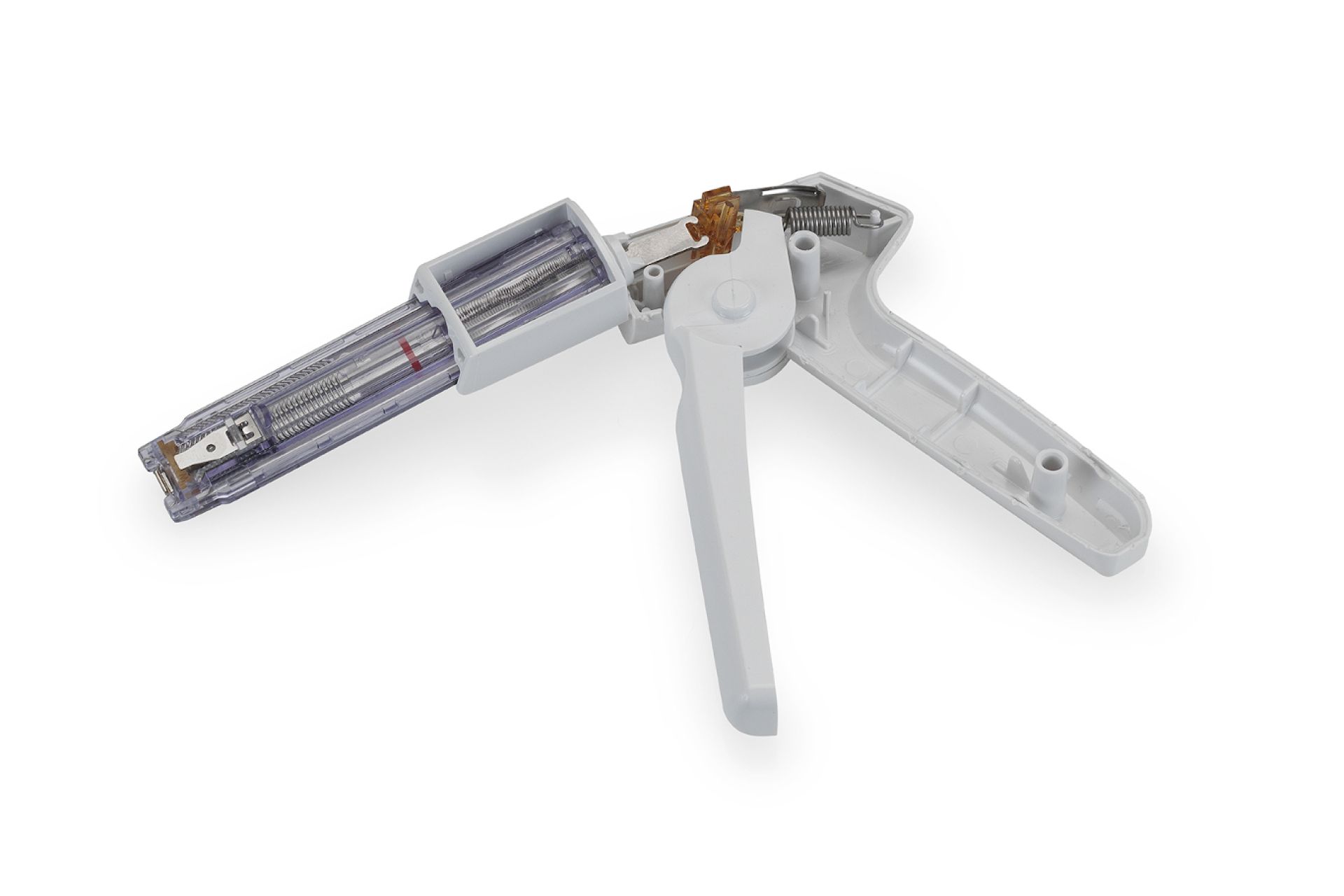
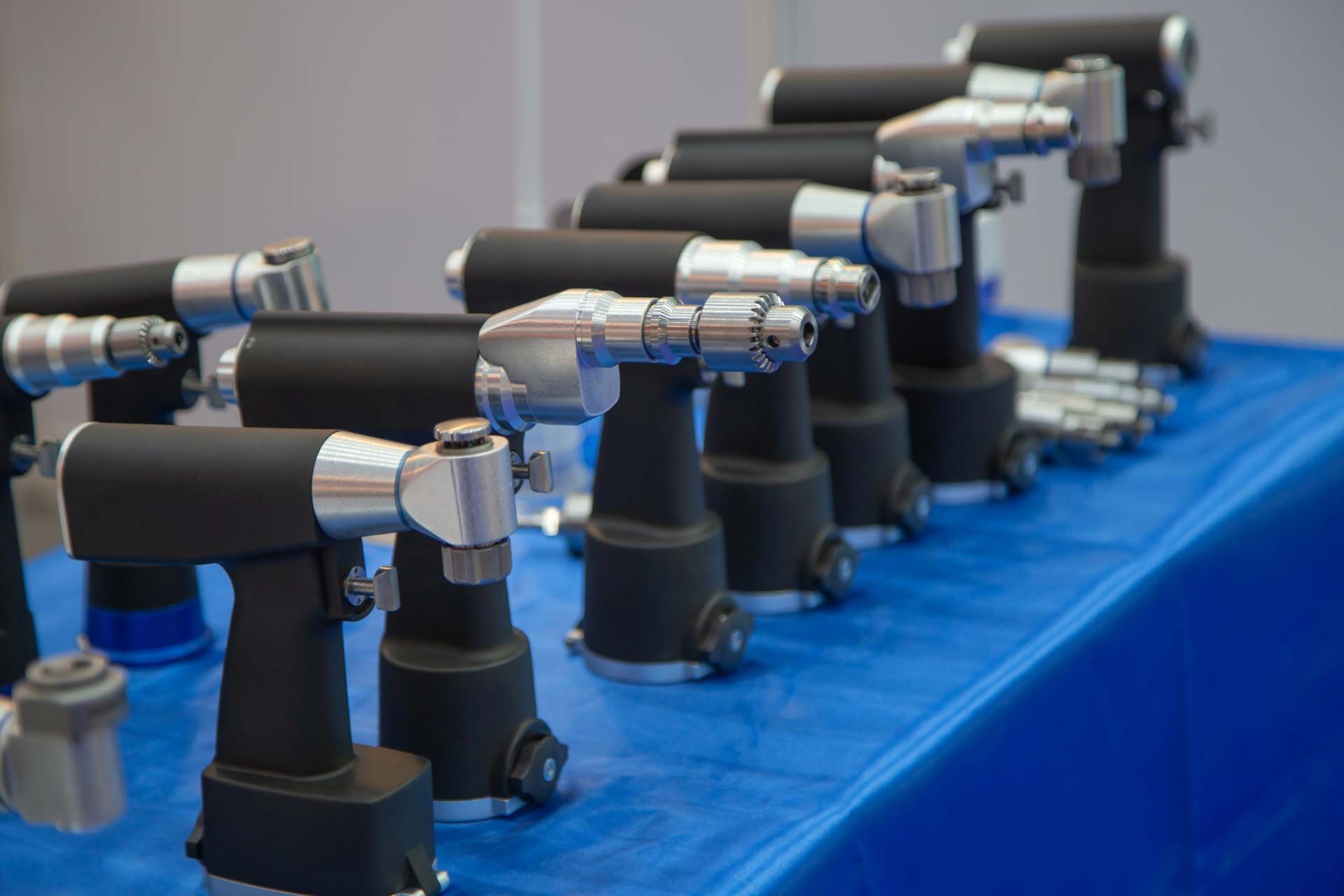
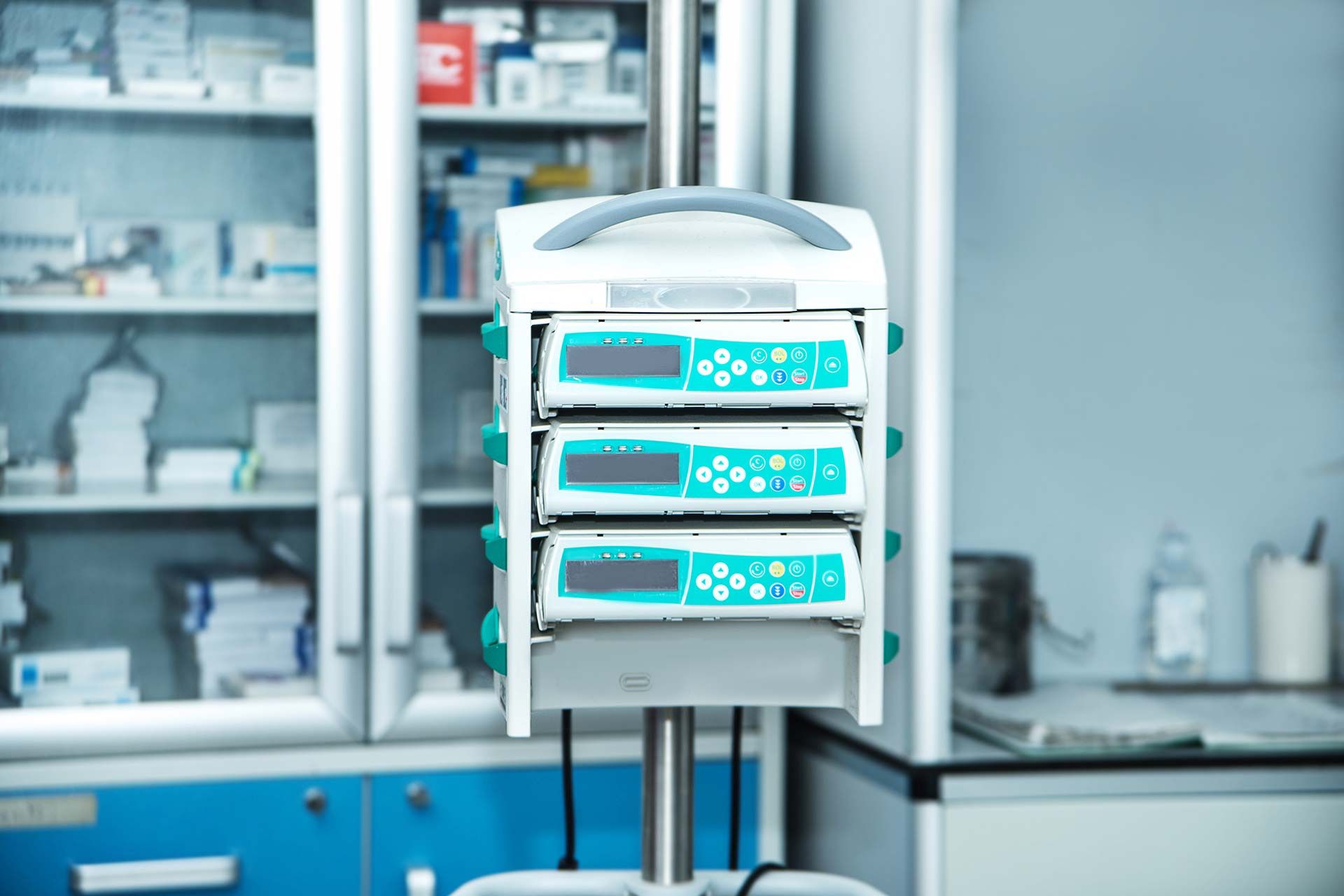
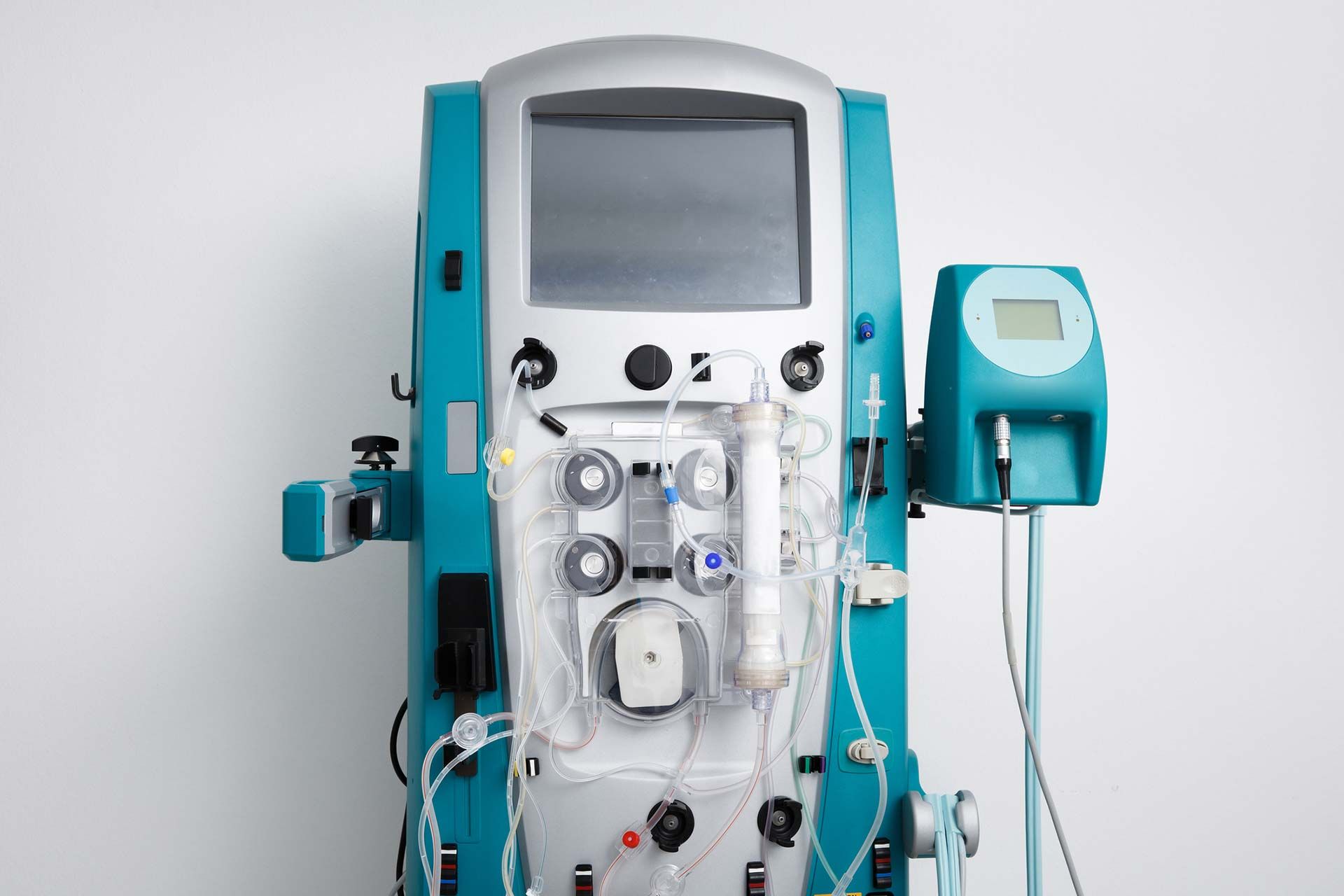
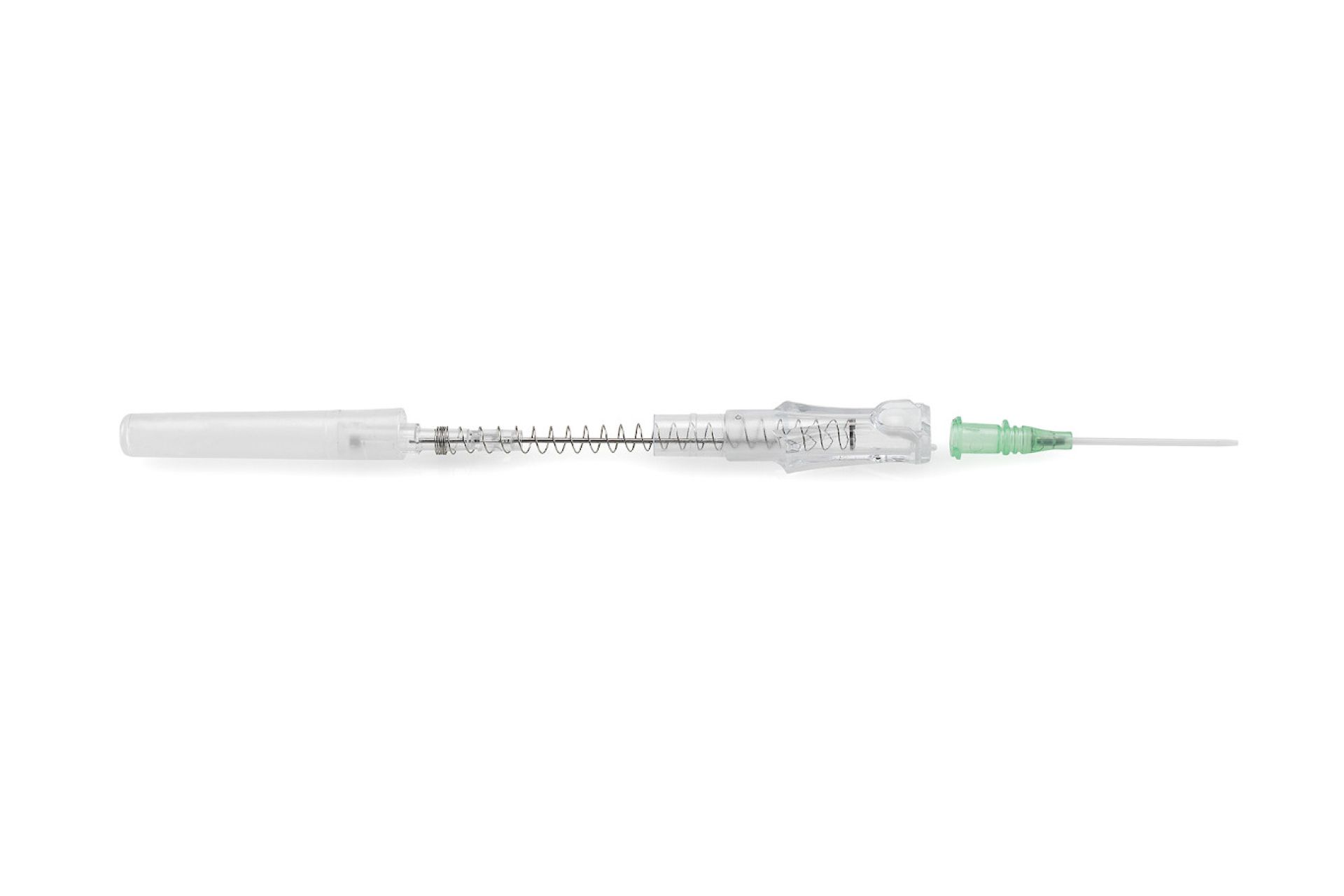
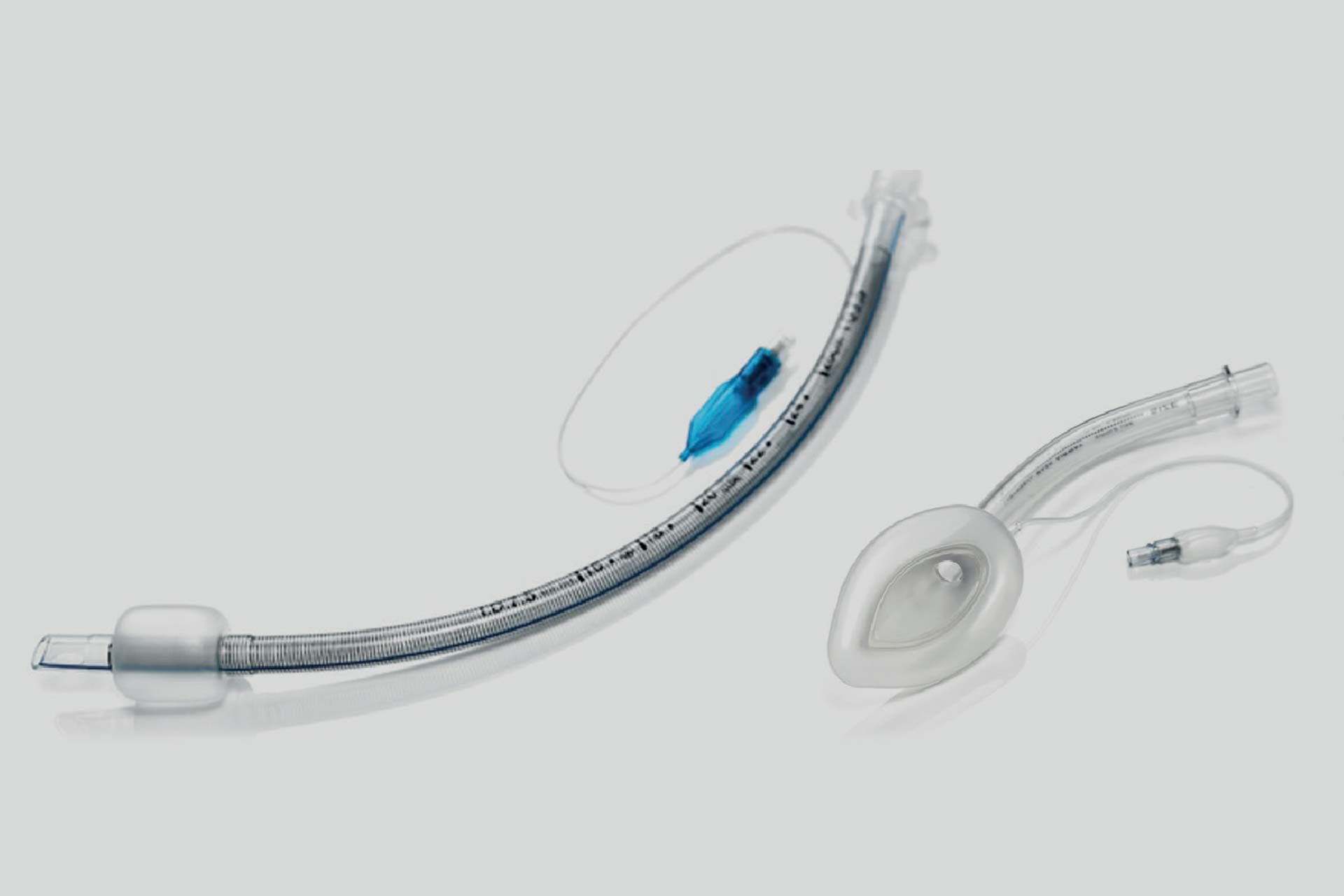
Medical




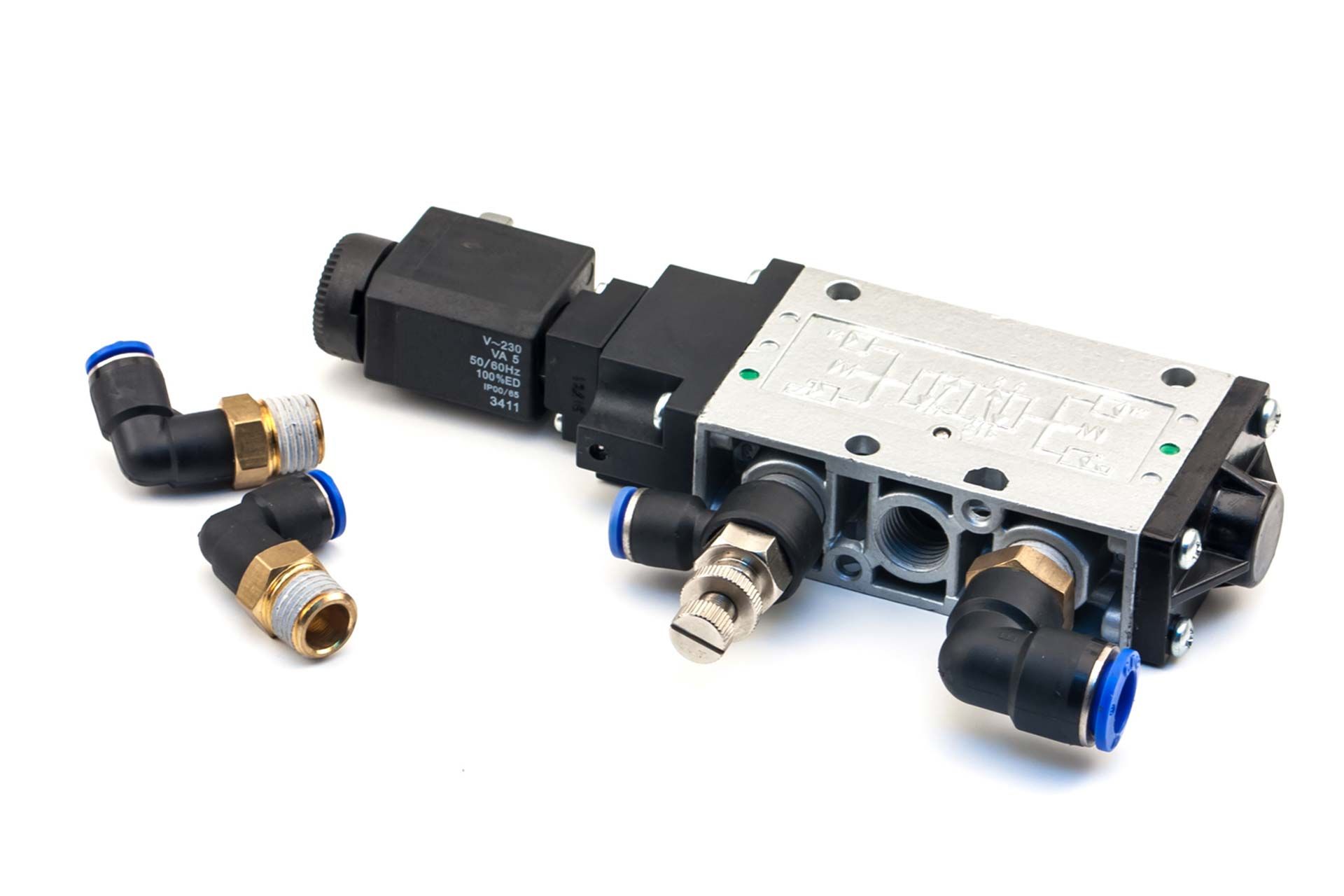
Electric
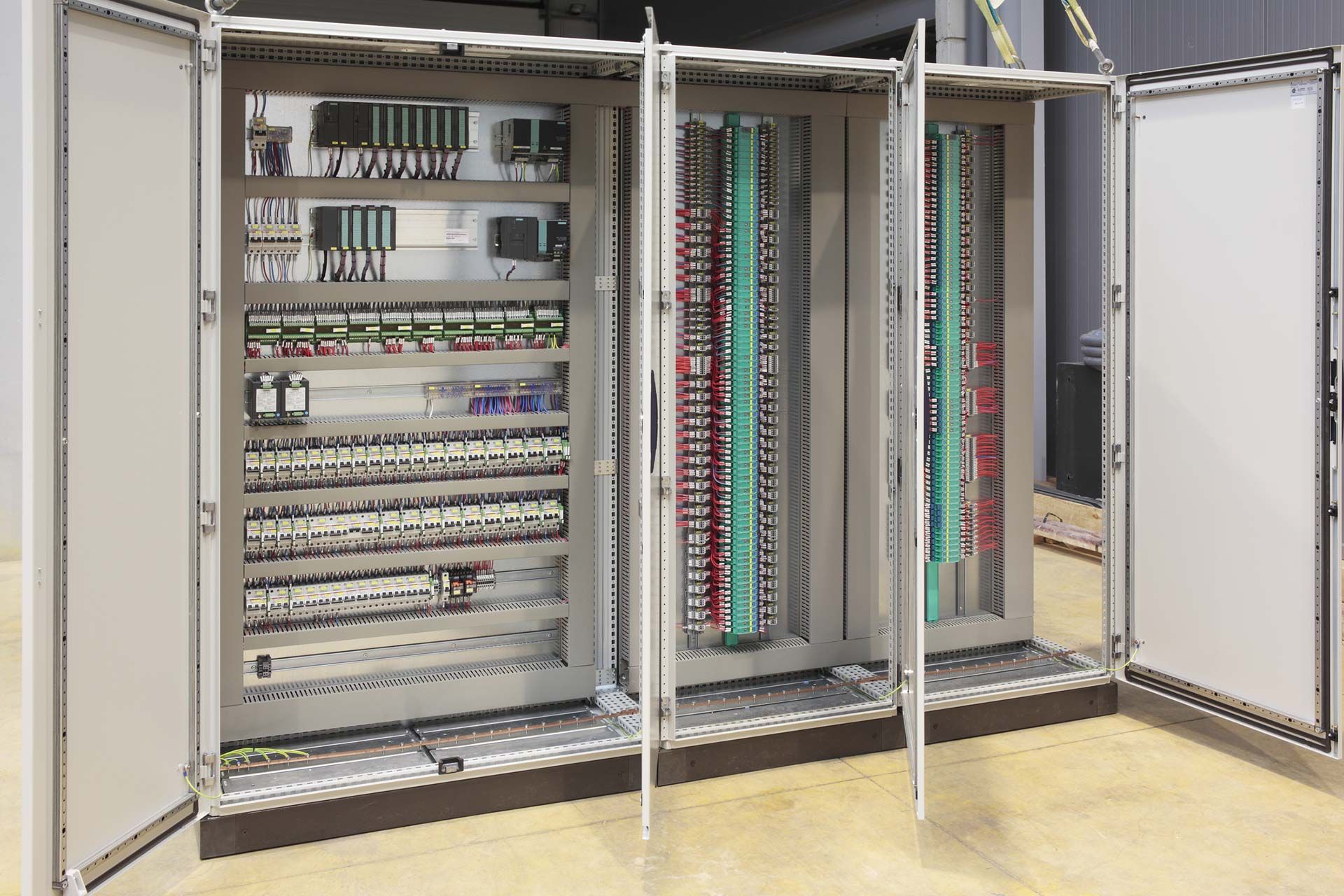
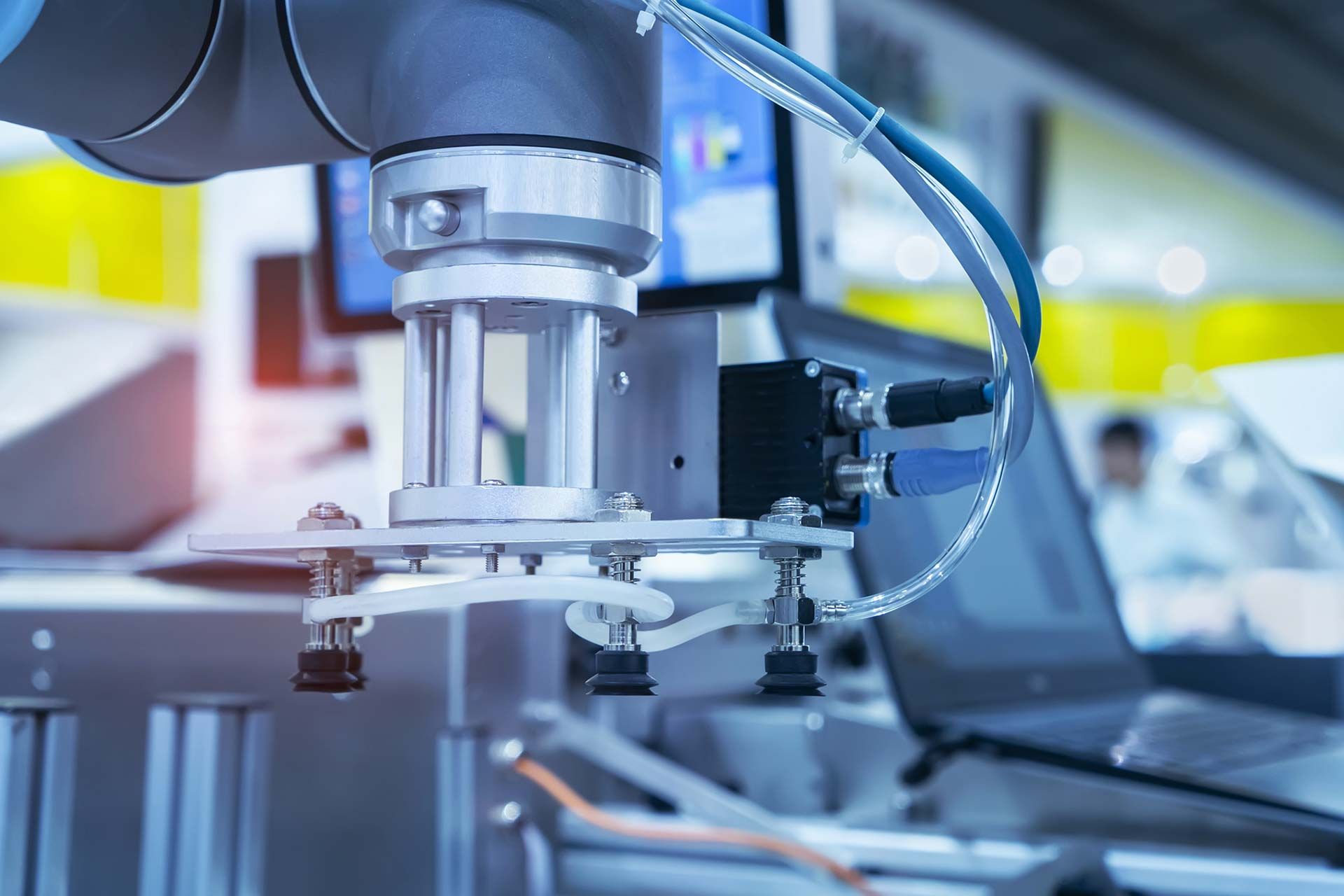
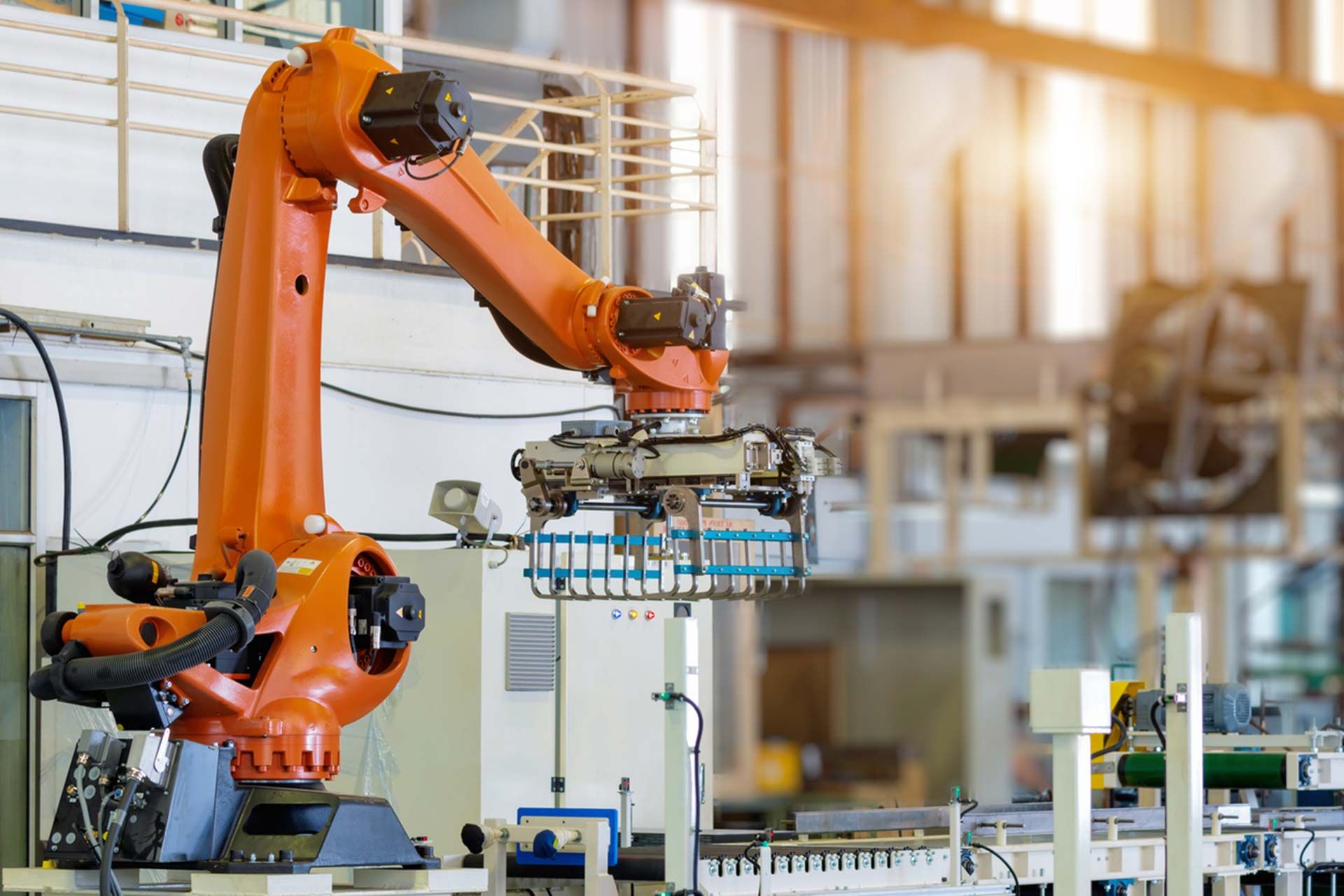
Industrial
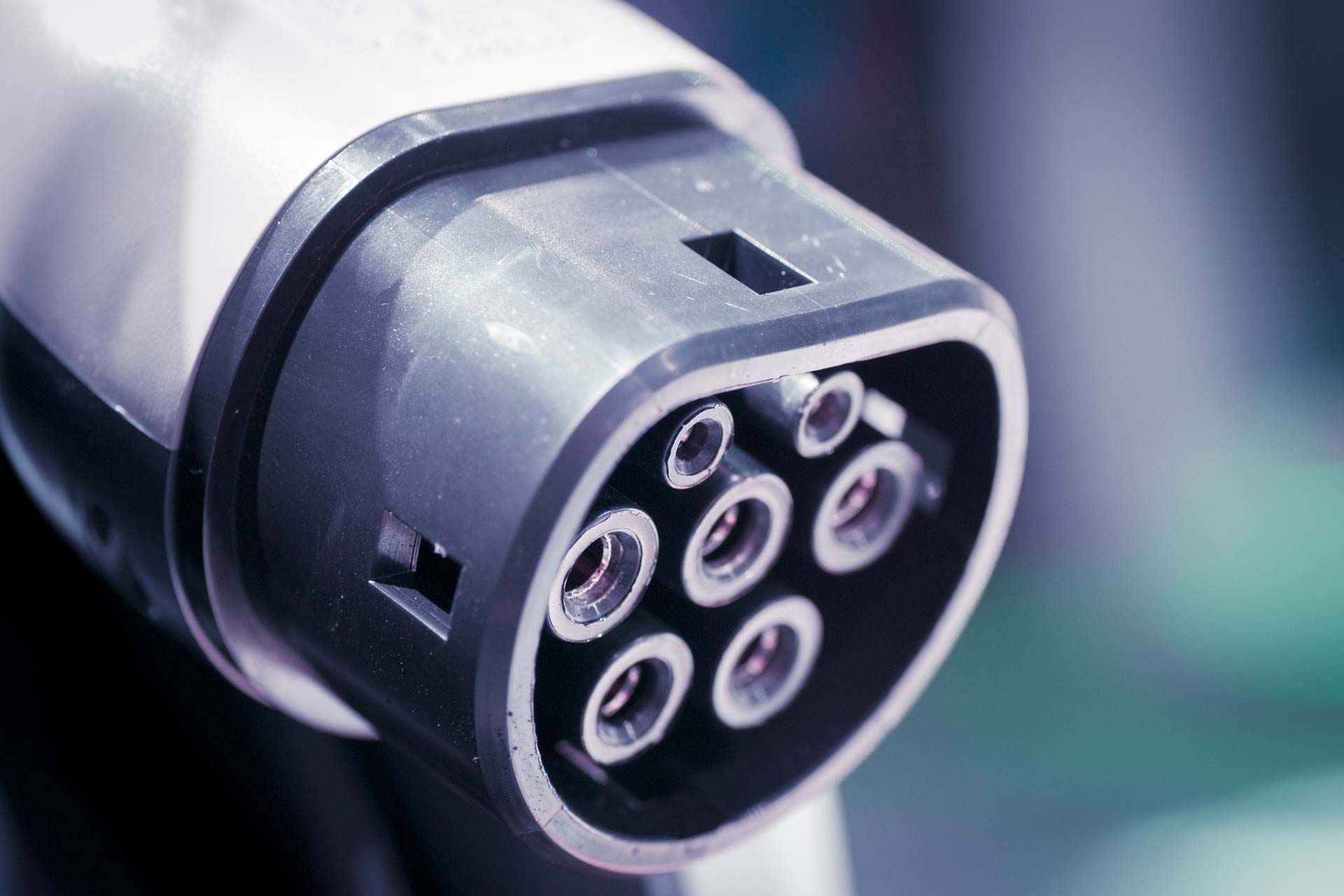

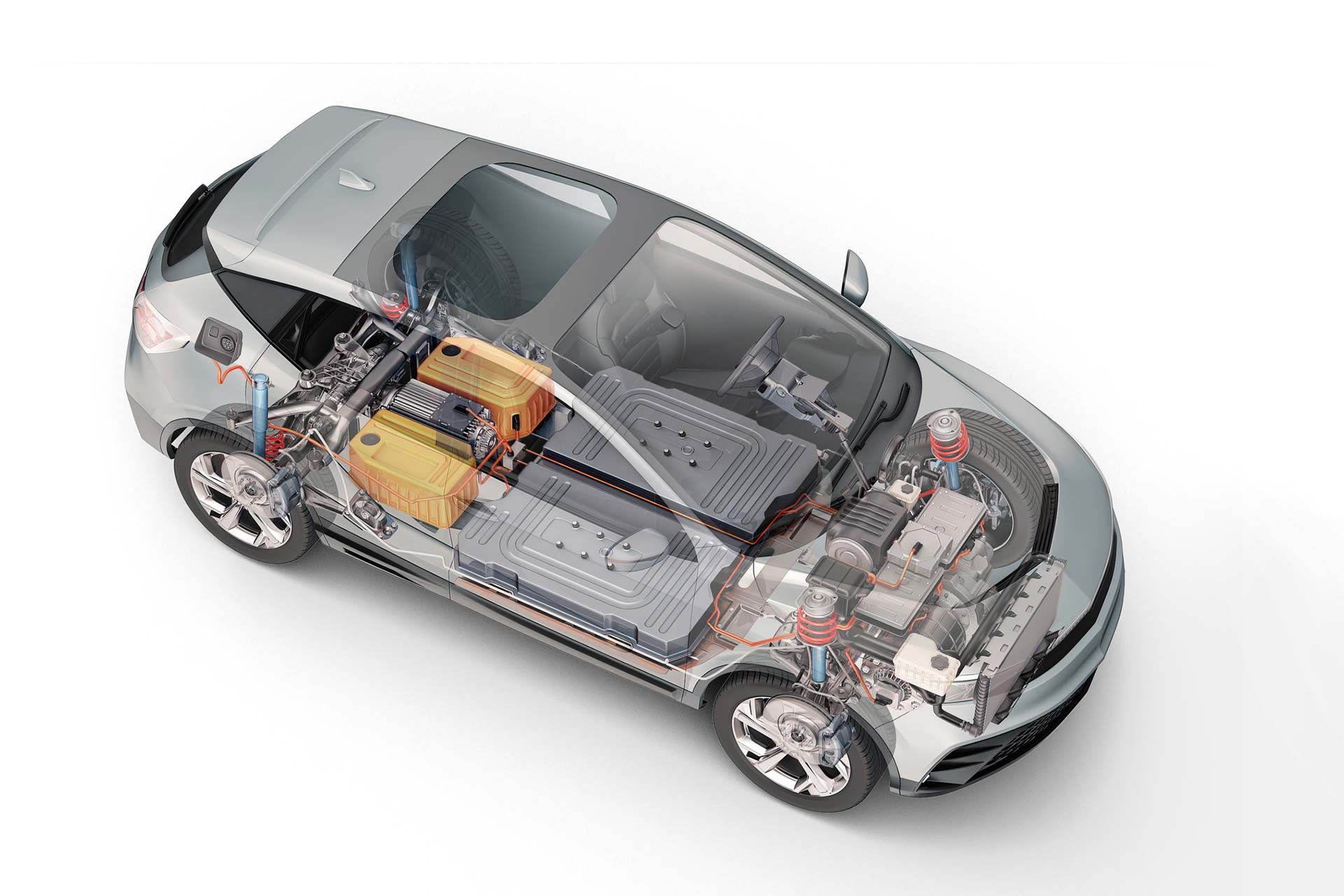
E-Mobility


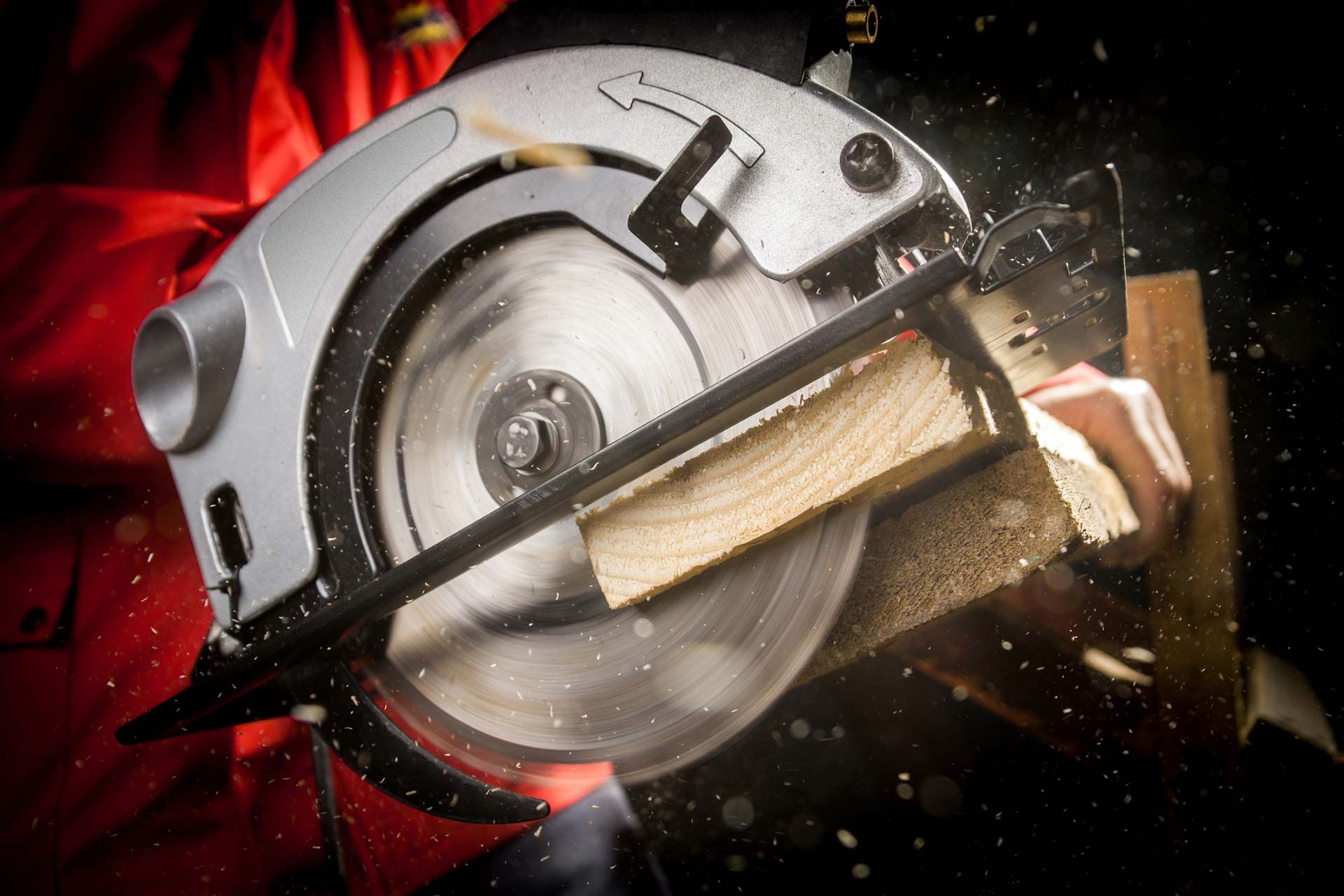
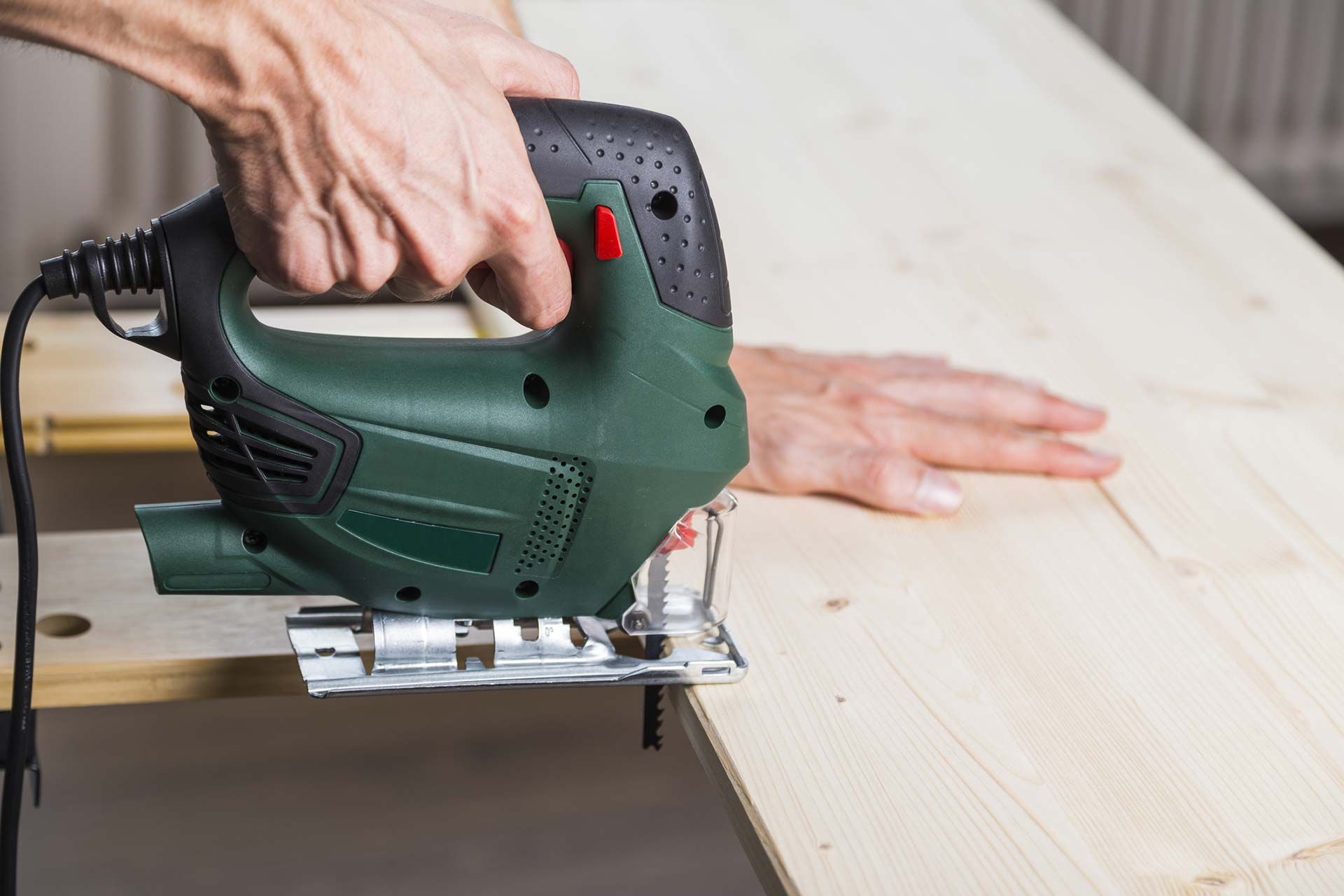
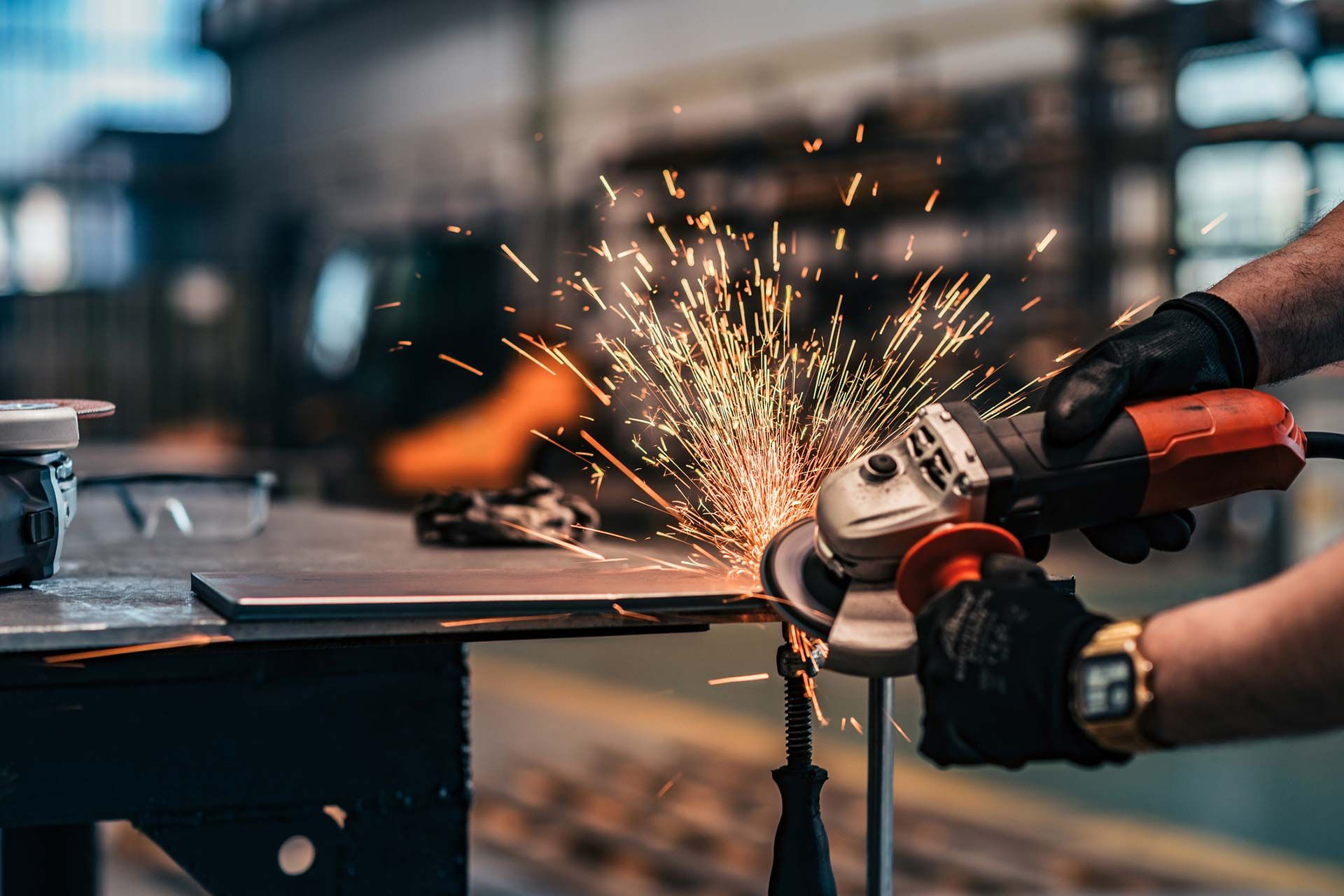
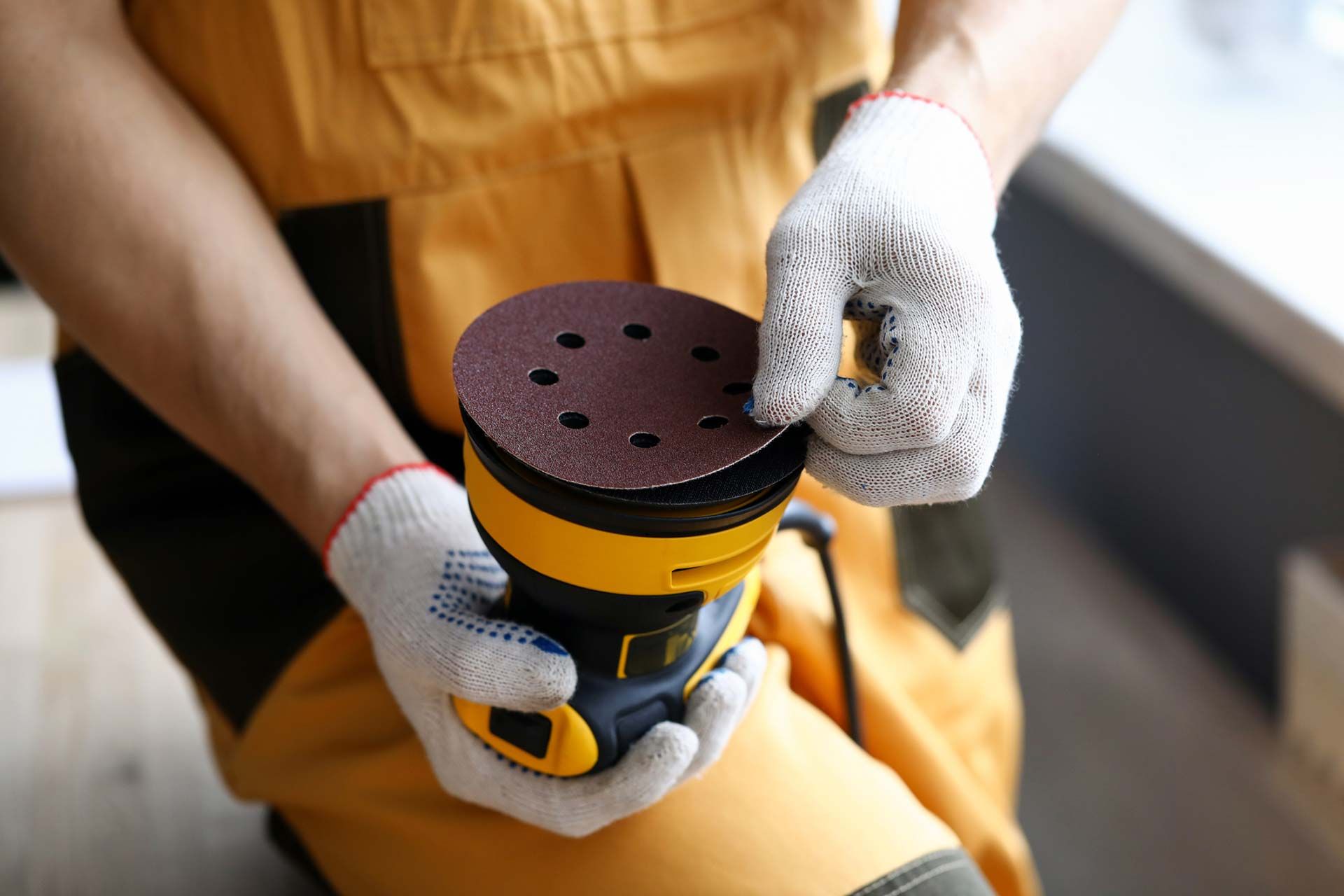
Power tools

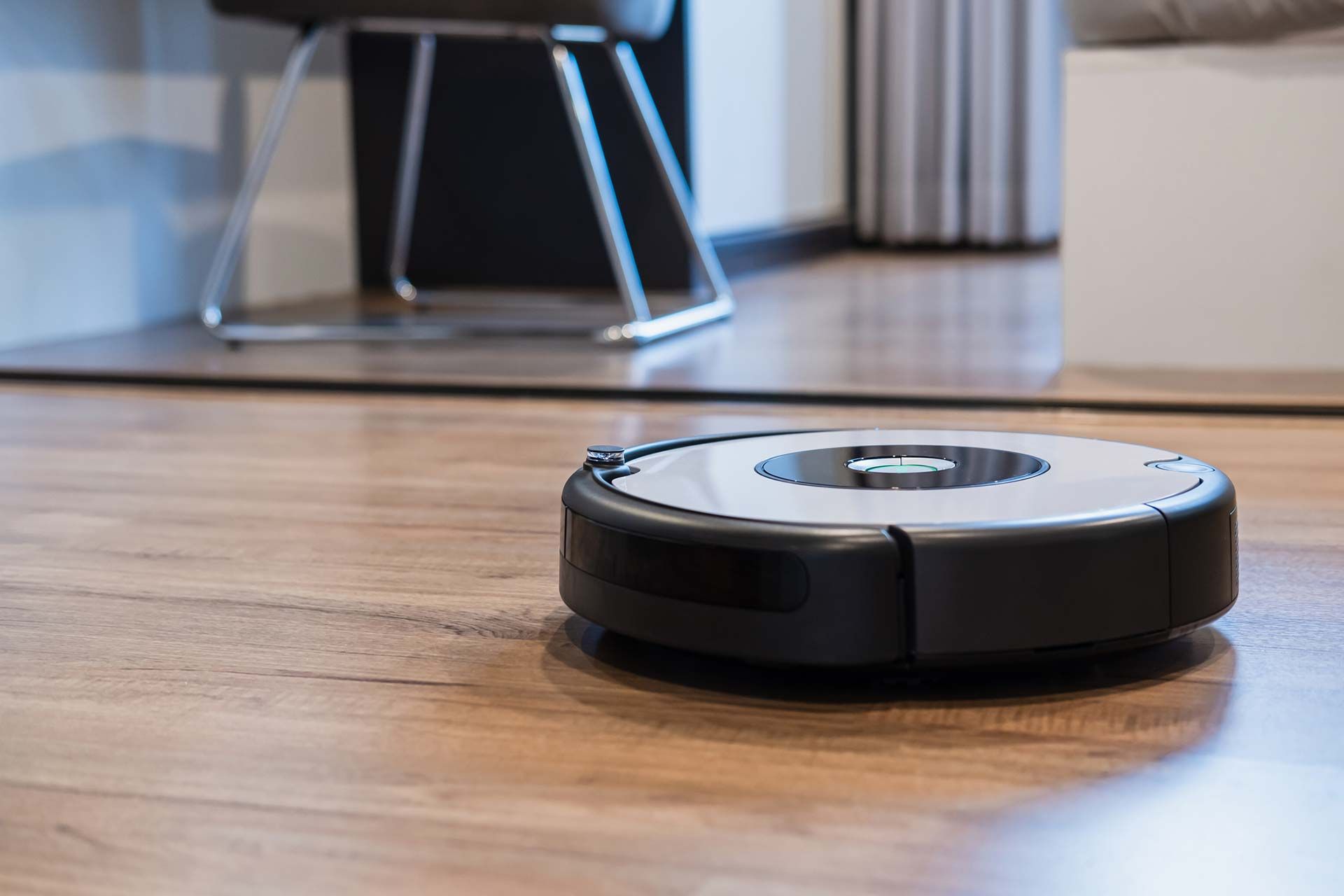
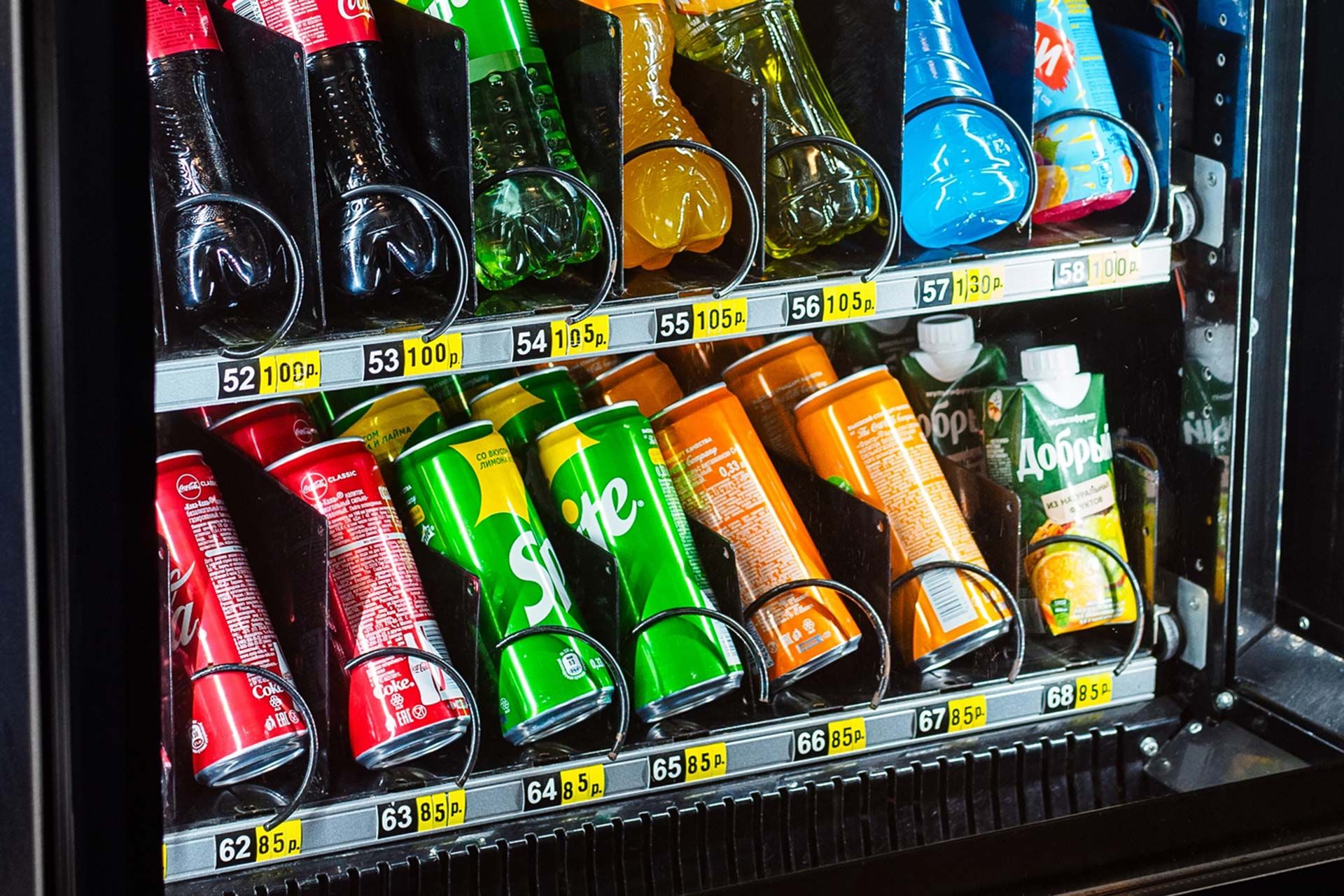
Consumer Goods
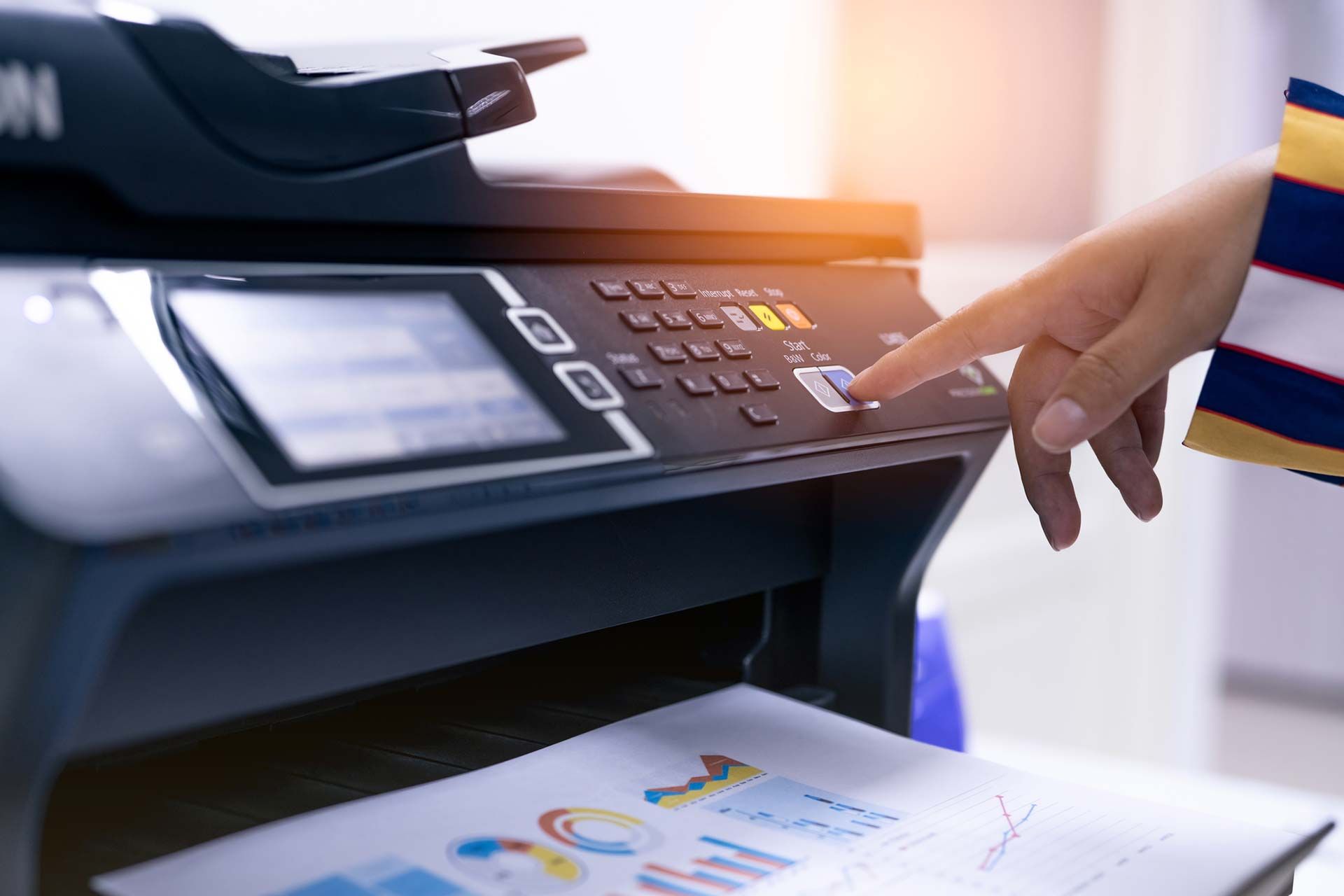



Other industries




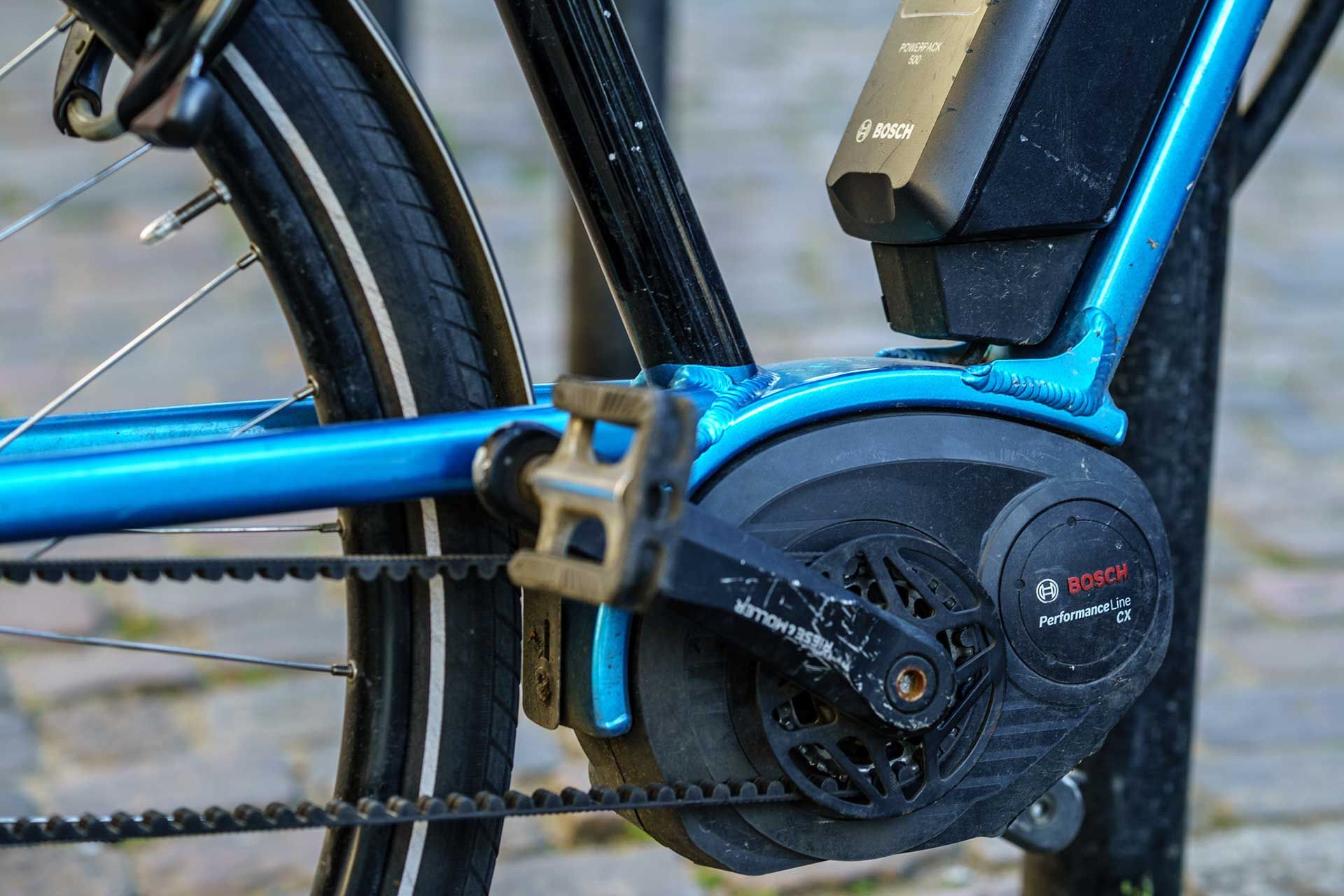
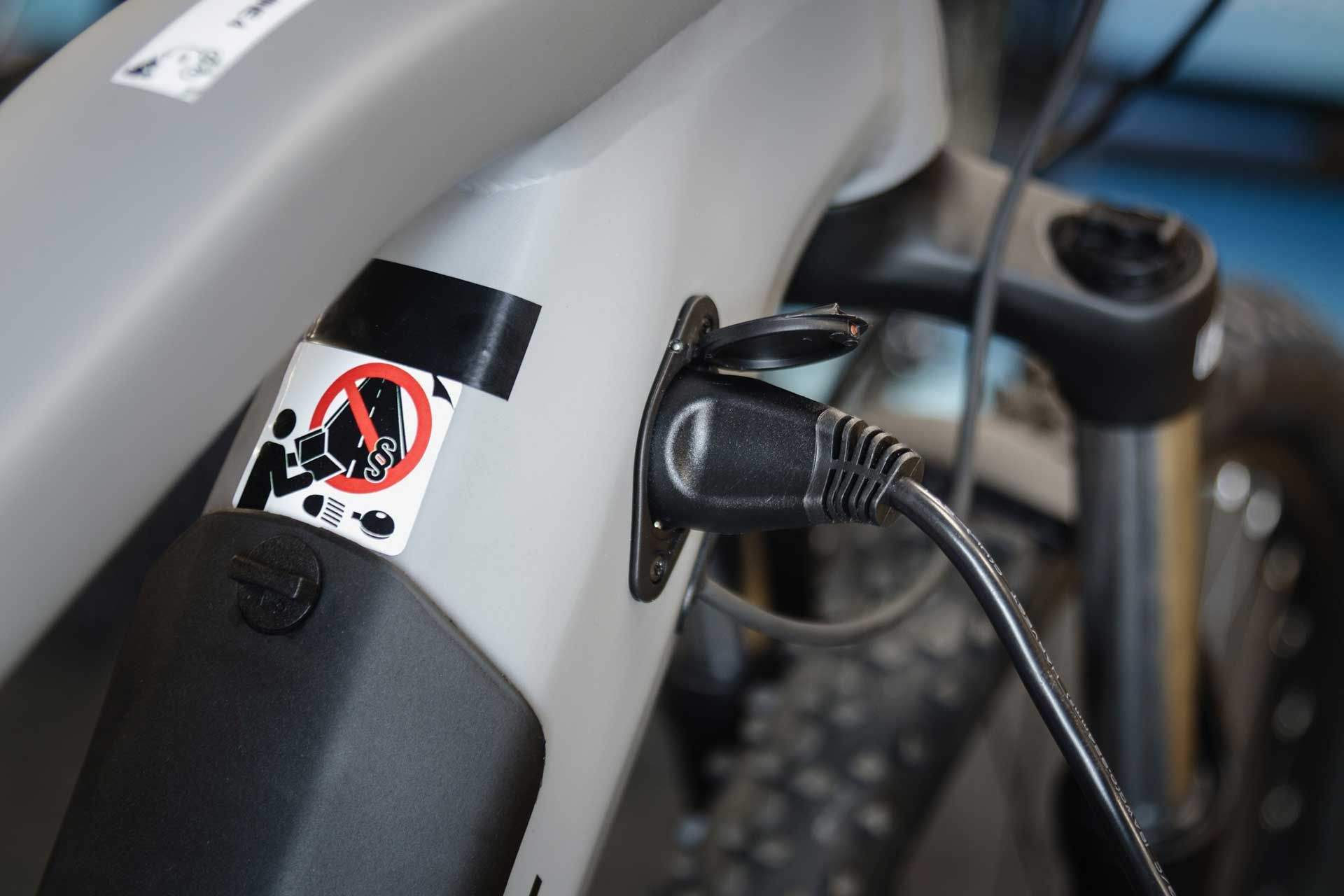
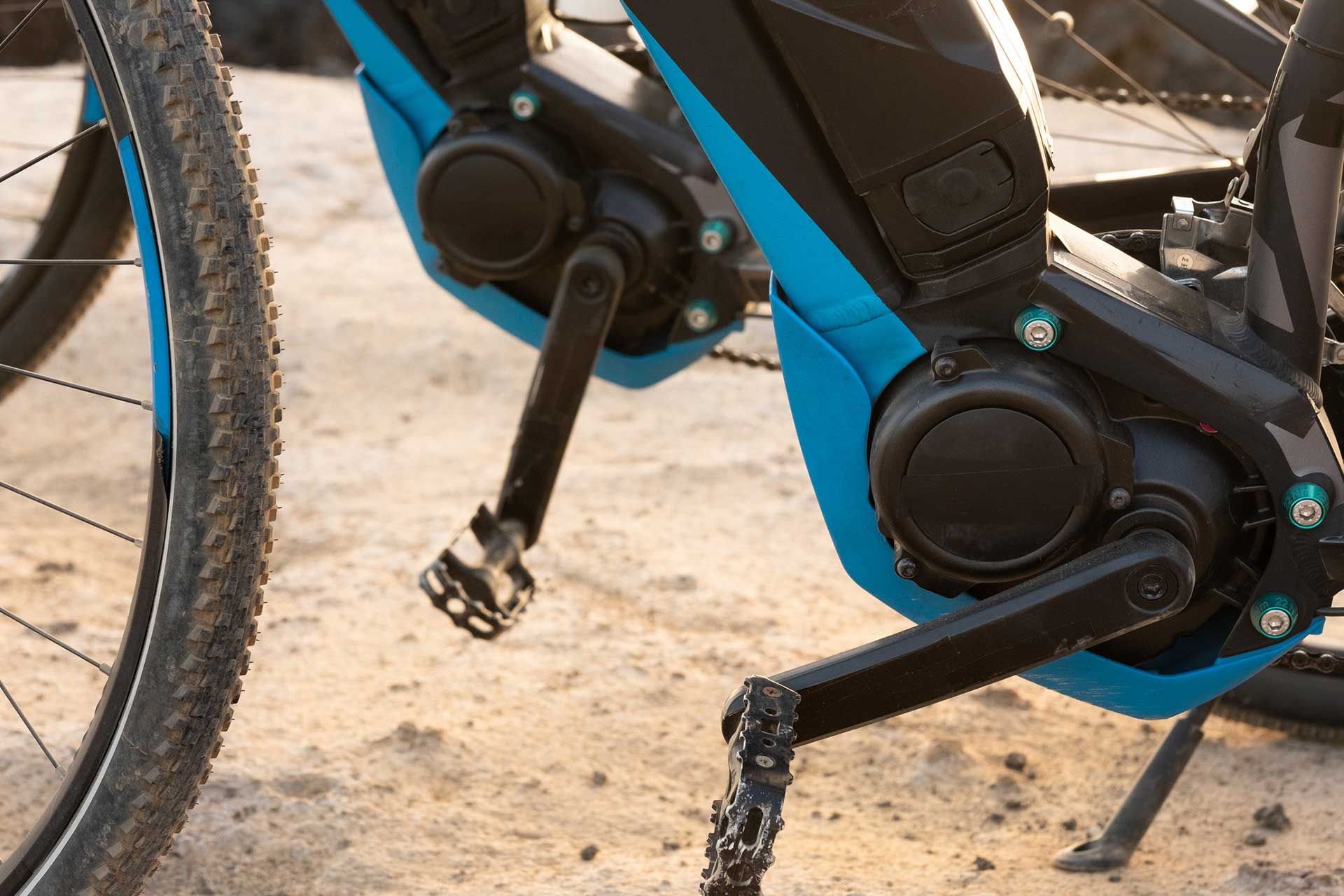
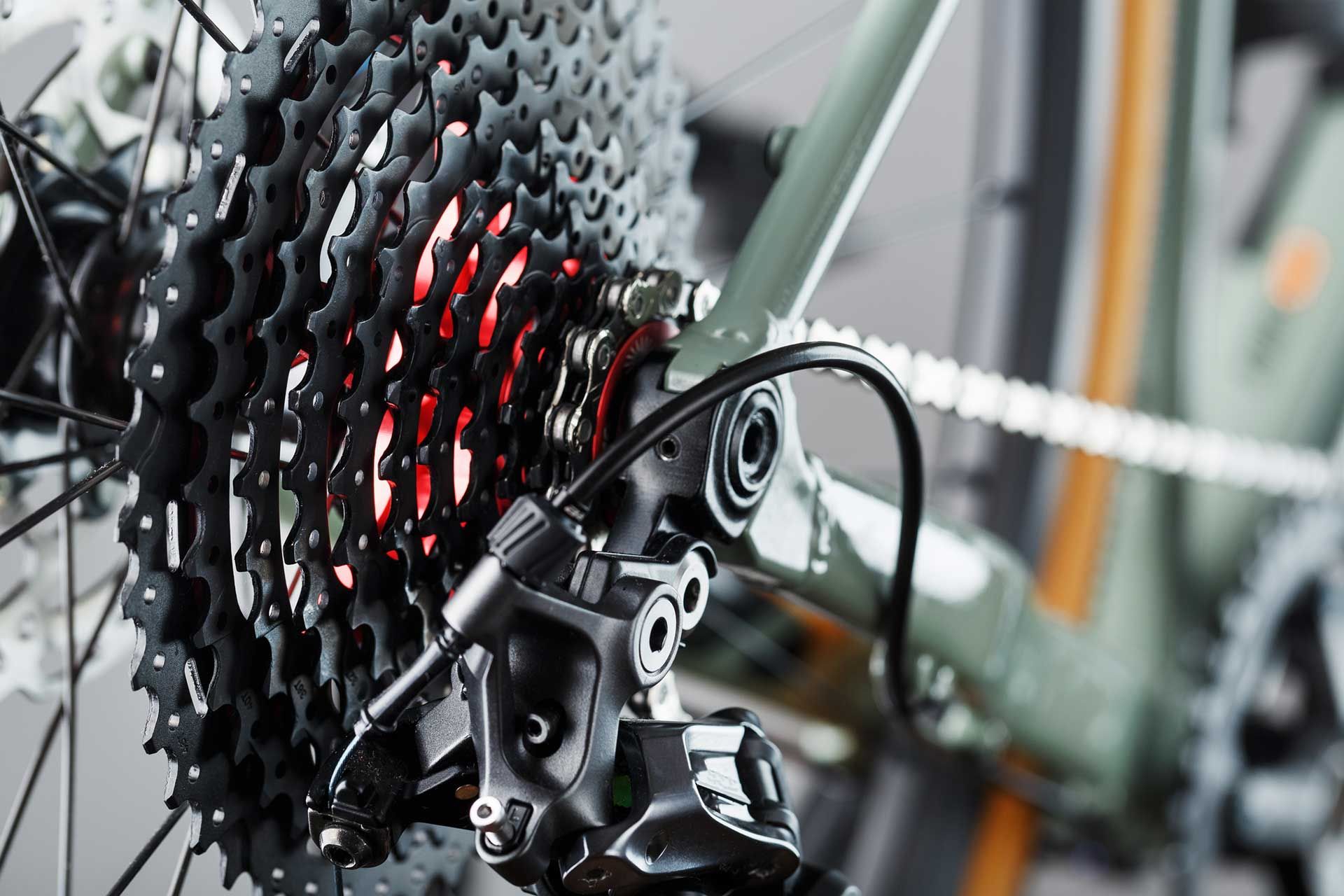
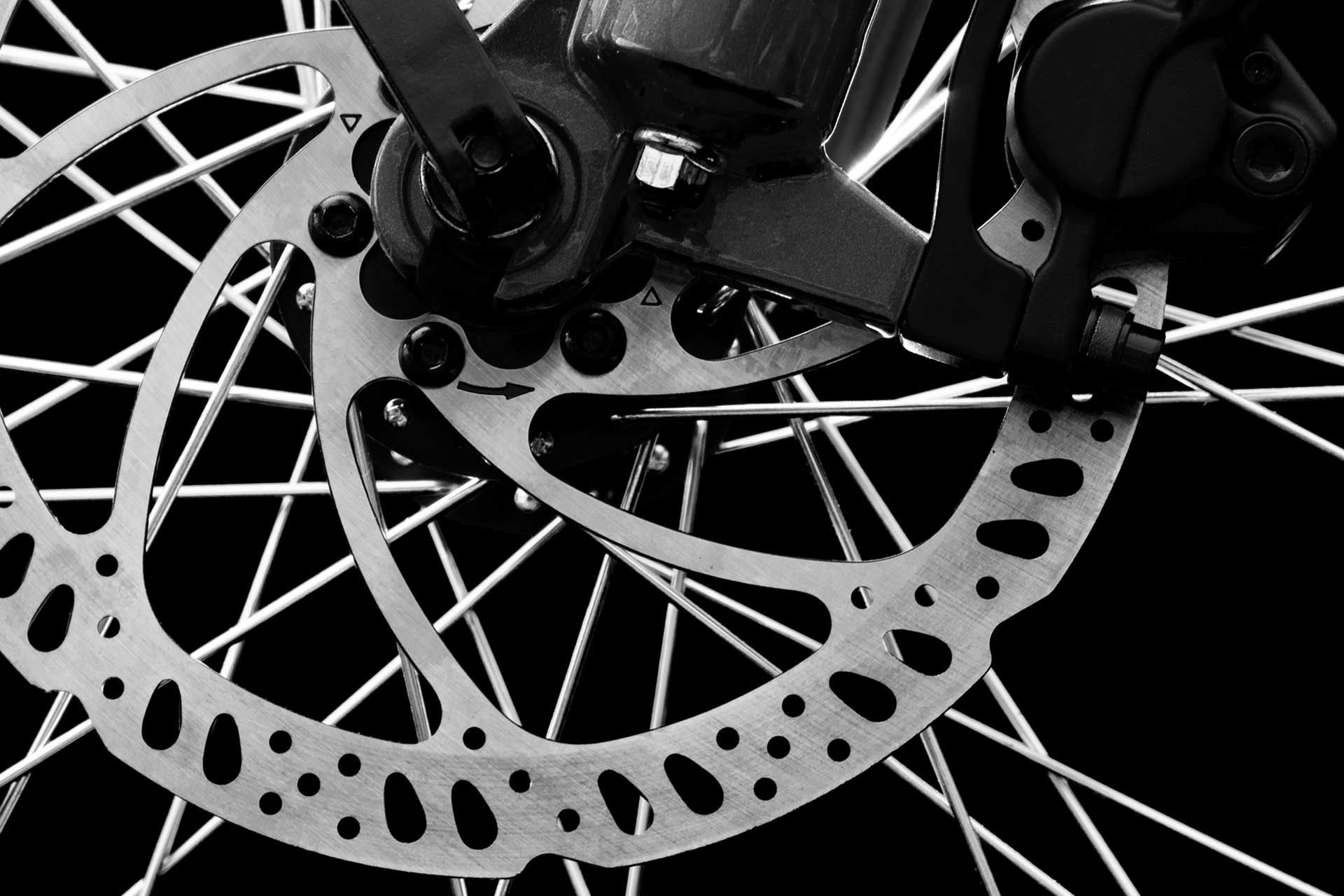
Applications for Bike and eBike


Frequently Asked Questions
What makes RPK Group's compression springs different from catalog spring suppliers?
RPK Group specializes in precision compression springs for demanding applications, high fatigue life, tight rate tolerances, elevated temperature performance, and complex geometries. We do not manufacture catalog springs. Every spring is engineered to the customer's application, with processes such as shot peening, presetting, and 100% inspection applied as required.
What causes spring relaxation, and how do you prevent it?
Spring relaxation (also called creep or set) occurs when a spring loses free length or load under sustained compression, especially at elevated temperatures. RPK Group controls relaxation through proper material selection (chrome silicon and stainless steel resist relaxation better than standard carbon steel), hot presetting (compressing the spring at an elevated temperature to pre-induce the set before delivery), and shot peening (which introduces compressive residual stress that resists relaxation and set).
What are the typical automotive applications for precision compression springs?
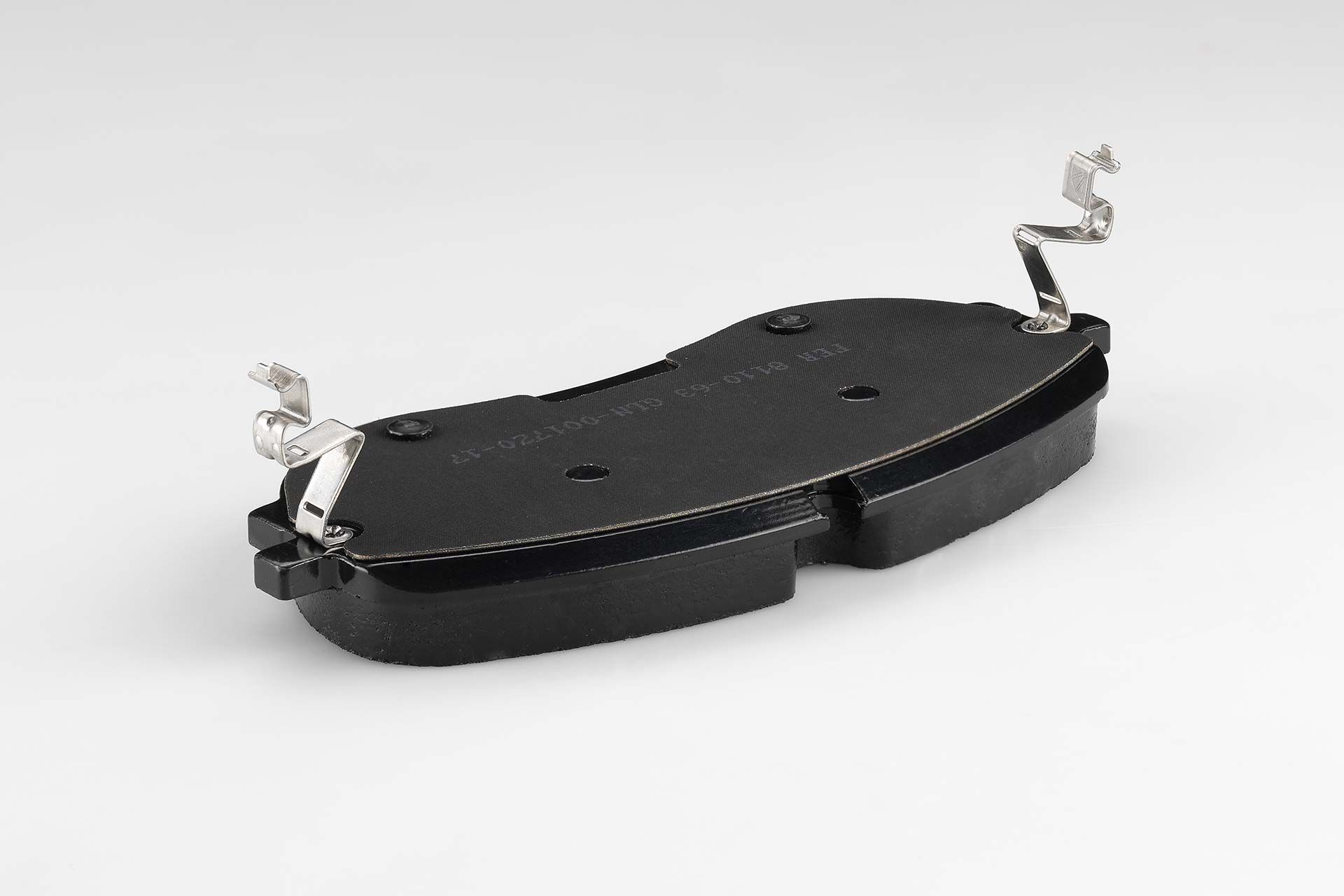
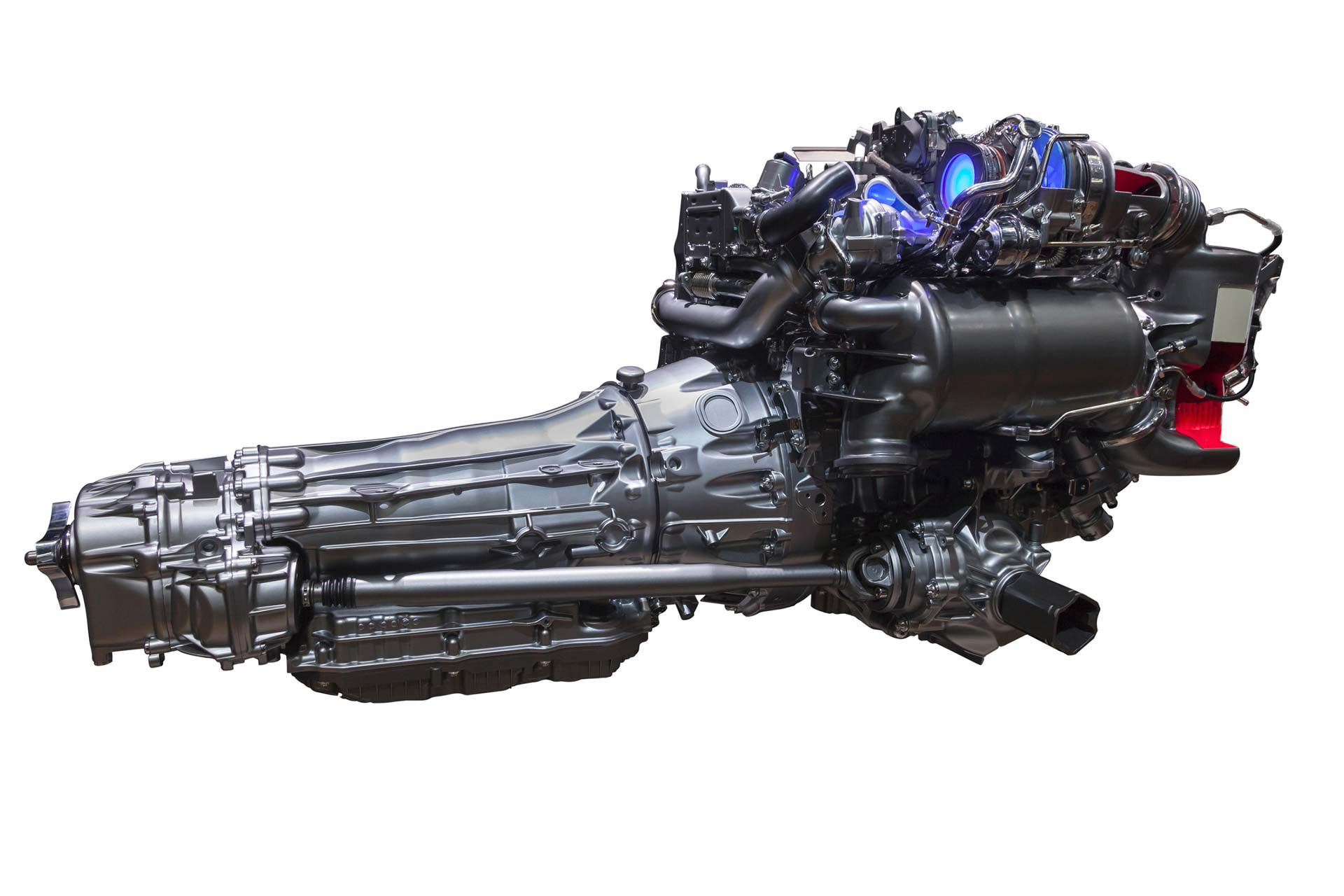
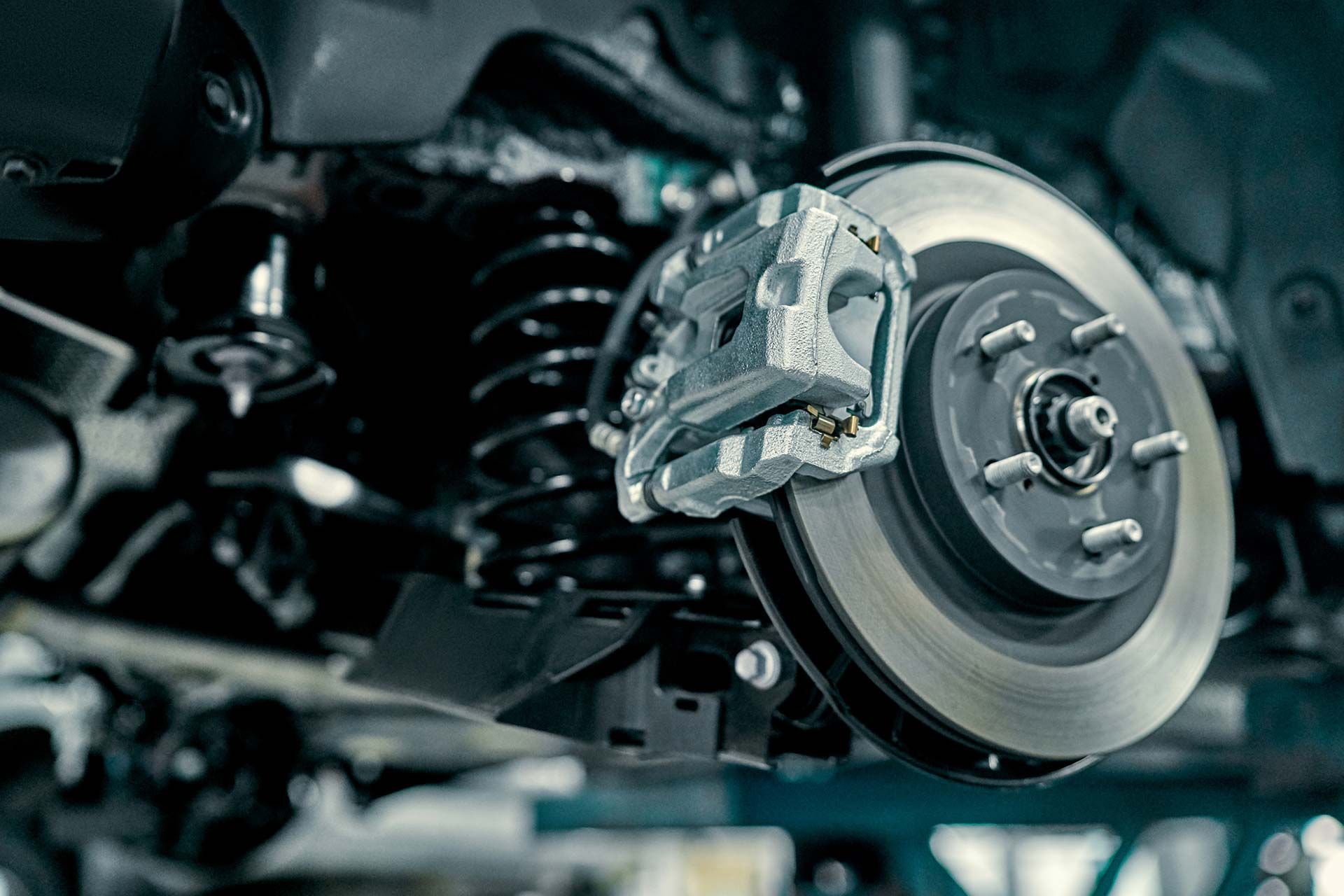
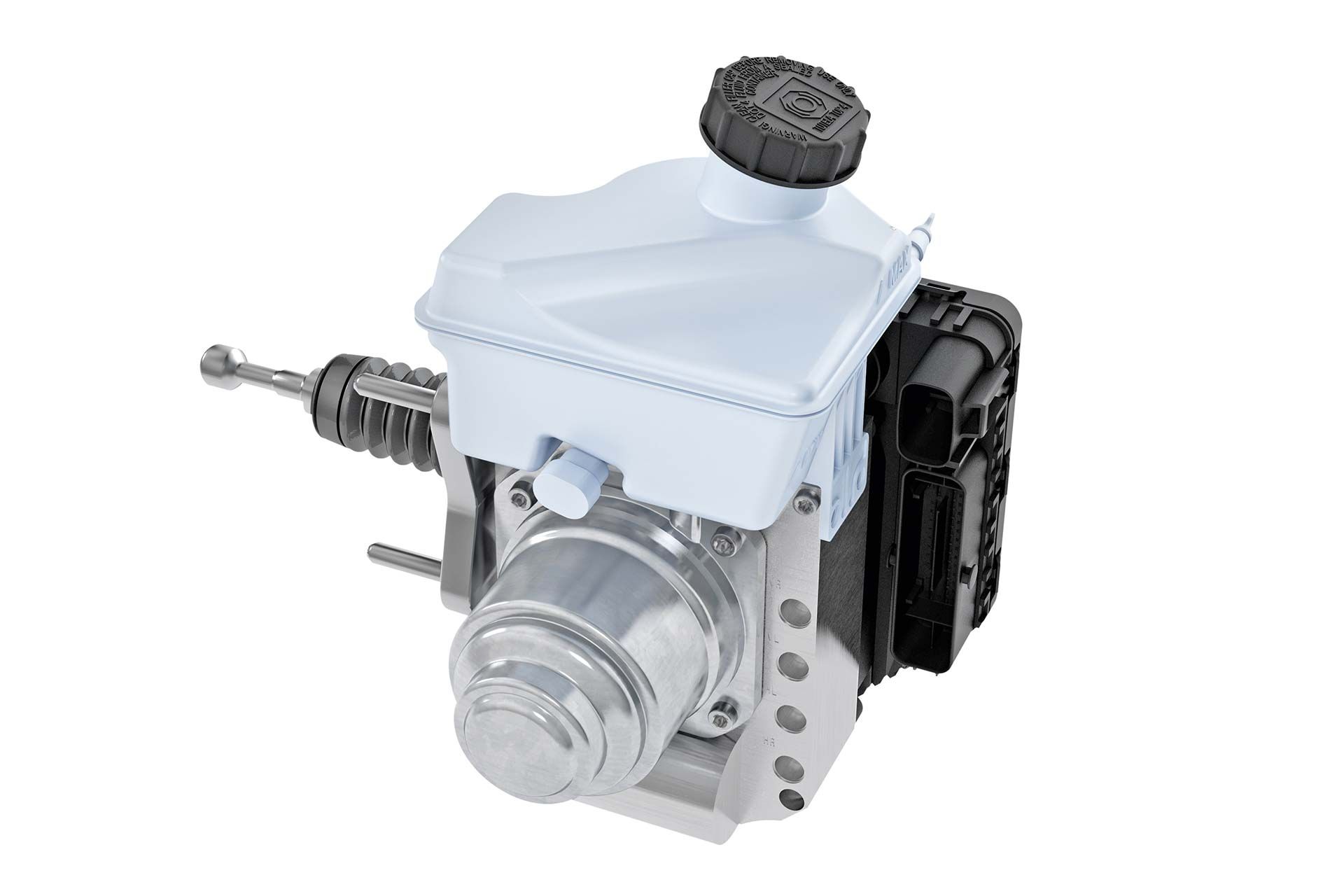
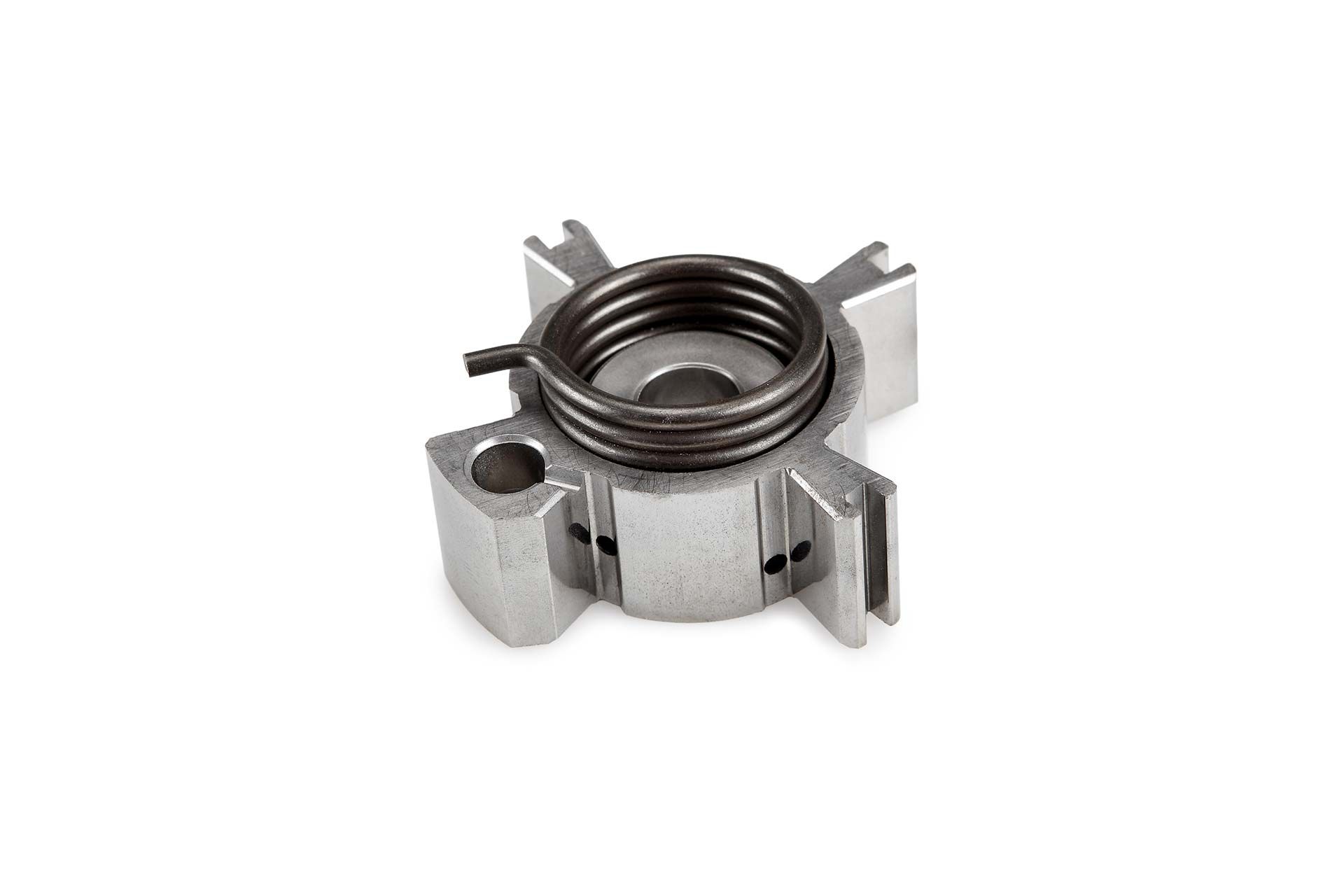
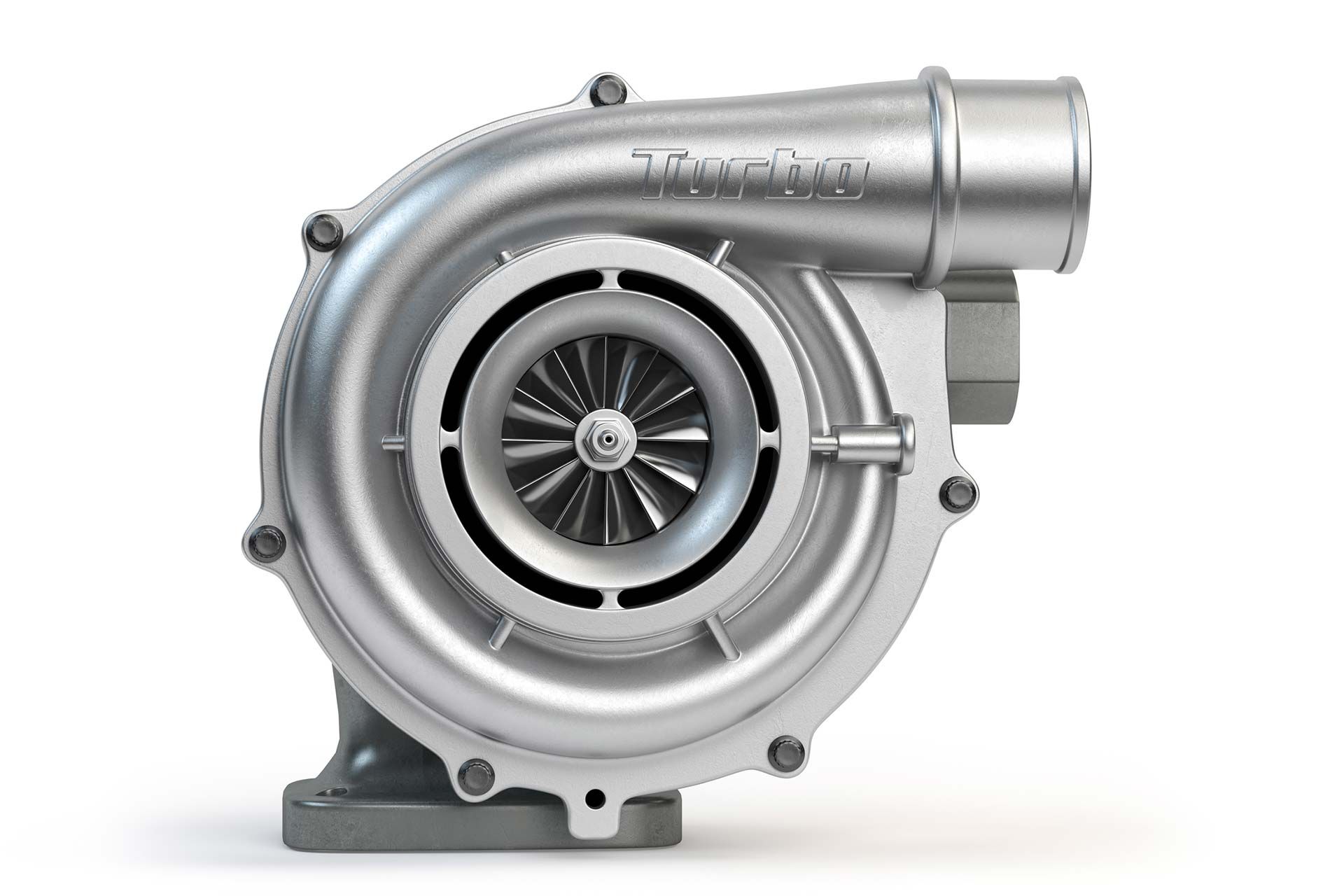
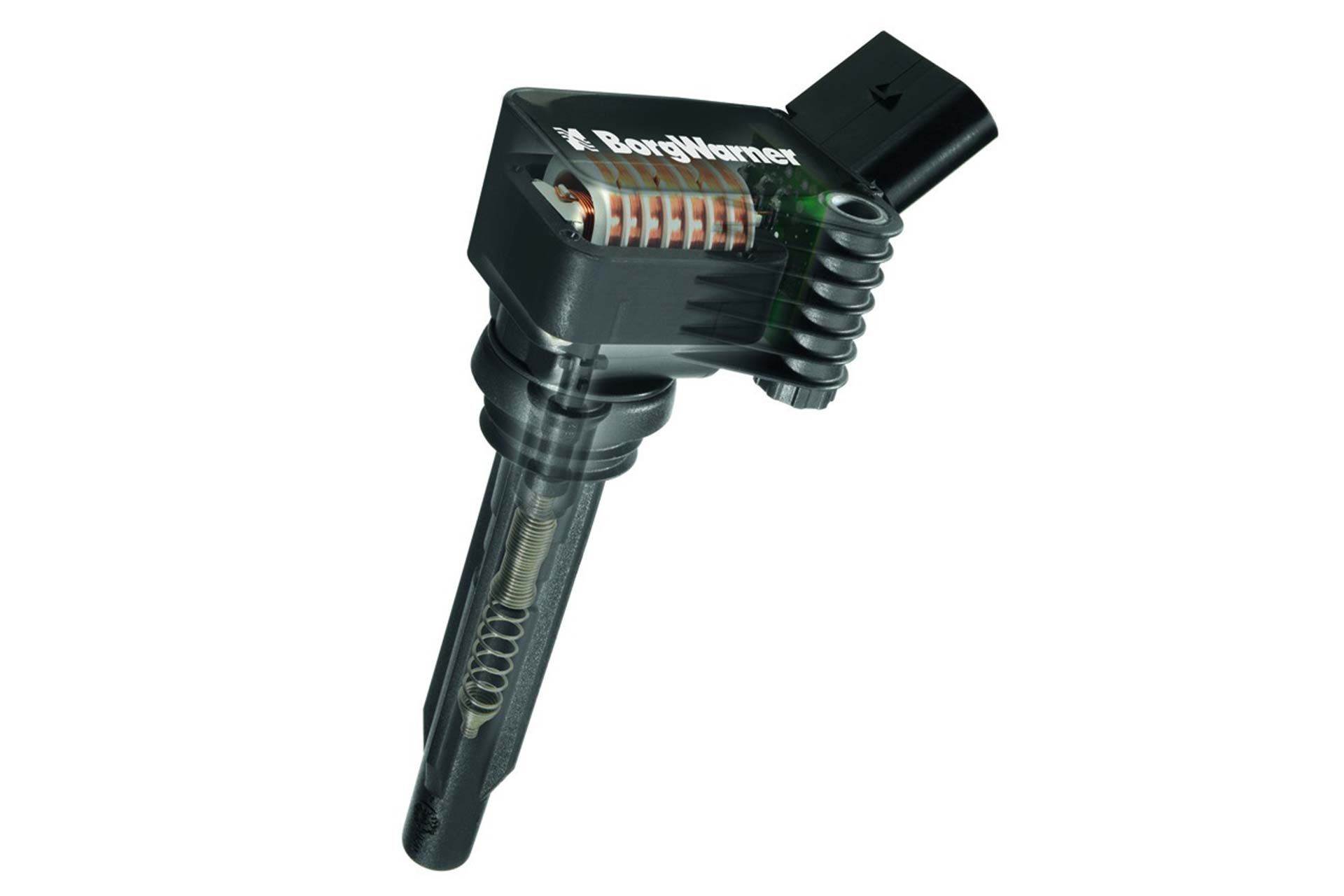
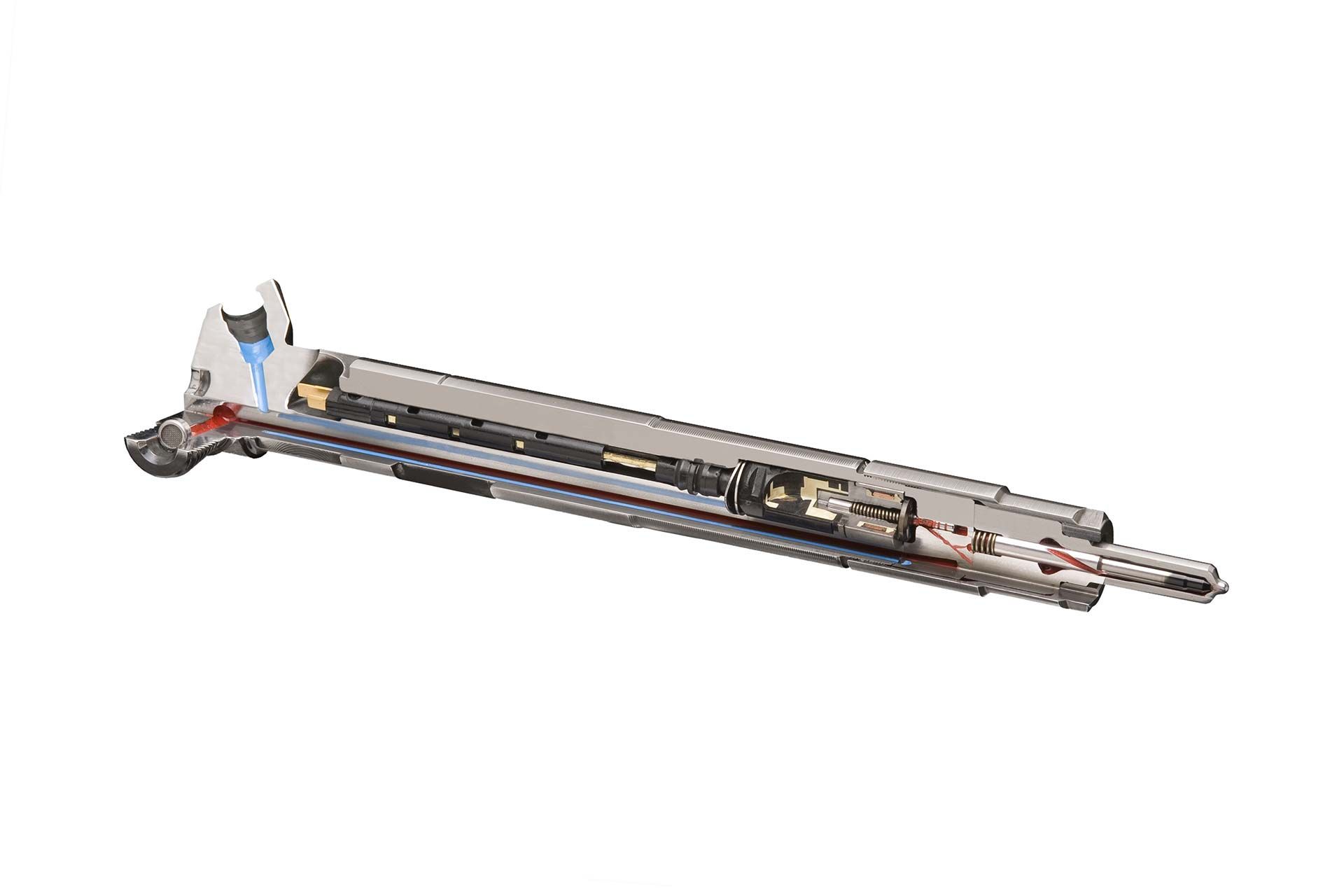
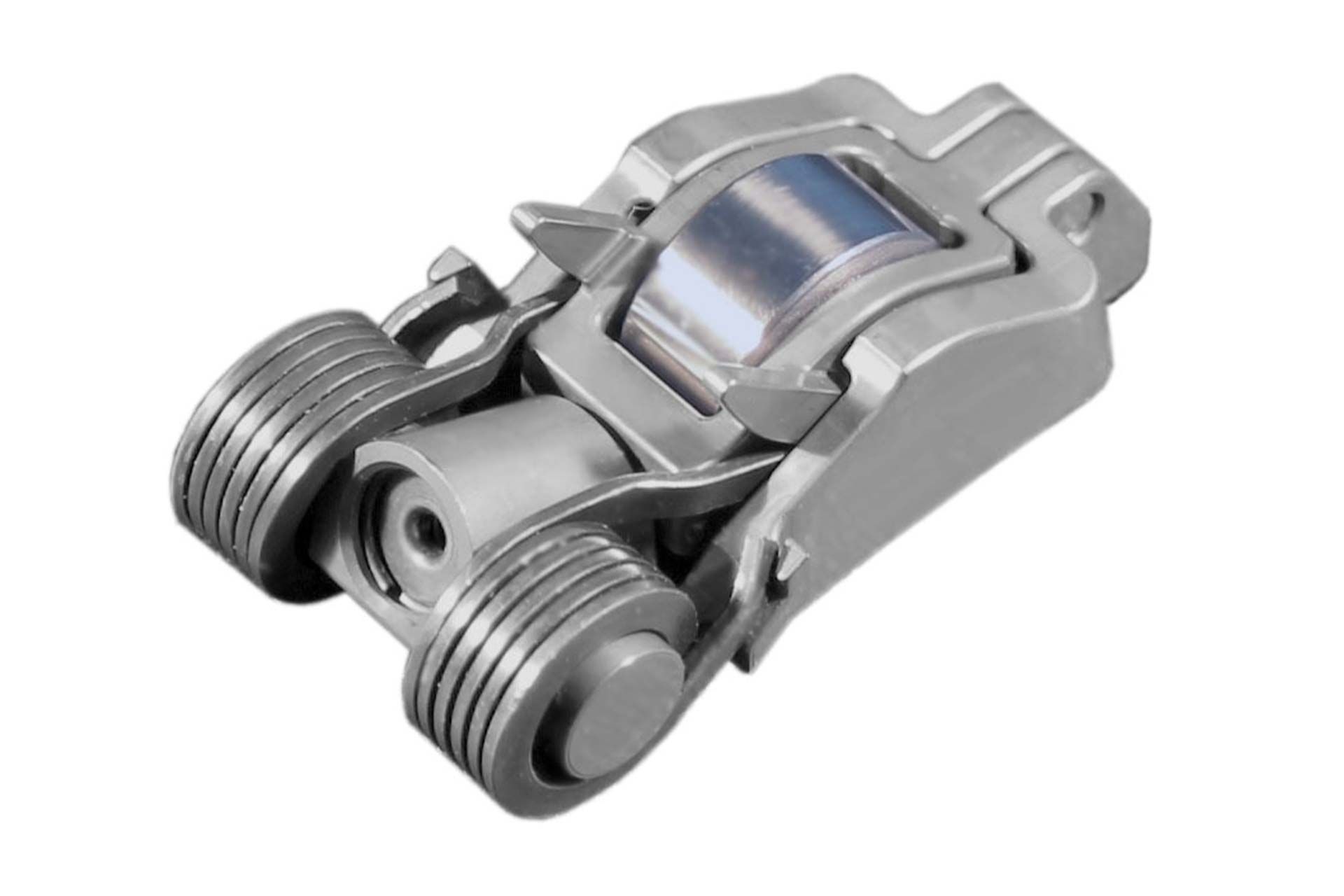
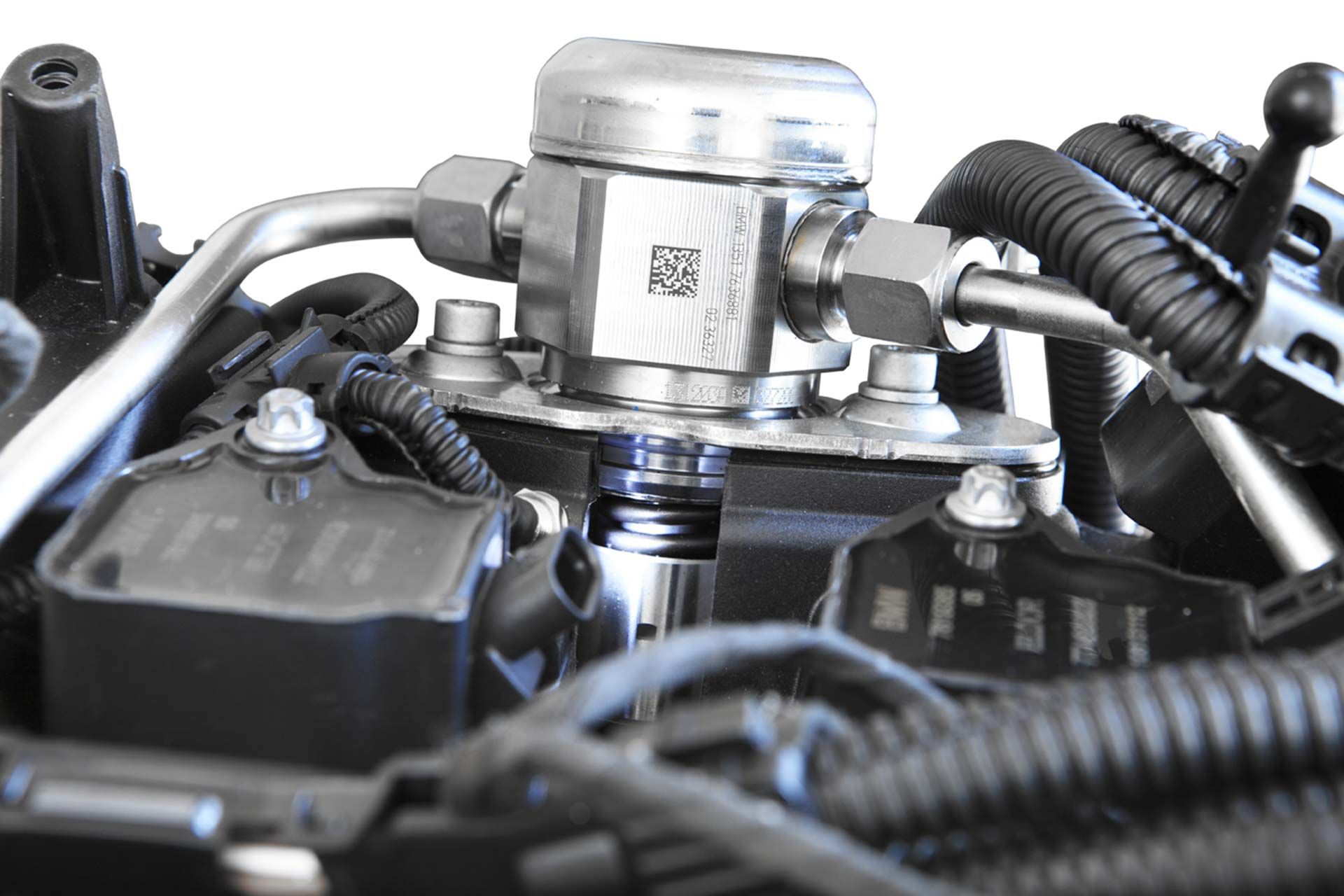
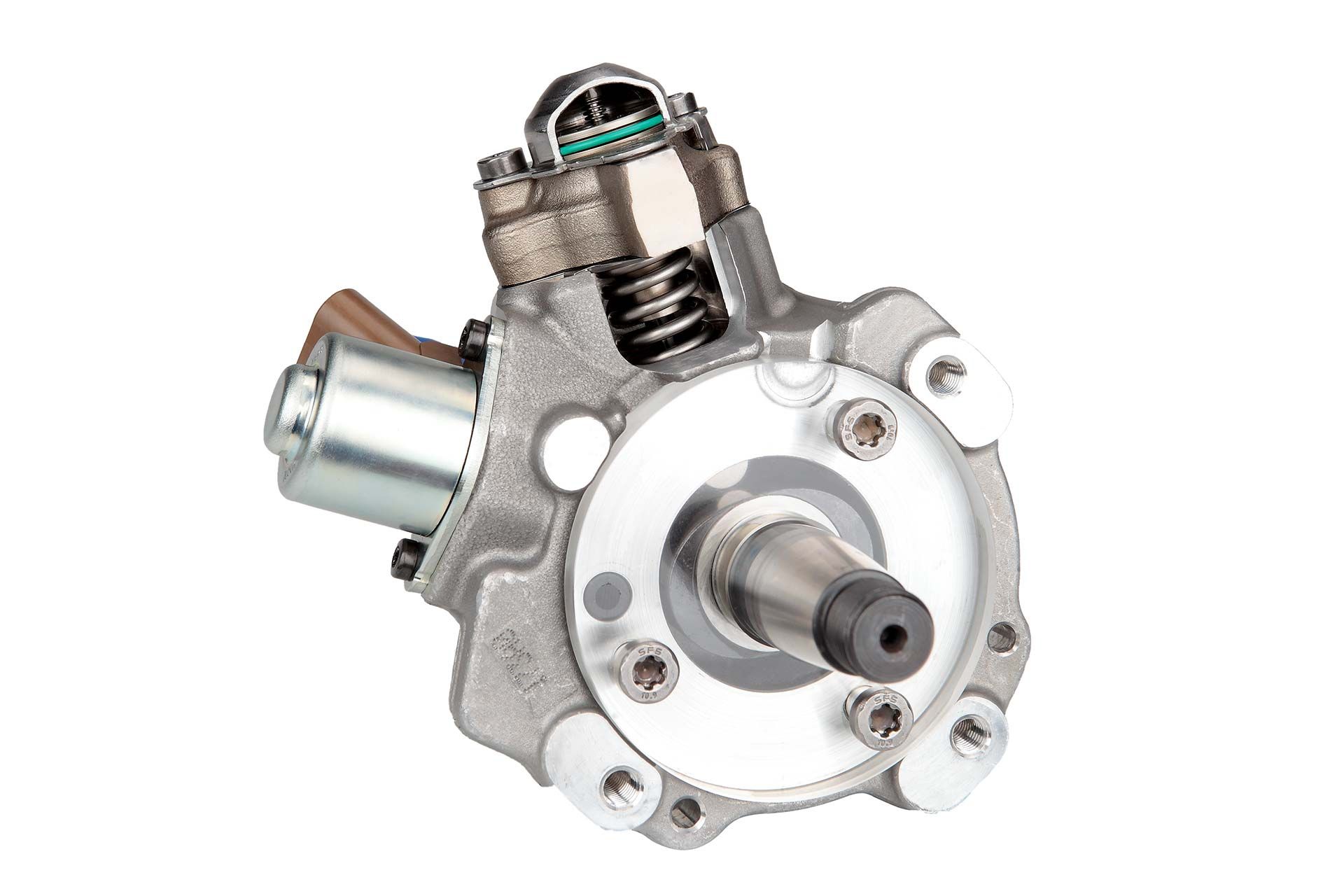
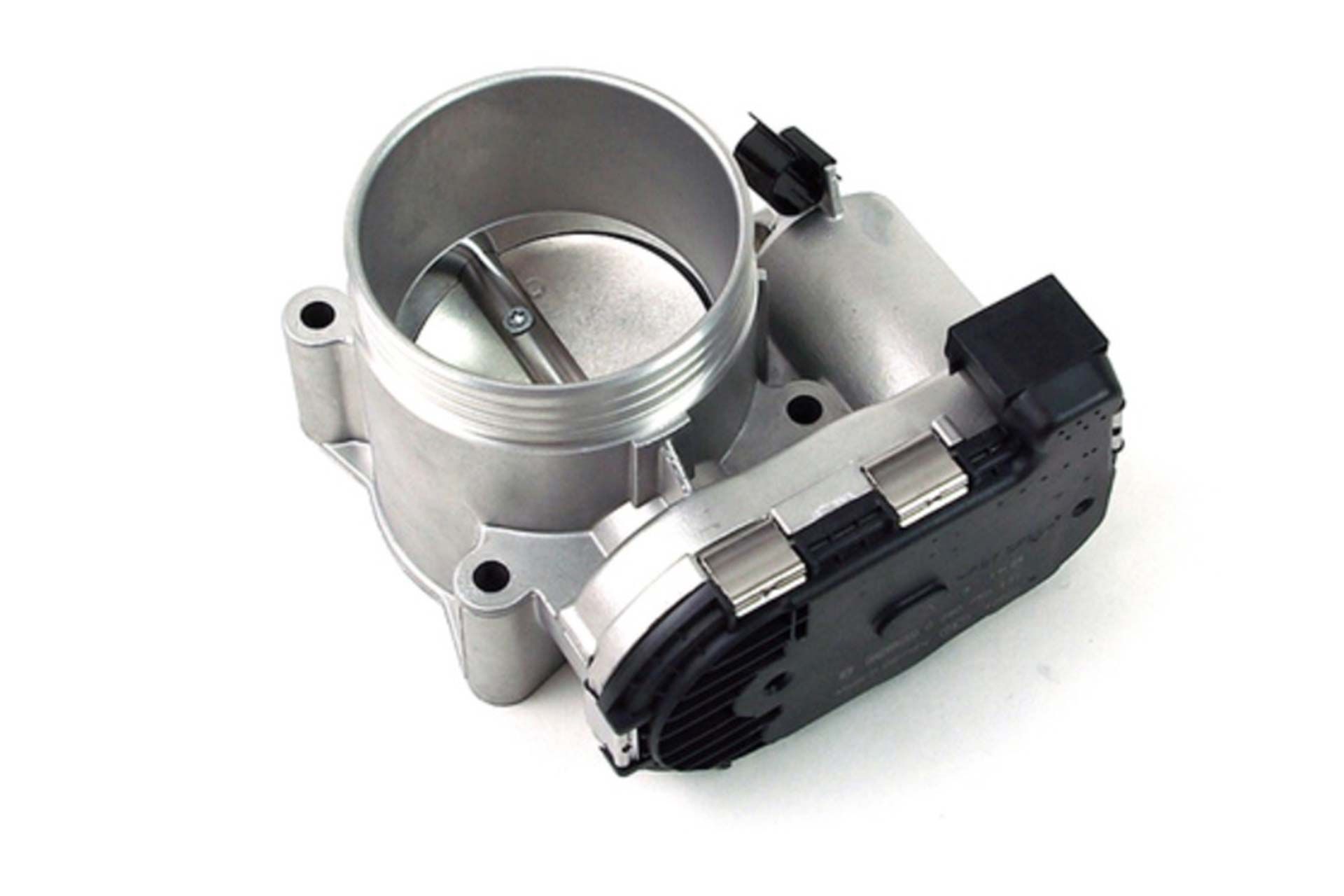
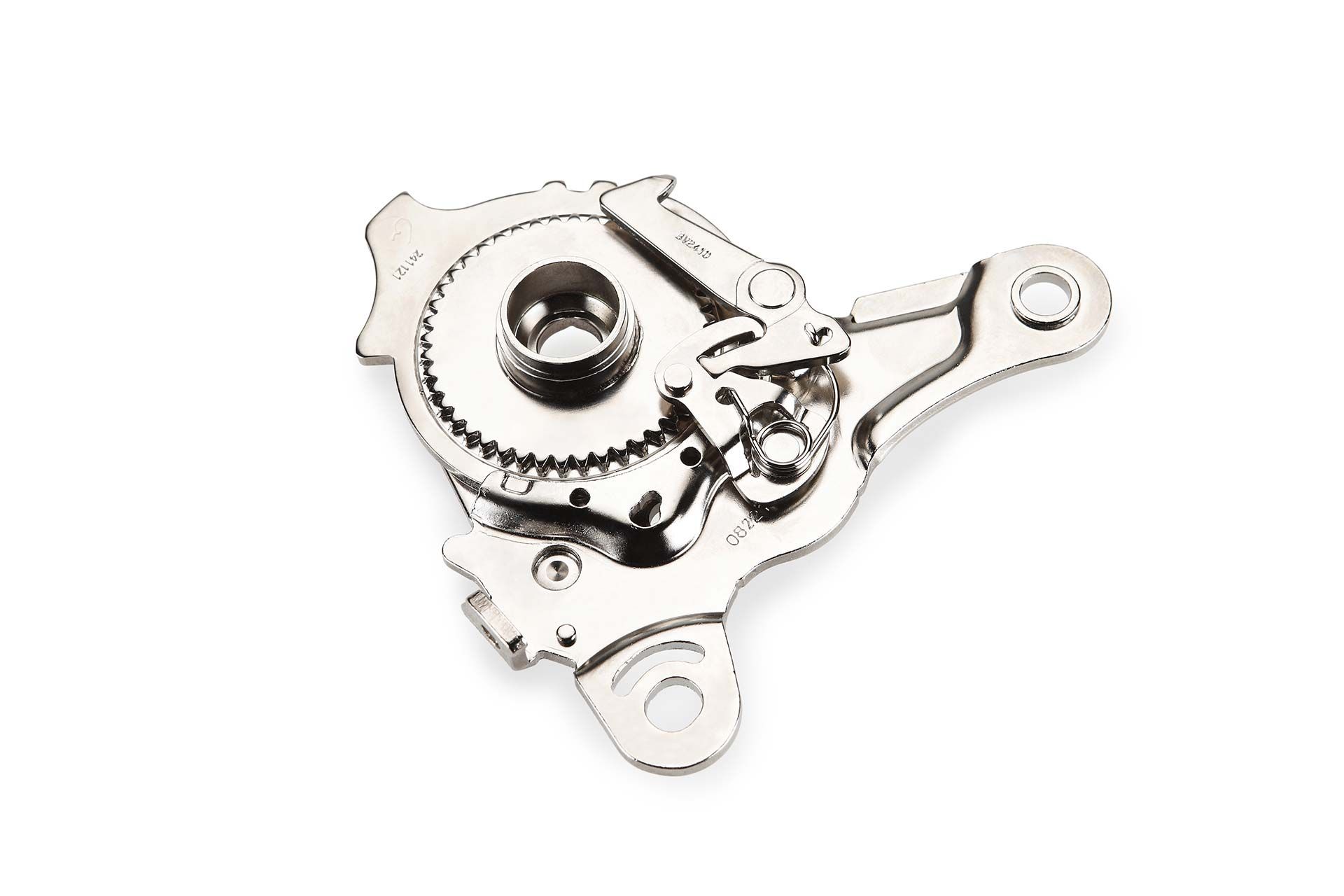
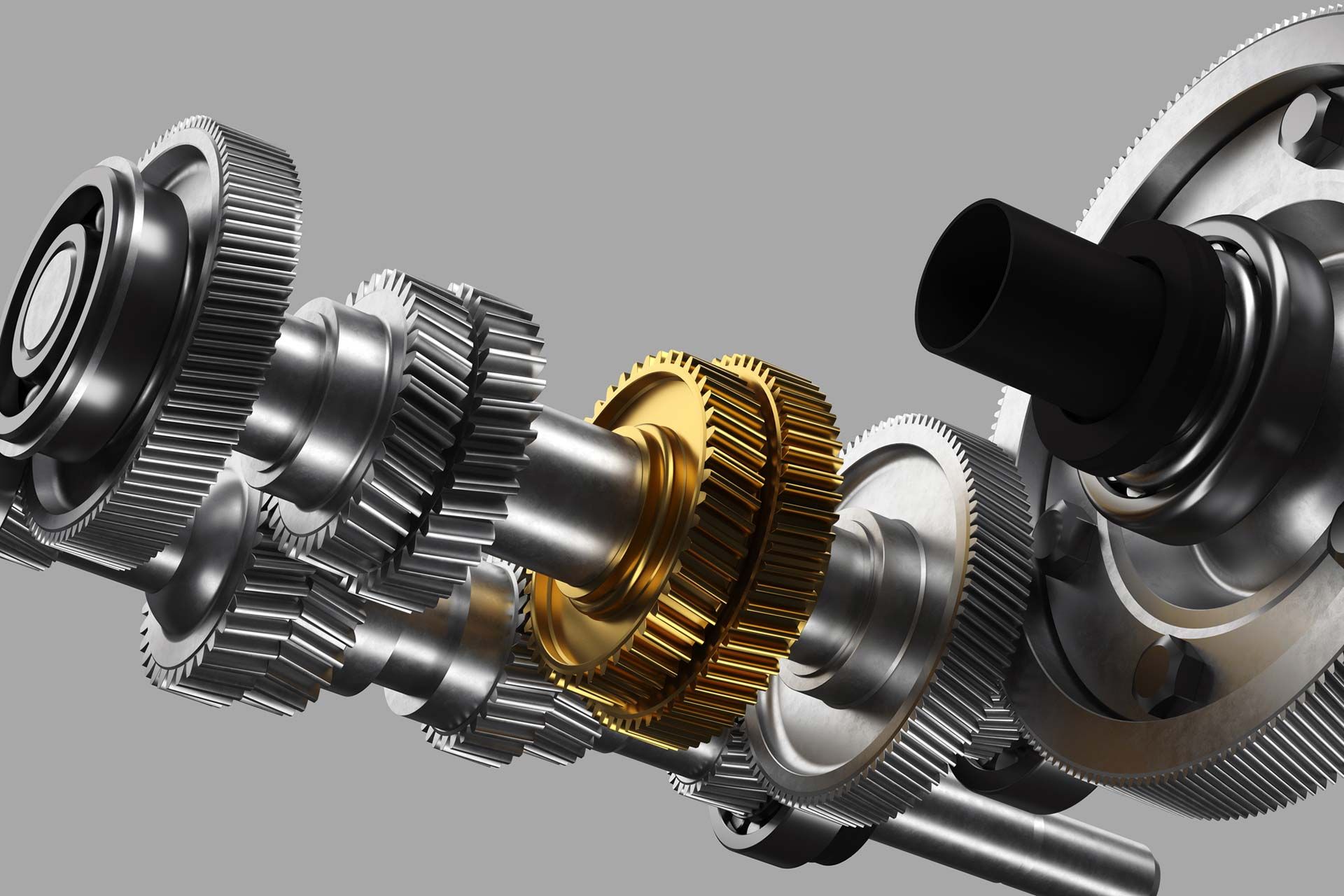
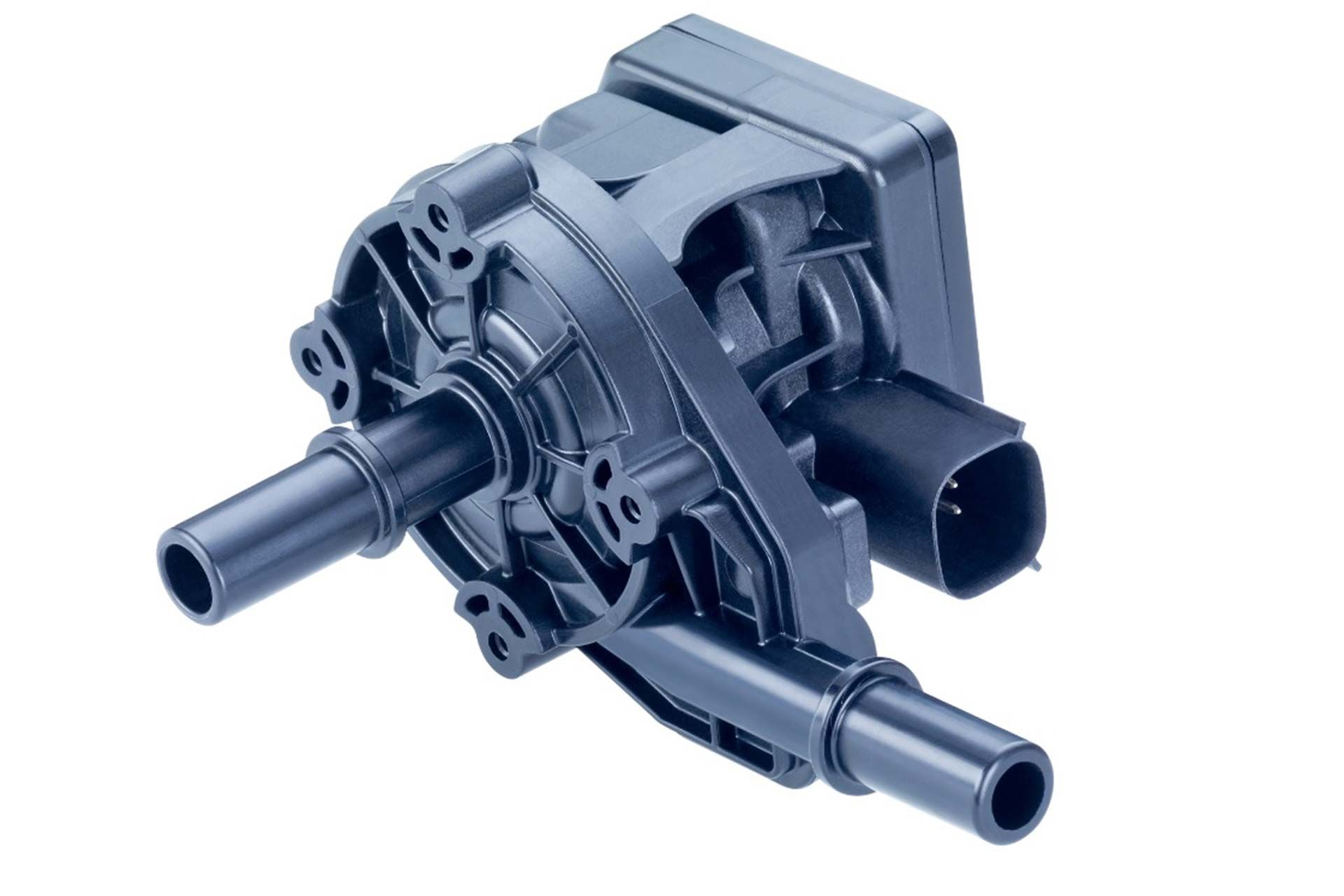
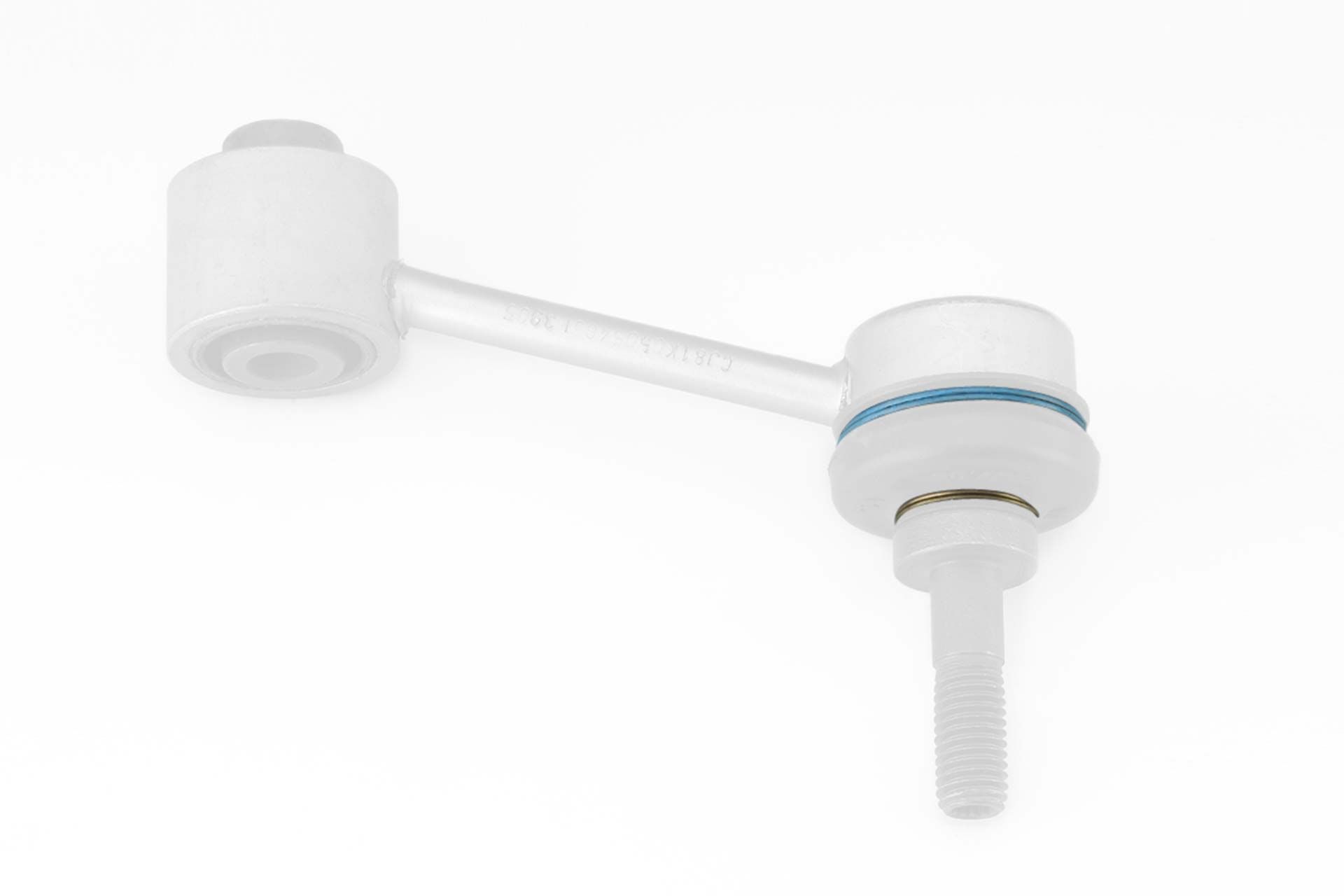
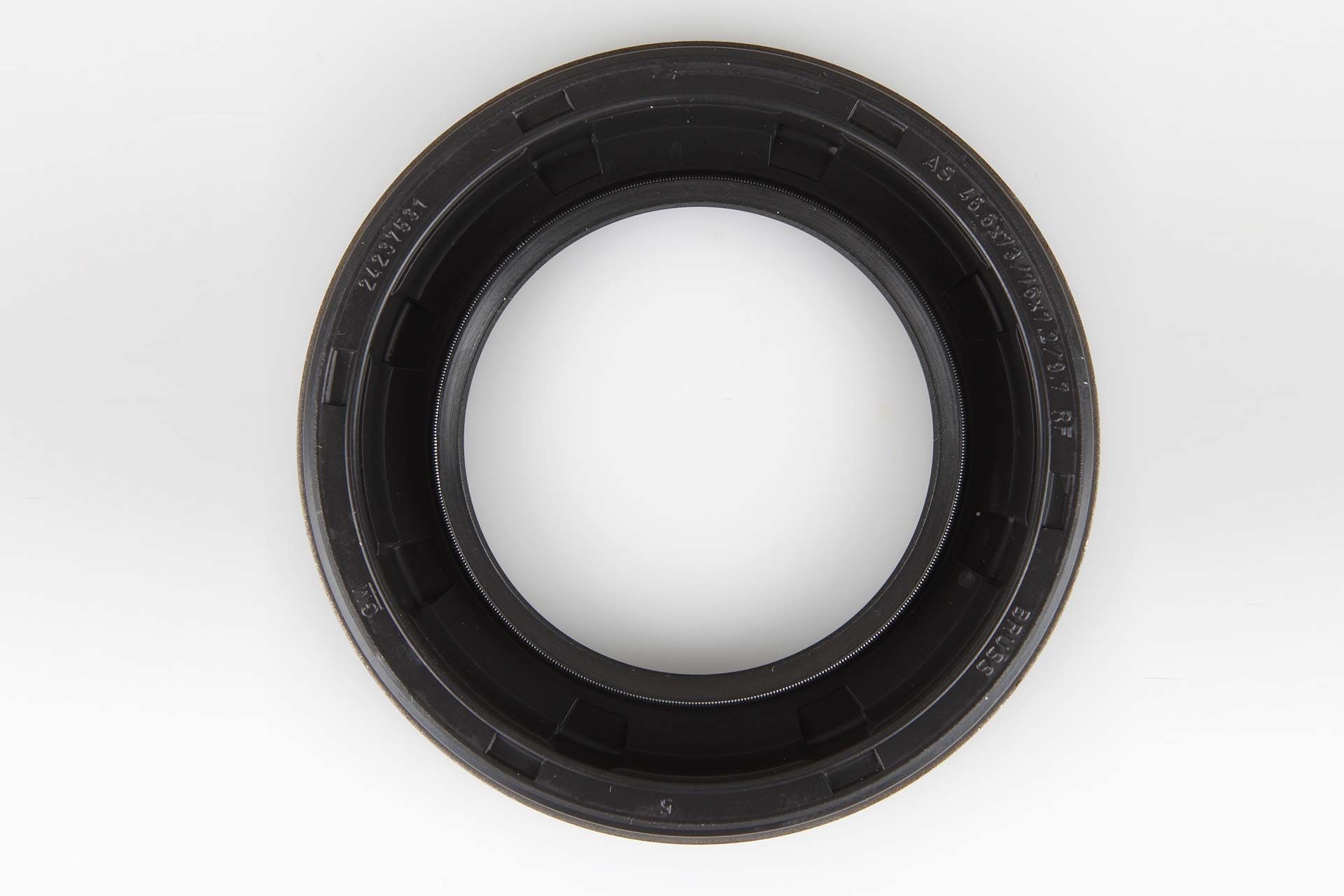
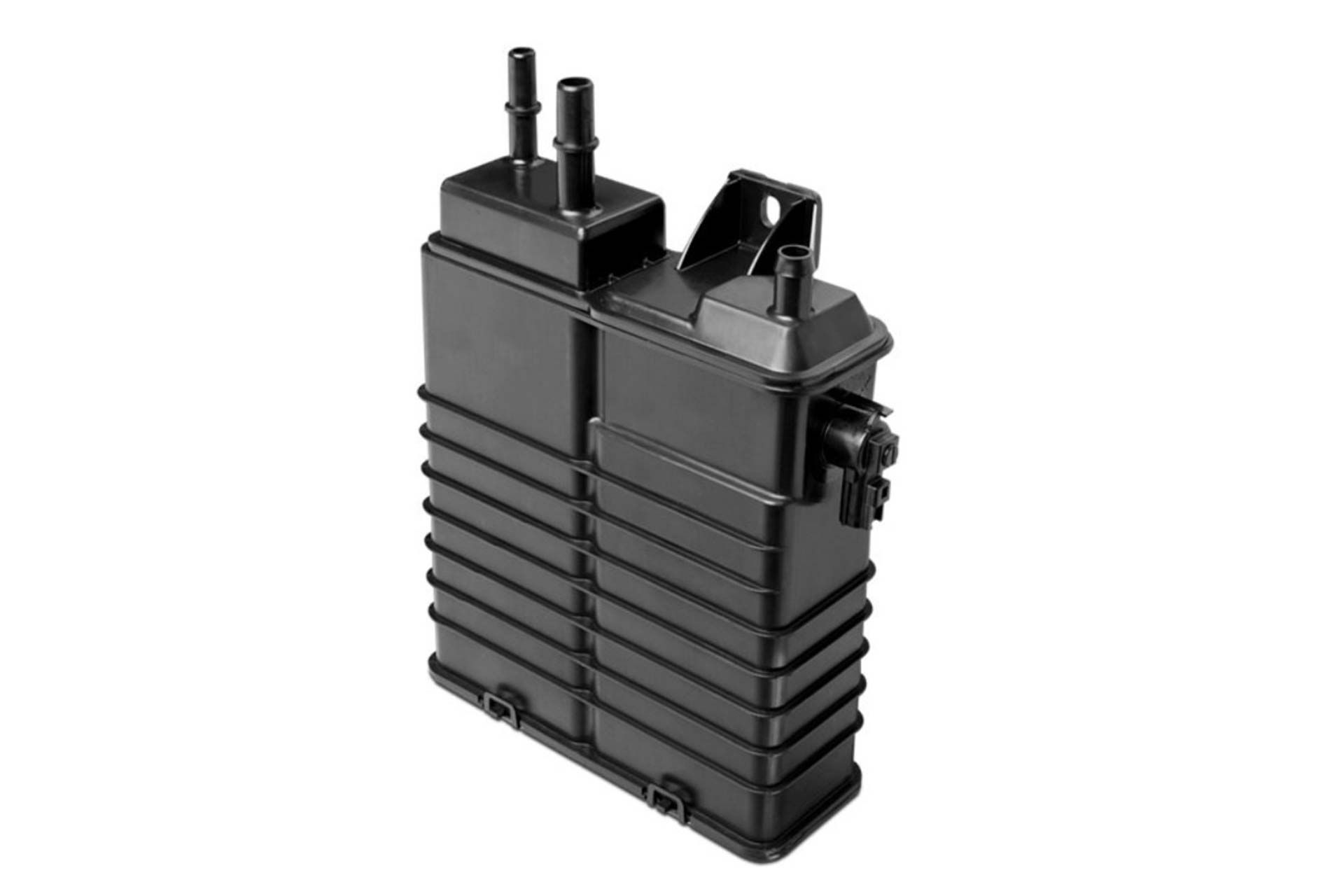
Automotive compression springs from RPK Group serve fuel injection systems, transmission valves, brake calipers, turbocharger actuators, suspension bump stops, safety belt mechanisms, and clutch assemblies. Each application has specific fatigue life, load tolerance, and material requirements that we engineer into the design from the outset.
Can you manufacture compression springs for EV drivetrains?
Yes. EV applications include thermal-management valve springs, battery-cell retention springs, contactless retention mechanisms, and actuator return springs. Materials for EV environments are selected for thermal stability and resistance to electrolytic corrosion in battery management system assemblies.
When should I choose a wave spring instead of a compression spring?
When axial space or weight is constrained. A wave spring can deliver the same load in up to 50% less height. We design both and help you choose based on load, deflection, and space.
Do your compression springs meet medical device requirements?
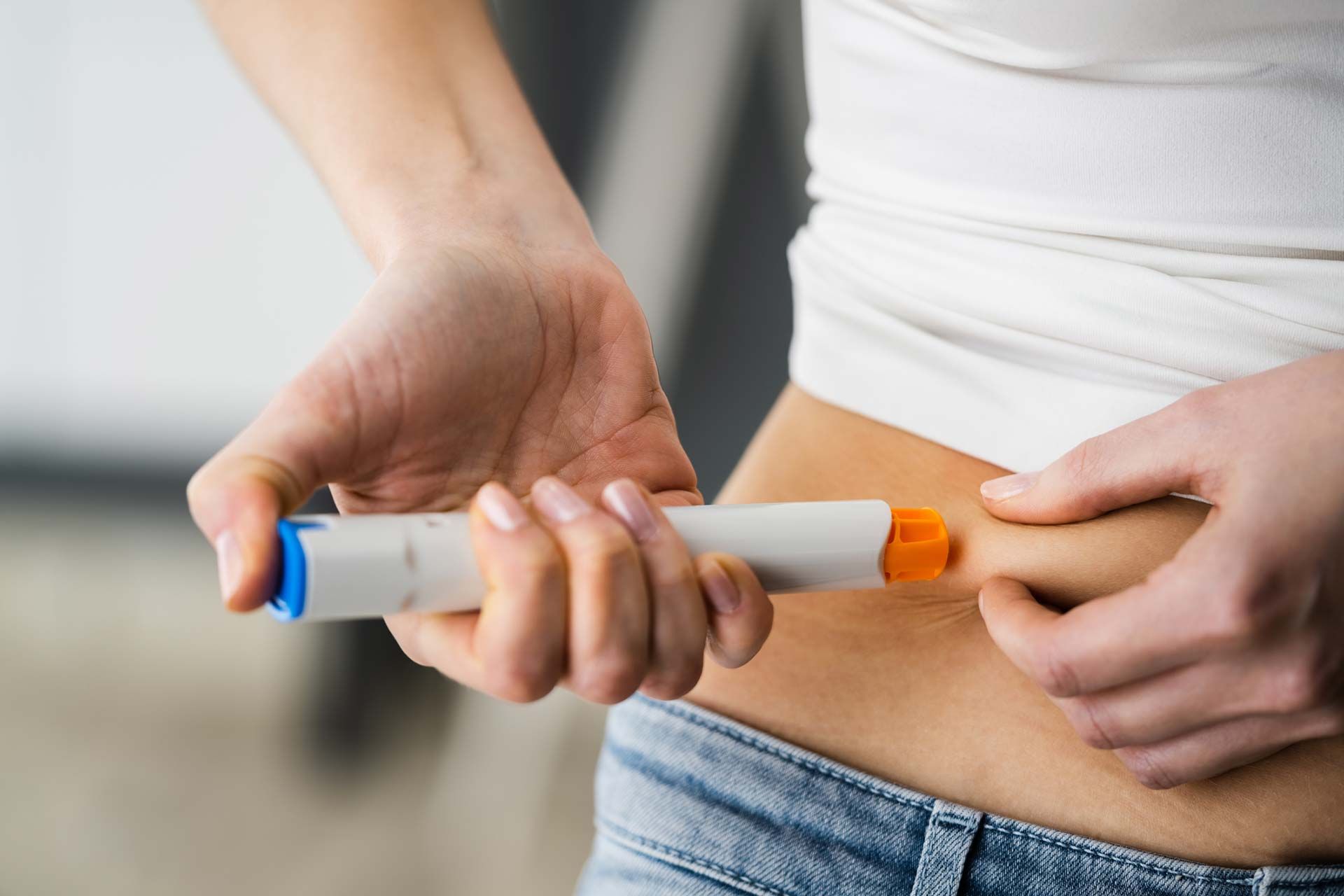
RPK Group manufactures micro compression springs for drug delivery devices, autoinjectors, safety syringes, and wearable medical devices. Medical springs are manufactured in clean-room conditions from biocompatible materials (stainless steel and Elgiloy) and are 100% inspected. Manufacturing complies with ISO 13485 quality requirements.
What quality processes do you apply to compression springs?
Key processes include shot peening for fatigue life, hot and cold presetting for relaxation resistance, passivation for corrosion protection, demagnetization for applications sensitive to magnetic fields, and 100% unitary dimensional inspection for safety-critical parts. We apply the specific combination of processes required by the application.
What wire diameter range can you produce for compression springs?
RPK Group manufactures compression springs from very small wire diameters used in medical and electronic devices up to larger wire diameters required for industrial and automotive applications. Contact our engineering team with your dimensional requirements for a technical assessment.
Get the most out of our expertise
Our engineers work alongside our customers to find the best solution for them, applying scientific methods and knowledge accumulated over almost 50 years.
Related news
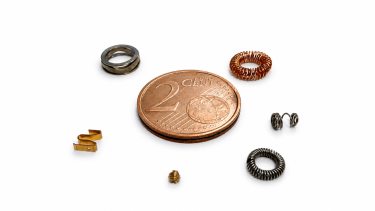
Micro Springs: Precision force in the age of miniaturization
RPK Group designs and manufactures custom micro springs engineered around your device to deliver reliable force in the smallest spaces, not pulled from a catalog.
Read more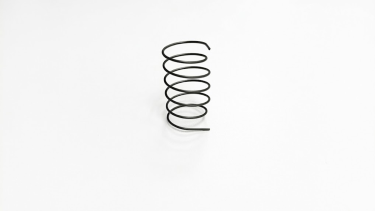
Inconel Springs: Custom precision manufacturing for extreme environments
RPK Group engineers Inconel springs that perform where standard materials fail, across automotive, medical, e-mobility, oil & gas, and industrial applications worldwide.
Read more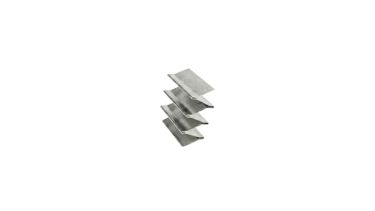
Case Study: engineering and industrialization of an accordion-type spring for a one-way roller clutch
At RPK Group, we combined FEM/FEA analysis, high-strength steel, and precise multislide tooling to create a high-performance accordion spring for a one-way roller clutch.
Read more