05/05/2026
Inconel Springs: Custom precision manufacturing for extreme environments
RPK Group engineers Inconel springs that perform where standard materials fail, across automotive, medical, e-mobility, oil & gas, and industrial applications worldwide.
By RPK Technological Center Engineering
Standard steel springs stop performing long before the application does. When temperatures climb past 500°C, when acids or chlorides attack the wire surface, when the spring must cycle millions of times without relaxing, stainless steel is the wrong material. Engineers in those situations reach for Inconel.
Inconel is a family of nickel-chromium superalloys originally developed for nuclear reactor applications in the mid-20th century. Today, it is the material of choice for springs in the harshest environments on earth: gas turbine engines, downhole oil & gas tools, MRI machines, chemical reactors, and electric vehicle battery systems. RPK Group has manufactured precision Inconel springs for nearly 50 years. We work directly with your engineers, from grade selection and FEA simulation through fatigue validation and global delivery.
Why Inconel outperforms other spring materials
At high temperatures, Inconel forms a stable, self-healing passivation layer on its surface. This oxide coating protects the metal from further attack and does not need to be removed; it is part of what makes Inconel springs reliable in corrosive service. No other common spring material delivers this combination of properties:
Inconel maintains its mechanical properties from cryogenic temperatures down to -253°C, up to over 1000°C, a range no stainless steel grade can match.
The nickel-chromium matrix resists oxidation, mineral acids, chloride-induced stress corrosion cracking, and hydrogen embrittlement, critical for oil & gas, chemical, and marine applications.
Inconel delivers reasonably high tensile properties even at elevated temperatures, allowing engineers to design springs of similar size to conventional alloy springs without sacrificing load capacity.
Inconel springs do not relax or creep under sustained load at high temperatures. Spring rate and geometry stay stable across millions of cycles.
Material cost is higher than stainless steel, but so is failure cost. In critical applications, Inconel is not a premium choice. It is the correct one.
Choosing the right Inconel grade for your spring
Inconel is not a single alloy. Each grade is engineered for a specific combination of temperature resistance, corrosion protection, and mechanical performance. Selecting the wrong grade adds cost without adding value, or worse, leads to premature failure. These are the grades RPK Group works with most frequently in spring applications:
| Grade | Key Characteristics | Best Used For |
|---|---|---|
| X-750 | Best overall combination of high-temperature strength, corrosion resistance, and availability. Forms a protective oxide coating after heat treatment. NACE-recognized for downhole gas exposure. | Valve springs, aerospace actuators, oil & gas downhole tools, nuclear applications |
| 718 | Age-hardenable Ni-Cr-Nb-Mo alloy. Operates from -253°C to 704°C. Resists hydrogen embrittlement and stress corrosion cracking. Meets NACE MR1075 for sour gas when heat-treated to spec. | Turbine engines, high-pressure valves, cryogenic systems, chemical processing |
| 625 | Non-magnetic. Excellent resistance to seawater and pitting. Cold work significantly increases tensile strength. Preferred where magnetism must be minimized. | MRI equipment, marine and subsea systems, medical implants, electrical contact springs |
| 600 | 72% nickel content. Outstanding oxidation resistance at high temperatures. Lower strength than 718/X-750 but easier to form. | Furnace components, heat-treating equipment, industrial heating systems |
RPK's engineers select the grade based on your actual operating conditions, not the easiest material to source or form. If the application demands NACE compliance, non-magnetic behavior, or specific heat treatment, we design for it from the start.
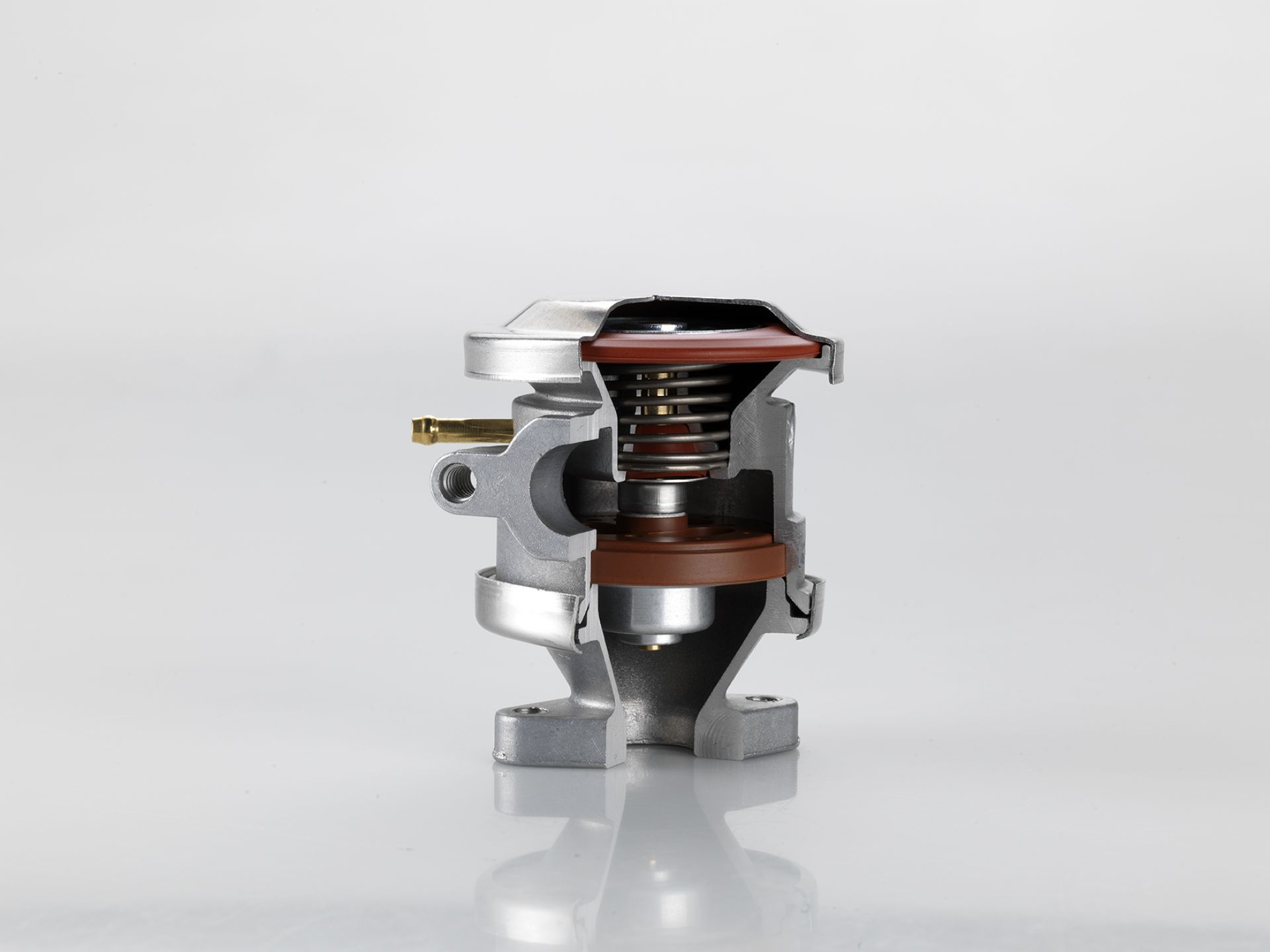
Inconel spring applications by industry
Inconel springs are used wherever heat, corrosion, fatigue life, or dimensional stability disqualify standard materials. These are the sectors where RPK Group regularly delivers Inconel spring solutions.
Why engineers choose RPK Group for Inconel springs
Most spring manufacturers list Inconel among the available materials. RPK Group builds on nearly 50 years of precision spring engineering, ISO 13485-certified medical production, and plants on four continents. Here is what that means in practice:
- Nearly 50 years of precision spring engineering
RPK has designed complex spring solutions since 1974. That depth shapes every Inconel project, from alloy grade selection and NACE compliance to heat treatment and final validation. IATF 16949 certified.
- Engineering-first, not catalog-first
We start with your application: load, environment, cycle life, and tolerances. We run FEA/FEM analysis before cutting material and validate prototypes on dedicated fatigue benches.
- Full Inconel grade capability
RPK works X-750, 718, 625, and 600 — plus Elgiloy, Hastelloy, MP35N, and other superalloys — to tight tolerances. We select based on your operating conditions, not availability.
- ISO 13485 certified with ISO 7 clean rooms on three continents
Medical-grade production is a standard capability at RPK Group. Drug delivery devices, autoinjectors, surgical instruments, and MRI-compatible spring components are part of our regular production.
- Full spring type range in Inconel
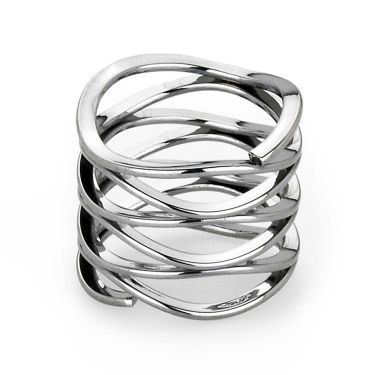
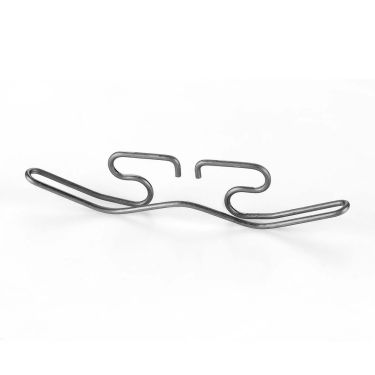
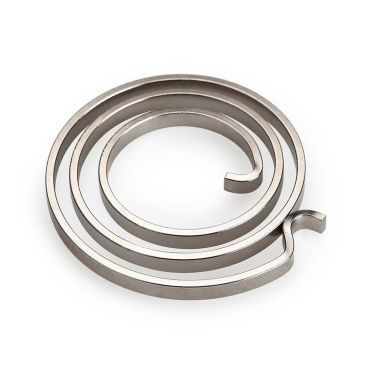
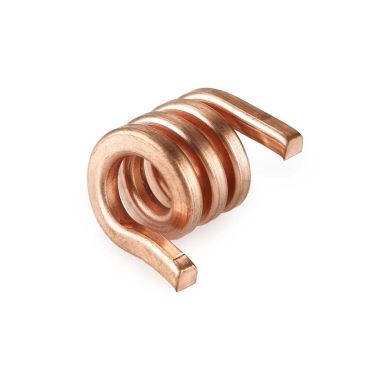
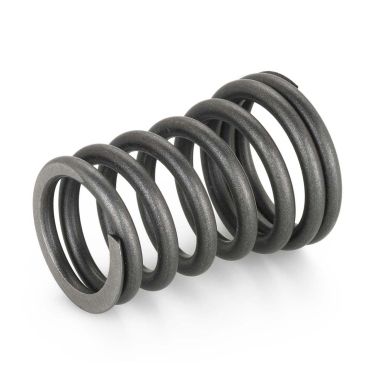
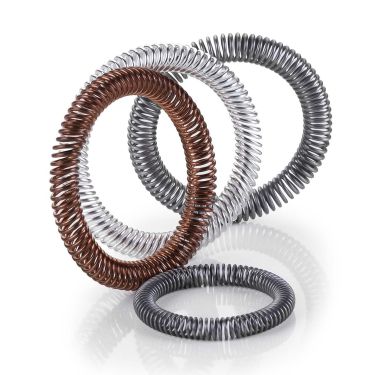
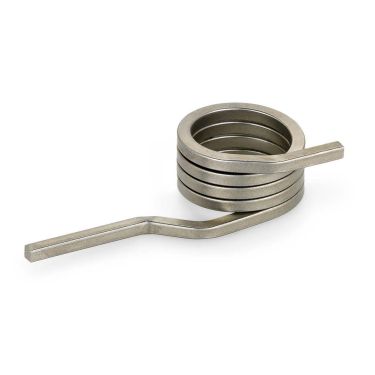
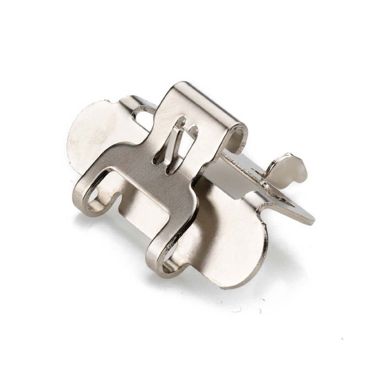
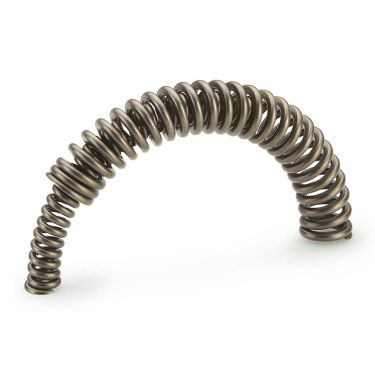
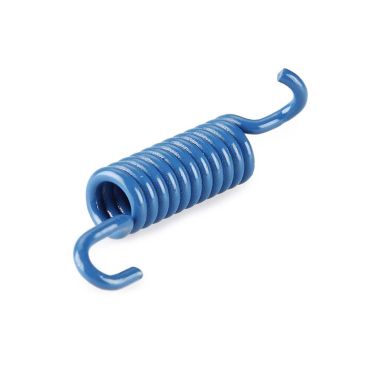
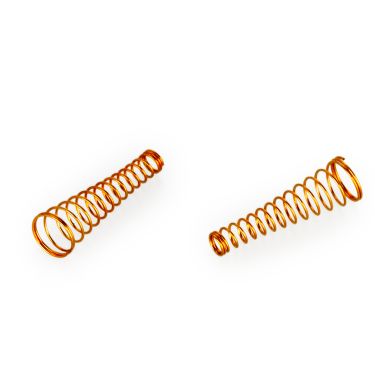
Compression, tension, torsion, canted coil, wave, arc, constant force, flat, RPK manufactures all spring types in Inconel, not just standard coil compression springs. That matters when your design requires a non-standard form factor.
- Global local manufacturing
Plants in Spain, Mexico, China, and India. RPK Group manufactures where you assemble, reducing lead times, freight exposure, and import risk without compromising quality or certifications.
How RPK manages the Inconel spring development process
Every Inconel spring project at RPK follows a structured engineering process. We do not skip steps to move faster. We use them to catch problems before they reach your production line.
- Engineering consultation. We define load requirements, the operating environment (temperature, media, pressure), cycle-life targets, and dimensional tolerances with your team.
- Grade and heat treatment selection. We select the appropriate Inconel grade and specify the heat treatment protocol, including the solution anneal temperature, precipitation hardening schedule, and any NACE compliance requirements.
- FEA/FEM simulation. We validate the spring design computationally before manufacturing. This catches stress concentrations, geometry issues, and relaxation risks early.
- Prototyping and fatigue testing. We build and test samples on dedicated fatigue benches, using final assemblies where possible to replicate real operating conditions.
- Production and quality control. 100% dimensional inspection, load testing, and certifications at every production plant. No spring ships out of spec.
- Global delivery. Parts ship from the plant closest to your assembly line, reducing lead time and logistics risk.
Frequently Asked Questions
- What is Inconel, and why is it used for springs?
Inconel is a family of nickel-chromium superalloys first developed for nuclear reactor applications. Springs made from Inconel resist extreme heat, corrosion, stress relaxation, and fatigue far better than stainless steel, making them the right material for demanding automotive, aerospace, medical, and oil & gas applications.
- Can RPK Group manufacture Inconel springs for medical devices?
Yes. RPK Group is ISO 13485 certified and operates ISO 7 clean rooms. We manufacture Inconel springs for autoinjectors, surgical instruments, medical imaging equipment, and other medical devices. Inconel 625 is particularly suited for MRI-related applications due to its non-magnetic properties.
- Are Inconel springs NACE-approved for oil and gas applications?
Yes. Inconel X-750 and Inconel 718 (when heat-treated to NACE MR1075 specifications) are recognized by the National Association of Corrosion Engineers for downhole gas exposure and sour service environments. RPK Group designs and produces NACE-compliant Inconel springs for oil & gas applications.
- Which Inconel grade is best for springs?
Inconel X-750 is the most widely used grade for spring and wire applications, offering the best combination of high-temperature strength, corrosion resistance, and material availability. Inconel 718 is preferred for extreme temperature ranges and NACE-compliant sour gas service. Inconel 625 is the right choice when non-magnetic behavior is required, such as in MRI equipment or certain medical devices.
- What temperature range can Inconel springs handle?
Inconel 718 operates reliably from -253°C to 704°C. Inconel X-750 handles sustained temperatures above 700°C. The right grade depends on the specific application. RPK Group engineers help define the correct specification for your use case.