Canted Coil Springs
Reliable connections, always
Canted coil springs deliver multi-point electrical contact and reliable retention even in extreme conditions
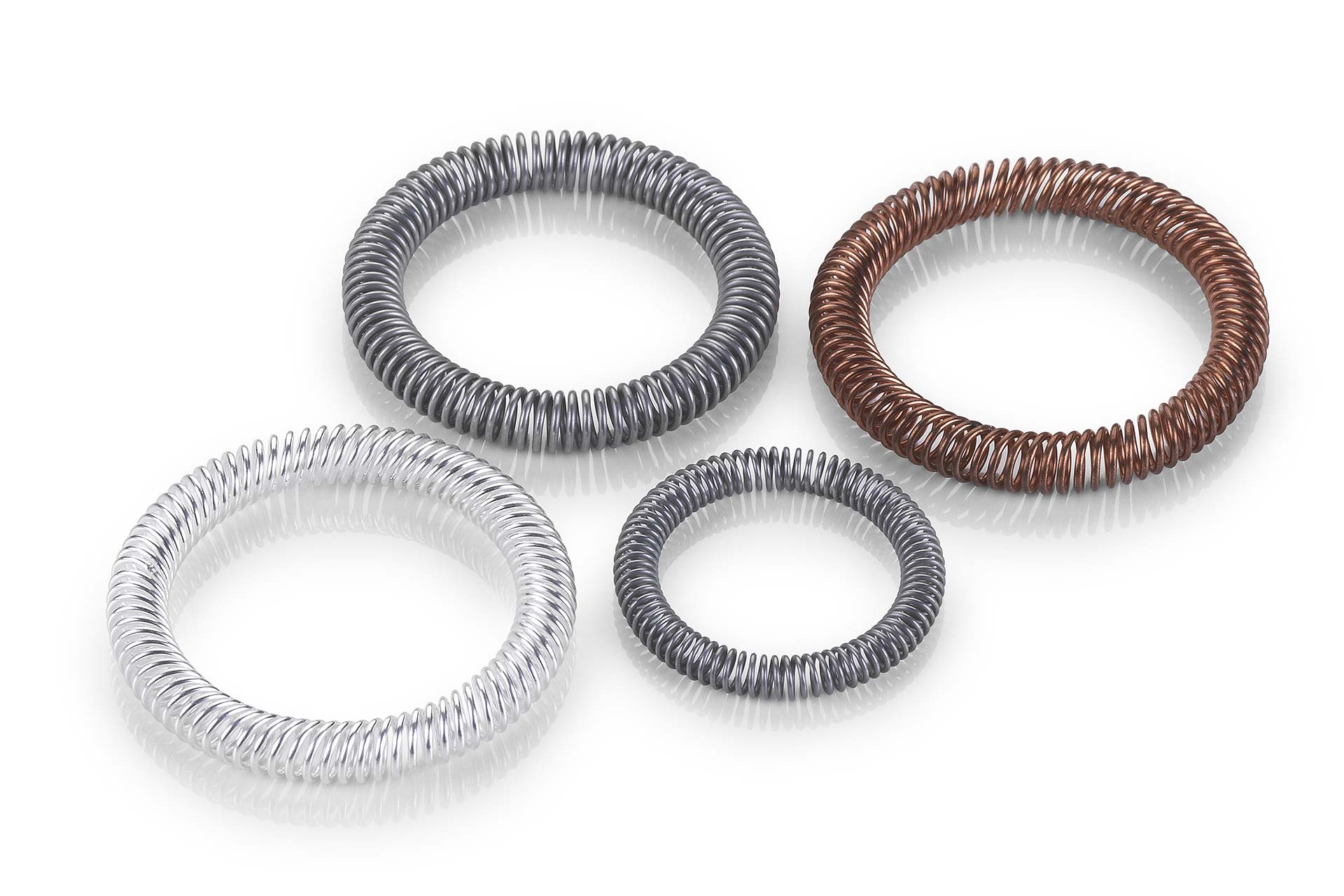
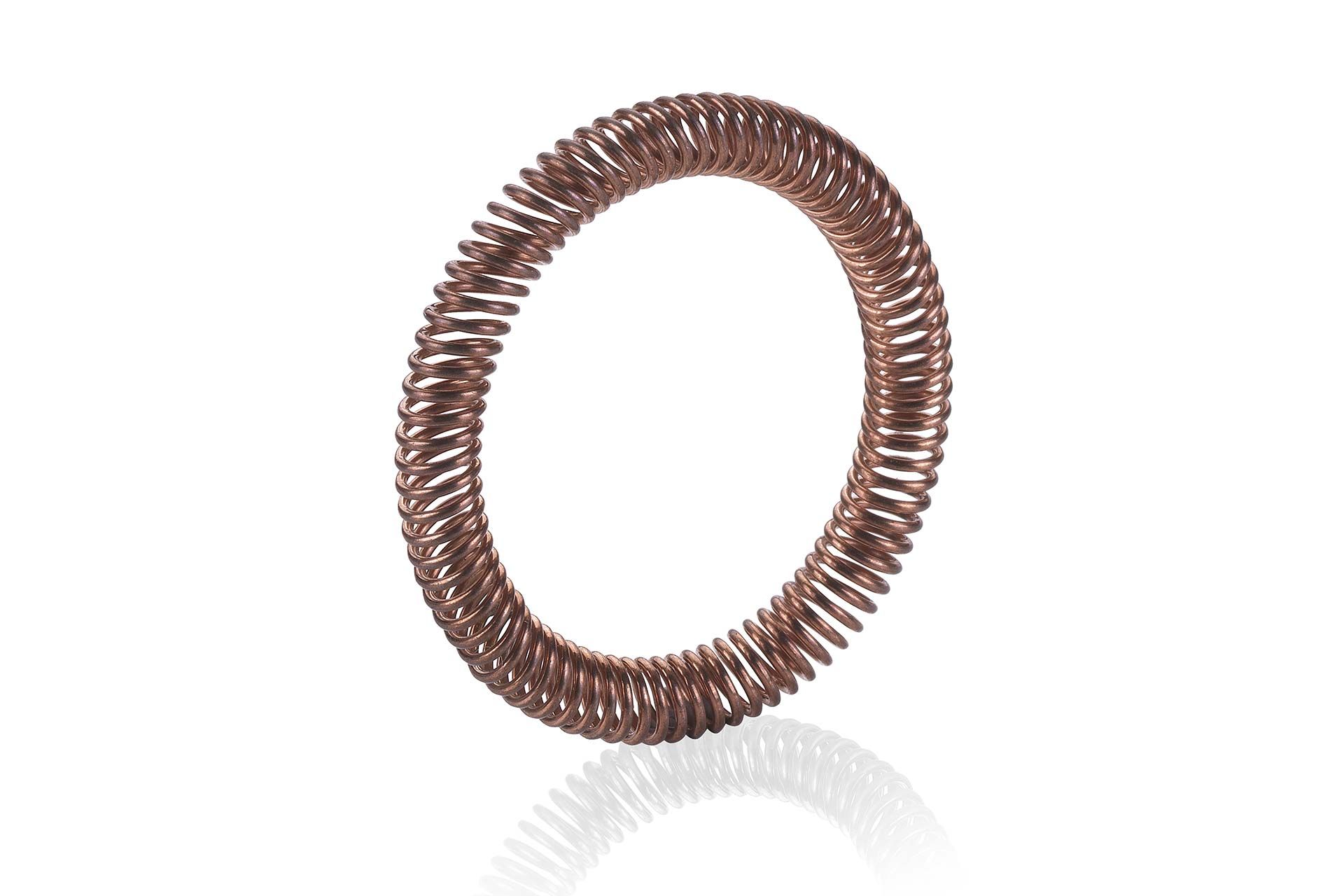
Our canted coil springs ensure reliable electrical contact across high-, medium-, and low-current applications. They allow more power to be handled in less space at cooler operating temperatures, with each spring’s coils serving as multiple contact points for optimal conductivity or grounding. This means connections remain consistent and dependable even under shock and vibration.
Many design factors – including spring force, wire material, wire diameter, welding, coil height, and plating thickness – contribute to a canted coil spring’s performance. Our engineering team fine-tunes these variables to optimize each spring for its intended use, not just for managing electrical power, but also for delivering mechanical retention thanks to its near-constant force, or for providing electromagnetic (EMI) shielding.
In purely mechanical roles, canted coil springs serve as robust fastening components. They latch and hold parts securely with near-constant force, unlike traditional fasteners, which fatigue and lose performance over thousands of cycles. These springs also energize high-performance seals, applying continuous radial pressure to keep them leak-tight even under extreme conditions, such as oil & gas drilling operations.
Advantages and benefits of canted coil springs
- 01Our contact springs work in static or dynamic electrical applications. We assure reliable connections even under shock and vibration
- 02Plating can make canted coil springs more efficient in humid or corrosive environments, or in any application that calls for higher conductivity
- 03A flat spring force curve provides consistent contact pressure and secure retention without fatigue, delivering stable performance over a long service life
Types of canted coil springs
Measures
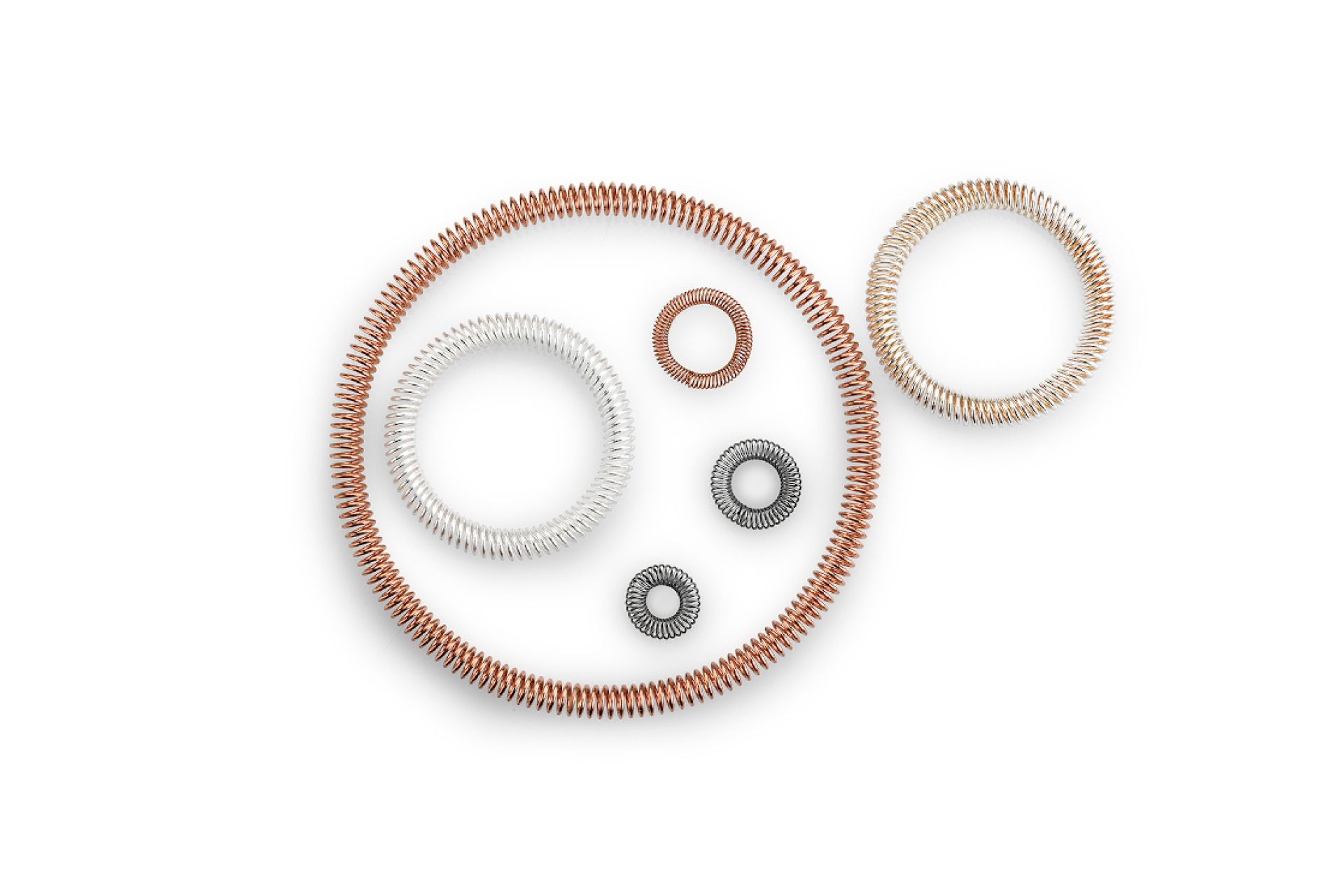
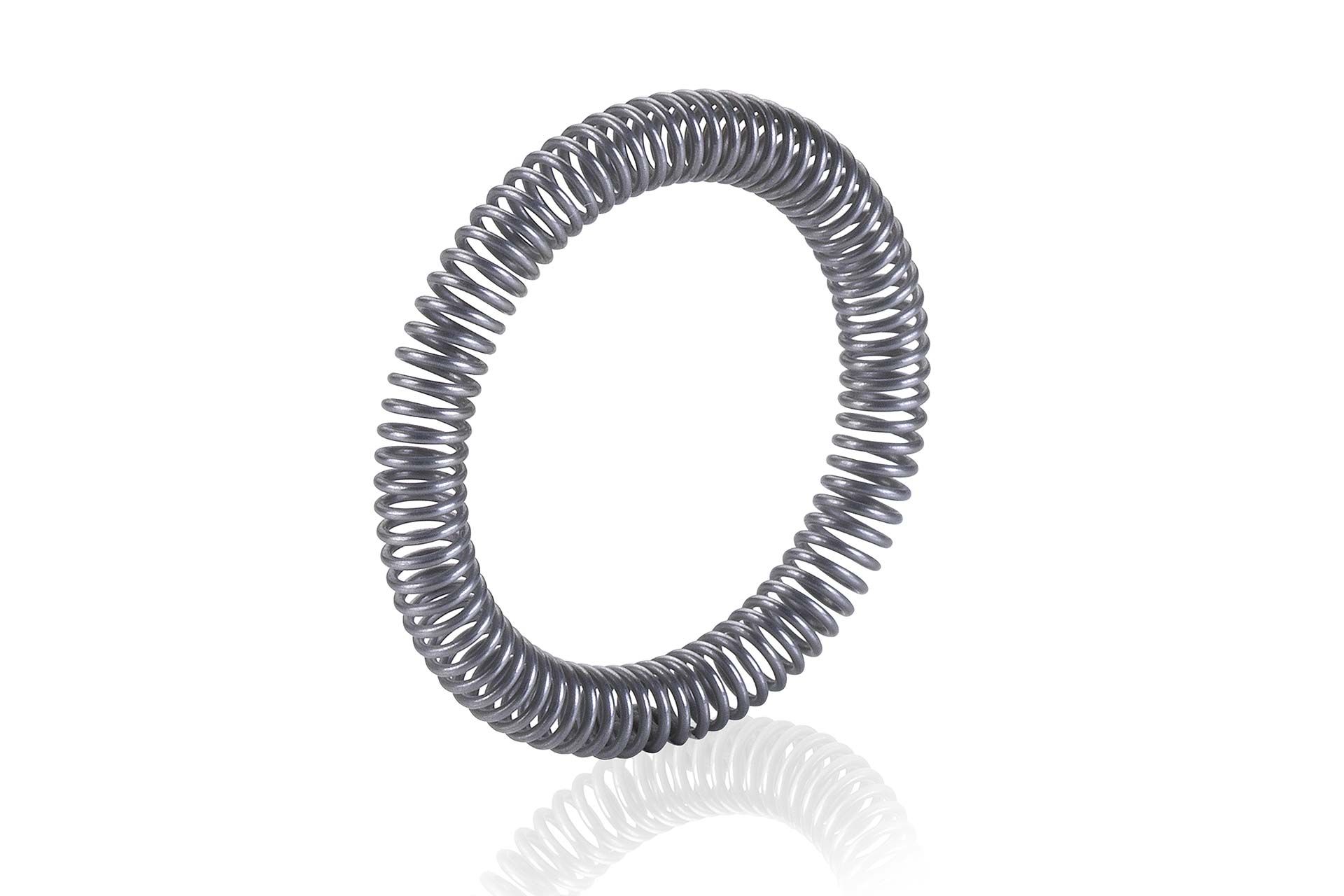
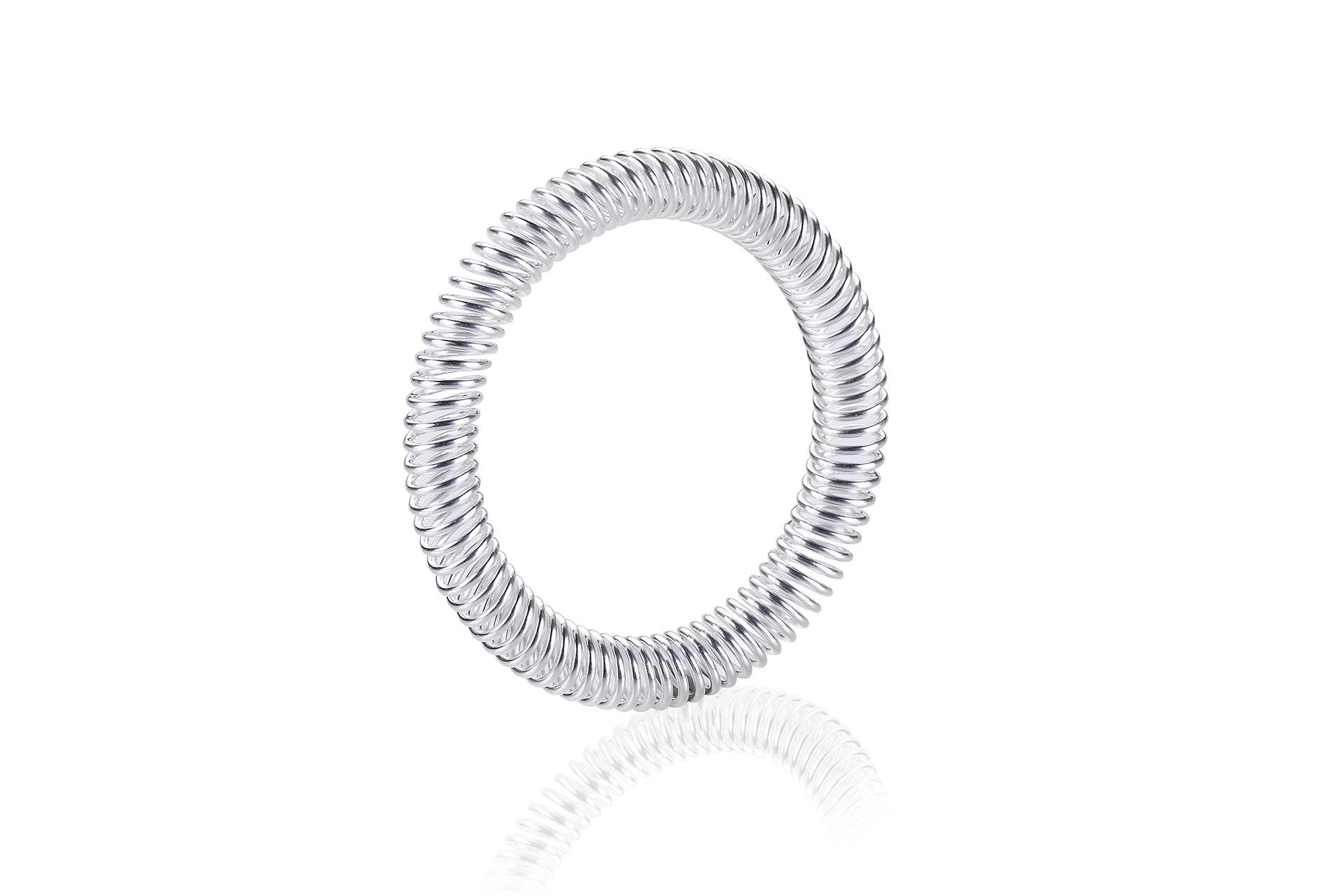
- Wire diameter: 0.10-2 mm (0.004-0.08 in)
- Other dimensions as required
Materials
The choice of the right material, surface treatment and coating are critical for the final quality and safety of the product. From stainless steels to the most specific materials bought in from the best suppliers.
- Carbon steel
- Stainless steel
- CuBE
- Inconel
- Elgiloy
- Hastelloy
- Chrome silicon
- Copper
- Other materials according to your special requirements
- Coatings: silver, gold, nickel... (from 0.5 μm to 10 μm)








Medical

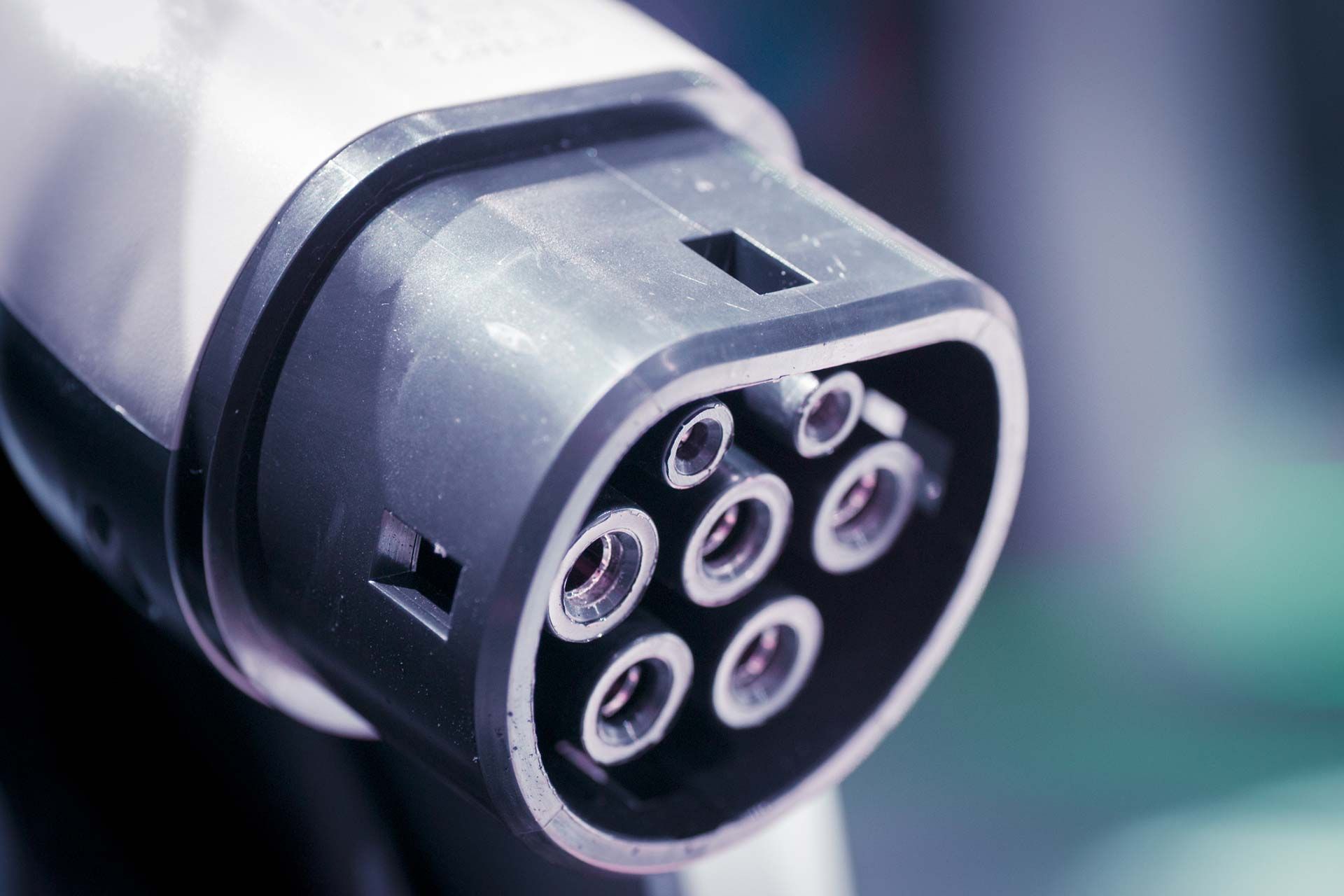
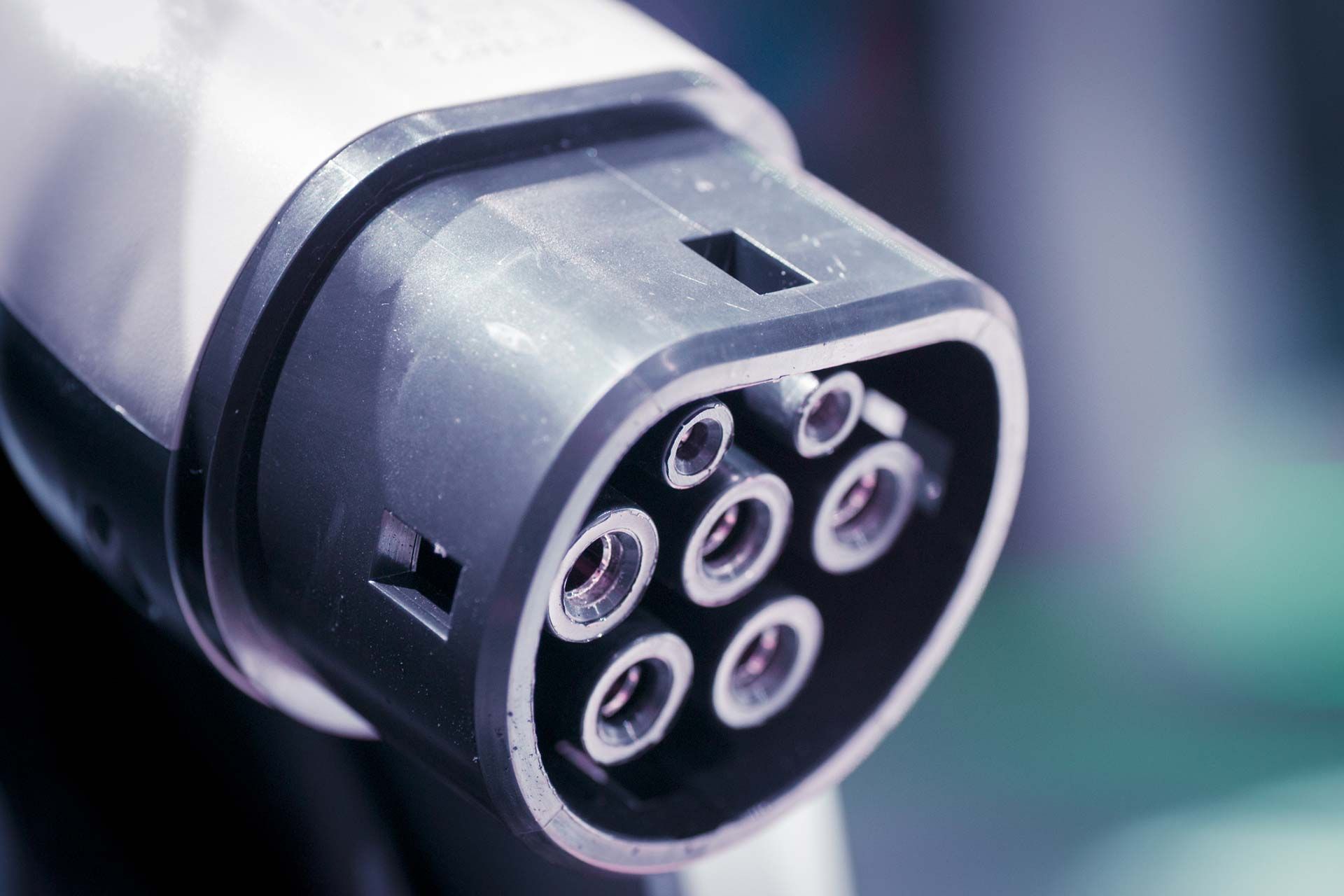
Electric
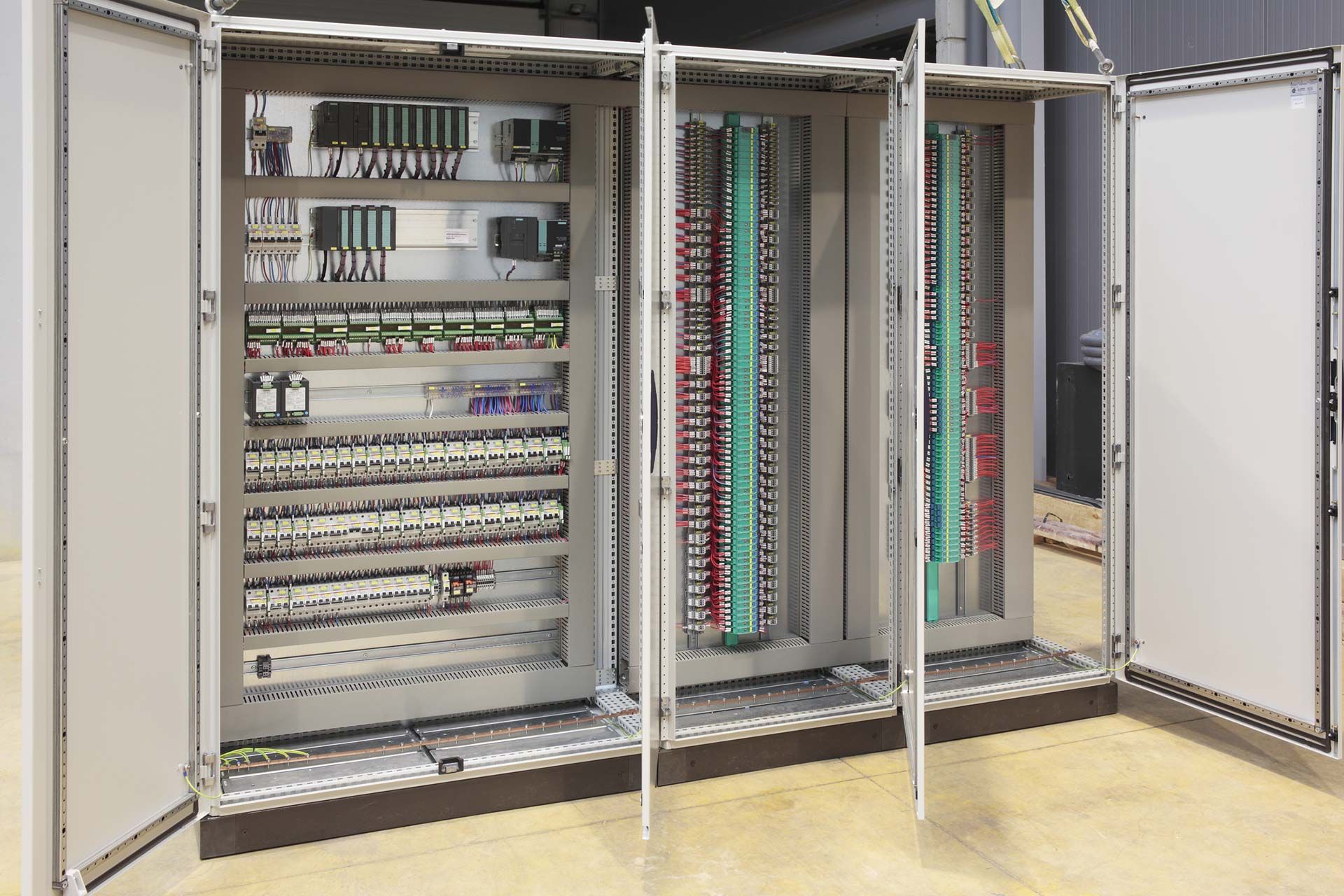
Industrial
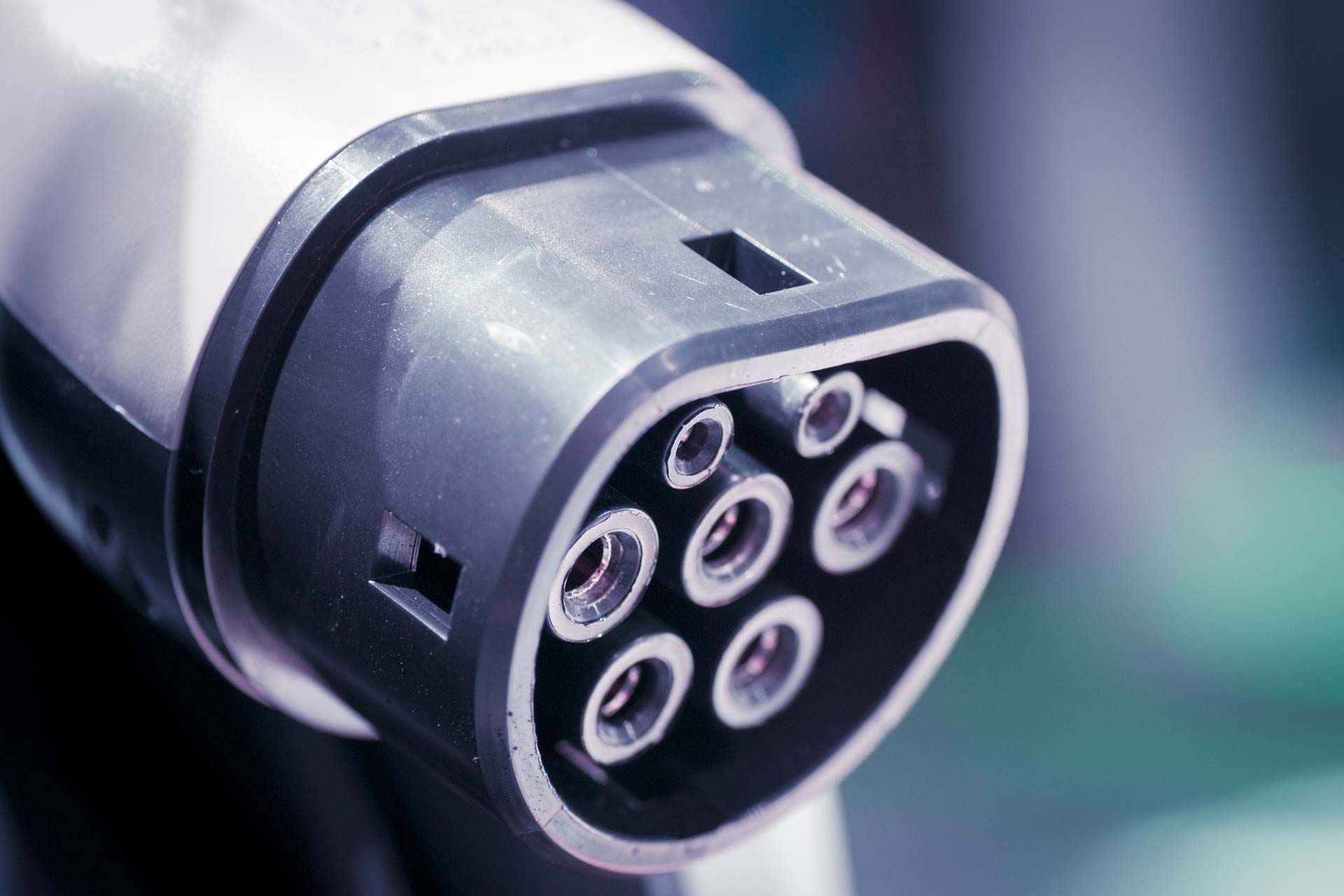

E-Mobility




Power tools


Consumer Goods



Other industries




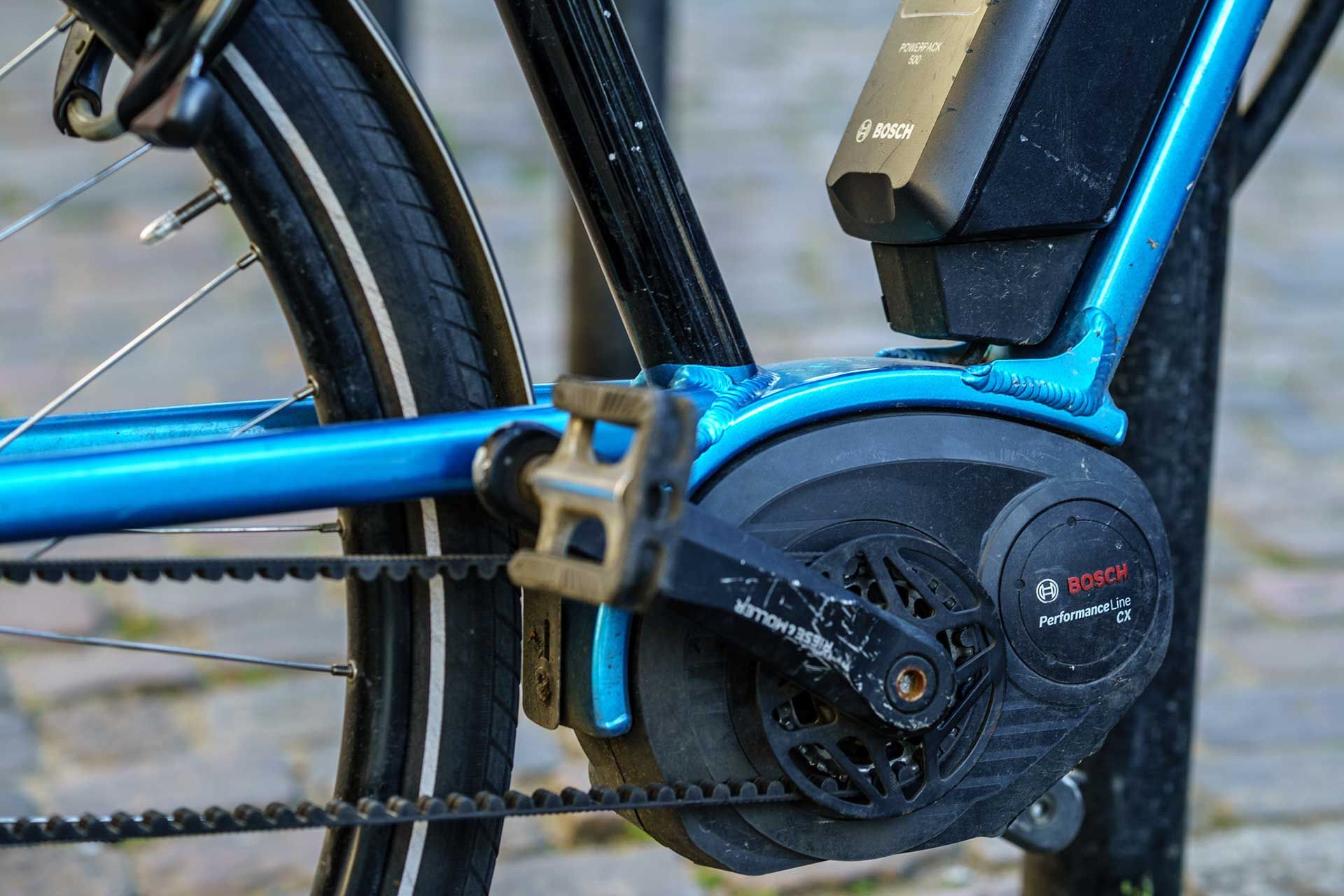
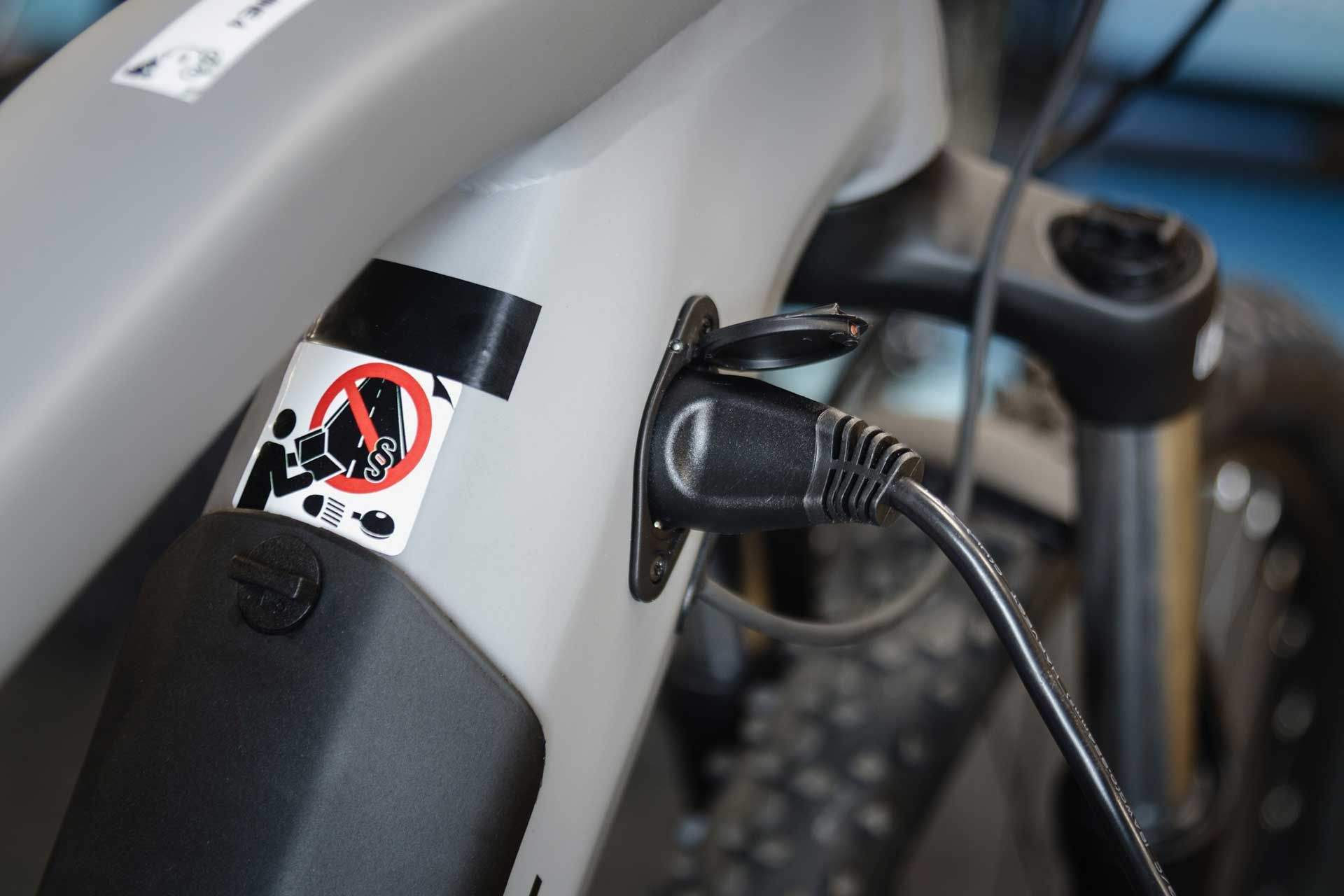
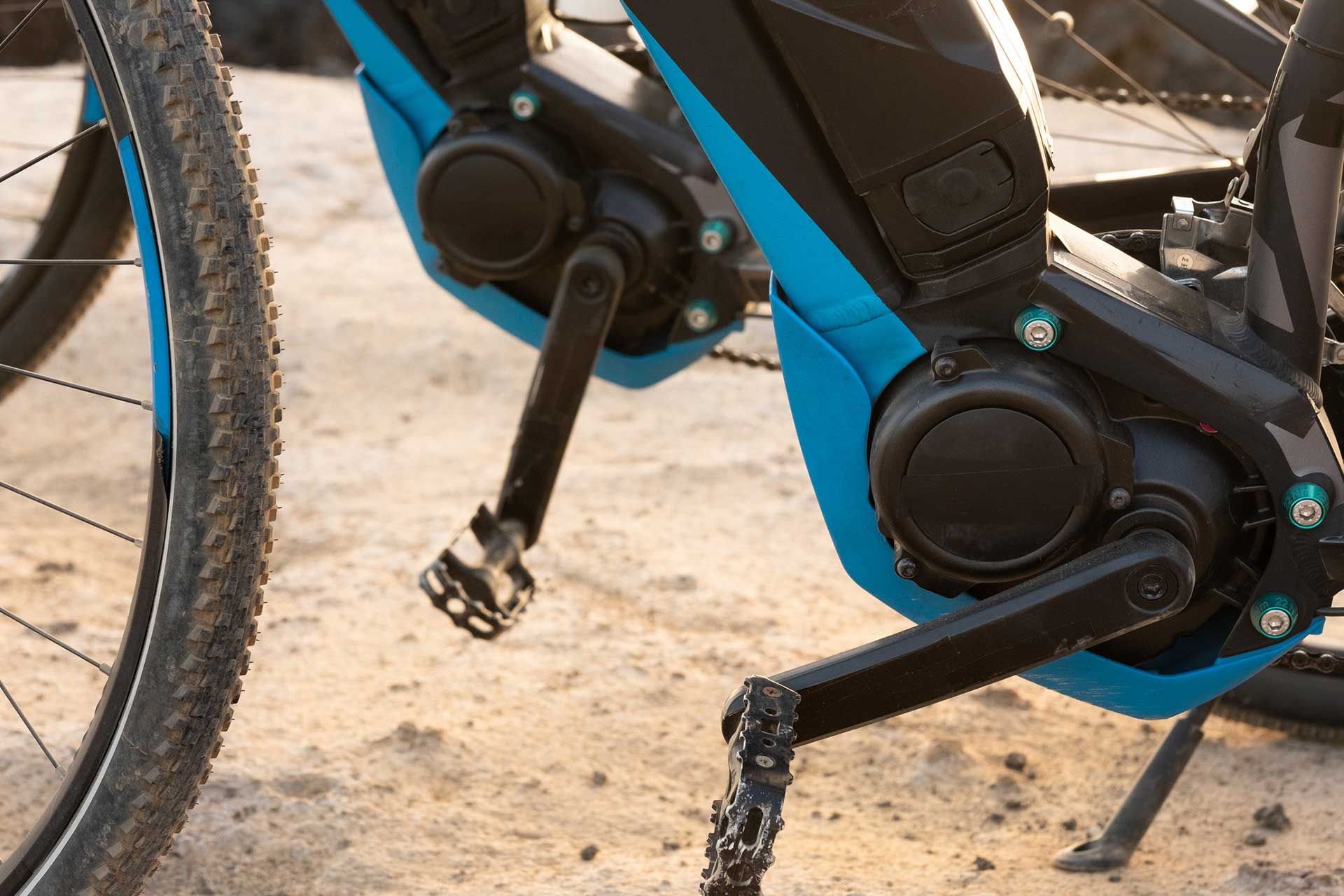
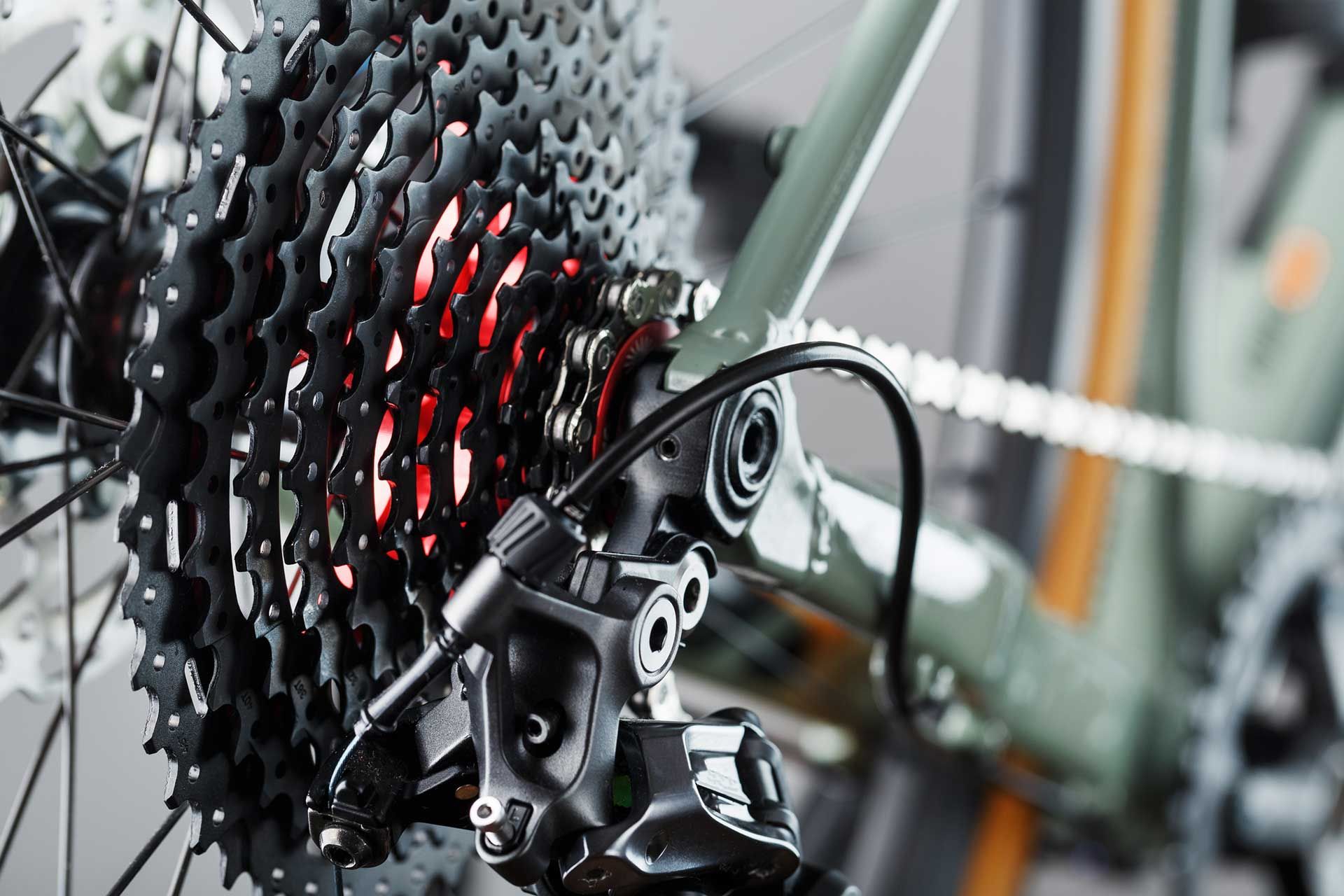
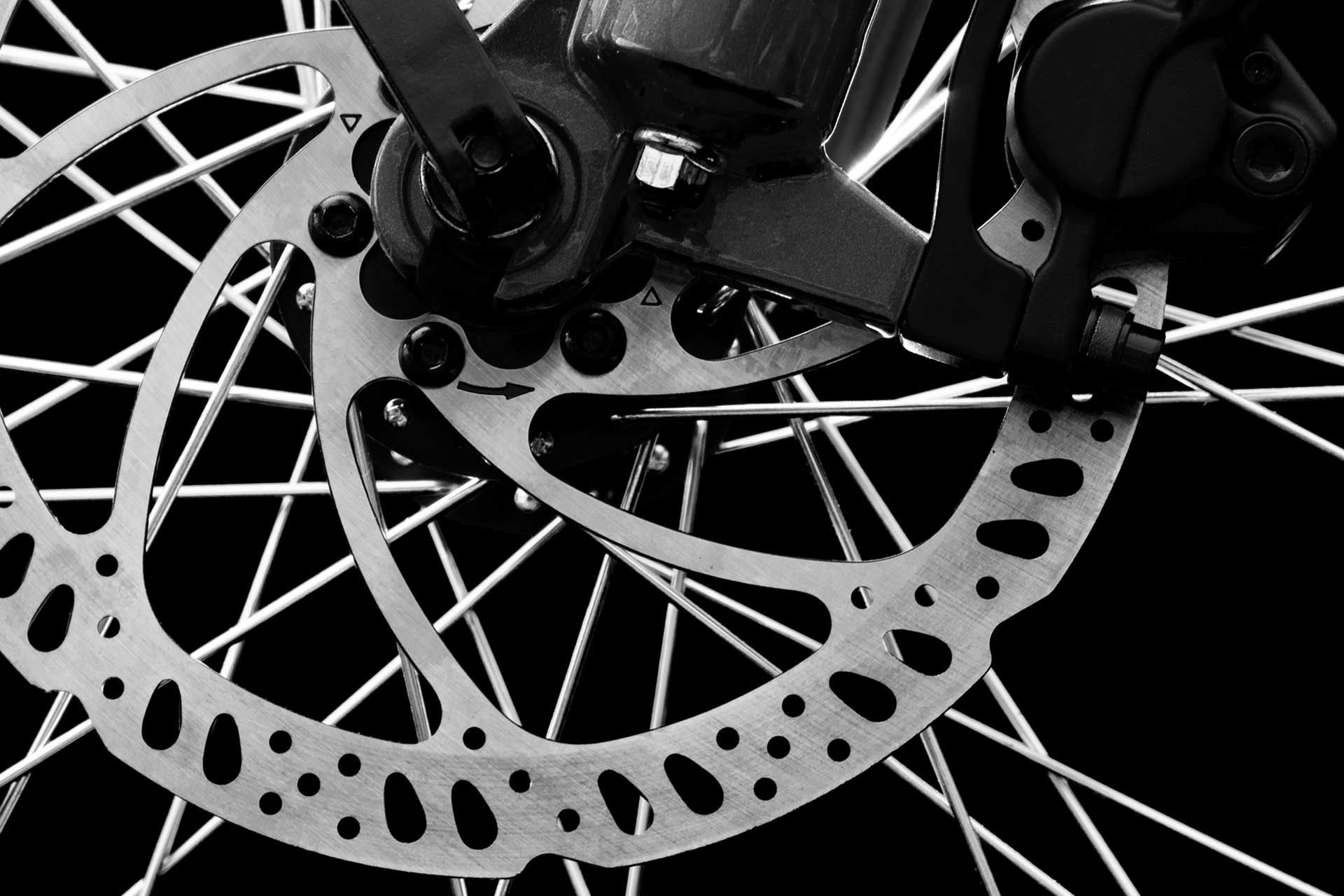
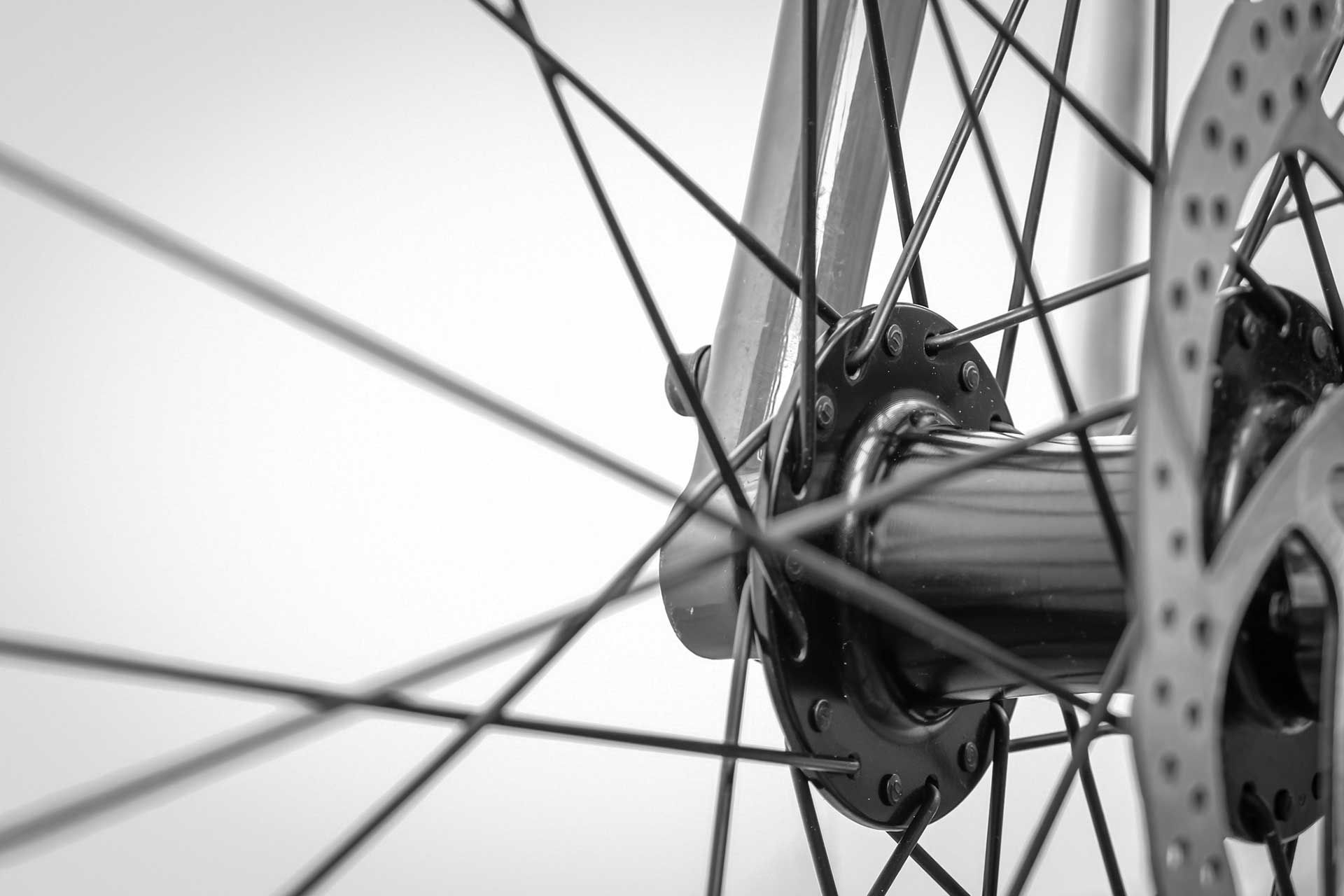
Applications for Bike and eBike



Get the most out of our expertise
Our engineers work alongside our customers to find the best solution for them, applying scientific methods and knowledge accumulated over almost 50 years.
Frequently Asked Questions
What are canted coil springs used for?
Four main jobs: latching (a click-in, repeatable connection), holding (steady retention force), conducting (reliable electrical contact), and sealing. Their slanted coils hold near-constant force across a wide deflection range.
What does a canted coil spring do that a standard compression spring cannot?
A canted coil spring provides a near-constant force across its full deflection range, unlike a standard compression spring whose force increases linearly with compression. This constant-force behavior makes canted coil springs ideal for electrical contact applications (the contact force remains consistent regardless of manufacturing tolerances), mechanical retention (the part snaps into a groove and holds with consistent force), and seal energization (continuous radial pressure even as the seal material relaxes over time).
What is the difference between a canted coil spring and a garter spring?
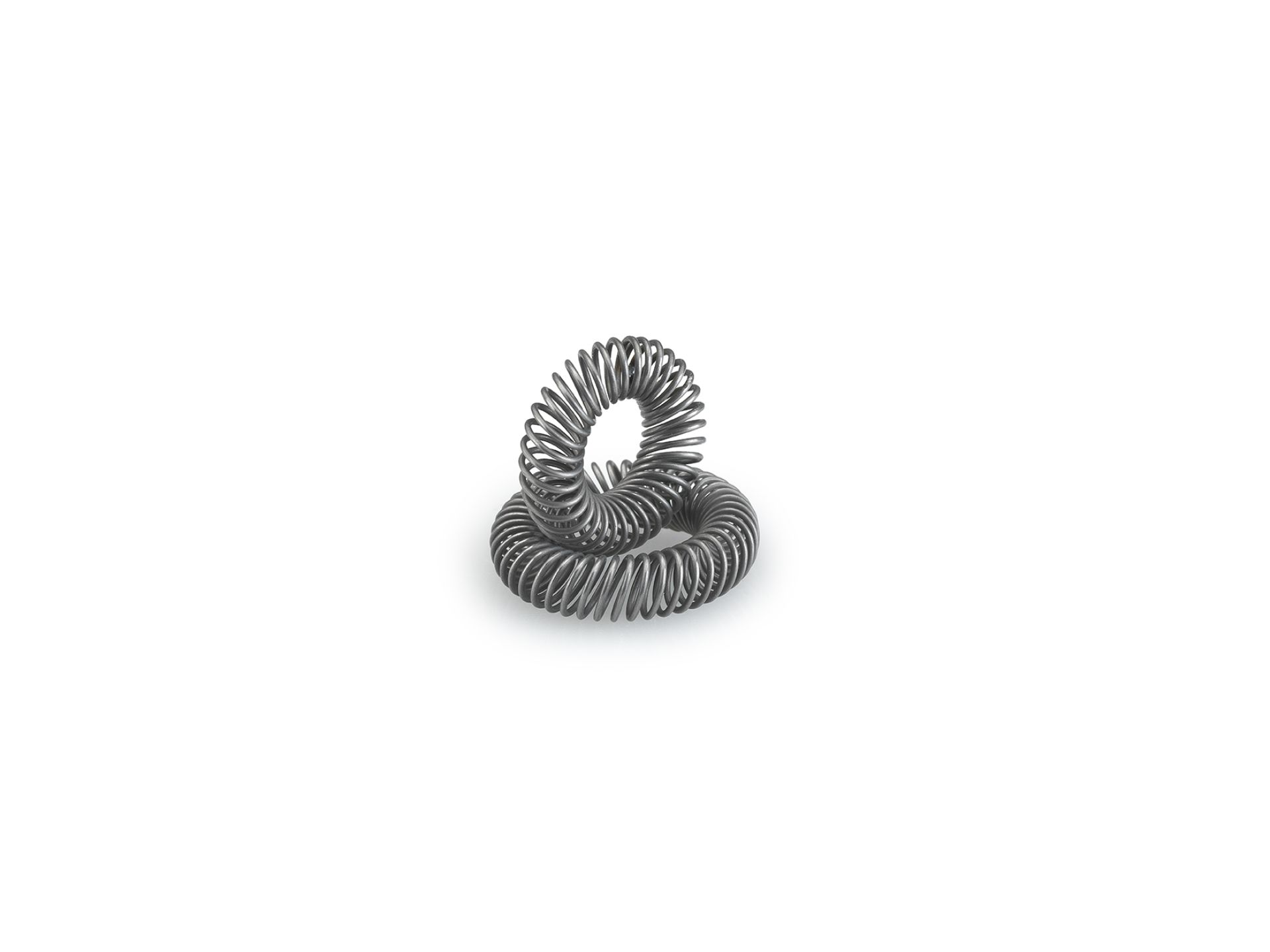
A garter spring is a coil joined into a ring that applies radial force, common in seals. A canted coil spring holds near-constant force over a wide deflection and can latch, conduct, and seal. We make both and help you choose.
Can canted coil springs provide EMI shielding?
Yes. When installed in a circular groove around a connector or housing interface, canted coil springs create a continuous, low-resistance conductive path around the full circumference. This provides 360-degree EMI/RFI shielding. The multi-point contact design maintains shielding performance even when mating surfaces are misaligned or subject to vibration, as is common in automotive electronics and aerospace rack-and-panel connectors.
What applications use canted coil springs in electric vehicles?
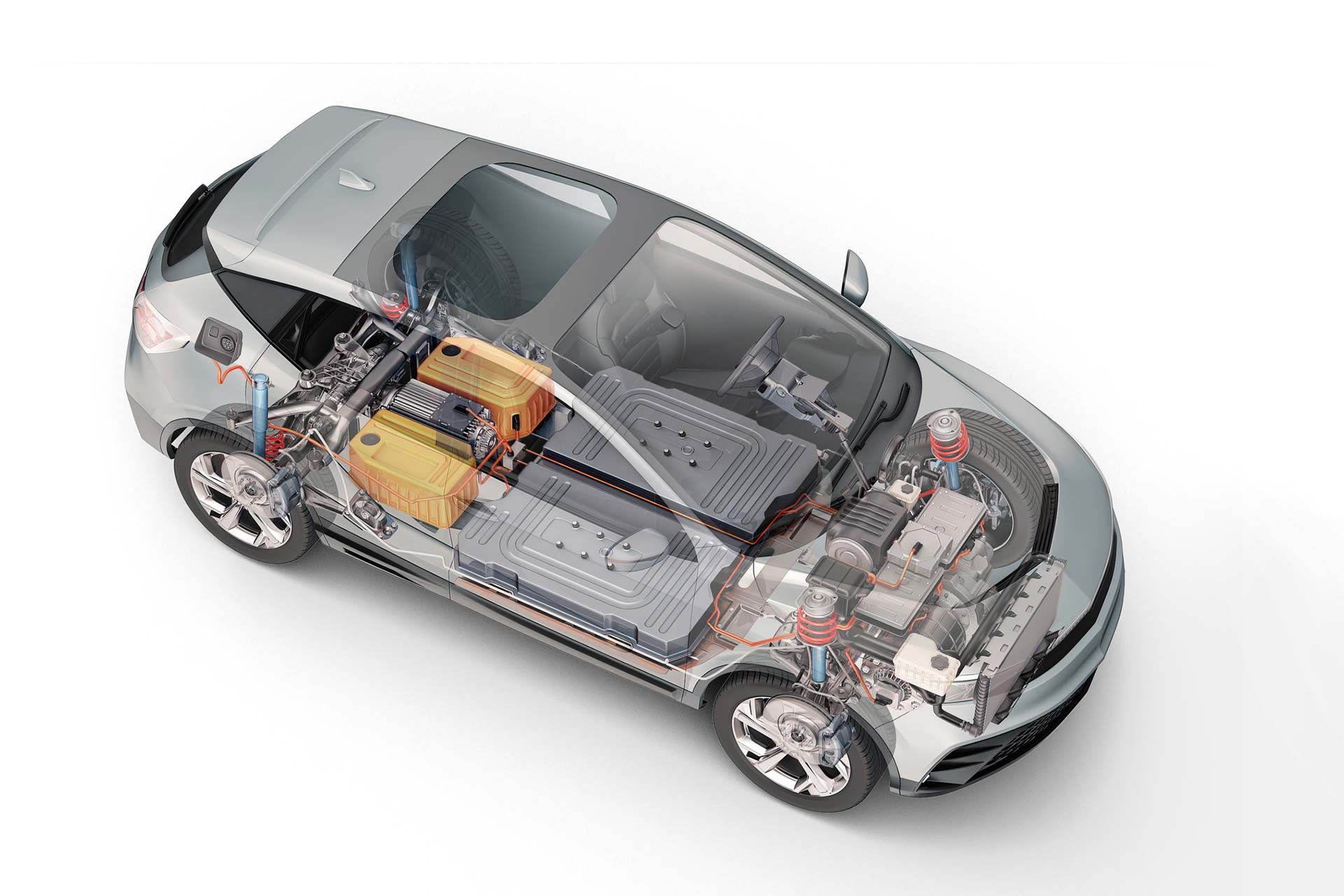
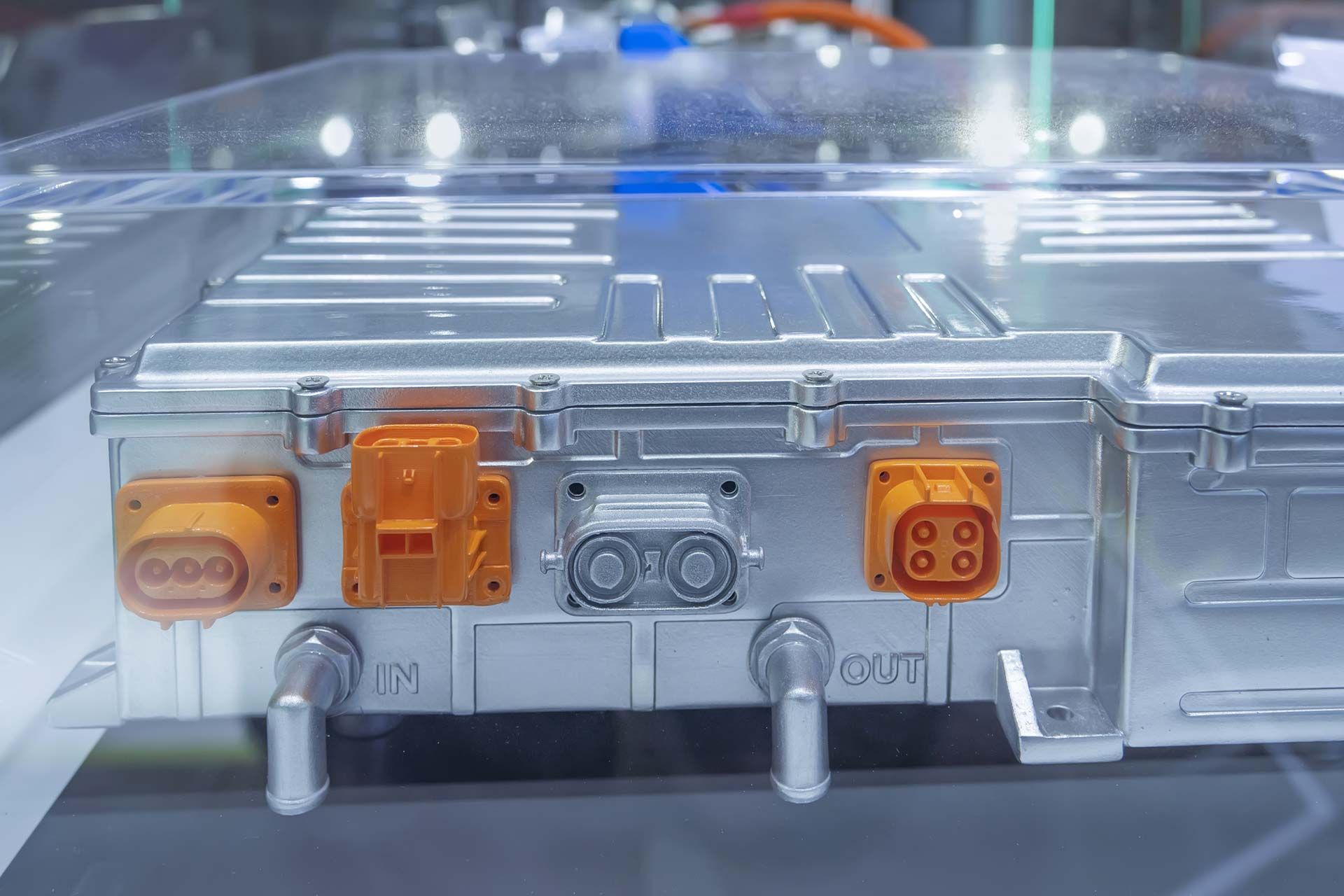
EV applications include high-voltage charging connectors (where the spring maintains contact force during thousands of mating cycles), battery module interconnects, motor power connectors, and high-current busbars with spring-loaded contact interfaces. The vibration resistance and consistent contact force of canted coil springs make them suitable for the demanding thermal and vibration environment of EV drivetrains.
What materials are available for canted coil springs?
RPK Group manufactures canted coil springs in carbon steel, stainless steel, Inconel, Elgiloy, Hastelloy, and copper alloys. Available platings include silver, gold, and nickel, with thicknesses ranging from 0.5 μm to 10 μm. Material and plating selection depends on current requirements, operating temperature, corrosion environment, and conductivity specifications.
How do I design the groove for a canted coil spring?
The groove must match the spring's installed height and cross-section diameter. Incorrect groove dimensions lead to over-compression (damaging the spring) or under-engagement (loss of contact force). Contact RPK Group's engineering team for guidance on groove design tailored to your spring dimensions and application loads.
Can canted coil springs be used as mechanical fasteners?
Yes. Canted coil springs function as retaining rings in groove-to-groove assemblies. They provide a near-constant retention force and do not fatigue over thousands of assembly and disassembly cycles, unlike traditional snap rings or retaining clips. This makes them standard in medical device connectors, defense equipment, and industrial tooling systems.
Are canted coil springs suitable for oil & gas downhole applications?
Canted coil springs manufactured in Elgiloy, Inconel, or Hastelloy withstand the high pressure, high temperature, and corrosive chemical environment of downhole drilling tools and subsea connectors. They are used to energize high-pressure seals and maintain electrical contact in measurement-while-drilling (MWD) and logging-while-drilling (LWD) tools.
Do you manufacture canted coil springs for medical devices?
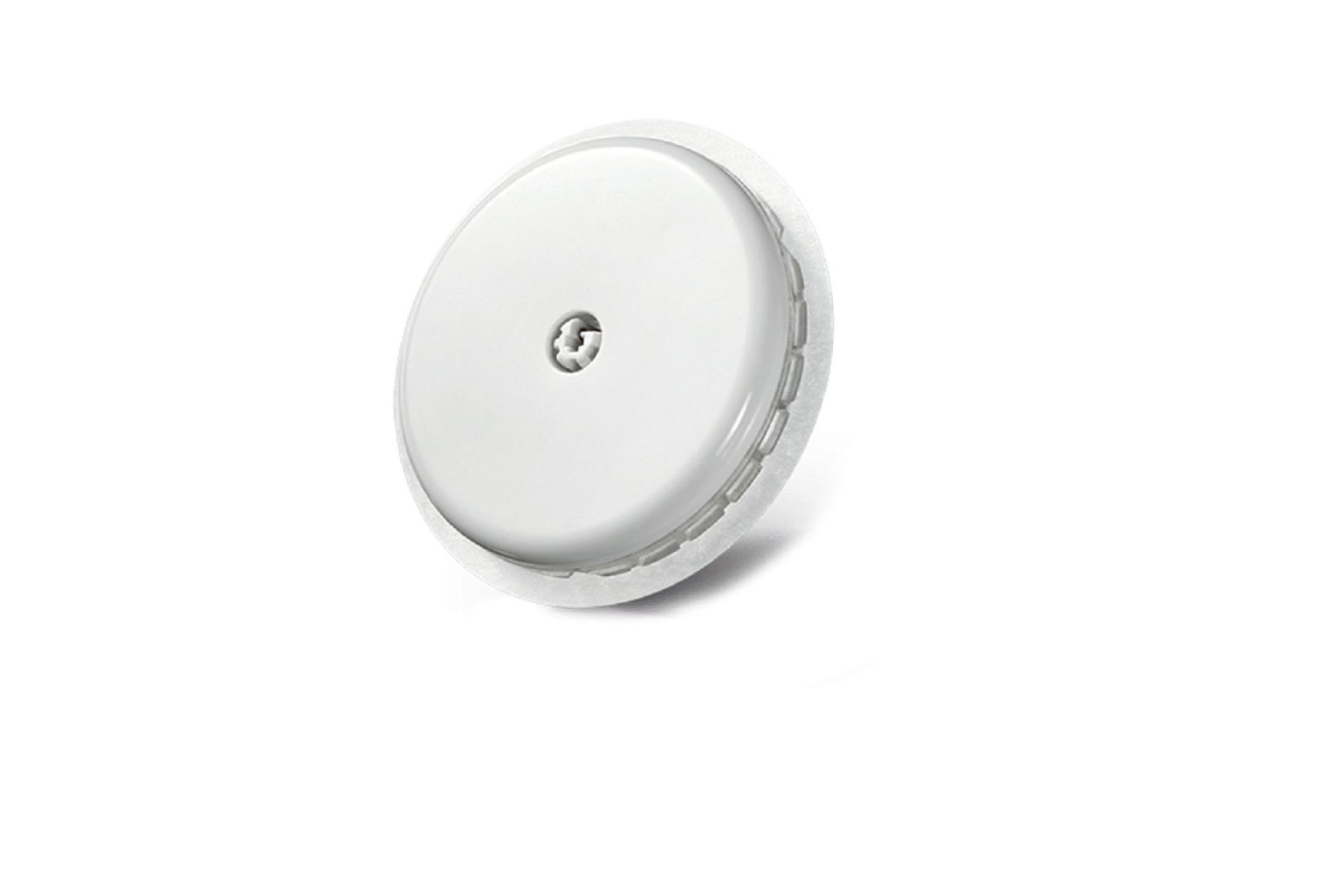
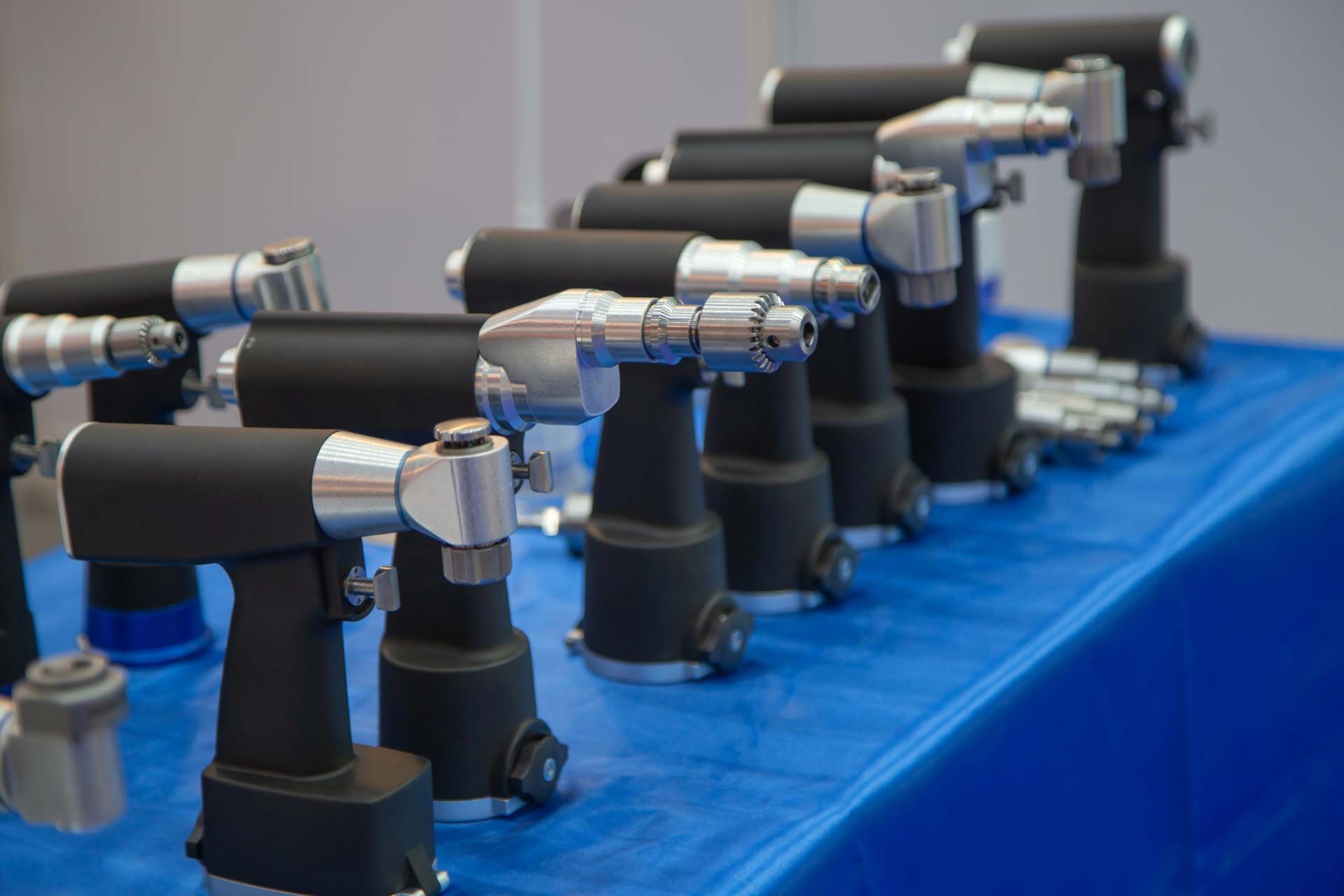
Yes. RPK Group supplies canted coil springs for medical connectors, surgical instruments, and implantable device interconnects. Medical-grade springs are manufactured in clean room conditions from biocompatible materials. Contact our team for compliance documentation specific to your device classification.
What is the minimum wire diameter for your canted coil springs?
RPK Group produces canted coil springs with wire diameters starting at 0.10 mm. This micro-scale capability serves miniaturized connectors, wearable medical devices, hearing instruments, and compact electronic assemblies.
Related news
Load more news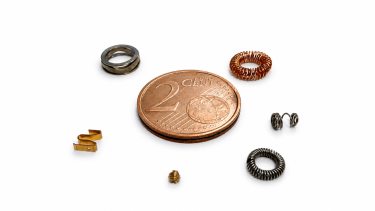
Micro Springs: Precision force in the age of miniaturization
RPK Group designs and manufactures custom micro springs engineered around your device to deliver reliable force in the smallest spaces, not pulled from a catalog.
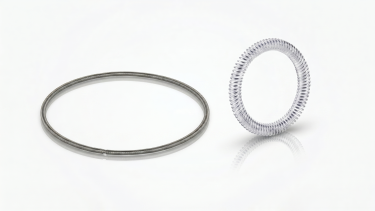
Canted coil springs and garter springs: which one does your application need?
RPK Group designs and manufactures both spring types for the world's most demanding industries: medical, aerospace, oil & gas, electrical, and automotive. We help you choose the right solution and build it to spec.
Inconel Springs: Custom precision manufacturing for extreme environments
RPK Group engineers Inconel springs that perform where standard materials fail, across automotive, medical, e-mobility, oil & gas, and industrial applications worldwide.