Tension Springs
Pure precision
During the design stage of a tension spring, our 50 years of production experience come into play
Our team of engineers has extensive experience in developing tension springs especially suited to your needs. We are committed to creating the perfect solution, and this requires unique know-how due to the different stresses that the coil and the loops or hooks have to withstand.
Tension springs, also known as extension or expansion springs, are coiled springs that hold an initial tension that keeps the coils together and stores energy that gives a specific pull force when extended. With our vast production experience, at RPK Group during the design of a tension spring we take both the hook (or loop) type and the working space into consideration, thereby offering you top quality solutions adapted to your needs.
It is important to create custom solutions when a tension spring is needed, since the ideal solution depends on many factors, such as work frequencies, impact loading, environment conditions and the stresses that the hooks (or loops) withstand. It is vital to bear in mind that this kind of spring interacts with other elements in the assembly, so designing a personalized product and always testing it in the final assembly is fundamental.
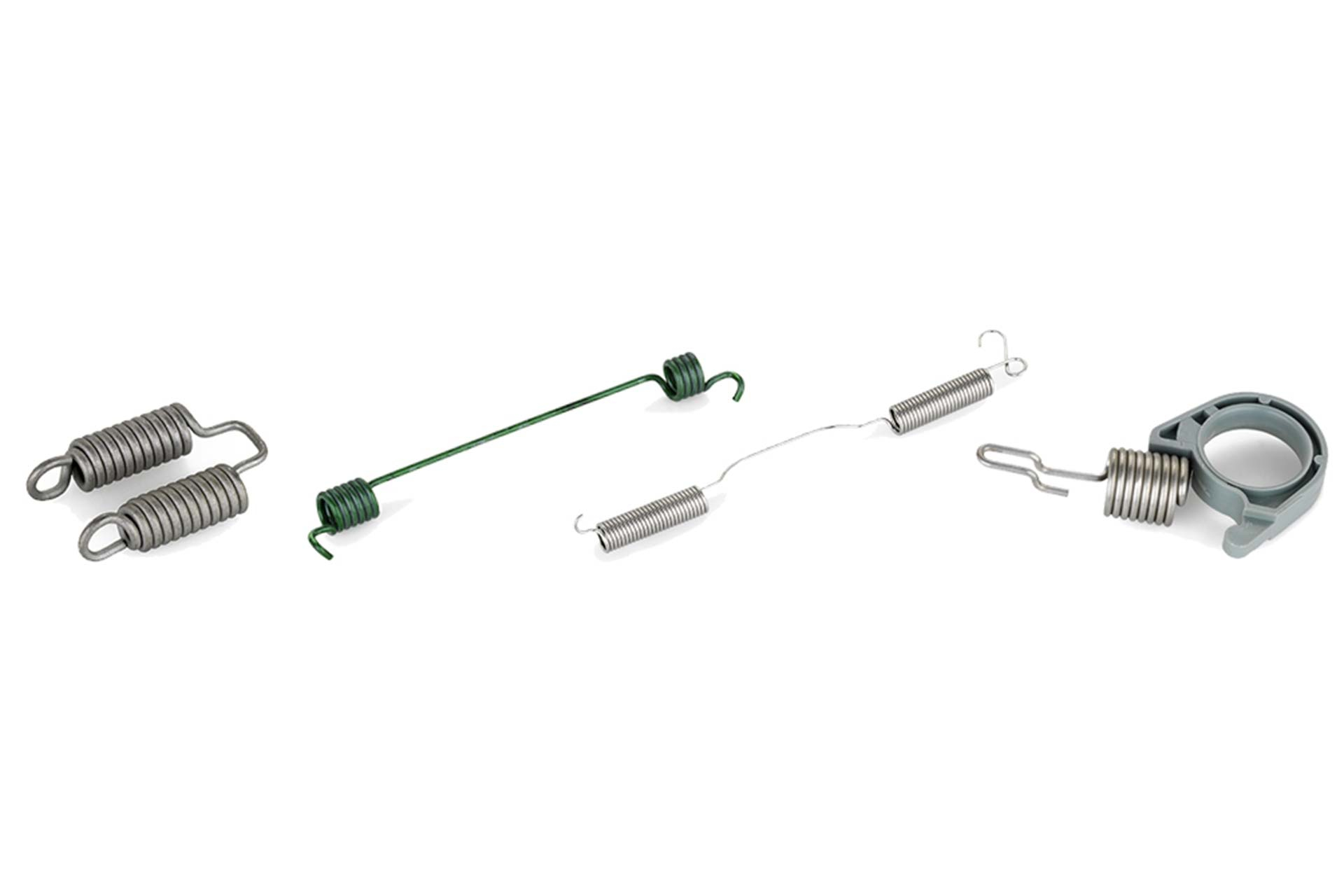
Advantages and benefits of tension springs
- 01Consistent pull force, high initial tension that holds force across a wide range of motion
- 02Engineered hooks and loops; geometry designed for the stresses each end must withstand, validated in your assembly
- 03Shock and vibration resistant. Compact, lightweight designs that stay stable under dynamic load
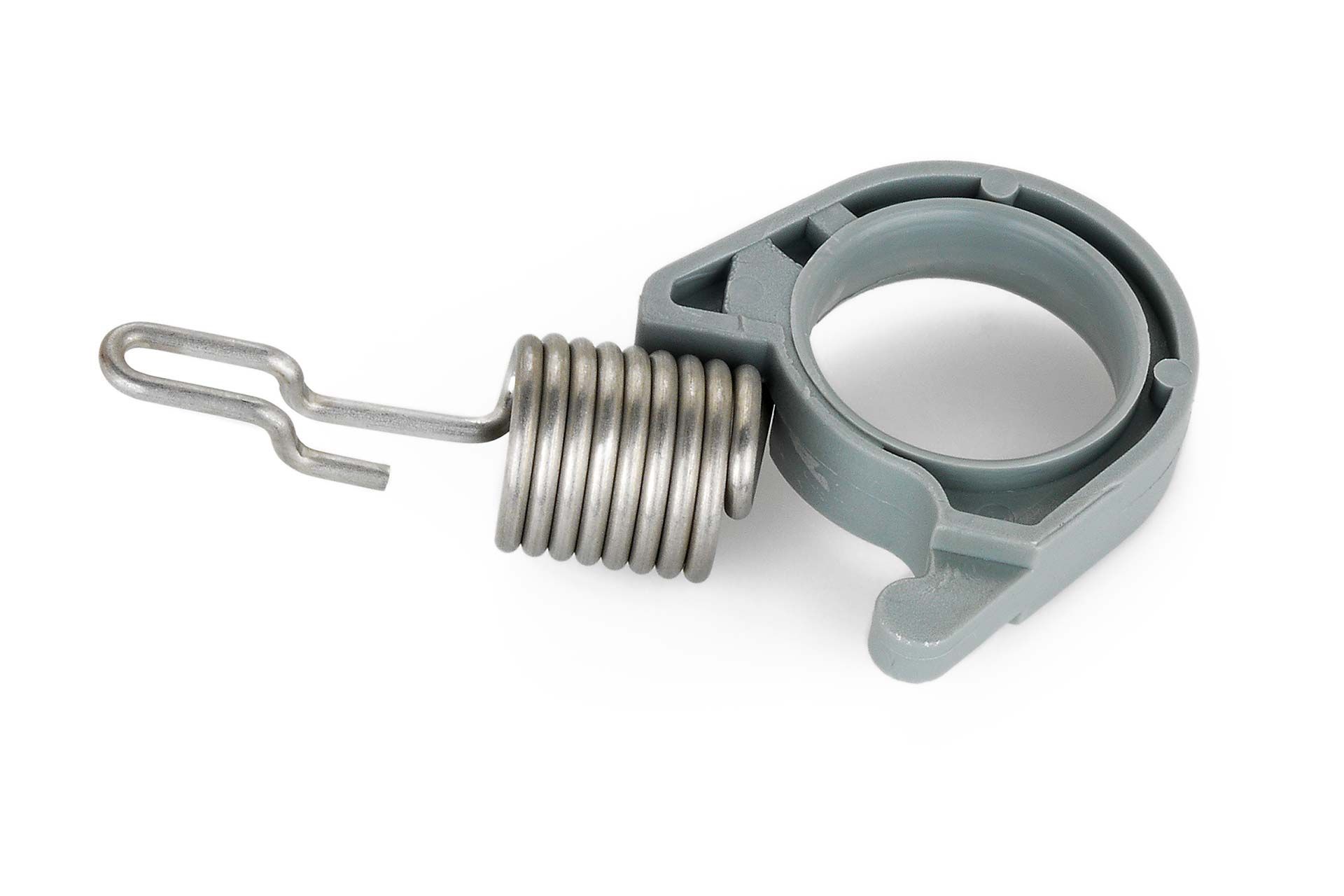
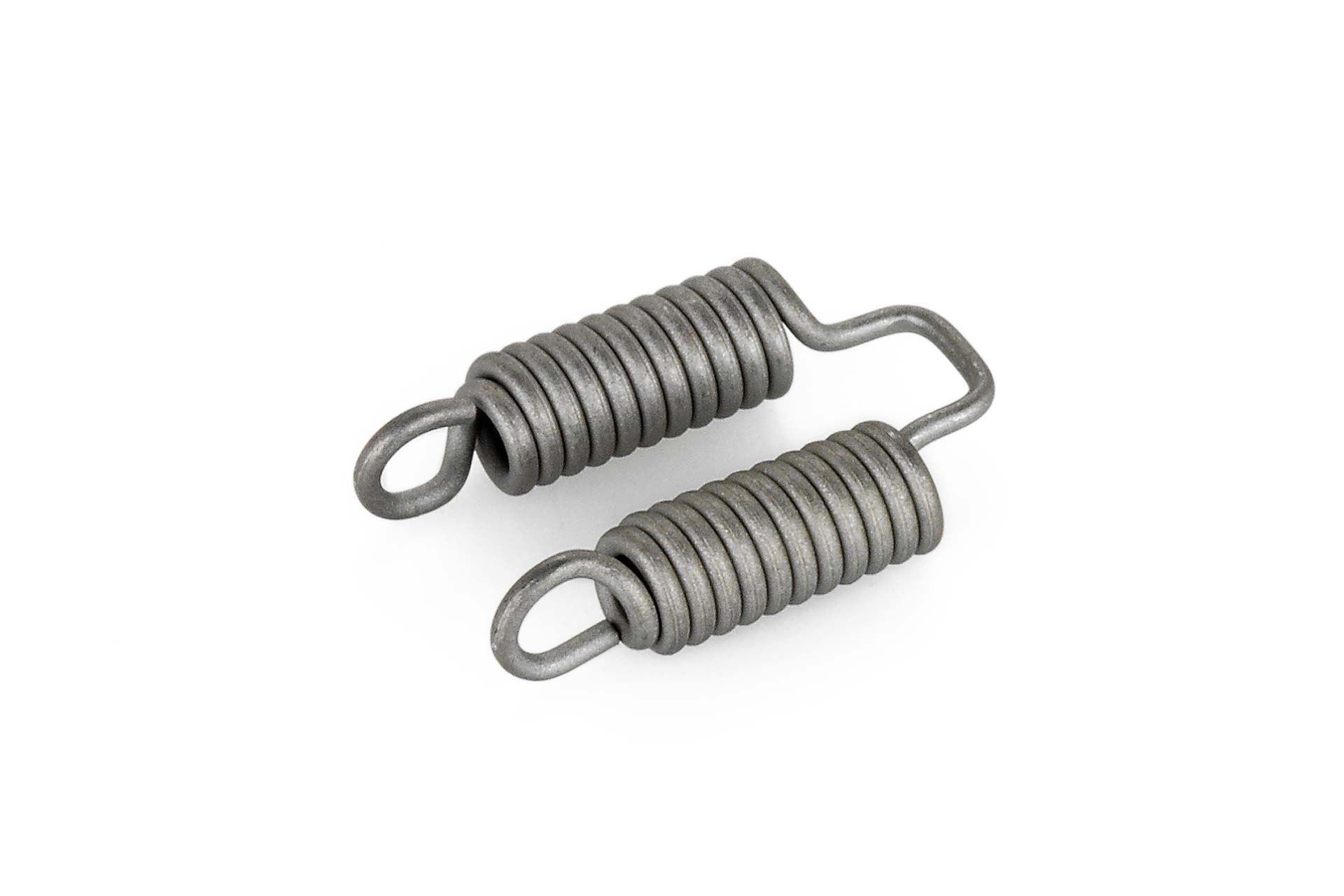
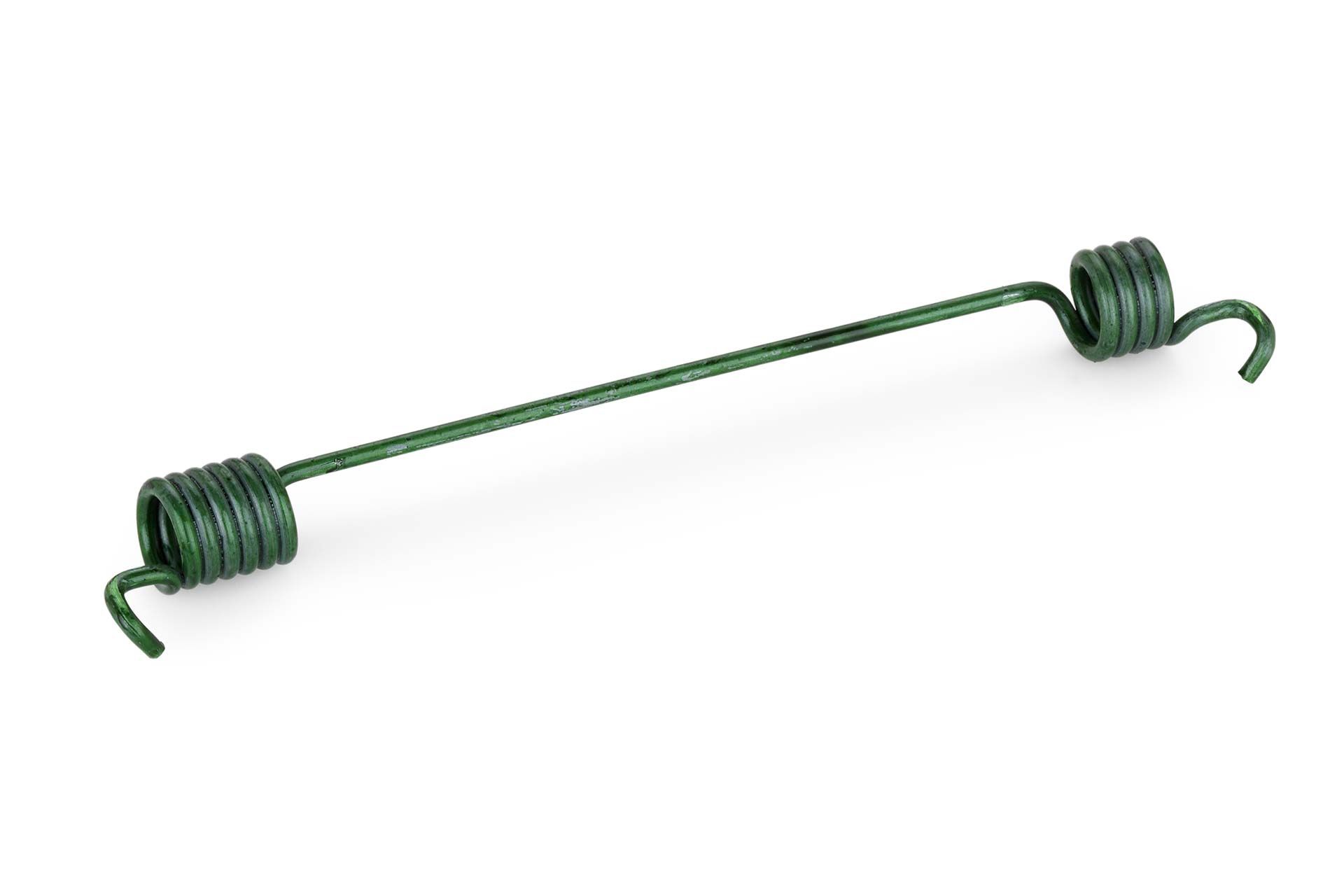
Types of tension springs
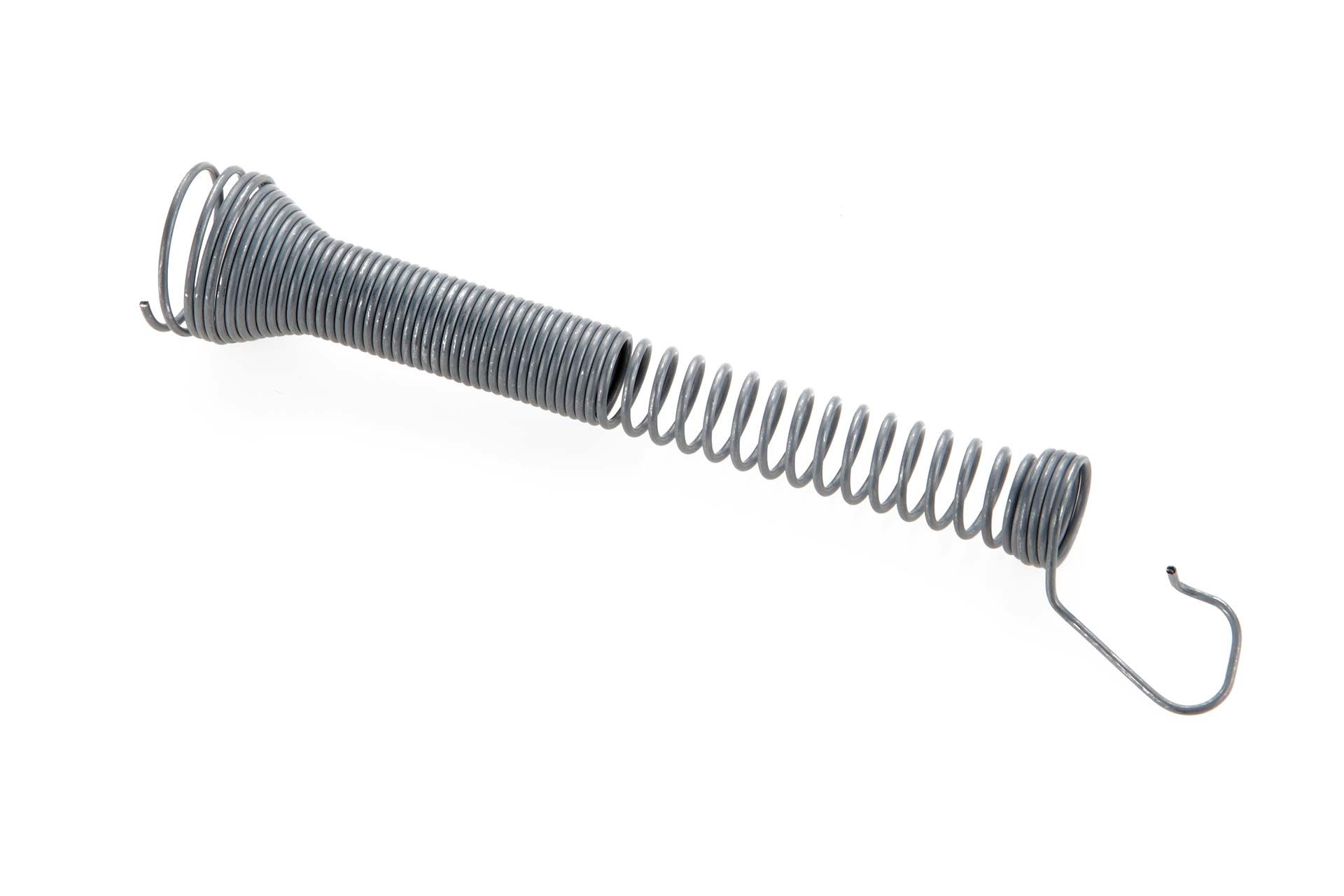
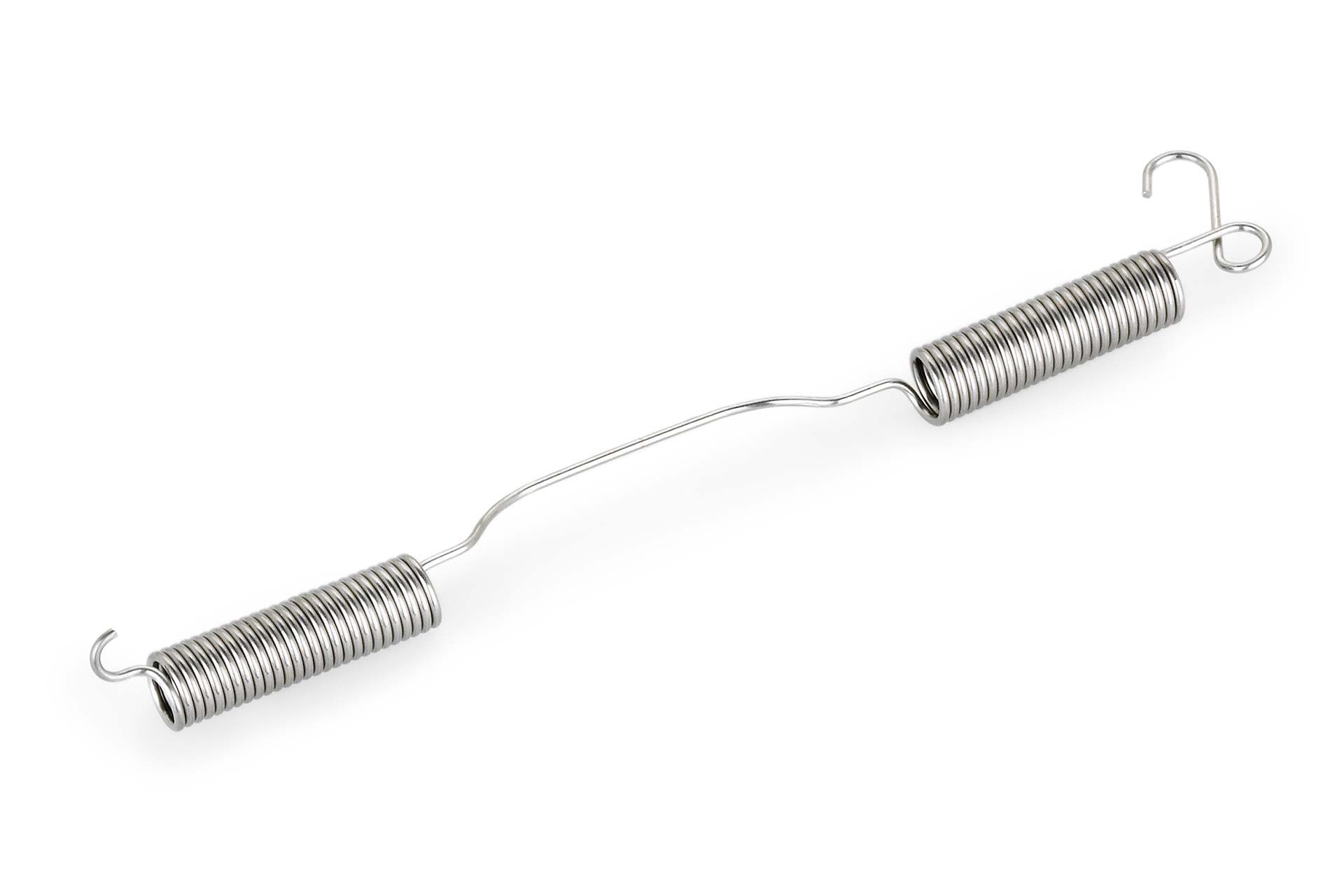
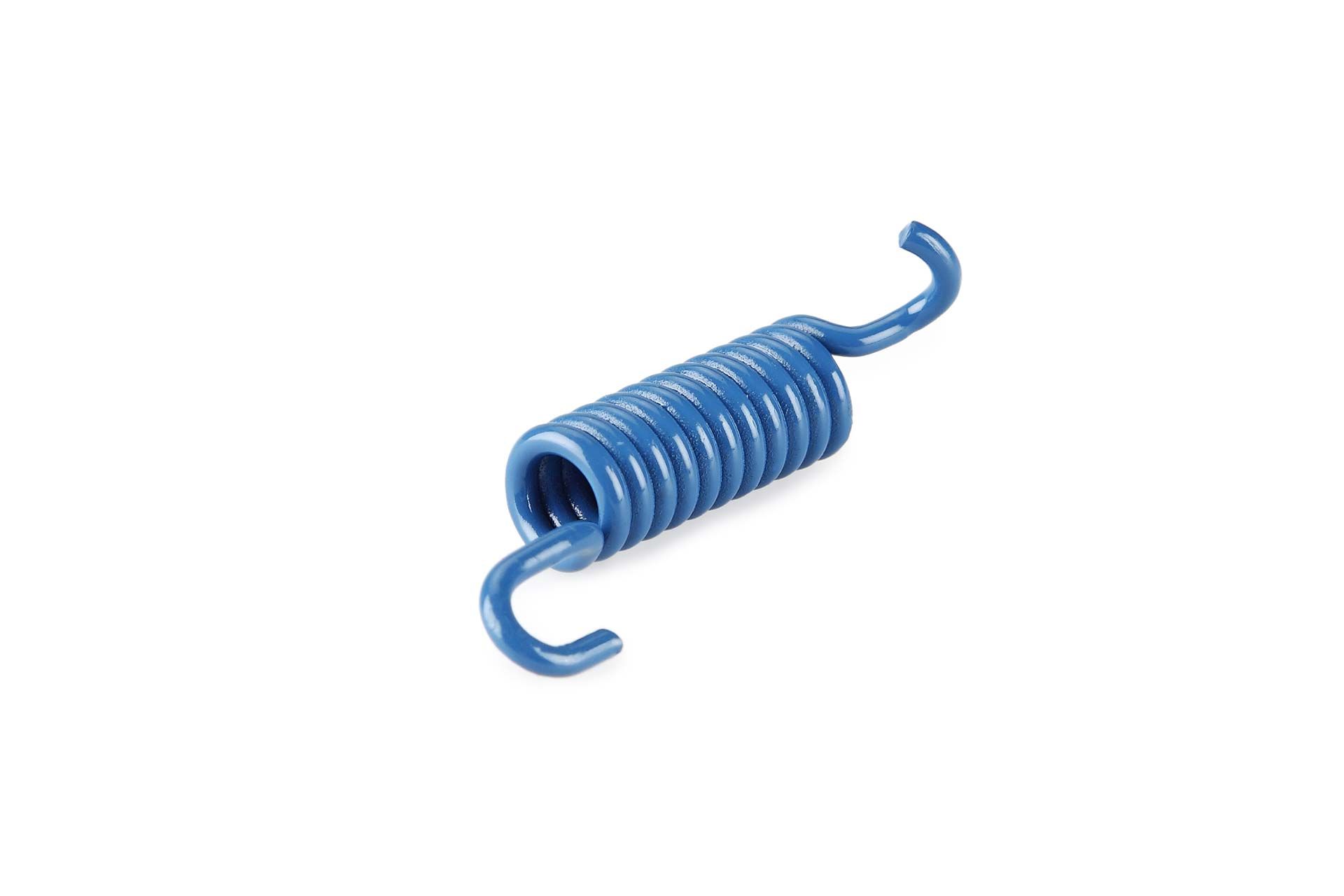
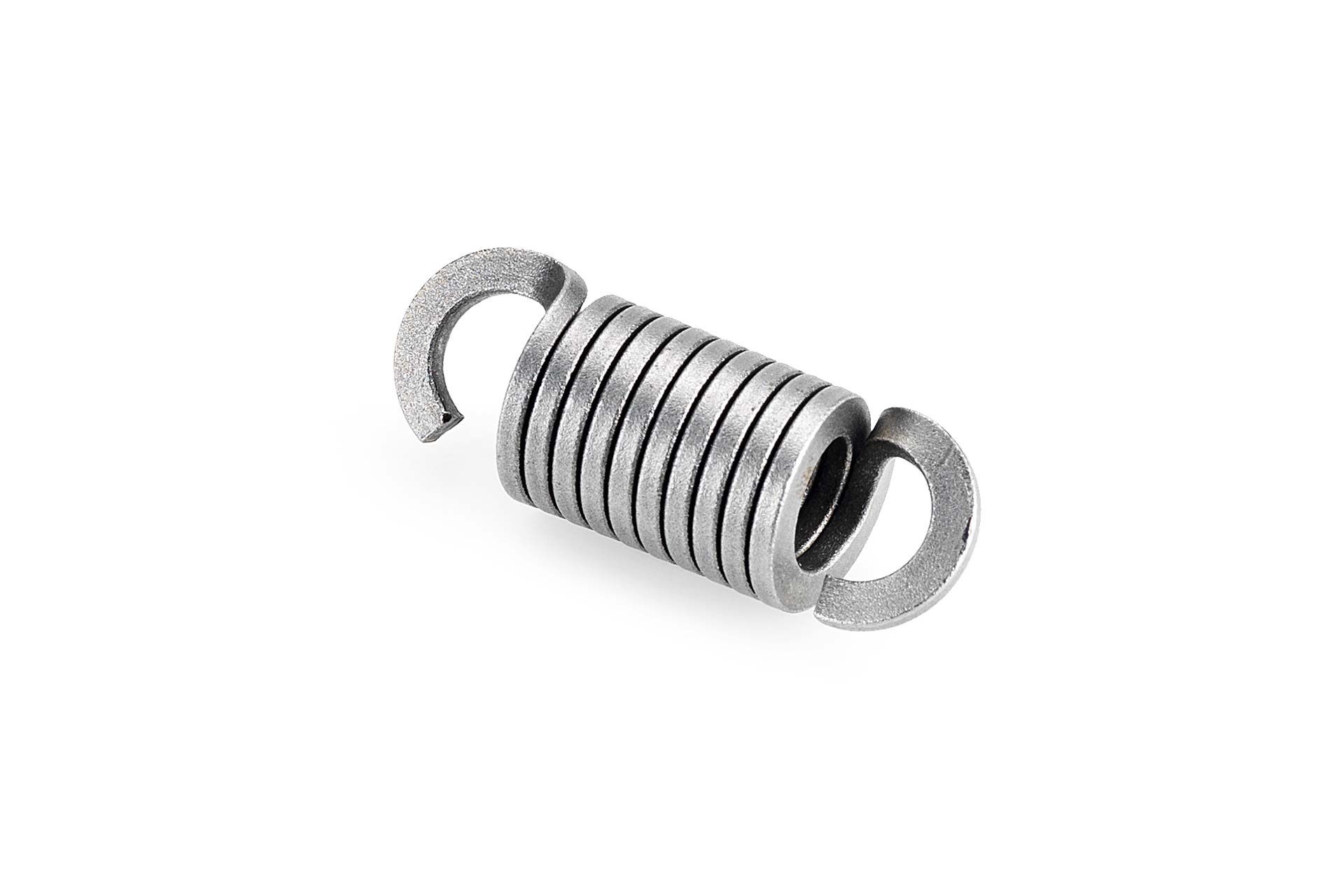
Measures
- Wire diameter: 0.10-6 mm (0.004-0.23 in) round and rectangular wire
- Other dimensions as required
Materials
The choice of the right material, surface treatment and coating are critical for the final quality and safety of the product. From stainless steels to the most specific materials bought in from the best suppliers.
- Carbon steel
- Stainless steel
- Nitinol
- Inconel
- Elgiloy
- Hastelloy
- Chrome silicon
- Other materials according to your special requirements








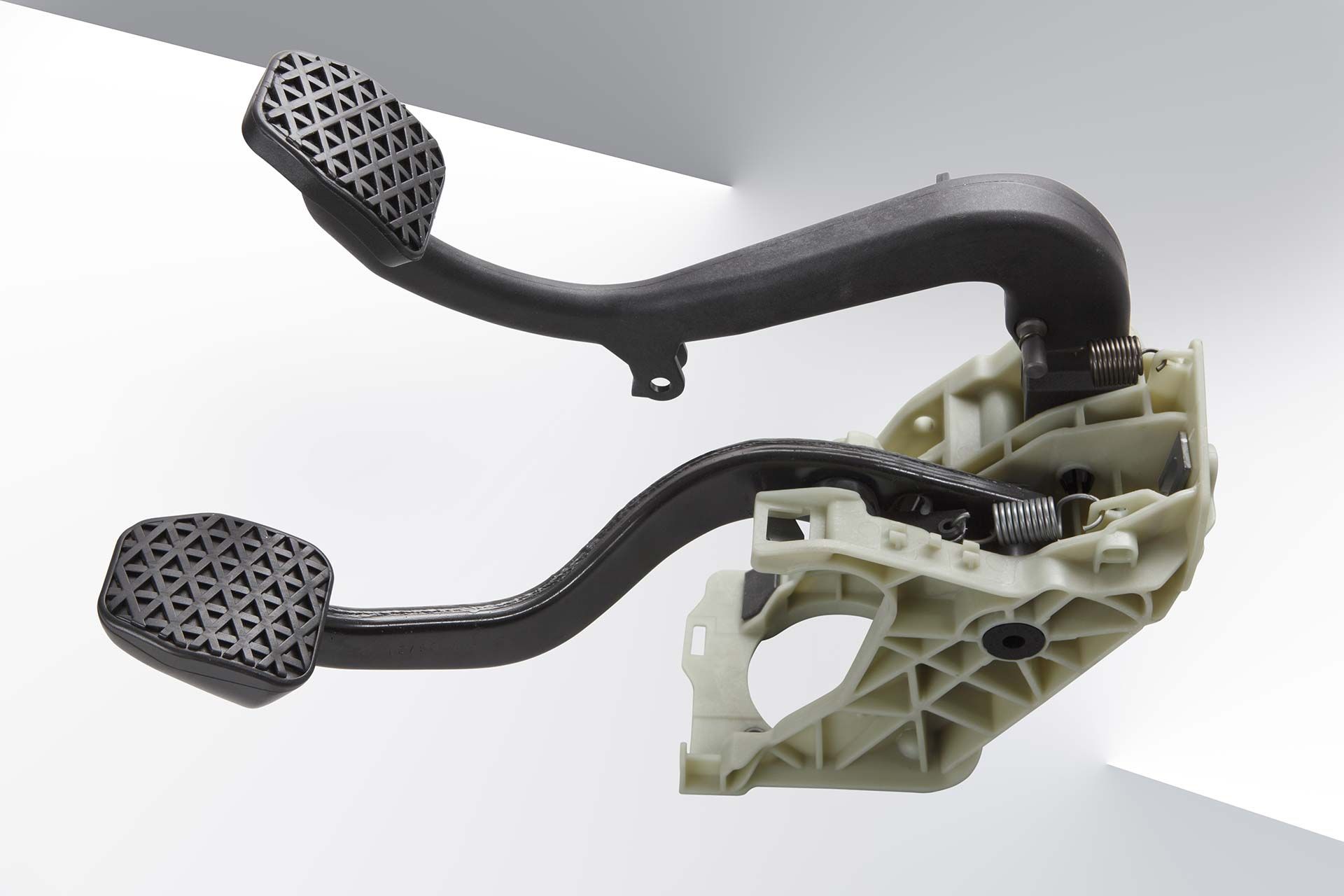
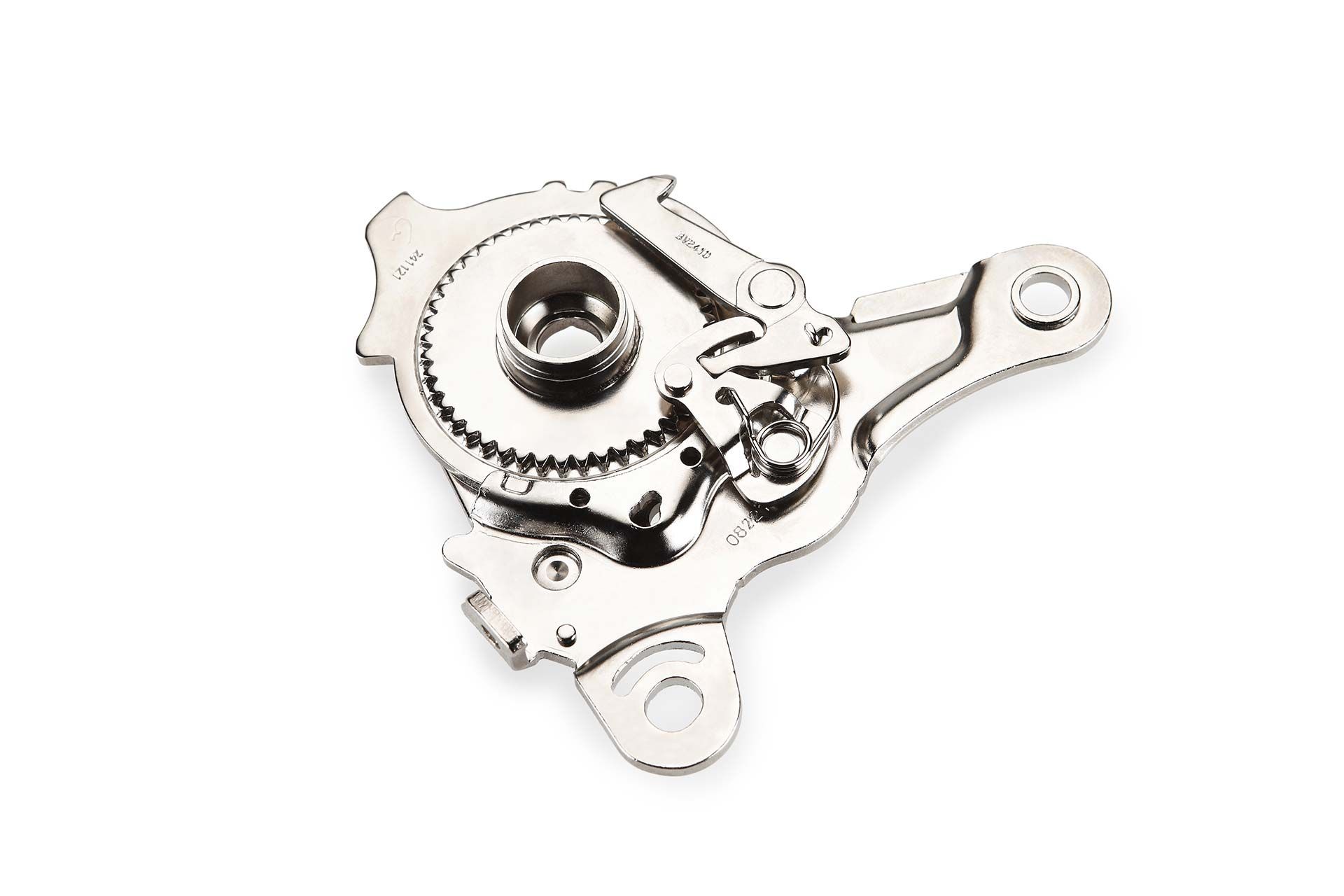
Automotive

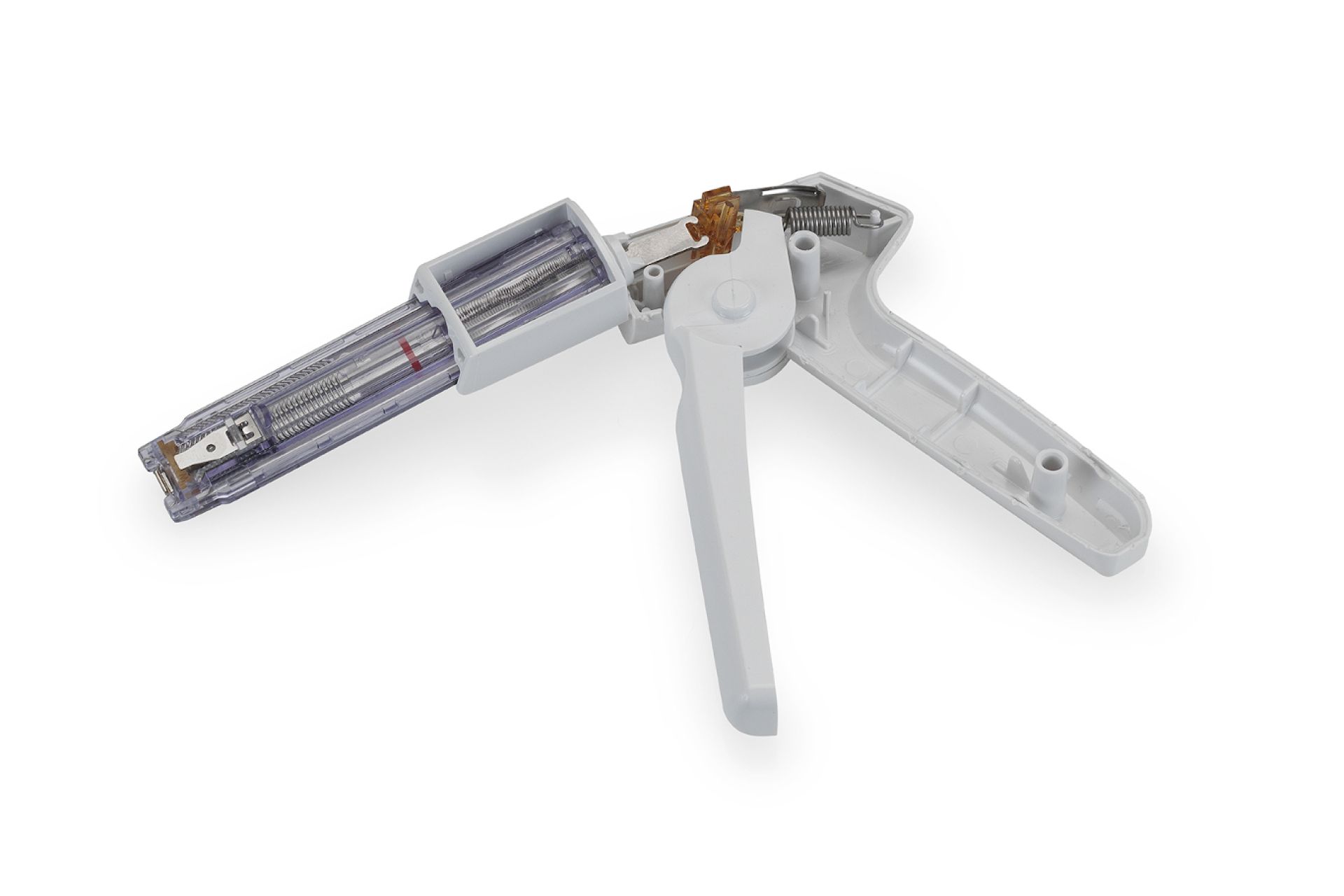
Medical

Electric
Industrial
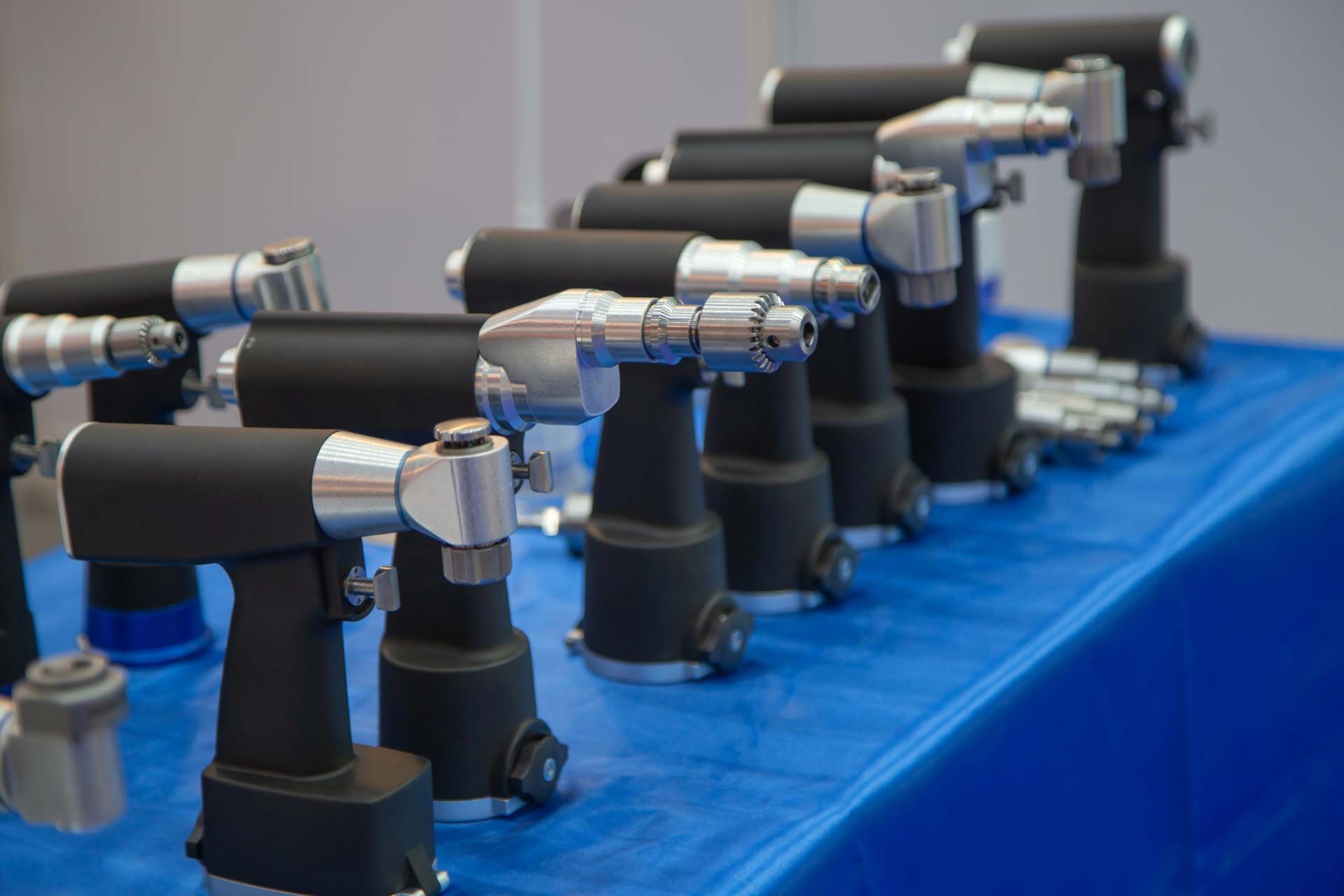
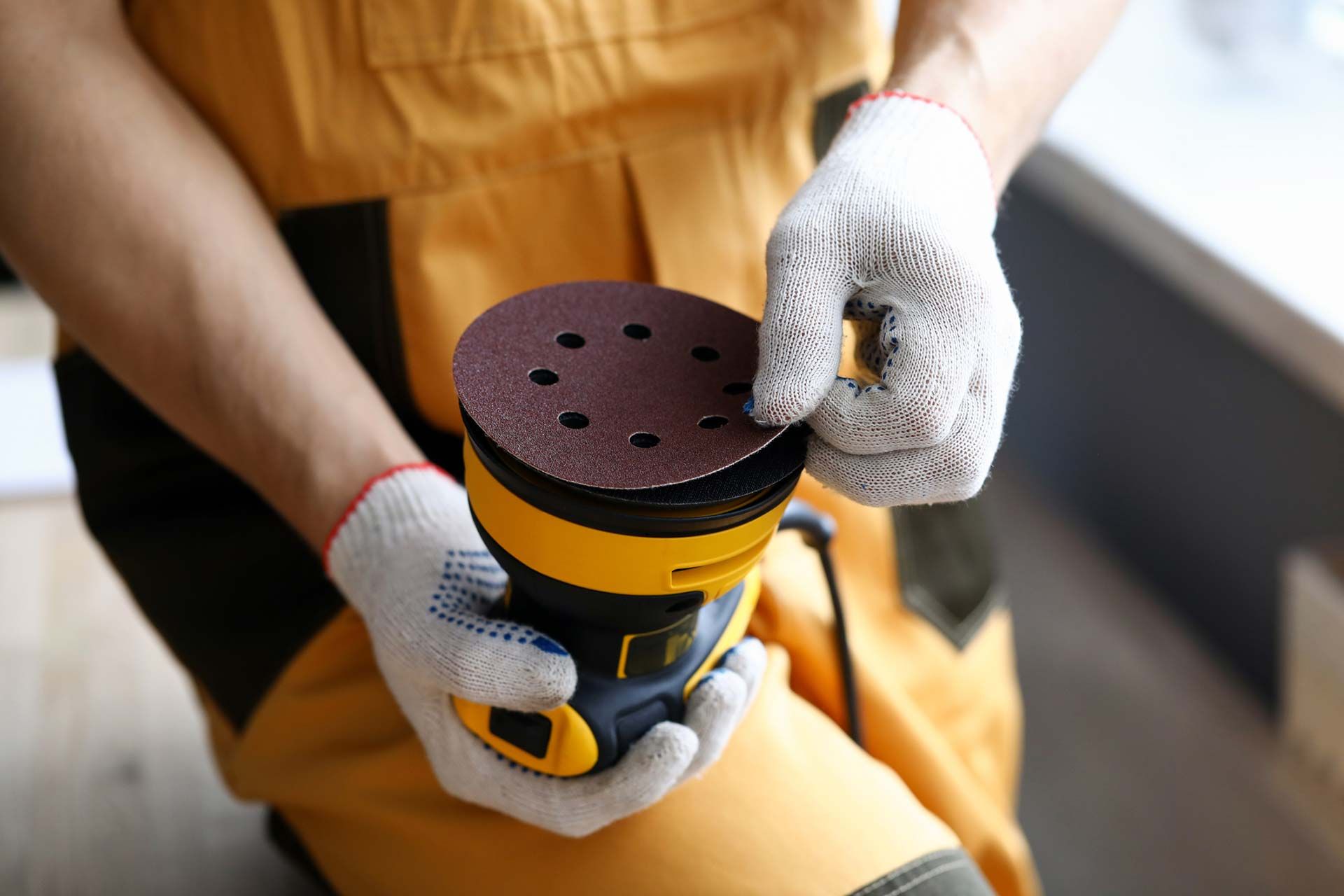
Power tools
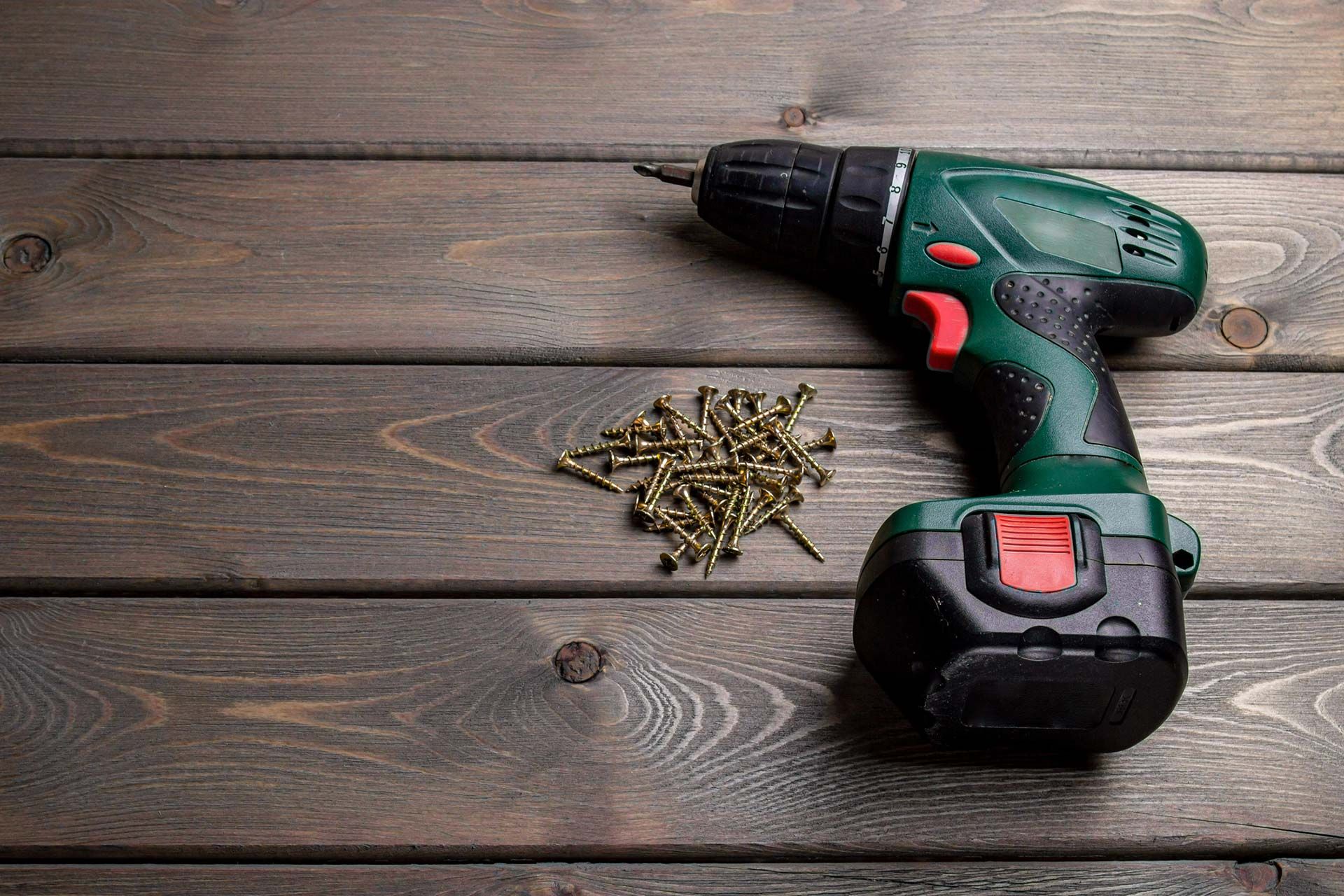
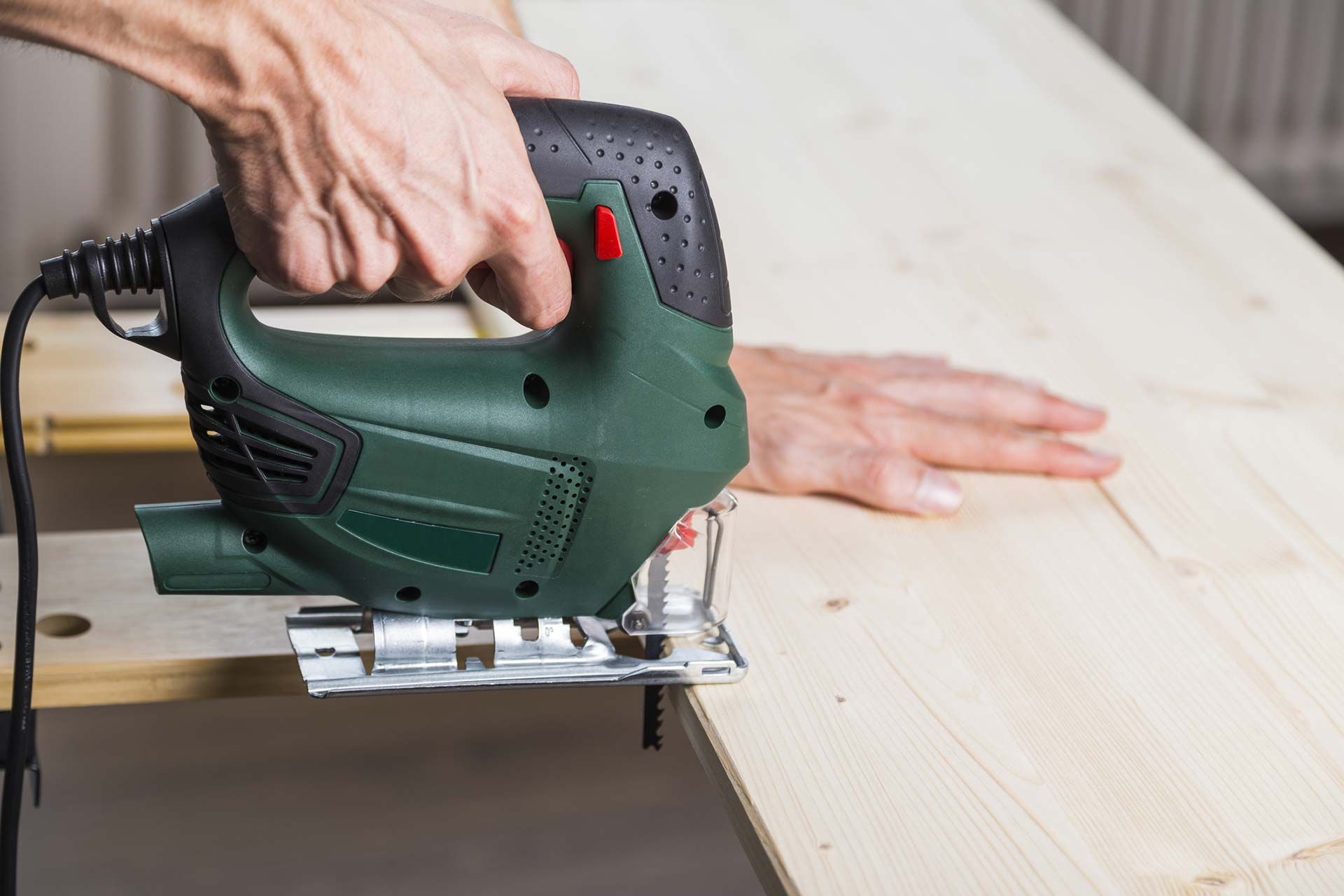
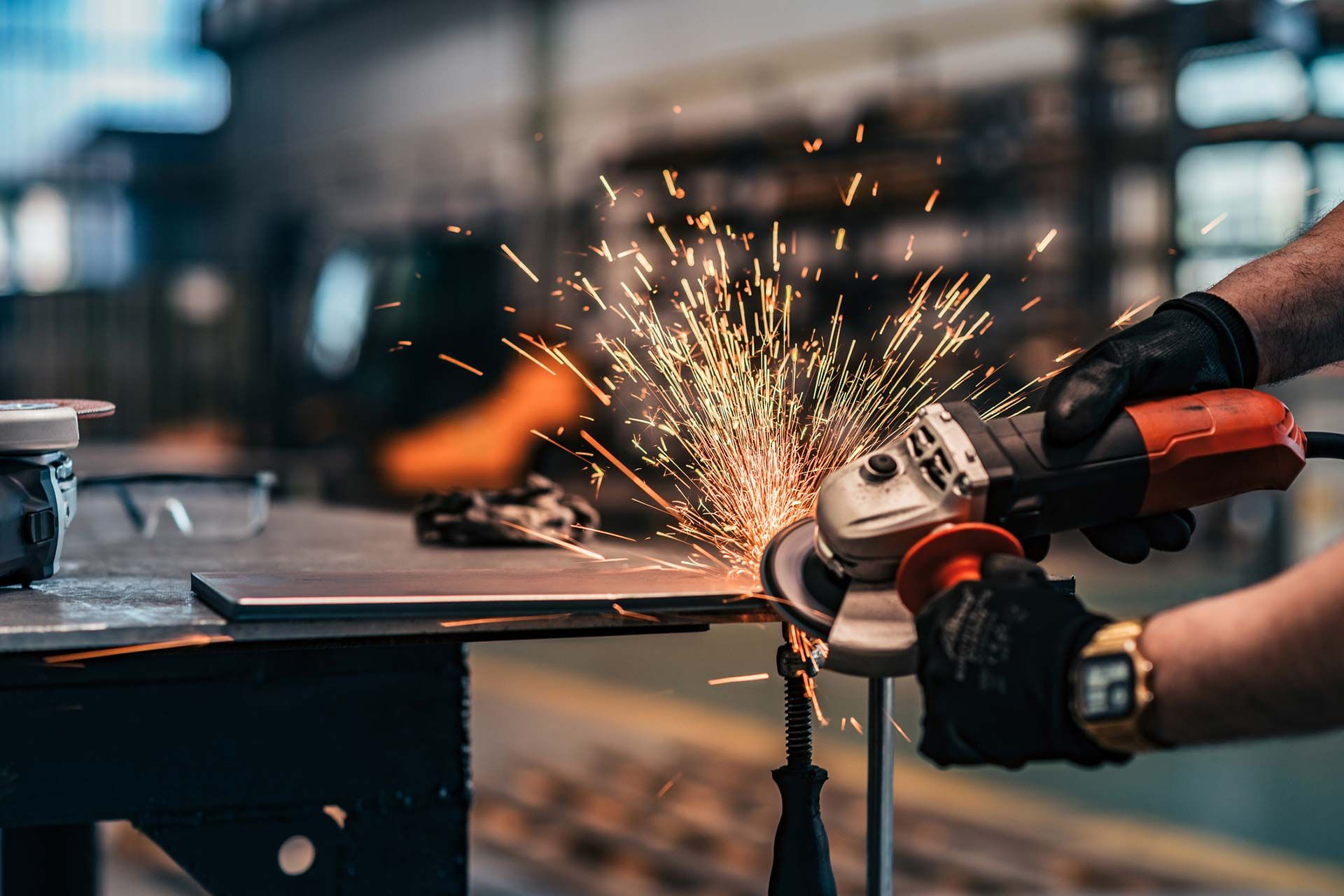

Consumer Goods



Other industries



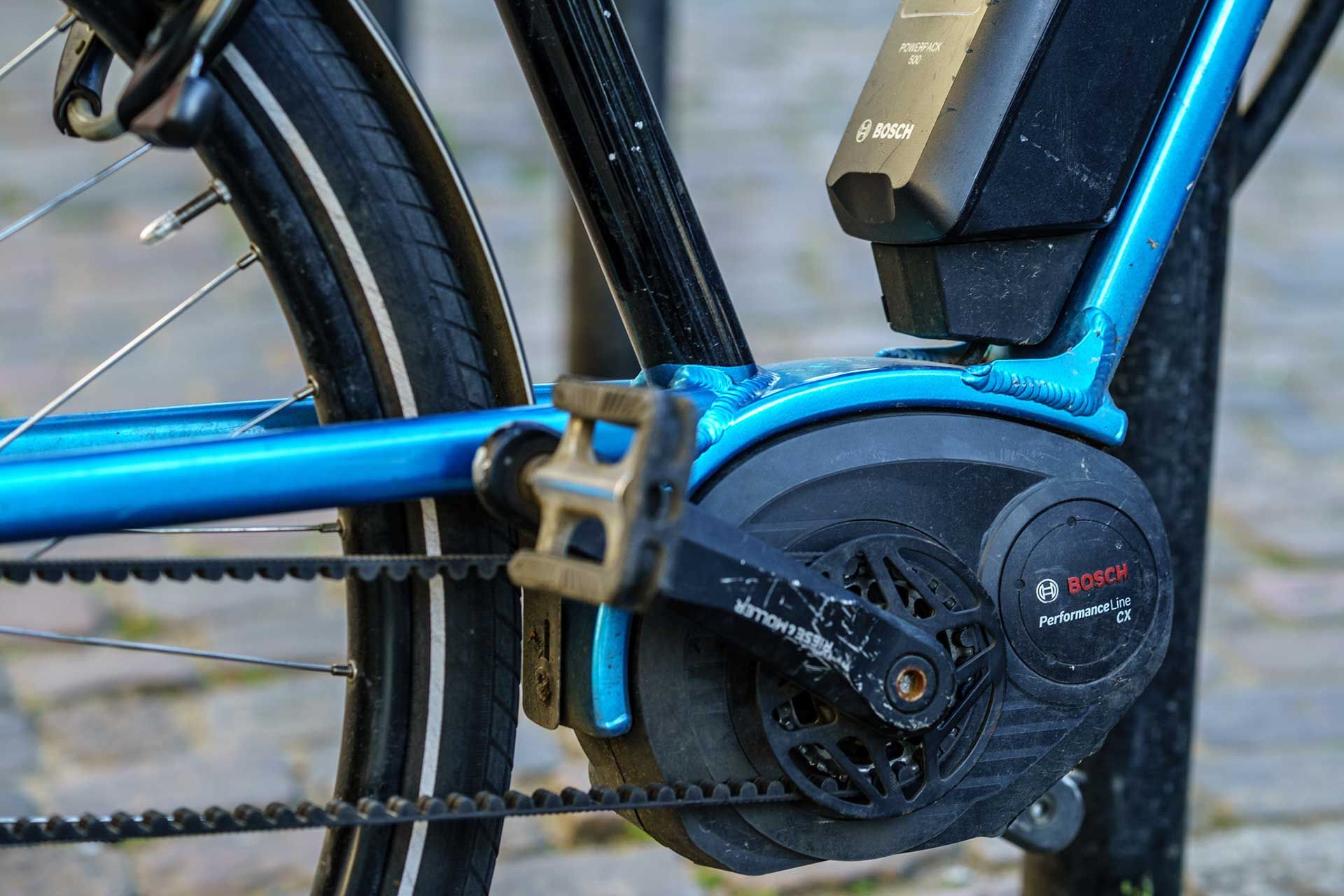
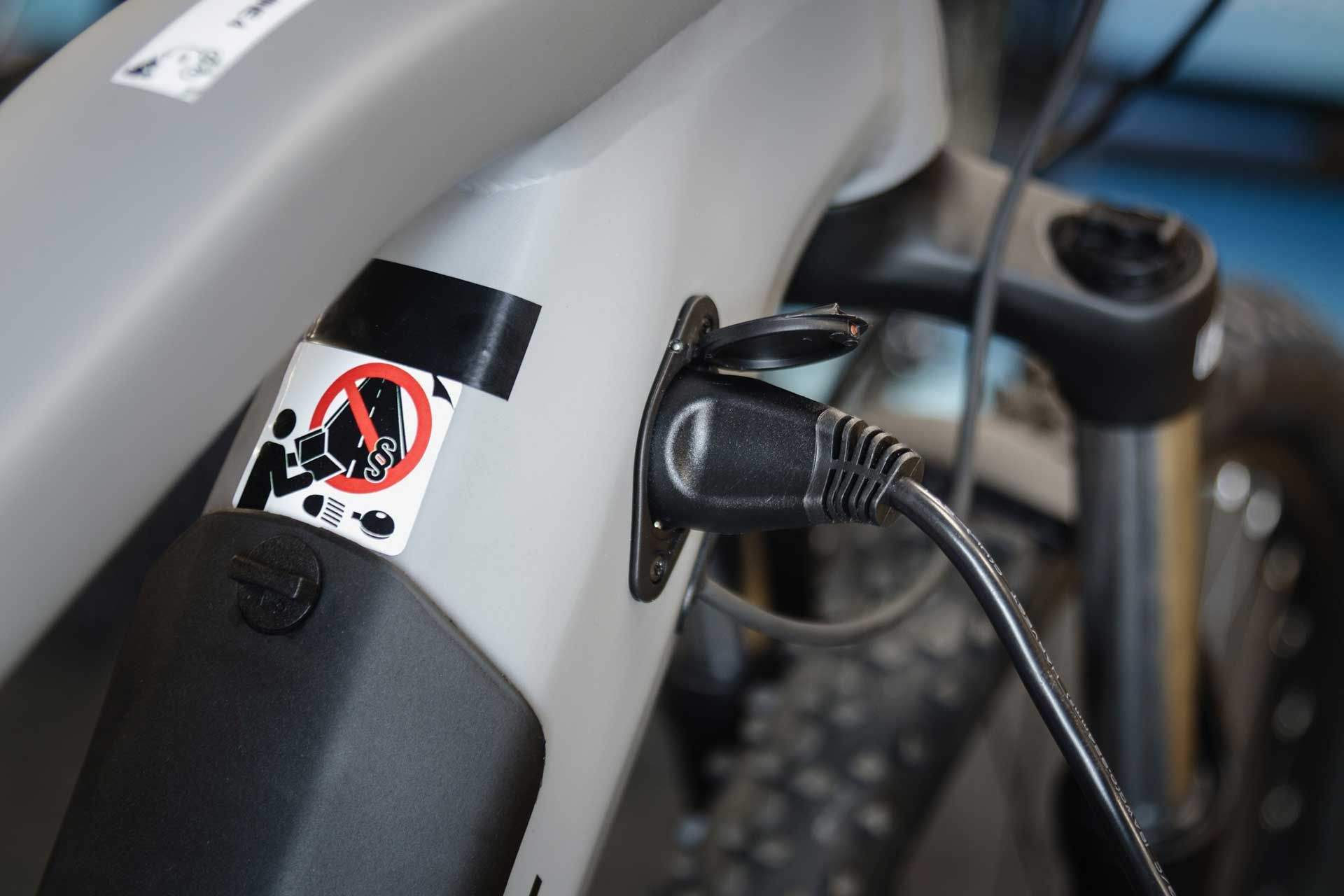
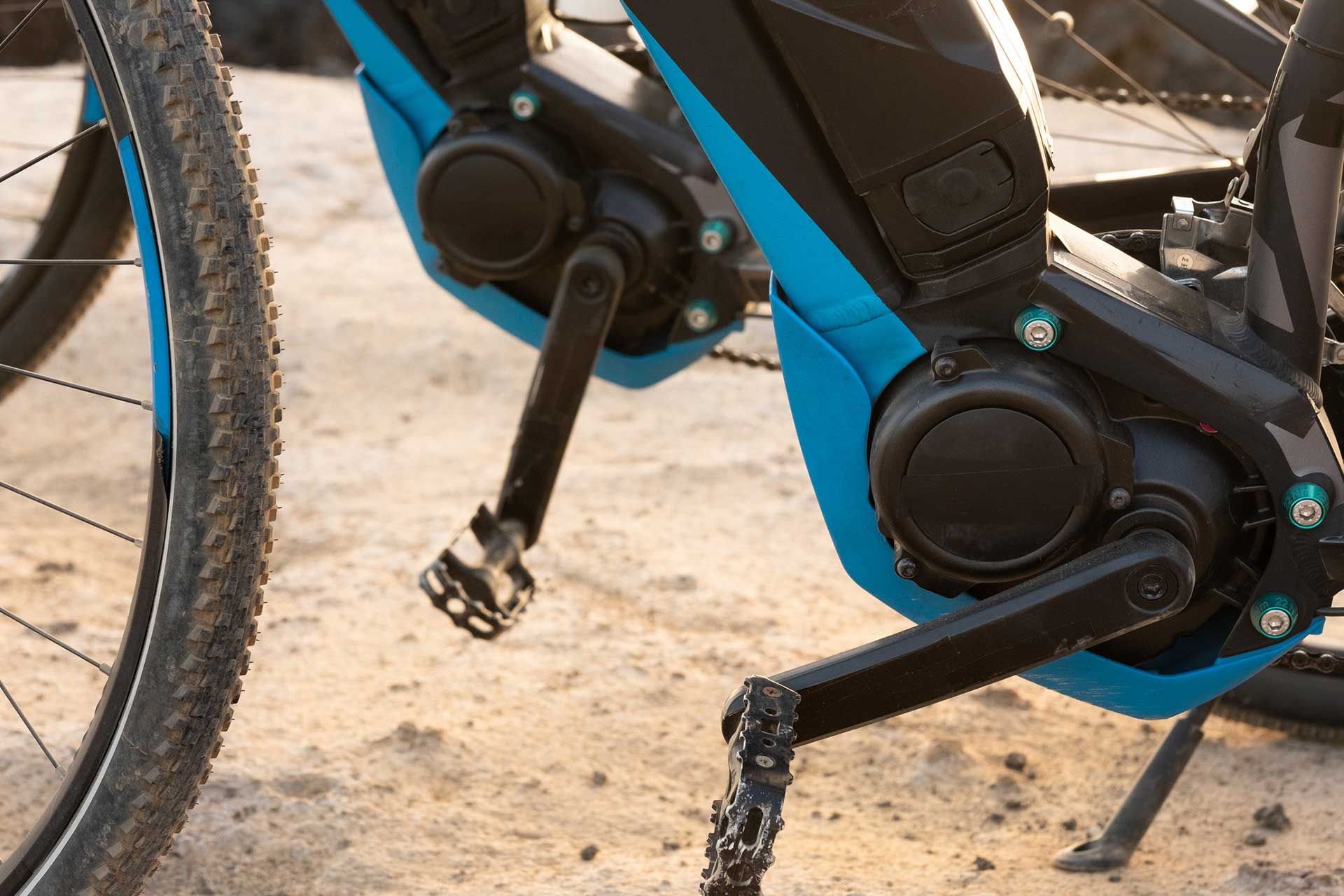
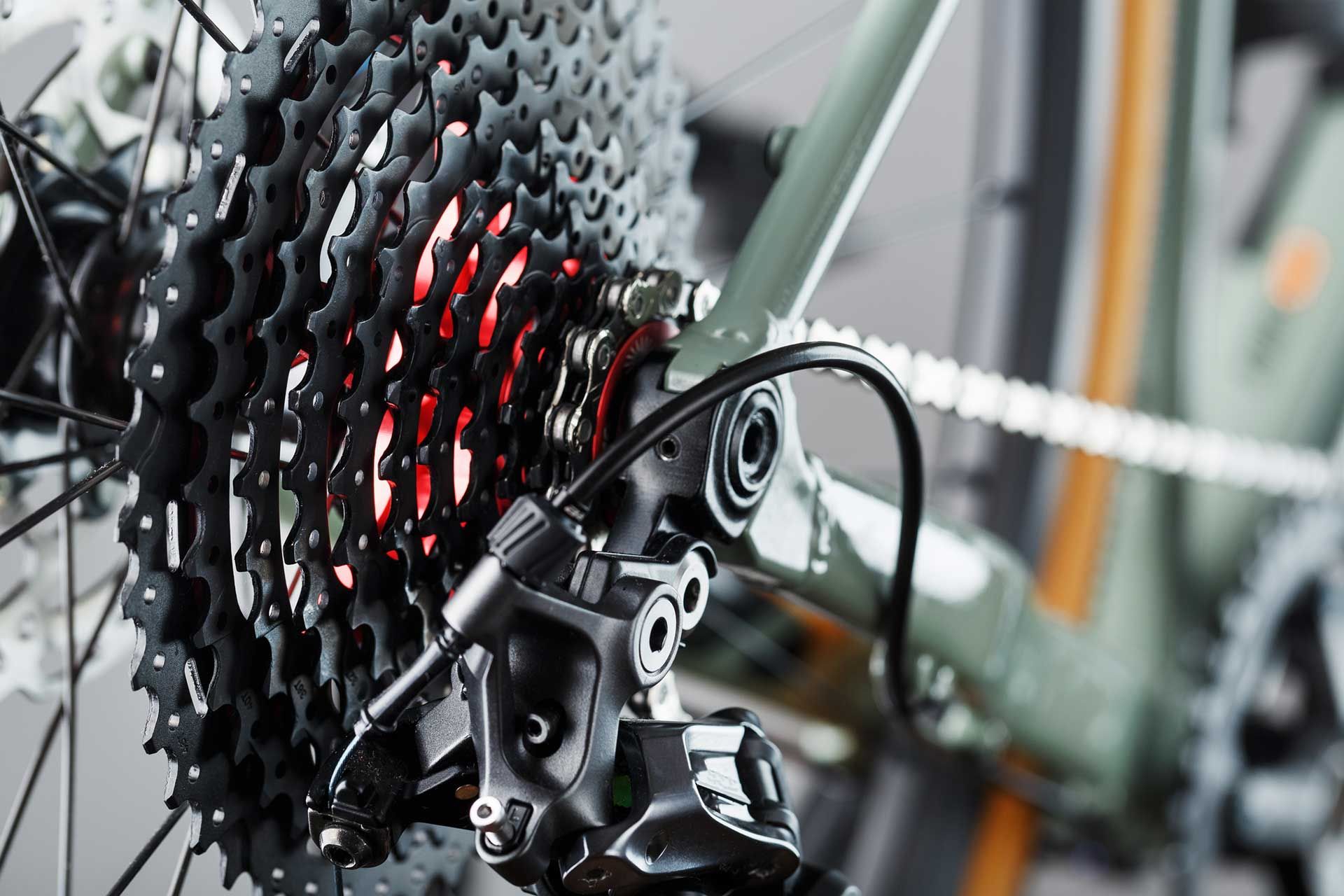
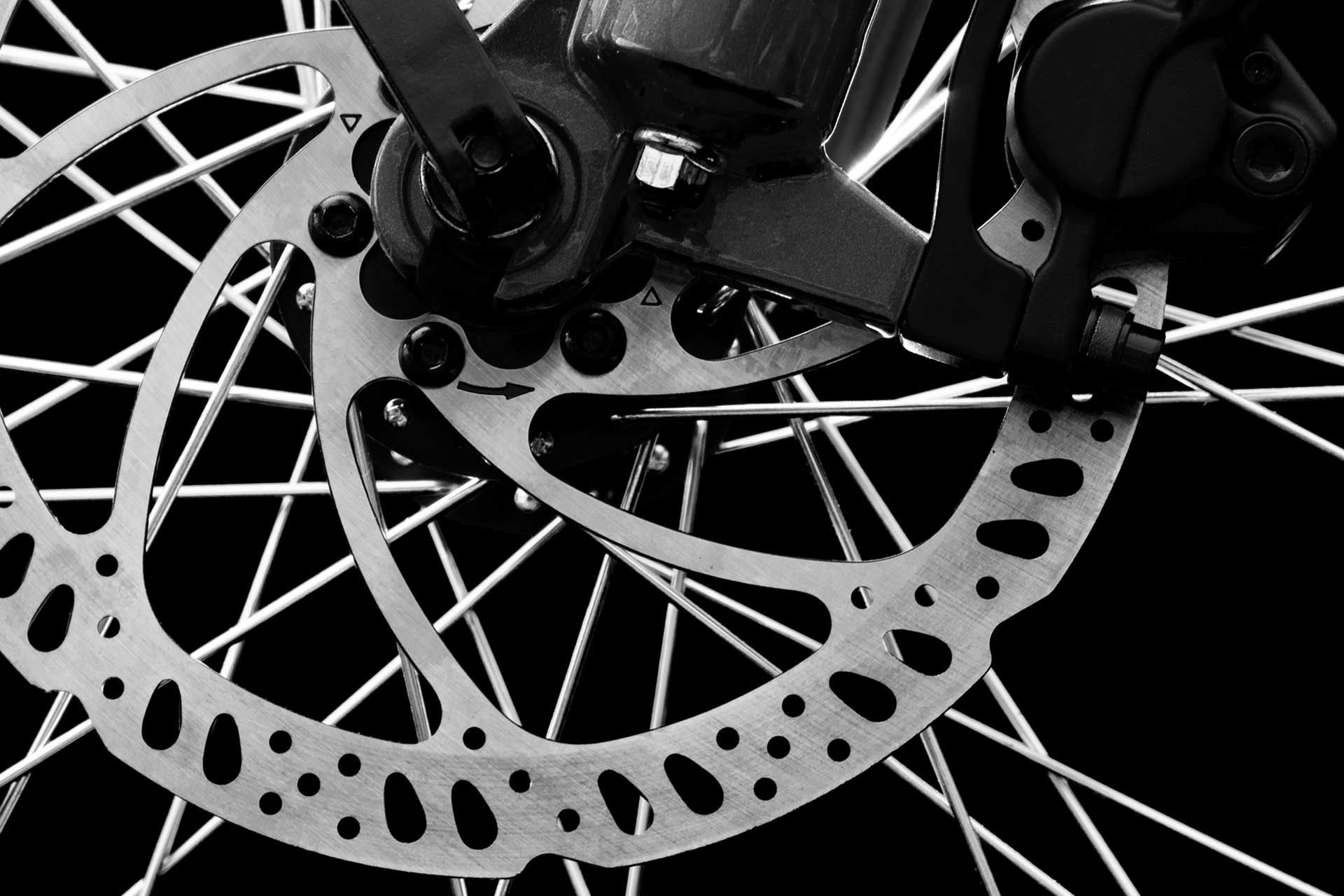
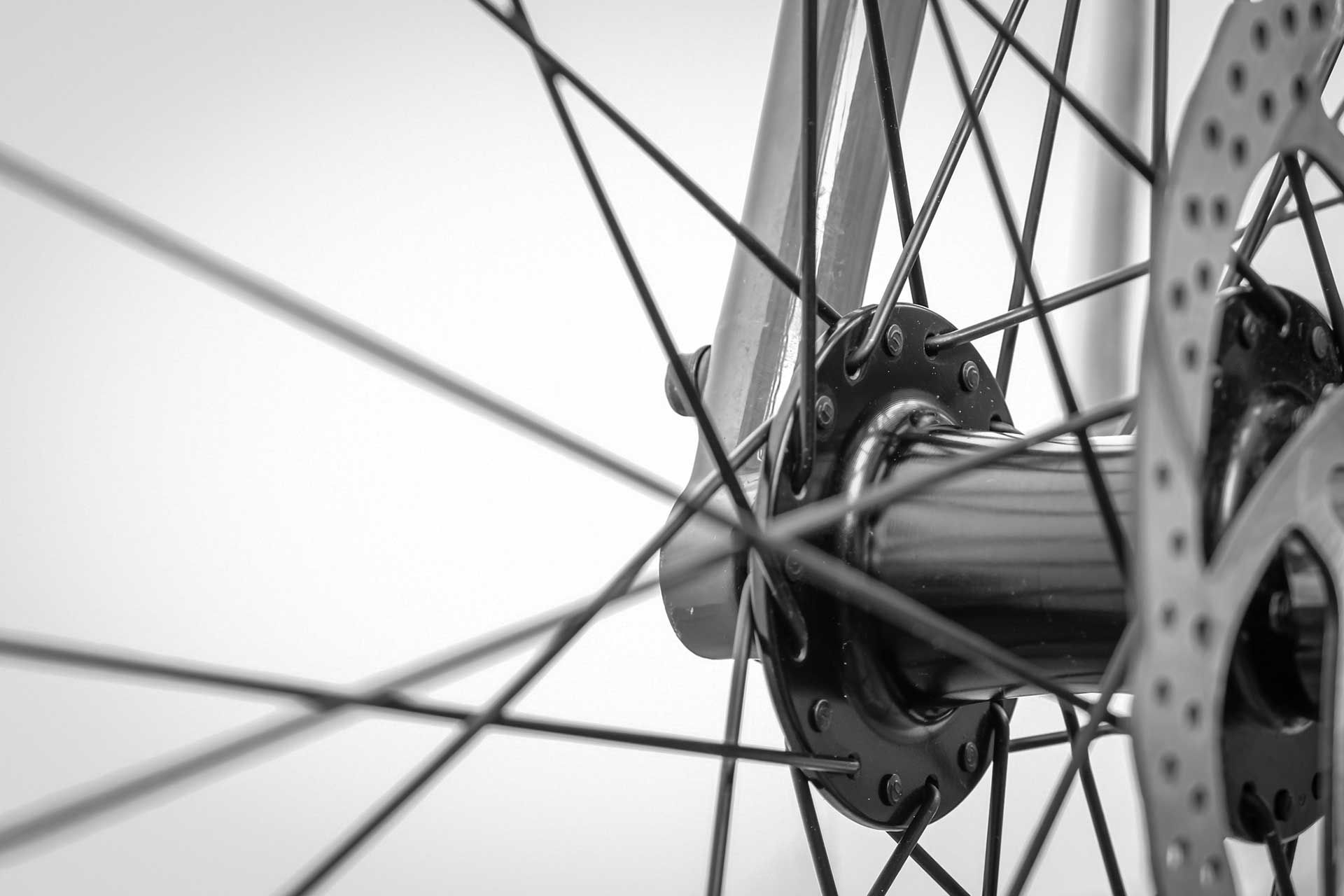
Applications for Bike and eBike


Get the most out of our expertise
Our engineers work alongside our customers to find the best solution for them, applying scientific methods and knowledge accumulated over almost 50 years.
Frequently Asked Questions
What is the difference between a tension spring and an extension spring?
They are the same part, a helical spring that resists pulling and stores energy when stretched. “Tension” and “extension” are interchangeable terms.
What is a tension spring, and how does it differ from a compression spring?
A tension spring (also called an extension spring) stores energy when stretched rather than compressed. It applies a pulling force to two separate components, holding them together or returning them to a neutral position when the applied force is removed. Compression springs push; tension springs pull.
What are the most common automotive applications for tension springs?
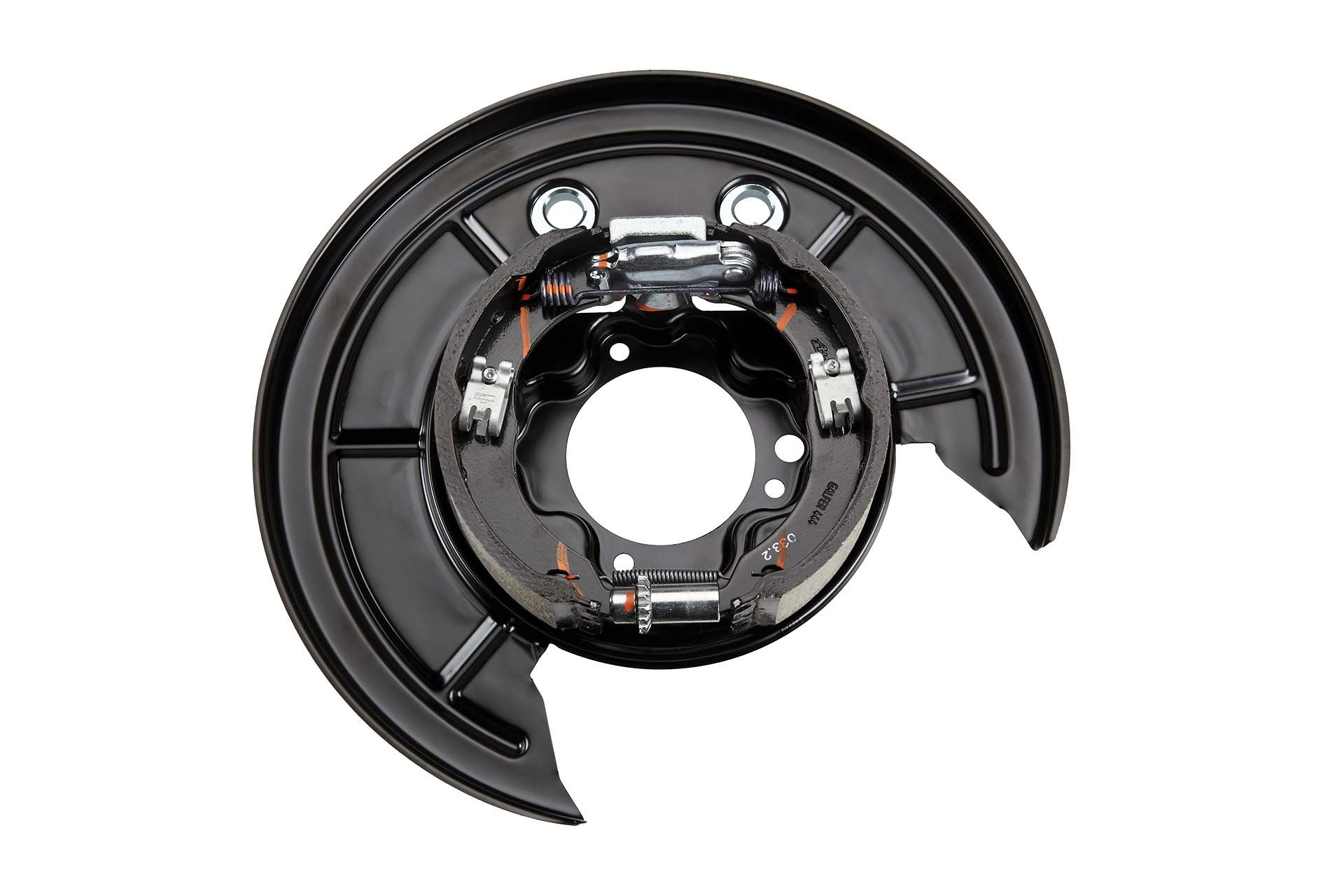
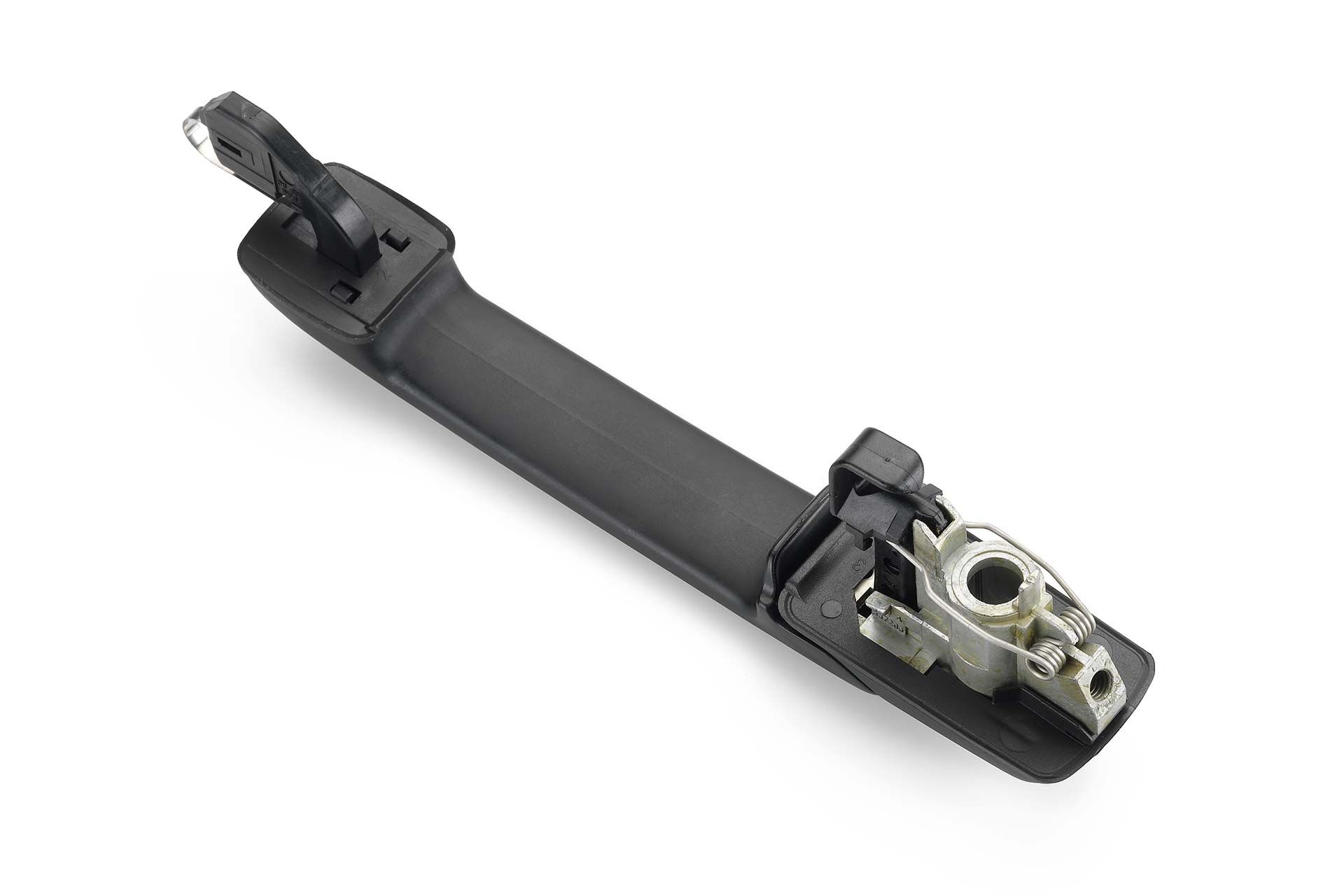
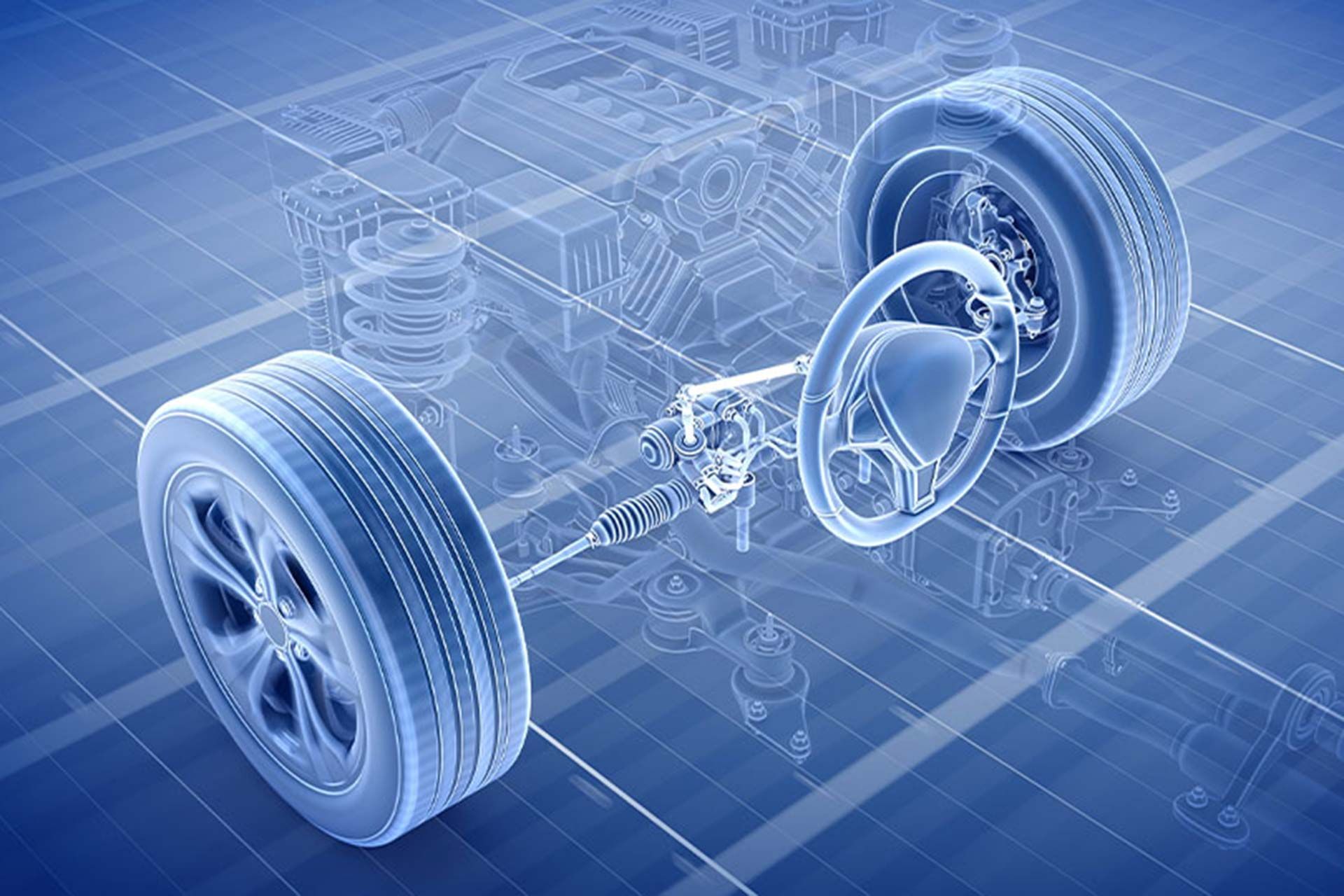
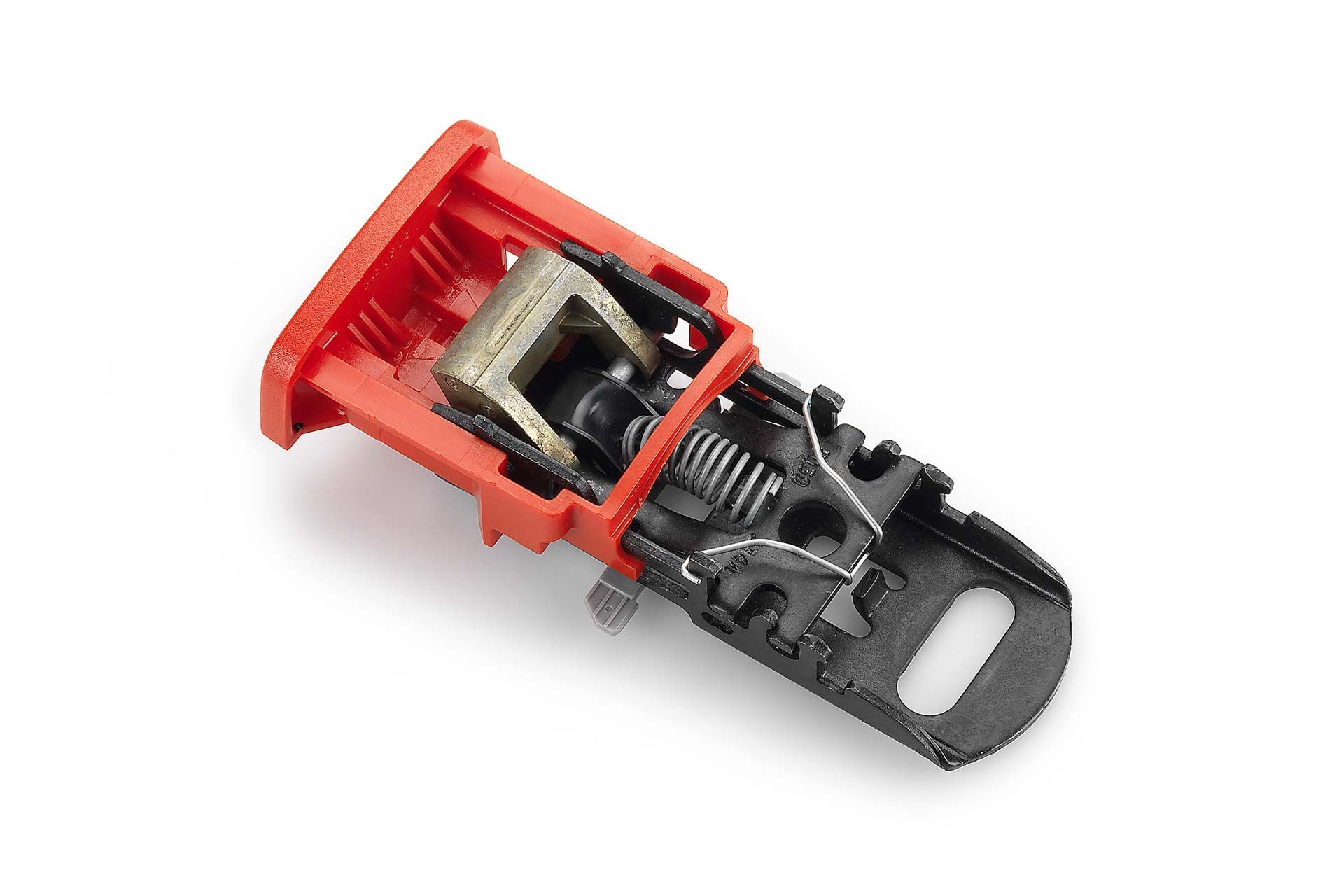
Automotive tension springs are used in throttle return mechanisms, handbrake cables, parking brake assemblies, door latch systems, bonnet release systems, and hood hinges. They are also used in seat adjustment mechanisms and trunk lid counterbalance systems.
Do you manufacture tension springs for e-mobility applications?
Yes. EV-specific tension-spring applications include charge-door return mechanisms, regenerative braking pedal return systems, thermal-management valve return springs, and battery contact-hold-down systems.
What hook types are available for tension springs?
Standard hook configurations include full loop, half loop, extended hook, and machine hook ends. RPK Group also manufactures custom end forms to customer-specified geometry for applications where standard hooks do not fit the assembly.
Can you manufacture tension springs for medical devices?
Yes. Precision tension springs are used in medical stapling devices, surgical clip appliers, and diagnostic instruments. Medical tension springs are manufactured from biocompatible materials, inspected to 100%, and, where required, produced in clean-room environments.
Do tension springs for industrial equipment require special surface treatments?
Industrial tension springs operating in humid, outdoor, or chemically aggressive environments are typically passivated, zinc-plated, or manufactured in stainless steel. For food processing or pharmaceutical applications, electropolished stainless steel prevents contamination and particle generation.
Related news
Load more news
RPK Group joins ÁNIMA to advance humanoid robotics and Physical AI in Spain
RPK Group strengthens its position as an engineering and industrialization partner for high-precision metal components for next-gen robotic systems.
Case Study: EHCU repair solution cuts the customer´s warranty costs by 75%
When a quality issue affected the customer´s Electronic Hydraulic Control Units and the original production line no longer existed, RPK Group took ownership of the complete engineering scope: from validating the assembly concept to manufacturing all serial production machinery, with 100% 3D vision inspection and individual QR code traceability
Canted Coil Springs for subsea and downhole connectors: reliable contact where failure is not an option
RPK Group engineers custom canted coil springs for wet-mate connectors, penetrators, and downhole tool strings, co-designed with the teams behind major subsea developments.